What Woods Look Good Together: Harmonizing Hues
Some woods that pair well together include walnut and maple, or oak and cherry. These combinations create a harmonious contrast in grain and color.
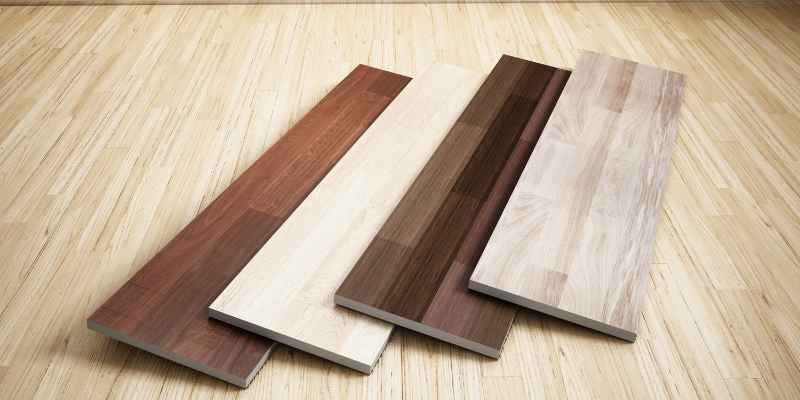
Choosing the right wood combinations enhances the aesthetic appeal of furniture and decor. Different types of wood can complement each other beautifully, adding depth and character to any space. For example, pairing a darker wood like walnut with a lighter wood like maple provides visual interest.
The rich tones of cherry can elevate oak’s warm hues, creating a timeless look. Understanding how various wood types interact can guide you in making informed design choices. Whether you’re crafting furniture or designing interiors, selecting complementary woods ensures a cohesive and stylish outcome. Embrace creativity and explore different combinations to find what suits your taste.
The Art Of Mixing Wood Tones
Mixing wood tones can create a beautiful and inviting space. Contrast and cohesion are key to a successful blend. Use darker woods with lighter ones for a striking look. For example, a rich walnut pairs well with a light oak.
Think about the style of your room. Rustic designs work well with varied wood tones. Modern designs often favor a more uniform look. Choose woods that complement each other in color and grain.
Avoid using too many different wood types. This can make the space feel chaotic. Instead, stick to two or three complementary woods. This will ensure a balanced and harmonious appearance.
Starting With The Basics
Understanding wood undertones is key to choosing the right woods. Undertones can be warm, cool, or neutral. This affects how woods look together.
Here are some popular wood types and their hues:
| Wood Type | Color Hue |
|---|---|
| Oak | Warm Yellow |
| Maple | Light Cream |
| Cherry | Rich Red |
| Pine | Soft Brown |
| Walnut | Deep Brown |
Selecting woods with matching undertones creates a harmonious look. Always consider how different woods will blend together.
Creating A Cohesive Palette
Choosing the right woods can create a stunning look in your space. Matching woods offer a uniform feel, while mixing can add character. Pairing similar grains enhances harmony. It’s important to consider color and texture when selecting woods. Light woods like maple blend well with darker options like walnut. Contrast creates visual interest, so choose wisely.
Grain plays a crucial role in the overall appearance. Woods with similar grains can complement each other. For instance, oak and cherry share a rich texture. Mixing different grains can add depth but requires careful planning.
Texture also impacts how woods look together. Smooth finishes contrast beautifully with rougher surfaces. Combining these can create a unique aesthetic that stands out.
Examples Of Complementary Woods
Oak and Walnut create a warm and inviting look. Oak is light in color, while walnut is dark. Together, they form a beautiful contrast. This pairing works well for furniture and cabinets.
Maple and Cherry also complement each other nicely. Maple has a pale hue, and cherry is rich and warm. This combination adds elegance to any space. Use them for countertops or dining tables for a stunning effect.
Incorporating Different Wood Finishes
Choosing the right wood finishes can enhance your space. Stained wood adds color and depth. It can match various styles and themes. Natural wood shows the beauty of the grain. It brings warmth and a rustic feel.
Glossy finishes reflect light and create a modern look. They can make a room feel brighter. On the other hand, matte finishes offer a soft, subtle appearance. They hide fingerprints and smudges better.
| Finish Type | Appearance | Maintenance |
|---|---|---|
| Stained | Colorful and rich | Requires regular upkeep |
| Natural | Warm and inviting | Minimal maintenance needed |
| Glossy | Bright and modern | Wipes clean easily |
| Matte | Soft and subtle | Hides marks well |
Design Strategies For Harmonious Spaces
Using layering techniques can create depth in your design. Start with a base layer of wood. Choose a light or medium tone for a bright feel. Add a second layer with darker woods to create contrast.
Accent pieces play a vital role in tying everything together. Consider using decorative items made from different woods. Mixing textures adds interest and warmth. Choose furniture that complements the overall theme. Soft finishes can create a cozy atmosphere.
| Wood Type | Best Pairing |
|---|---|
| Oak | Maple or Cherry |
| Pine | Walnut or Teak |
| Birch | Mahogany or Ash |
Common Mistakes To Avoid
Avoid overmatching different types of wood. Too much similarity can look boring. Mixing wood tones adds visual interest.
Be aware of the room’s natural light. Light changes how wood colors appear. Dark wood may look too heavy in bright rooms. Light wood can brighten a small space.
Test wood samples in the actual room. Place them near windows and doors. Observe how they change with different lighting throughout the day.
Real-life Inspirations
Combining different woods can create beautiful designs. Many homes show great examples. Dark woods pair well with light ones. This contrast adds depth to any space.
Warm tones like oak work nicely with cooler woods like maple. This blend creates a balanced look. Mixing textures also enhances the overall appearance. Think about smooth with rough finishes.
| Wood Type | Best Pairing |
|---|---|
| Walnut | Birch |
| Cherry | Maple |
| Pine | Cedar |
Consider the style of your home. Traditional homes may look great with classic wood combinations. Modern designs often favor minimalist pairings. The right mix can enhance any room’s charm.
Frequently Asked Questions
What Wood Types Complement Each Other Well?
Certain wood types enhance each other’s appearance and functionality. For example, pairing oak with walnut provides a striking contrast. Maple and cherry create a warm, inviting aesthetic. These combinations not only look good but also offer durability and versatility in various design projects.
Can I Mix Different Wood Finishes?
Yes, mixing wood finishes can create visual interest. However, it’s essential to maintain a cohesive theme. Consider the undertones of each wood type. Sticking to a complementary color palette will help unify the overall look. Experimenting can lead to unique and stunning results.
What Woods Are Best For Furniture Design?
Popular choices for furniture include oak, walnut, and cherry. These woods are not only durable but also visually appealing. They can be stained or finished in various ways. Each wood type brings its unique character and charm to furniture pieces.
How Do I Choose Wood For My Project?
Consider the project’s purpose and desired aesthetic. Hardwoods like maple and oak are great for durability. Softwoods, like pine, are easier to work with and lighter. Also, think about grain patterns and colors to ensure a harmonious look in your design.
Conclusion
Choosing the right wood combinations can elevate any space. Consider contrasts and harmonies to create visual interest. Experiment with different textures and colors for a stunning effect. With thoughtful selection, your wood choices will enhance both style and warmth. Discover the endless possibilities to transform your environment beautifully.