When Does the Festool Domino Patent Expire? (2026 Update)
Festool’s core European patent on the Domino (EP1757415B1, filed in 2005) is set to expire around June 2026 — but Festool holds several additional patents on specific mechanisms and features that run into 2027-2029, so a true clone isn’t guaranteed the moment the main patent lapses. Once protection does lapse in a given market, other brands can legally build a direct hand-held mortise-and-tenon competitor without redesigning around Festool’s claims — something the Domino DF 500 and DF 700 have not faced in nearly two decades. This guide covers the actual patent numbers and dates, what’s already changed in the alternative-tool market, and what the expiration does and doesn’t mean for buyers right now.
Grasping The Festool Domino Patent
The Patented Original
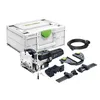
Festool Domino Joiner DF 500 Q
The tool the patent actually protects — still the reference standard for hand-held loose-tenon joinery.
- Best for: professionals and serious hobbyists who need factory-level joinery speed and accuracy
- Why we picked it: it’s the original patented design this entire article is about
- Main drawback: $1,359 price tag, no expiration-driven discount yet
Compare more joinery options
 Budget Loose-Tenon Kreg MortiseMate Loose Tenon Jig
|
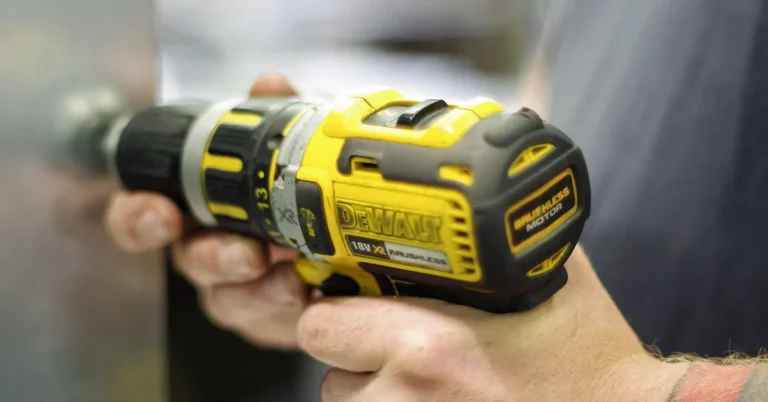
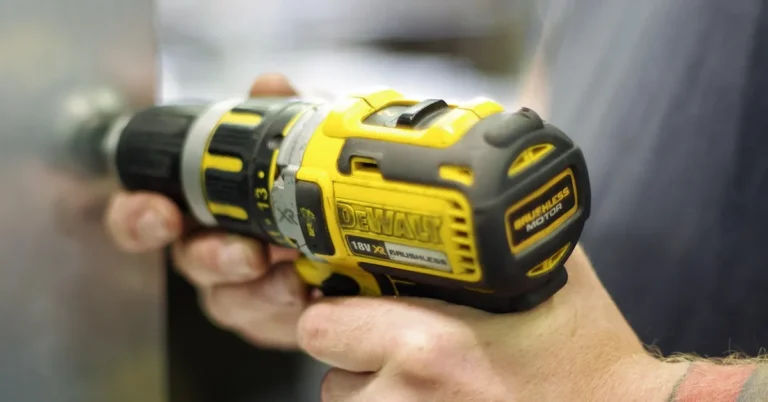
 Biscuit Alternative DEWALT 20V MAX XR Biscuit Joiner
|
 Lowest Cost Milescraft 1333 DowelJig Kit
|
As an Amazon Associate we earn from qualifying purchases.
How Festool’s Patent Protected the Domino for Two Decades
Festool filed the core European patent on the Domino’s mortising mechanism, EP1757415B1, in 2005. A standard European utility patent runs 20 years from filing, which put the natural expiration of that core patent around June 2026. For nearly twenty years, that protection meant no other manufacturer could legally sell a direct hand-held copy of the Domino’s plunge-and-register mortising system — which is the real reason woodworkers paid Festool’s premium price with no true one-to-one alternative on the market.
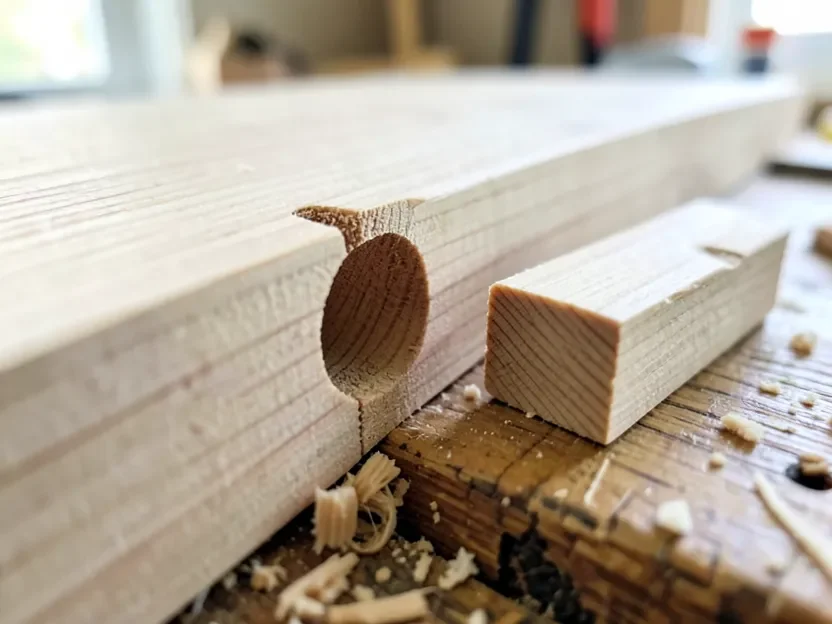
Festool also filed several follow-on patents covering specific mechanisms added after the original 2005 filing — the locking cam, the fence system, and the DF 500’s plunge design among them. Those individual claims run into 2027-2029, separate from the core patent. That’s why the expiration of EP1757415B1 didn’t immediately open the door to an exact clone of every current Domino feature; a competitor can design around the core mechanism once it lapses, but matching every later-patented detail takes longer.
The Confirmed Timeline and the First Real Competitor
As of this update, the core Domino patent has already lapsed, and the first real competitor is out: Kreg announced the Edge, a cordless loose-tenon joiner, on May 19, 2026. It’s priced at $449 for the bare tool or $499 with a battery and charger — roughly a third of the Domino DF 500’s $1,359 — and runs on the same 20V Blue Ion battery platform as Kreg’s other cordless tools, so anyone already invested in that ecosystem can add it without buying a new battery system. Kreg has said the Edge ships in October 2026.
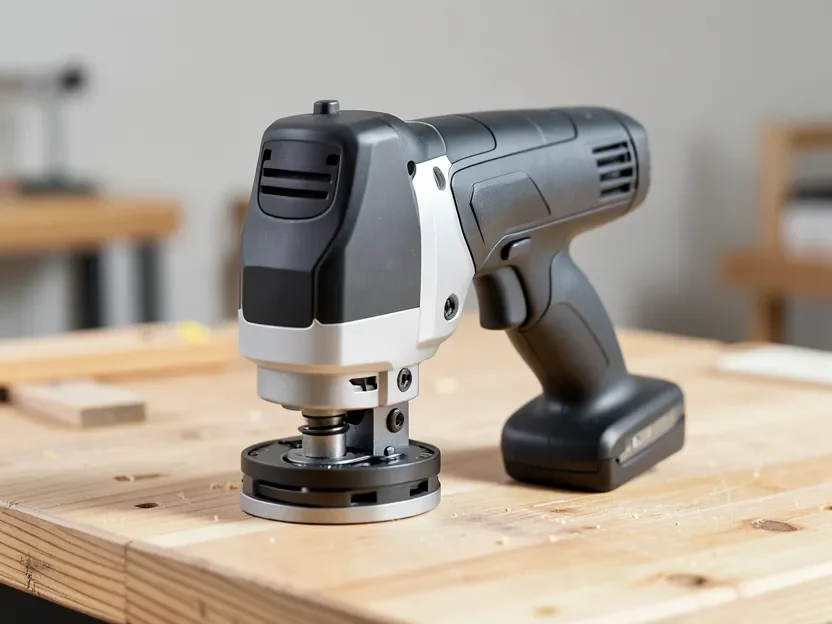
One detail that matters for current Domino owners: reporting on the Edge indicates its cutters are cross-compatible with the Festool Domino, so an existing Domino owner can buy Kreg’s tenons and cutters and use them in their current tool rather than needing to replace it outright. That’s a meaningfully different launch strategy than a straight clone — it treats the now-open mortising method as a shared standard rather than trying to copy Festool’s exact tool.
Quick summary: EP1757415B1, filed 2005, 20-year term, expired around June 2026. Follow-on patents on specific Domino mechanisms run into 2027-2029. The Kreg Edge ($449, cordless) is the first mainstream competitor, announced May 2026 and shipping October 2026.
None of this makes the original Domino obsolete — it’s still the more established, faster tool for high-volume professional use, and the DF 500 and DF 700 remain the reference standard many shops are built around. What’s changed is that, for the first time in nearly twenty years, buyers now have a real lower-cost option to weigh against it instead of just Festool’s own lineup.
Frequently Asked Questions Of When Does Festool Domino Patent Expire
Is There An Alternative To The Festool Domino?
Yes — the newest and closest direct competitor is the Kreg Edge 20V Ionic Drive Loose Tenon Joiner, which starts at $449 for the bare tool ($499 with battery and charger), roughly a third of the Festool Domino DF 500’s $1,359 price. Beyond that, dowel jigs, mortise-and-tenon router jigs, and biscuit joiners all achieve similar joints with different speed and accuracy trade-offs. Note: Woodpeckers doesn’t make a competing Domino-style joiner — its MortiseMatch product is actually an accessory table designed to mount and work with your existing Festool Domino, not a standalone alternative to it.
Is Festool Domino Worth The Money?
Yes, the Festool Domino is worth the money due to its precision, versatility, and time-saving capabilities. With its unique joinery system, it ensures accurate and strong connections in woodworking projects. Its efficiency and durability make it a valuable investment for both professionals and hobbyists alike.
When Did The Festool Domino Come Out?
The Festool Domino DF 500 launched in Festool’s home market of Germany around 2006, following the 2005 patent filing, and reached the US market in 2007. The larger DF 700 followed a few years later for bigger mortises.
What Can I Do With A Festool Domino?
The Festool Domino is a versatile tool that enables precise and efficient joinery work. With its unique design and features, you can easily create strong and accurate mortise and tenon joints for furniture, cabinets, and other woodworking projects. It saves time and ensures professional-quality results.
Conclusion
Festool’s core Domino patent (EP1757415B1) is set to expire around June 2026, but several follow-on patents on specific mechanisms extend into 2027-2029 — so a full-featured clone isn’t likely the moment the headline patent lapses. The Kreg Edge already shows the market moving toward cordless loose-tenon alternatives at a fraction of the Domino’s price, ahead of any full patent expiration.
Sponsored / affiliate links. As an Amazon Associate I earn from qualifying purchases. I may earn additional commission from eligible campaigns.