Where are Ash Tree Found: Discover Their Natural Habitats
Are you curious about where ash trees are found? You’re not alone!
These majestic trees are not only beautiful but hold a special place in ecosystems around the world. Whether you’re an avid gardener, a nature enthusiast, or just someone who appreciates the beauty of trees, discovering the habitats of ash trees can offer you a deeper connection to the natural world.
Imagine walking through a lush forest or visiting a serene park, knowing exactly where these wonders thrive. This knowledge can enhance your outdoor experiences and might even inspire your next adventure. Stay with us as we uncover the secrets of ash tree locations that you might not have expected.
Ash Tree Species
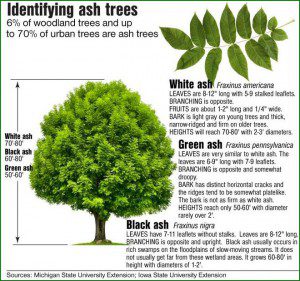
Ash trees are found in many places. Some common varieties include the White Ash, the Green Ash, and the Black Ash. These trees grow in different regions. The White Ash is often seen in eastern forests. The Green Ash is common in the Midwest. Black Ash usually grows in wet areas.
Each ash tree has unique features. The White Ash has smooth bark and long leaves. Green Ash trees are very hardy and can survive in tough conditions. Black Ash has a special bark that feels spongy and is often used for crafts.
Credit: www.natureconservancy.ca
Geographic Distribution
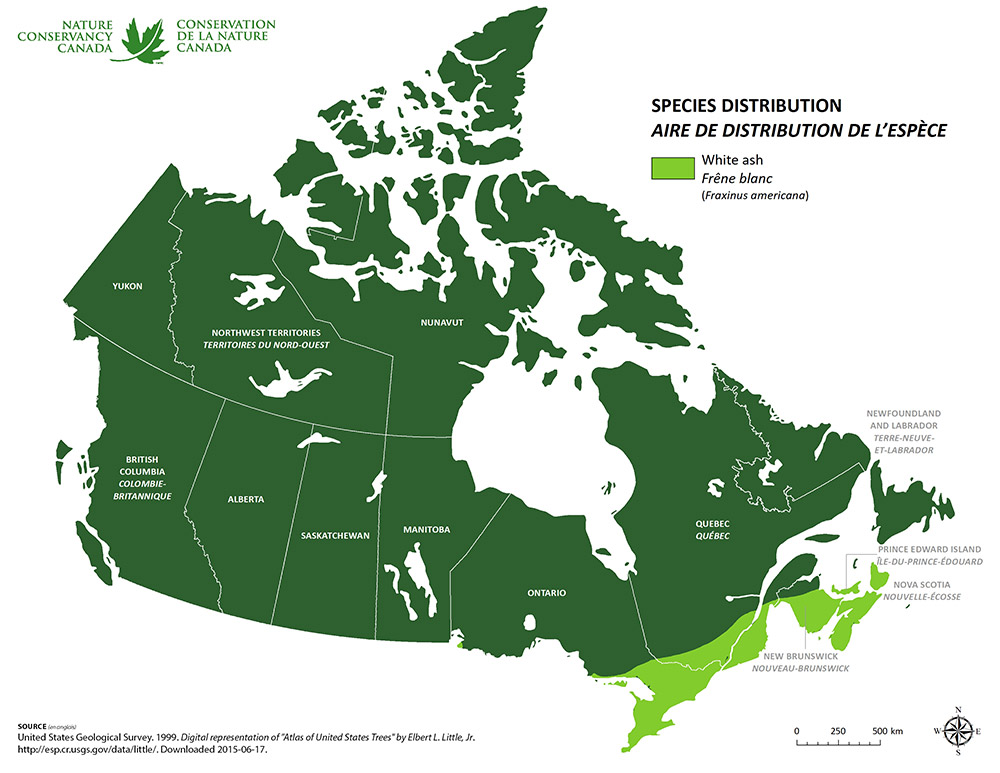
Ash trees are found in many parts of North America. You will see them in the forests of the United States. They are common in Canada too. The eastern regions have many ash trees. They grow well in warm climates. You can find them in parks and gardens. They provide shade and beauty. Ash trees are important to wildlife. Birds and insects love them. These trees are strong and tall. They can live for many years.
Ash trees grow widely in Europe. Countries like England and France have many of them. They thrive in cooler climates. You can spot them in city parks and countryside. Ash trees are loved for their beauty. They change colors in autumn. People enjoy their shade in summer. They are a part of many forests. European ash trees are part of culture and history. They are important to the ecosystem.
Asia is home to several ash tree species. You will find them in countries like China and Japan. They grow in mountain areas and valleys. Ash trees survive in different climates. They are used for wood and decoration. People value them for their strength. Ash trees are seen in gardens and parks. They are important to nature and people. Birds and animals use them for shelter.
Climate Preferences
Ash trees prefer moderate temperatures. They grow best in areas with cool summers and mild winters. Extreme heat or cold can be harmful. These trees thrive when temperatures are not too extreme.
Rainfall is crucial for ash trees. They need consistent rain to stay healthy. Too much rain can cause problems. Humidity levels also matter. High humidity helps them grow well. But very dry air can hurt them. Ash trees like balanced moisture in their environment.
Soil Conditions
Ash trees grow best in loamy and well-drained soils. These soils hold enough moisture but also drain well. This balance is key for ash tree health. Sandy soils can work if they have enough nutrients. Clay soils might be too dense, which can harm the roots.
Ash trees need rich nutrients to thrive. They love soils rich in nitrogen and phosphorus. These nutrients help the tree grow strong and tall. Potassium is also important for their health. Regular soil tests can check if these nutrients are present. If not, fertilizers can help.
Forest And Woodland Habitats
Ash trees grow well in mixed forests. These forests have different trees. Ash trees like the company of oaks and maples. They share the space and sunlight. Animals like birds and squirrels live here too. These forests are full of life and sounds. Ash trees help make these forests beautiful.
Deciduous woodlands are special homes for ash trees. These trees lose leaves in fall. In spring, they grow new leaves again. Ash trees love this kind of place. Here, they find rich soil and enough water. Many plants and animals share this home. Ash trees are an important part of these woodlands.

Credit: farmtario.com
Urban Presence
Ash trees are common in many city landscapes. They grow along streets and in parks. These trees provide much-needed shade. Their leaves are thick and lush. People enjoy their beauty and coolness. Ash trees also help clean the air. They are strong and can withstand city pollution. This makes them perfect for urban areas. Many cities plant ash trees to beautify streets. They also improve air quality.
In suburban areas, ash trees are often found in backyards. They make homes look nicer and feel cooler. Families love having them for shade. Ash trees can grow tall and wide. This provides a big area for play and rest. Their branches are perfect for hanging swings. Neighbors often admire the tall ash trees. They add beauty to the neighborhood. Their presence enhances the suburban landscape.
Conservation Challenges
Ash trees face many threats today. The Emerald Ash Borer is a big problem. This beetle eats ash trees from the inside. Many ash trees die because of it. Another threat is diseases. Some diseases make ash trees weak. This makes them easy targets for pests. Also, climate change affects them. Changes in weather can harm these trees. Pollution also makes it hard for them to grow well.
People are trying to save ash trees. They use traps to catch the Emerald Ash Borer. Scientists are also studying these beetles. They want to find new ways to stop them. Planting more ash trees is another step. This helps replace lost trees. Some groups teach others about ash trees. Knowledge is key to saving them. Together, we can help protect these trees.

Credit: www.amestrib.com
Frequently Asked Questions
Where Are Ash Trees Found In The Us?
Ash trees are commonly found across the eastern and central United States. They thrive in forests, urban areas, and wetlands. Popular species include the green ash, white ash, and black ash. They are adaptable to various soil types and climates, making them widespread throughout these regions.
Where In The World Do Ash Trees Grow?
Ash trees grow in North America, Europe, and Asia. They thrive in temperate regions with moist soil. Common species include the White Ash in the United States and the European Ash across Europe. These trees are often found in forests, parks, and urban landscapes.
Where Is Ash Found In Nature?
Ash is commonly found after wildfires and volcanic eruptions. It is also present in soil and plant debris. Ashes are remnants of combustion processes, often found in nature’s cycle. They enrich the soil, benefiting plant growth and ecological balance.
Are Ash Trees Good For Anything?
Ash trees provide valuable hardwood for furniture and sports equipment. They offer shade and improve air quality. Their foliage supports wildlife by providing habitat and food. Ash trees also enhance landscape aesthetics and contribute to biodiversity.
Conclusion
Ash trees thrive in diverse regions across the globe. From North America to Europe, they add beauty to landscapes. These trees adapt well to different climates and soils. Urban areas often host them for shade and decoration. Forests benefit from their presence, supporting wildlife.
They play a crucial role in ecosystems. Sadly, threats like diseases and pests endanger them. Conservation efforts are vital to protect ash trees. Understanding their habitats helps in preserving these majestic trees. Embrace the beauty and importance of ash trees.
They are an integral part of nature’s tapestry.