What Wood Goes Well With Ash? Oak, Walnut & Maple Compared
Oak, walnut, maple, and cherry pair best with ash — not just for color contrast, but because their wood-movement rates are close enough to keep glue joints intact. Ash shrinks 7.8% tangentially from green to oven-dry (Janka hardness: 1,320 lbf); pairing it with a high-movement wood like red oak (8.6%) without extra joinery allowance can crack tabletops and case pieces. This guide covers hardness-and-shrinkage matching, color/grain pairings, and the finish that works across mixed-species ash furniture.
Insert your Affiliate Disclosure reusable block here.
Characteristics Of Ash Wood
Best Ash Furniture Finish Pick
Watco Danish Oil Wood Finish, Pint, Natural – $14.98
A penetrating oil-and-varnish blend that soaks into ash’s open grain rather than filming over it — keeps the color contrast between ash and a darker partner wood, like walnut or oak, looking natural instead of glossy.
- Best for: bare or sanded ash and mixed-species furniture pieces
- Why we picked it: penetrating oil preserves the natural color contrast this guide’s pairing table is built around
- Main drawback: not rated for floors or high-abrasion surfaces
Compare more ash-furniture finish options
 Option 1 Watco Danish Oil, Quart – $20.53
|
 Option 2 Furniture Clinic Danish Oil – $14.95
|
 Option 3 Walrus Oil Furniture Oil, 8oz – $14.99
|
As an Amazon Associate we earn from qualifying purchases.
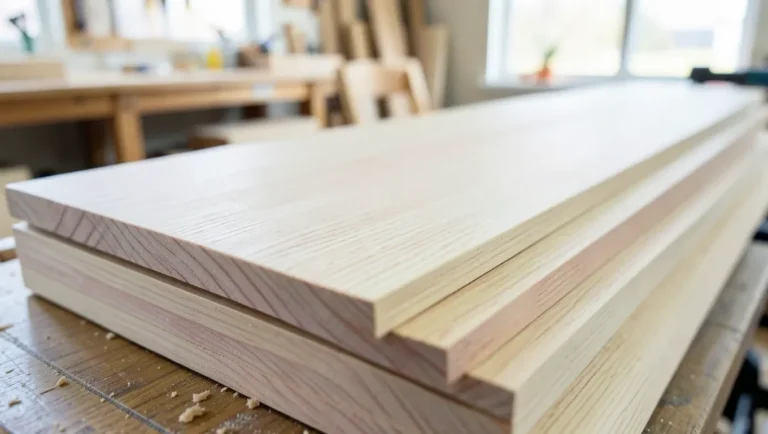
Ash is a true hardwood — creamy white to pale brown, with a straight, open grain that takes stain and finish evenly. Its Janka hardness rating is 1,320 lbf, harder than red oak (1,220 lbf) and close to hard maple (1,450 lbf), which is why it’s long been the standard for baseball bats, tool handles, and hockey sticks — it absorbs shock without splitting. Ash is also used heavily in white ash timber flooring, furniture, and musical instruments — see this site’s full ash wood lumber buying guide for grades and sourcing — thanks to that combination of hardness, flexibility, and a fine, polishable texture. Work with it while properly seasoned to the right moisture content — green or under-dried ash will keep moving after the piece is built, undermining any species pairing.
Matching Wood To Ash By Hardness And Movement, Not Just Color
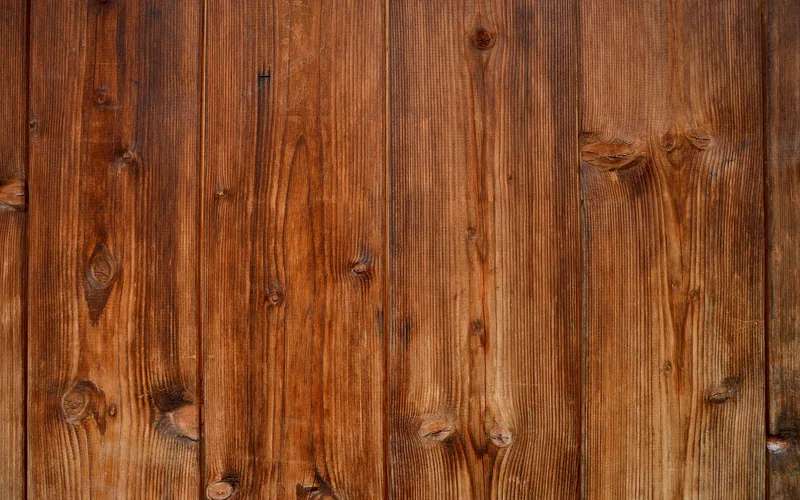
Color is the easy part — ash is pale and creamy, so light woods like maple or birch pair softly while dark woods like walnut create contrast. The part most pairing guides skip is wood movement: every species expands and contracts a different amount as humidity changes, and if two species with very different movement rates are rigidly glued together (a tabletop apron, a breadboard end, a drawer front against its case), the mismatch — not the glue — is usually what cracks the joint.
| Species | Janka Hardness | Tangential Shrinkage* | Movement Match With Ash |
|---|---|---|---|
| Ash (baseline) | 1,320 lbf | 7.8% | — |
| Black Walnut | 1,010 lbf | 7.8% | Closest match — identical tangential rate |
| Black Cherry | 950 lbf | 7.1% | Close match, slightly more stable |
| Red Oak | 1,220 lbf | 8.6% | Higher movement — allow extra joinery clearance |
| Hard Maple | 1,450 lbf | 9.9% | Highest movement — allow extra joinery clearance |
📊 Ash and black walnut both shrink 7.8% tangentially, which is the real reason this classic pairing holds up in tight glued joints over decades — not just because the colors contrast well. Source: The Wood Database, white ash species profile
Use the wood shrinkage calculator to check actual expected movement for your board width and local humidity swing before you commit to a rigid joint between two species. As a rule: walnut and cherry need no special allowance next to ash; oak and hard maple do, especially on wide panels or long aprons.
Choosing A Finish For Mixed-Species Ash Furniture
A penetrating oil finish, like Danish oil or tung oil, works well across ash and its common pairings because it soaks into open grain rather than sitting on top as a film — so color differences between species stay honest instead of being flattened by a thick topcoat. For a dramatic contrast (ash next to walnut or dark-stained oak), a natural or clear oil lets each wood’s own color do the work; for a more unified look, a matching stain applied before the oil can pull lighter species like ash or maple closer to a darker partner wood.
Popular Wood Pairings
Oak and ash are the most common furniture pairing — both hardwoods, with oak’s richer brown against ash’s lighter, creamy tone creating warm contrast in tables, chairs, and cabinetry. Walnut and ash is the higher-contrast option: walnut’s dark, dense grain against ash’s brightness reads as modern and is popular for cabinets and statement tables (remember the 8.6% vs 7.8% shrinkage gap with oak calls for a bit more joinery clearance than the near-identical walnut pairing).
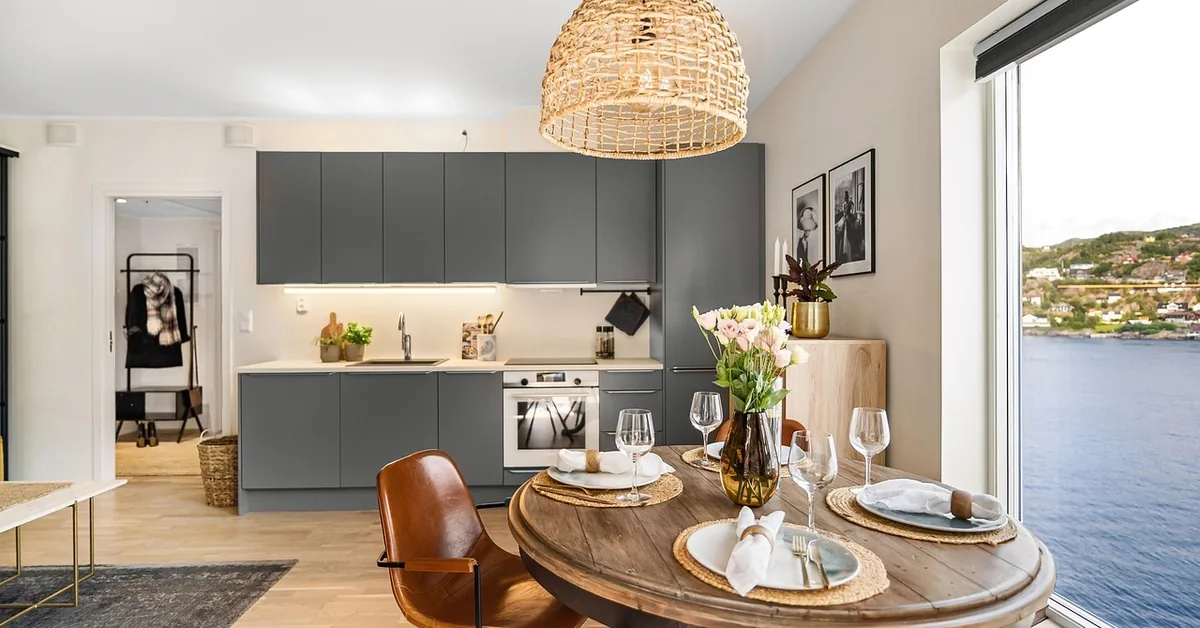
Maple and ash sit closest together on the color wheel — both light woods, though maple’s tighter, smoother texture reads slightly cooler next to ash’s more open grain. This pairing is common in kitchens and cabinetry where a uniform, bright look is the goal rather than contrast.
Creative Combinations
Texture contrast is a separate lever from color: smooth ash against a rougher-sawn or heavily figured oak, or a matte ash finish next to polished cherry, adds visual depth without changing the wood’s underlying movement behavior. For a bolder palette, deep species like mahogany, ebony, or dark-stained walnut make ash’s pale tone pop as an accent rather than the dominant wood — useful for inlays, drawer fronts, or a single feature panel. You can also stain ash darker to close the color gap entirely if a subtler pairing suits the room better.
Practical Applications
In furniture, ash is commonly paired with oak or walnut for chairs and tables, and with pine for a softer, more casual look. In flooring and millwork, ash mixed with walnut reads as warm and traditional, while ash next to cherry adds richness without going as dark as walnut. For walls or accent paneling, bright white ash pairs well against darker trim and flooring woods to keep a room from feeling flat.
Maintenance And Care
Keep ash furniture out of direct sunlight, which fades its light color faster than darker species; dust regularly and wipe spills immediately, since standing water can stain the open grain. Avoid harsh chemical cleaners — a soft cloth and, periodically, a fresh coat of penetrating oil is enough to keep the finish even across mixed-species pieces. Use coasters and furniture pads, and keep the piece in a stable indoor humidity range; large swings are exactly what drive the tangential movement covered above, and mismatched pairings are the joints that show it first.
“Wood shrinks most in the direction of the annual growth rings (tangentially), roughly half as much across the rings (radially), and only slightly along the grain — which is why flat-sawn boards move more than quarter-sawn boards cut from the same log.”
Frequently Asked Questions
What Wood Compliments Ash?
Oak and walnut complement ash most reliably, with walnut’s nearly identical 7.8% tangential shrinkage rate making it the safest structural pairing. Maple offers a lighter, more subtle contrast that enhances ash’s own grain rather than competing with it, and cherry adds warmth without walnut’s higher cost.
Do Oak And Ash Go Together?
Yes — oak and ash are a classic furniture pairing, with oak’s richer brown tone and stronger grain contrasting nicely against ash’s lighter color. The one caveat: oak’s tangential shrinkage (8.6%) runs higher than ash’s (7.8%), so wide panels or long glued joints benefit from a bit of extra clearance rather than a fully rigid glue-up.
Which Woods Compliment Each Other?
Beyond ash, walnut pairs well with maple and cherry for balanced contrast, oak complements mahogany for a rustic look, and pine matches cedar for a warm, cozy feel. In general, mixing a light species (birch, maple, ash) with a dark one (walnut, mahogany) creates the most visual depth.
What Wood Types Go Well Together?
Oak with walnut is a classic contrast pairing; cherry with maple gives a warmer, softer look; teak with mahogany reads as rich and formal; birch with pine feels light and airy. Beyond color, check that any two species glued into the same rigid joint have reasonably close tangential shrinkage rates.
Can You Mix Different Wood Species In One Piece Of Furniture?
Yes — mixing species is a standard design technique, but match tangential shrinkage rates (within a percentage point or two) at any glued joint that crosses grain direction, such as a tabletop apron or a breadboard end. Species with very different movement rates, like ash and hard maple, still work fine as veneer, inlay, or non-structural accents where wood movement isn’t constrained by a rigid joint.
Does Wood Movement Matter When Pairing Species?
Yes. Every species expands and contracts seasonally as humidity changes, measured as tangential shrinkage — the movement across the grain. When two rigidly joined species move at very different rates, that mismatch, not the glue, is usually what cracks the joint over time. Match hardness for wear resistance and match shrinkage rate for structural joints.
Conclusion
Oak, walnut, maple, and cherry all pair well with ash, but walnut is the safest structural choice since it shares ash’s 7.8% tangential shrinkage rate almost exactly. Oak and hard maple work too — they just need a bit more joinery allowance for their higher movement. Whichever pairing you choose, a penetrating oil finish keeps the natural color contrast intact instead of flattening it under a heavy topcoat, and a stable indoor humidity range protects any mixed-species joint from the cracking that mismatched movement causes.
Sponsored / affiliate links. As an Amazon Associate I earn from qualifying purchases. I may earn additional commission from eligible campaigns.