Where Are Japanese Maple Trees Originally From
Many gardeners wonder Where Are Japanese Maple Trees Originally From? It can be a little tricky to pinpoint their exact birthplace because they are loved and grown in so many places now. You might think they only grow in Japan, but their story is a bit wider than that.
Don’t worry if you’re not sure yet. We’ll break it down simply so you can easily learn their origins. Get ready to discover where these beautiful trees first appeared and how they became so popular worldwide.
Understanding Japanese Maple Tree Origins
The question of Where Are Japanese Maple Trees Originally From? often leads to a simple answer, but the story behind it is rich and spans continents. These stunning trees, scientifically known as Acer palmatum, are native to East Asia.
This region includes Japan, Korea, and parts of China and Mongolia. While they are called “Japanese” maples due to their significant historical cultivation and development in Japan, their natural habitat is broader than just that island nation.
The diversity and beauty of Japanese maples have been appreciated and cultivated in Japan for centuries. Japanese gardeners and horticulturists have played a crucial role in developing many of the cultivars we see today, carefully selecting and breeding trees for their unique leaf shapes, colors, and growth habits. This long history of cultivation in Japan has led to the common name and strong association with the country.
However, their wild ancestors and the species itself can be found growing naturally in other parts of East Asia. This natural distribution means they are adapted to a range of climates and soil types within this geographical area. Understanding this broader origin helps appreciate the tree’s resilience and adaptability, which is why it thrives in gardens around the world.
Natural Habitat and Distribution
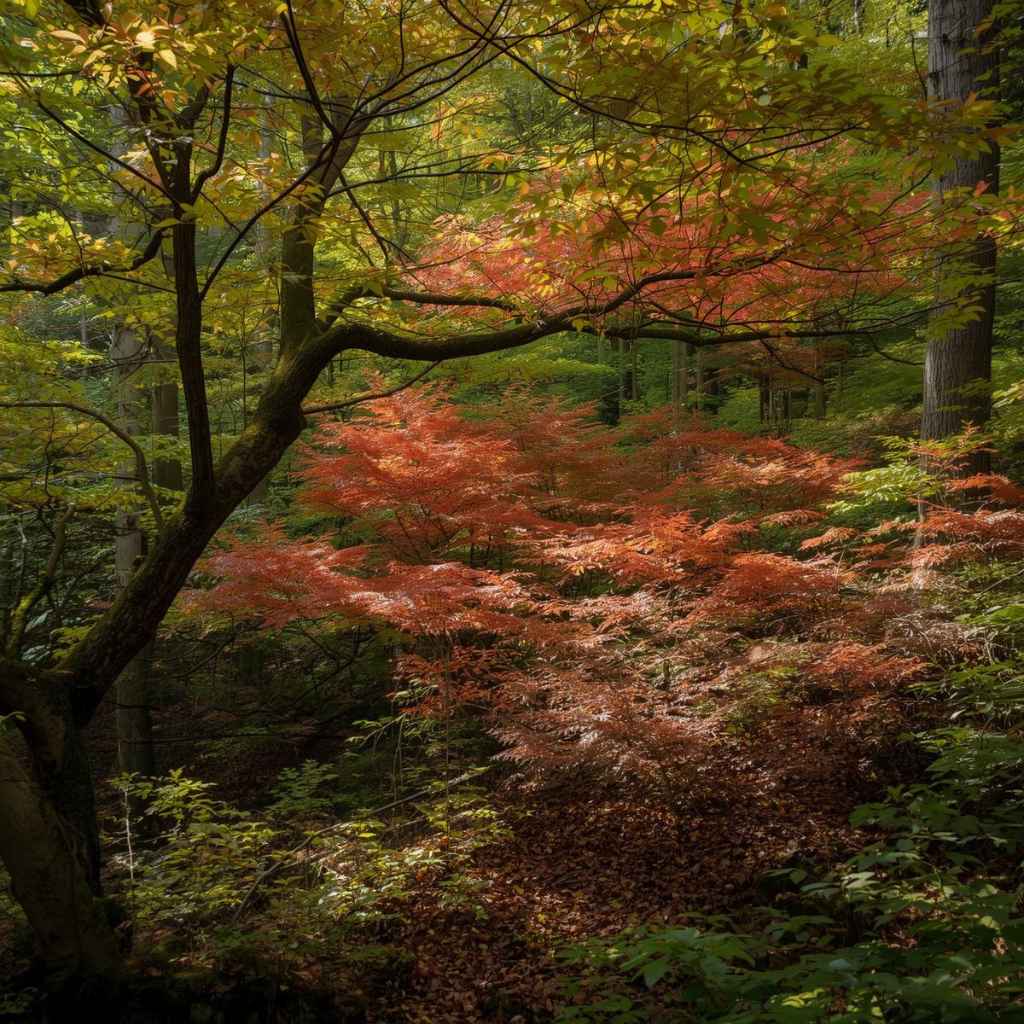
Japanese maples are naturally found in temperate forests across East Asia. Their native range includes countries like Japan, Korea, China, and Mongolia. In these regions, they typically grow in mountainous areas, often in shaded understories of larger forests or along stream banks.
This environment provides the dappled sunlight and moist, well-drained soil that they prefer.
The specific environmental conditions in their native habitats have shaped the tree’s characteristics. For instance, their tolerance for shade makes them excellent understory trees, protected from harsh, direct sun. They are also adapted to seasonal changes, experiencing cold winters and warm summers, which is why they perform well in many temperate climates globally.
The biodiversity within their natural range is impressive. Different populations of Acer palmatum may have slight variations in leaf form, color, or hardiness, depending on their specific location and microclimate. These natural variations are the foundation from which countless cultivated varieties have been developed over centuries.
Historical Cultivation in Japan
Japan holds a special place in the history of the Japanese maple. For over a thousand years, these trees have been cultivated and admired in Japan. Early Japanese gardeners recognized the unique beauty of the native Acer palmatum and began selecting trees with desirable traits.
This process of selection and cultivation led to the development of many distinctive cultivars.
The art of bonsai, which originated in East Asia, also heavily features Japanese maples. Their delicate branches, intricate branching patterns, and seasonal color changes make them ideal subjects for bonsai. This long-standing tradition in Japanese horticulture has deeply embedded the Japanese maple into the country’s aesthetic and cultural landscape.
Through careful observation and breeding, Japanese horticulturists have created hundreds of named varieties. These cultivars showcase an incredible range of leaf shapes, from deeply lobed to finely dissected, and a spectrum of colors including vibrant reds, oranges, yellows, and greens. This dedication to refining the tree’s ornamental qualities is why the name “Japanese maple” is so fitting.
Why the Name “Japanese Maple”
The common name “Japanese maple” is primarily due to the extensive and influential role Japan has played in the tree’s cultivation and popularization. While the tree is native to a wider East Asian region, it was in Japan that centuries of selective breeding and horticultural artistry transformed wild species into the diverse and cherished ornamental trees we know today.
Japanese gardeners were among the first to identify and propagate specific desirable traits, such as unique leaf colors, intricate leaf shapes, and graceful growth habits. This dedication led to the creation of hundreds of named cultivars, many of which were later introduced to the Western world. The deep cultural appreciation for nature and aesthetics in Japan also contributed to the maple’s prominence.
When these distinct cultivated varieties began to be shared globally, their strong association with Japan led to the adoption of the name “Japanese maple.” It’s a recognition of the historical and ongoing horticultural legacy of Japan in developing and refining this beloved tree species, Acer palmatum.
Exploring Acer Palmatum Varieties
The world of Japanese maples is incredibly diverse, with hundreds of named varieties (cultivars) that offer a stunning array of colors, textures, and sizes. These variations are a testament to centuries of horticultural development, primarily in Japan, but also with contributions from other regions and international breeders. Exploring these varieties can be a delightful journey for any gardener.
From weeping forms that create a cascade of color to upright trees with striking upright branches, there’s a Japanese maple to suit almost any garden style or space. Their appeal lies not only in their spring and summer foliage but also in their dramatic autumn displays and often striking winter bark. Each cultivar brings its own unique charm and character to the landscape.
Understanding the differences between these varieties is key to selecting the perfect tree for your garden. Factors like mature size, leaf shape, color intensity, sun tolerance, and hardiness zone can vary significantly. This section will help you discover some of the most popular and distinctive types, giving you a better appreciation for the vast genetic diversity within Acer palmatum.
Popular Cultivars and Their Traits
When discussing Japanese maples, it’s essential to highlight some of the most beloved cultivars. These trees have been developed for their unique aesthetic qualities, making them highly sought after by gardeners. Each has specific characteristics that make it stand out.
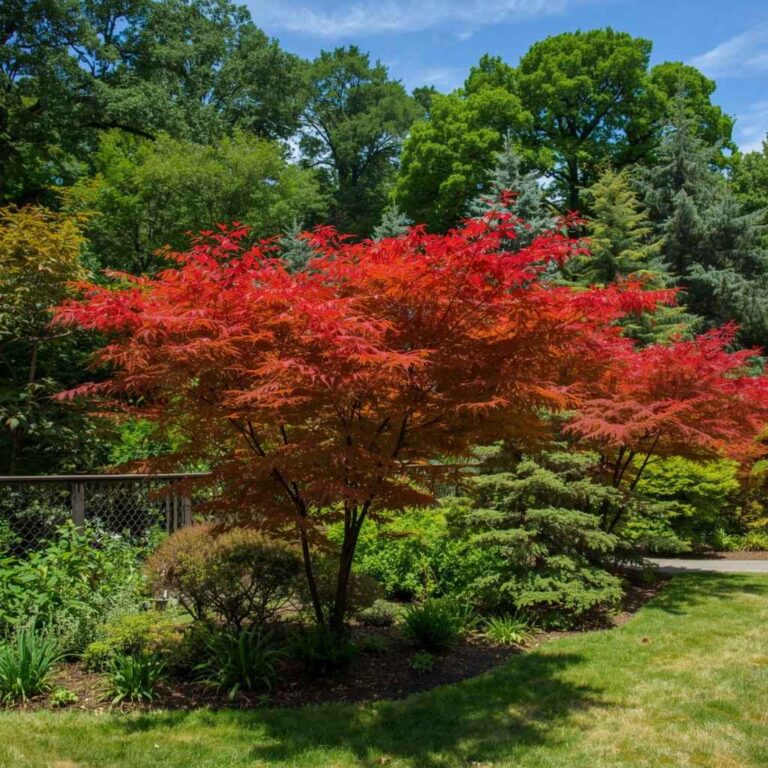
One of the most iconic is ‘Bloodgood’. It’s known for its deep, dark red leaves that hold their color throughout the summer. This upright tree typically reaches about 20 feet tall and wide, making it a substantial addition to a garden.
Its reliable color and strong form have made it a favorite for decades.
Another popular choice is ‘Crimson Queen’. This is a beautiful weeping variety, meaning its branches arch downwards, creating a graceful, cascading effect. Its finely dissected, lacy leaves are a vibrant red, intensifying in fall.
It often grows wider than it is tall, typically reaching around 6-10 feet in height and 8-12 feet in width.
For those seeking a different color, ‘Sango-kaku’ (Coral Bark Maple) is exceptional. Its most striking feature is its bright coral-red bark, which is particularly brilliant in winter when the leaves have fallen. The leaves are typically light green in spring and summer, turning a golden yellow with red edges in autumn.
It grows into a medium-sized tree, often reaching 15-25 feet in height.
Leaf Shape and Color Variations
The leaves of Japanese maples are a primary reason for their popularity, showcasing incredible diversity in both shape and color. These variations are what distinguish one cultivar from another and offer endless aesthetic possibilities for garden design.
Leaf shapes range from the typical palmate form with 5 to 9 lobes, to deeply dissected, lacy leaves that resemble fern fronds. For instance, varieties like ‘Dissectum’ or ‘Threadleaf’ cultivars have leaves that are so finely cut they appear to be made of delicate threads. This fine texture provides a soft, ethereal quality to the tree.
Color is another major distinguishing factor. While many people associate Japanese maples with vibrant reds, their color palette is much richer. You can find cultivars with leaves that emerge bright red, deepen to burgundy, or even turn crimson and remain so through the summer.
Others start as bright green, transform into stunning gold in autumn, or display striking variegated patterns of pink, white, and green throughout the growing season.
Some notable examples of color variation include:
- ‘Emperor I’: Features deep purple-red leaves that are excellent in full sun without scorching.
- ‘Orange Dream’: Known for its bright, apricot-orange new growth that matures to chartreuse green.
- ‘Shaina’: A dwarf variety with dense, star-shaped, deep red leaves, perfect for smaller spaces.
Size and Growth Habits
Japanese maples come in a surprising range of sizes and growth habits, from petite dwarf varieties perfect for containers to majestic large trees that can become focal points in a landscape. Understanding their mature size and how they grow is crucial for proper placement in your garden.
Dwarf varieties, such as ‘Baby Lace’ or ‘Northern Glow’, might only reach 4-6 feet in height and width, making them ideal for small gardens, rock gardens, or as accent plants in borders. These often have finely dissected leaves and a slow, bushy growth habit.
Medium-sized cultivars, like ‘Bloodgood’ or ‘Virtue’, can grow to be 15-25 feet tall and a similar width. These are excellent for providing shade or as specimen trees. Their upright growth pattern makes them visually impressive.
Weeping varieties, such as ‘Crimson Queen’ or ‘Tamukeyama’, often spread wider than they grow tall. They can create a beautiful, cascading effect, draping over walls or ponds. Their mature size can vary significantly, with some staying compact and others spreading to 10-15 feet or more.
The growth habit can also differ. Some trees have a vase-like shape, while others are more rounded or irregular. This variation influences how they integrate into different garden designs.
Caring for Your Japanese Maple
Once you have a Japanese maple, whether you’ve learned Where Are Japanese Maple Trees Originally From? or simply admire their beauty, proper care is key to keeping them healthy and vibrant. These trees are relatively low-maintenance once established, but they do have specific needs that, when met, allow them to thrive and showcase their stunning foliage.
The most critical factors for a happy Japanese maple are sunlight, soil, and water. Providing the right balance of these elements will prevent common problems and ensure your tree reaches its full potential. Understanding these basic needs will empower you to care for your tree with confidence.
This section will guide you through the essential care practices, from choosing the perfect location to dealing with occasional issues, ensuring your Japanese maple remains a beautiful addition to your garden for years to come.
Ideal Planting Conditions
Planting your Japanese maple in the right spot is the first and most important step to ensuring its health and longevity. Understanding their natural habitat gives us clues to what they need in our gardens.
Sunlight: Most Japanese maples prefer partial shade. This means they do well with morning sun and afternoon shade, especially in hotter climates. Too much intense, direct sun can scorch their delicate leaves, causing them to turn brown and crispy.
In cooler climates, some varieties can tolerate full sun, but it’s always wise to observe your tree and provide protection if needed.
Soil: Japanese maples thrive in well-drained, slightly acidic soil. They do not like to have their roots sit in soggy conditions, as this can lead to root rot. Amending heavy clay soil with organic matter like compost or peat moss can improve drainage.
A soil pH between 5.5 and 6.5 is ideal.
Location: Choose a spot that offers protection from strong winds, which can damage their branches and dry out their leaves. Planting near a building or in a sheltered corner of the garden can be beneficial. Ensure there is adequate space for the tree to grow to its mature size without being crowded by other plants or structures.
A study published in the Journal of Environmental Horticulture found that Acer palmatum cultivars showed reduced leaf scorch and improved overall vigor when planted with partial shade and in soil amended with organic matter, highlighting the importance of these conditions.
Watering and Mulching
Proper watering and mulching are fundamental to maintaining the health of your Japanese maple, especially during its establishment phase. These practices help conserve moisture, regulate soil temperature, and suppress weeds, all of which contribute to a thriving tree.
Watering: Newly planted Japanese maples require consistent moisture. Water deeply once or twice a week during the first growing season, allowing the soil to dry out slightly between waterings. You can check the soil moisture by inserting your finger a few inches deep; if it feels dry, it’s time to water.
Once established, they are more drought-tolerant but will benefit from watering during prolonged dry spells.
Mulching: Apply a 2-3 inch layer of organic mulch, such as shredded bark, compost, or wood chips, around the base of the tree. Keep the mulch a few inches away from the trunk to prevent rot and pest issues. Mulch helps retain soil moisture, keeps the soil cooler in summer and warmer in winter, and reduces weed growth that can compete for water and nutrients.
A common mistake is overwatering, which can be just as detrimental as underwatering. Observe your tree and soil conditions to adjust your watering schedule accordingly. The goal is consistently moist, not waterlogged, soil.
Pruning Techniques
Pruning is an essential part of Japanese maple care, allowing you to shape the tree, remove dead or damaged branches, and enhance its natural beauty. The key is to prune at the right time and with the right techniques.
Timing: The best time to prune most Japanese maples is during their dormant season, typically in late winter or early spring before new growth begins. This allows you to see the tree’s structure clearly and reduces the risk of sap bleeding. Light pruning for shaping can also be done in mid-summer after the initial flush of growth has hardened.
Techniques: Begin by removing any dead, diseased, or crossing branches. Then, assess the overall shape of the tree. Prune to maintain its natural form, whether it’s upright, weeping, or spreading.
Make clean cuts just outside the branch collar to encourage healing. Avoid pruning too heavily, as this can stress the tree.
For weeping varieties, prune to encourage an open, graceful cascade. For upright varieties, focus on developing a strong central leader or a pleasing multi-stemmed structure.
A study on horticultural practices highlighted that light annual pruning for shape and health is more beneficial for Japanese maples than drastic, infrequent pruning. This supports maintaining their delicate aesthetic.
Common Pests and Diseases
While generally healthy, Japanese maples can occasionally be affected by pests and diseases. Knowing what to look for and how to address these issues will help keep your tree in top condition.
Pests: Aphids are small, sap-sucking insects that can sometimes infest new growth, causing leaves to curl. They can usually be washed off with a strong spray of water or treated with insecticidal soap. Scale insects, which appear as small bumps on branches and leaves, can also be a problem.
Horticultural oil can be effective for controlling scale.
Diseases: Fungal diseases are more common, particularly in overly wet or poorly ventilated conditions. Powdery mildew, which appears as white, powdery spots on leaves, can occur in humid weather. Good air circulation and avoiding overhead watering can help prevent this.
Anthracnose is another fungal disease that can cause dark spots on leaves and twigs, often appearing after wet springs.
The most serious issue Japanese maples can face is verticillium wilt, a vascular disease that can cause wilting and dieback. This is often exacerbated by stress from poor soil conditions, drought, or overwatering. Unfortunately, there is no cure for verticillium wilt once a tree is infected; prevention through good care is the best strategy.
Regular inspection of your tree can help you catch problems early, making them easier to manage. Early detection is key to protecting your Japanese maple.
Why Japanese Maples Are Popular Worldwide
The global admiration for Japanese maples stems from a combination of their striking aesthetic appeal, their adaptability to various garden settings, and the rich cultural history associated with their cultivation. Even though we know Where Are Japanese Maple Trees Originally From? these trees have transcended their origins to become beloved garden specimens across diverse climates.
Their visual impact is undeniable. The intricate patterns of their leaves, the vibrant spectrum of colors they display throughout the seasons, and their graceful forms make them living works of art. Whether it’s the fiery reds of autumn, the delicate greens of spring, or the striking silhouette of a winter tree, they offer year-round interest.
Furthermore, the development of numerous cultivars has made them accessible to a wide range of gardeners. From compact dwarf varieties suitable for small urban gardens and containers to larger specimen trees that command attention, there’s a Japanese maple to fit almost any landscape design. Their ability to adapt to different growing conditions, with proper care, further cements their popularity.
Aesthetic Appeal and Garden Design
The unparalleled aesthetic appeal of Japanese maples makes them highly prized additions to gardens worldwide. Their delicate foliage, stunning seasonal color changes, and graceful architectural forms offer significant design potential for landscapers and home gardeners alike.
The diverse leaf shapes, ranging from deeply lobed to finely dissected, provide unique textural elements. The vibrant colors, especially their spectacular autumn displays of red, orange, and yellow, create focal points and add drama to any garden. Even in winter, the architecture of their bare branches, particularly the bright bark of cultivars like ‘Sango-kaku’, provides visual interest.
In garden design, Japanese maples are incredibly versatile. They can be used as:
- Specimen trees: Their natural beauty makes them ideal as standalone plants, drawing the eye and creating a sense of tranquility.
- Accent plants: Smaller varieties can be placed strategically to highlight specific areas or complement other plantings.
- Groundcover or shade plants: Weeping varieties can create a flowing, cascading effect, softening edges and providing shade.
- Elements in Japanese gardens: Their traditional association makes them a staple in creating authentic Japanese garden aesthetics.
Their ability to thrive in partial shade also makes them excellent companions for larger trees, adding color and texture to the understory. They can soften hardscaping elements like walls and pathways, creating a more natural and inviting atmosphere.
Adaptability and Cultivar Diversity
One of the key reasons for the widespread popularity of Japanese maples is their remarkable adaptability and the vast diversity of cultivars available. This means gardeners in many different climates can find a variety that suits their specific needs and aesthetic preferences.
While native to temperate regions, selective breeding has resulted in cultivars with varying degrees of hardiness and tolerance to different environmental conditions. This allows them to be grown successfully in a wide range of USDA hardiness zones, from cooler northern climates to warmer southern regions. However, it’s crucial to select cultivars appropriate for your local climate.
The extensive range of cultivars is astounding. For example, consider the difference in size and habit:
| Cultivar Name | Typical Mature Height | Typical Mature Width | Growth Habit | Leaf Color |
|---|---|---|---|---|
| ‘Bloodgood’ | 15-20 feet | 15-20 feet | Upright vase shape | Deep red |
| ‘Crimson Queen’ | 6-10 feet | 8-12 feet | Weeping cascade | Lacy red |
| ‘Sango-kaku’ | 15-25 feet | 10-15 feet | Upright, often multi-stemmed | Green to yellow with red accents, striking red bark |
| ‘Trompenburg’ | 10-15 feet | 10-15 feet | Upright, spreading habit | Deep burgundy-red, holds color well |
This diversity ensures that whether you have a large landscape or a small patio, you can find a Japanese maple that fits. This adaptability and variety have made them a staple in gardens across the globe.
Cultural Significance and Symbolism
Beyond their visual beauty, Japanese maples carry significant cultural weight and symbolism, particularly in East Asian cultures. Their presence in art, literature, and traditional garden design has cemented their esteemed status.
In Japan, the changing colors of maple leaves, known as “kōyō” or “momiji,” are a cause for national celebration. This phenomenon is deeply woven into the culture, inspiring poetry, art, and festivals. The act of “momijigari” (maple leaf viewing) is a beloved autumnal pastime, akin to cherry blossom viewing in spring.
Symbolically, Japanese maples are often associated with:
- Change and Transition: Their dramatic seasonal color shifts represent the natural cycles of life, growth, and transformation.
- Beauty and Grace: Their elegant forms and delicate leaves evoke a sense of refined beauty and natural artistry.
- Peace and Serenity: In garden settings, their calming presence contributes to an atmosphere of peace and contemplation.
The historical cultivation and appreciation in Japan mean they are more than just ornamental plants; they are living expressions of nature’s artistry and cultural heritage. This deep-seated significance contributes to their enduring appeal worldwide, as people are drawn to the beauty and meaning they embody.
Frequently Asked Questions
Question: Where Are Japanese Maple Trees Originally From?
Answer: Japanese maple trees are native to East Asia, including Japan, Korea, China, and Mongolia. They are often called “Japanese” maples due to their extensive cultivation and development in Japan.
Question: Are all Japanese maples red?
Answer: No, Japanese maples come in a wide variety of colors, including various shades of red, green, yellow, orange, and even variegated patterns. The leaf color can also change with the seasons.
Question: Can Japanese maples grow in full sun?
Answer: Most Japanese maples prefer partial shade, especially protection from intense afternoon sun, which can scorch their leaves. Some hardier varieties may tolerate full sun in cooler climates, but it’s best to observe your tree and provide shade if needed.
Question: How often should I water my Japanese maple?
Answer: Newly planted Japanese maples need consistent watering, usually once or twice a week. Established trees are more drought-tolerant but benefit from watering during dry periods. The soil should be kept moist but not waterlogged.
Question: What is the best time to prune a Japanese maple?
Answer: The ideal time to prune most Japanese maples is in late winter or early spring, during their dormant season, before new growth begins. Light shaping can also be done in mid-summer.
Conclusion
Japanese maple trees are native to East Asia, a region encompassing Japan, Korea, and parts of China. Their common name reflects Japan’s profound role in cultivating and developing the vast array of beautiful varieties known today. These trees offer stunning seasonal color, intricate leaf shapes, and elegant forms, making them highly sought after worldwide.
With proper care, including suitable planting conditions, appropriate watering, and timely pruning, you can ensure your Japanese maple thrives and brings lasting beauty to your garden.