Which Plants Do Not Like Wood Ash? Essential Guide
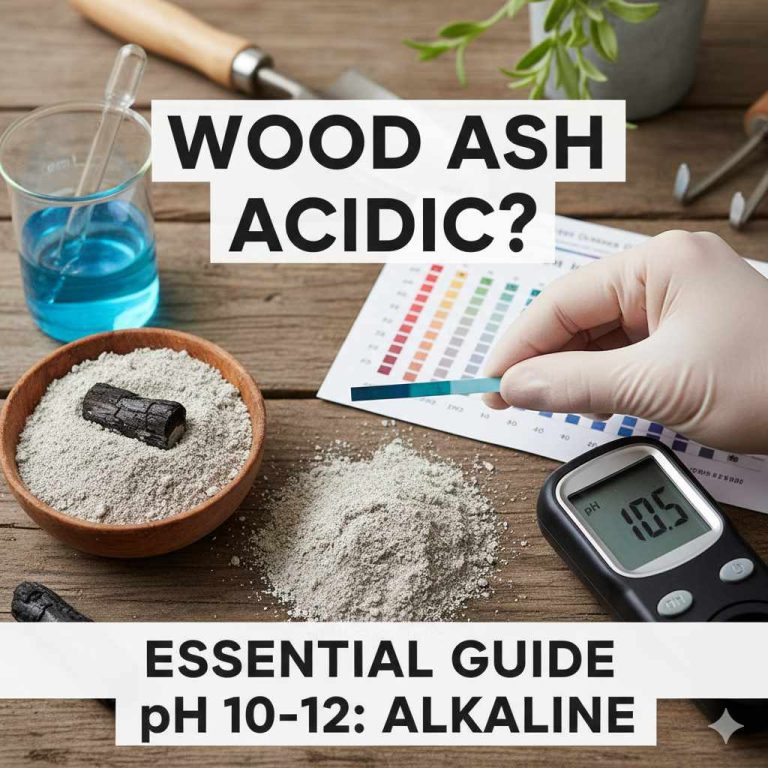
Are you an avid gardener looking to boost your plant’s growth? You might have considered using wood ash as a natural fertilizer.
It’s rich in potassium and can do wonders for your soil. But beware—not all plants thrive with wood ash. In fact, using it on the wrong plants can spell disaster for your garden. Curious to know which plants you should avoid when it comes to wood ash?
Keep reading to uncover the secret list that could save your garden from a big mistake. Trust us, your plants will thank you!
Acid-loving Plants
Blueberries love acidic soil. They prefer soil with a pH of 4.5 to 5.5. Wood ash makes soil less acidic. This is bad for blueberries. They may not grow well. Leaves might turn yellow. Fruits can be smaller.
Rhododendrons thrive in acidic environments. Wood ash raises soil pH. This harms rhododendrons. Leaves might become weak. Flowers might not bloom well. Rhododendrons need their soil acidic.
Azaleas need acidic conditions. They dislike soil with wood ash. This is because ash reduces soil acidity. Azaleas might suffer and not grow. Their flowers might be dull. Keep soil acidic for happy azaleas.
Plants Sensitive To Salt
Strawberries dislike salt. Wood ash has salt. So, it is bad for them. It harms their growth. Leaves may turn yellow. This affects fruit production. Strawberries prefer acidic soil. Wood ash makes soil more alkaline. This is not good for strawberries.
Beans are sensitive to salt too. Wood ash can damage their roots. Healthy roots are needed for strong plants. It changes soil chemistry. Beans grow best in neutral soil. Ash makes soil alkaline. This disrupts their growth cycle.
Peas do not like salty soil. Wood ash adds salt. This can hinder growth. Peas need balanced soil. Salt affects nutrient uptake. Leaves may curl. Growth slows down. Peas need a stable environment. Wood ash can upset this balance.
Low-potassium Tolerant Plants
Carrots don’t like wood ash. The ash has too much potassium. This makes the soil unfriendly for carrots. Carrots need balanced nutrients. Too much potassium can harm them. It affects their growth. It might even change their taste. Carrots grow best in neutral soil. Adding ash can make soil too alkaline. This is not good for carrots.
Potatoes also dislike wood ash. They need specific soil conditions. Ash changes the soil’s pH level. This can make soil too alkaline. Potatoes prefer slightly acidic soil. Wood ash can cause problems. It might make potatoes grow poorly. It can affect their skin quality. Potatoes need balanced nutrients for strong growth.
Delicate Flowering Plants
Camellias are lovely flowers. They bloom in spring and fall. These plants need acid soil. Wood ash makes soil less acidic. This is bad for camellias. The ash can hurt their growth. It can also harm their flowers. Camellias need gentle care. Protect them from wood ash.
Gardenias have sweet-smelling flowers. They need the right soil to grow. Acidic soil keeps them happy. Wood ash turns soil alkaline. This makes gardenias unhappy. Their leaves can turn yellow. Their flowers might not bloom well. Keep them safe from wood ash.
Plants In Alkaline Soil
Hydrangeas love acidic soil. Wood ash makes soil alkaline. This is bad for hydrangeas. It can change their flower color. Blue flowers may turn pink. Soil needs to stay acidic for blue flowers. Wood ash will upset their balance. Keep ash away from these plants. They will thank you with beautiful blooms.
Lilies prefer neutral or slightly acidic soil. Wood ash can harm them. It makes soil more alkaline. Lilies struggle in alkaline soil. They may not grow well. Flowers might be fewer. Leaves may turn yellow. Wood ash can affect their health. Protect lilies from wood ash for happy growth.
Common Misconceptions
Many believe wood ash is an all-purpose fertilizer. It is not suitable for every plant. Wood ash is alkaline. Some plants need acidic soil. Blueberries and azaleas dislike wood ash. Their roots will suffer. Wood ash can harm these plants.
Some think wood ash makes all soil better. This is not true. Soil with high pH does not need more alkali. Wood ash can make soil too alkaline. This harms plants that prefer neutral soil. Tomatoes and potatoes might not grow well. They need balanced soil conditions.
Alternative Soil Amendments
Compost is a great way to improve soil health. It adds nutrients and helps retain moisture. Compost is made from kitchen scraps and yard waste. It is easy to make at home. Plants love the natural boost compost gives. It is good for vegetables, flowers, and trees. Compost breaks down slowly. This means long-lasting benefits for your soil.
Peat moss is another helpful soil amendment. It is light and holds water well. This helps plants get enough moisture. Peat moss is good for acid-loving plants. It makes soil less compact. This helps roots grow better. Peat moss is often used in potting mixes. It is a popular choice for gardeners.
:max_bytes(150000):strip_icc()/GettyImages-1316014114-39f21c7673644783bf36ce543e830161.jpg)
Credit: www.treehugger.com
Frequently Asked Questions
What Plants Benefit Most From Wood Ash?
Wood ash enriches soil for plants like tomatoes, carrots, and roses. It boosts potassium levels, enhancing growth. Avoid using on acid-loving plants like blueberries and rhododendrons, as ash raises soil pH. Use sparingly for best results.
What Plants Should Not Have Ash?
Avoid using ash on acid-loving plants like blueberries, azaleas, and rhododendrons. Ash can raise soil pH, harming these plants.
Do Tomatoes Like Wood Ash?
Yes, tomatoes benefit from wood ash. It enriches soil with potassium and calcium, boosting plant growth. Apply sparingly to avoid altering soil pH too much. Wood ash can improve tomato health and yield when used correctly. Ensure balanced soil nutrients for optimal results.
Is Wood Ash Good For Hostas?
Wood ash can benefit hostas by providing potassium and calcium. Use it sparingly, as excessive amounts may raise soil pH too much. Apply lightly and monitor soil conditions to ensure hostas thrive without nutrient imbalances. Always mix ash well into the soil for best results.
Conclusion
Choosing the right fertilizer is essential for healthy plants. Not all plants thrive with wood ash. Acid-loving plants dislike its alkalinity. Rhododendrons, blueberries, and azaleas prefer acidic soil. Avoid wood ash for potatoes; it promotes scab disease. Be cautious with young seedlings.
Wood ash can harm sensitive roots. Remember, balance is key in gardening. Test soil pH before adding wood ash. Adjust accordingly for happy plants. Understand each plant’s needs. You’ll ensure a flourishing garden. Use natural fertilizers wisely. This leads to vibrant, healthy growth.
Happy gardening means knowing your plants well.