Ash Wood at Home Depot: What’s Actually In Stock (2026)
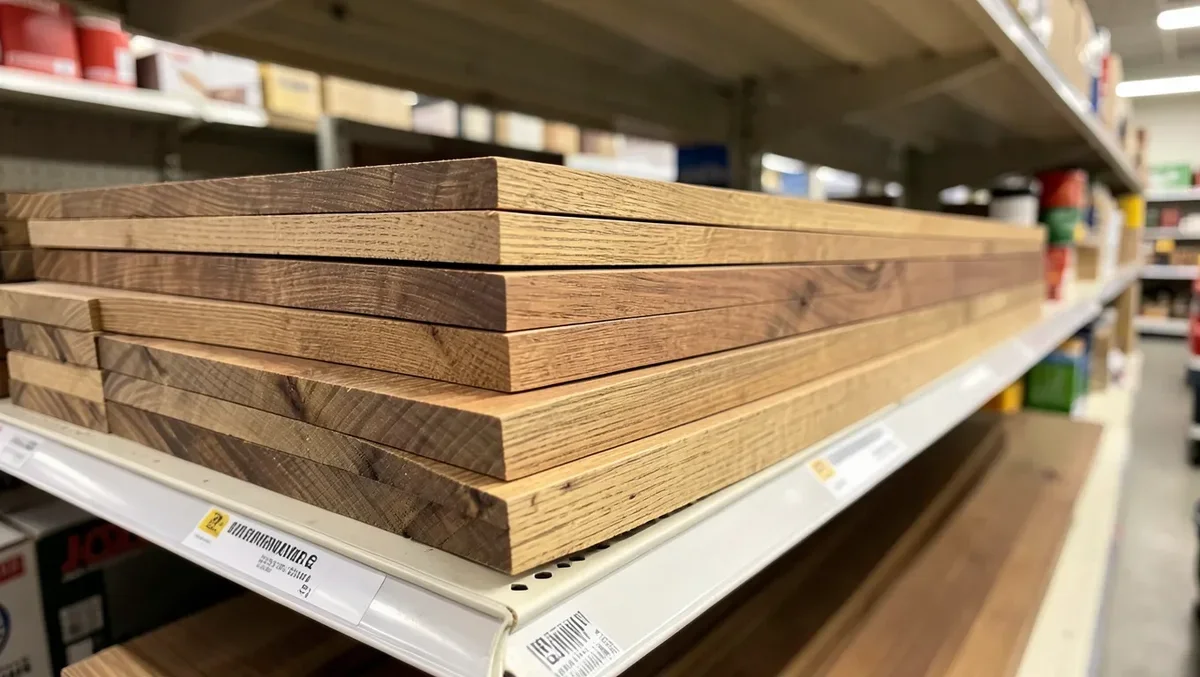
Home Depot’s website actually lists a dedicated “Ash – Hardwood Boards” category, with real dimensions and prices – so the old advice that “Home Depot doesn’t carry ash” isn’t quite right anymore. What’s true is that shelf stock varies a lot by store, so the boards you see online aren’t guaranteed to be sitting in your local aisle. This guide breaks down exactly what ash wood Home Depot sells, how to check what your store actually has, and where to buy real ash boards today if your store comes up empty.
Ash is a strong, shock-resistant hardwood used for everything from baseball bats to furniture legs, so it’s worth tracking down the real thing rather than settling for a look-alike. Below is what to search for online, what’s usually on the shelf versus special-order only, and a ready-to-ship alternative if you need boards this week.
Does Home Depot Sell Ash Wood? The Short Answer
Yes, with a catch. Homedepot.com has a live “Ash – Hardwood Boards” listing with pieces from 1/4″ x 2″ up to 1/2″ x 5″, in 2 ft, 4 ft, 6 ft, and 8 ft lengths, priced from roughly $24 for a single small board up to $299-$499 for larger or bulk-cut pieces. That’s real ash, sold by the board, not a composite or a paint color (don’t confuse it with “Ash Gray” boards and barn wood, which is a color name for a different product, not the wood species).
The catch is availability at your specific store. Home Depot’s hardwood board selection skews toward oak, poplar, and pine on the physical shelf, and ash is one of the thinner-stocked species – many stores carry little or none in person even when it shows up in the online catalog for ship-to-store or delivery. Always check “Nearby stores” on the product page before driving over, or just order it online.
Best Ash Board If Your Store Has None In Stock
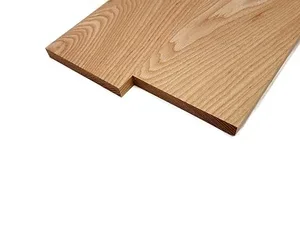 |
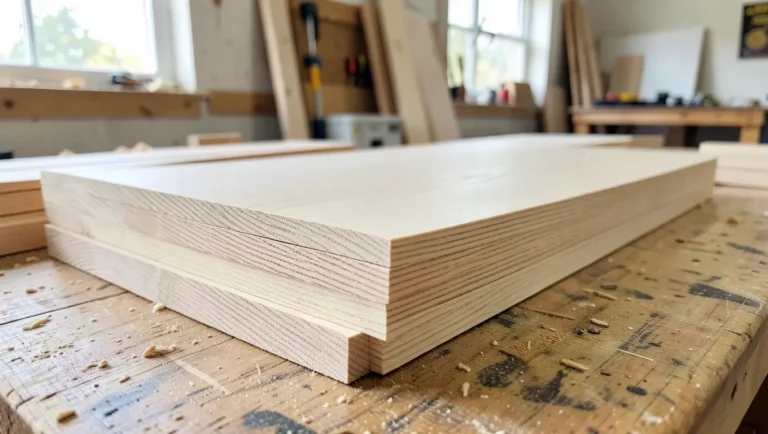
Barrington Hardwoods White Ash Lumber Board, 3/4″ x 6″ (2 pieces) – $28.95 Kiln-dried, two sides sanded to 3/4″ thickness – a fast way to get real ash boards shipped to your door if your local Home Depot has nothing on the shelf.
|
What Ash Wood Products Home Depot Actually Stocks
Beyond the online hardwood-board listing, Home Depot’s in-store ash inventory leans toward pre-made pieces rather than raw dimensional lumber. Here’s what to actually look for:
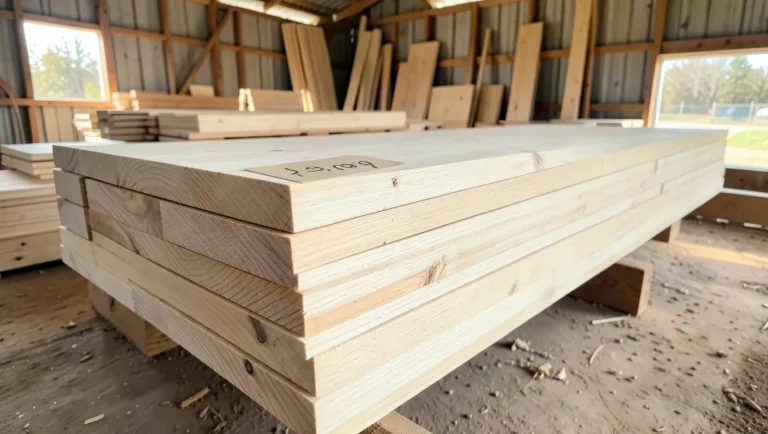
- Ash Hardwood Boards (online catalog): The dedicated “Ash – Hardwood Boards” section on homedepot.com, with pieces from 1/4″ to 1/2″ thick, 2″ to 5″ wide, in 2-8 ft lengths.
- Unfinished Furniture Components: Drawer fronts, cabinet sides, and tabletops made from ash occasionally show up in the moulding and millwork aisles.
- Wood Paneling and Shiplap: Check the wall-decor aisle for ash-labeled planking, used for accent walls.
- Dowel Rods and Pins: Small ash dowels turn up in the hardware aisle for joinery and repairs.
- Tool Handles: Replacement handles for hammers, axes, and sledges are frequently ash, prized for shock absorption.
Understanding Ash Wood: What Makes It Special
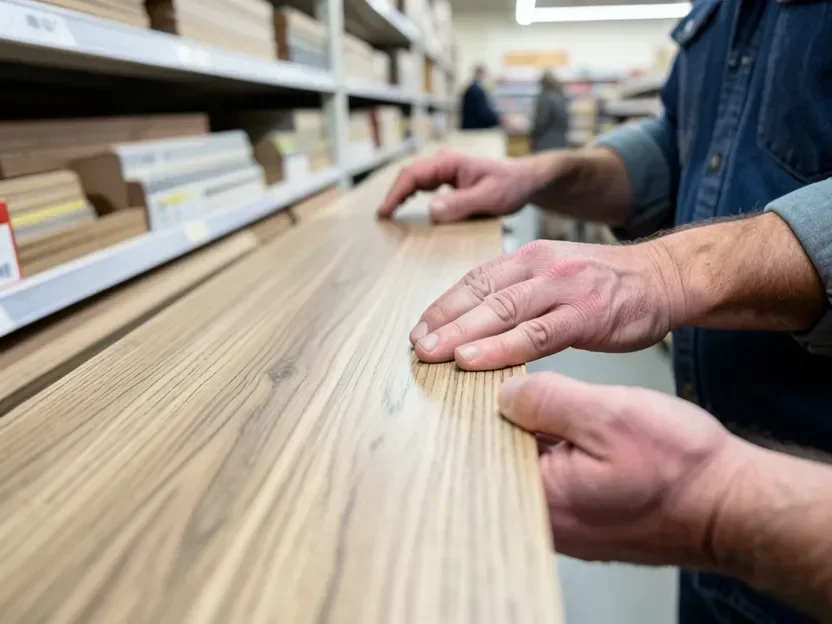
Ash comes from trees in the Fraxinus genus and has a Janka hardness around 1320 lbf, putting it right between red oak and hard maple. What sets it apart isn’t raw hardness though, it’s elasticity: ash flexes and absorbs shock instead of shattering, which is why it’s the standard wood for baseball bats, axe handles, and tennis racquets. The grain runs straight with a coarse, open texture and an occasional fleck pattern.
White Ash (Fraxinus americana) and Green Ash (Fraxinus pennsylvanica) are the two species you’ll run into most in North America. Home Depot’s listings and most pre-made components don’t usually specify which species you’re getting, but the working properties are close enough that it rarely matters for a home project.
How to Actually Find It at Your Local Store
Since shelf stock varies so much store to store, do the legwork online first instead of guessing.
Before You Drive Over
Search homedepot.com for “ash hardwood board” and click through to “Check Nearby Stores” on the listing – this shows real-time stock at locations near you, which is far more reliable than calling and asking a floor associate who may not know the species offhand. If your store shows zero in stock, you can usually still order online for home delivery or store pickup within a few days.
What to Check In-Store
- Hardwood Boards Section: Usually near the dimensional lumber, sorted by species tag – look for “Ash” specifically, not just “hardwood.”
- Moulding and Millwork Aisles: Check for unpainted drawer fronts and component pieces.
- Wall Panel/Decor Section: Read the labels on shiplap and plank packs to confirm the species.
- Hardware Aisles: Ash dowels and pins are usually bagged with other wood dowel stock.
Why Ash Is Worth Tracking Down
If you do find real ash, whether at Home Depot or shipped from a supplier like the pick above, here’s what makes it worth the extra effort compared to grabbing whatever hardwood is fully stocked.
Pros
- Shock resistance: Its elasticity makes it ideal for tool handles and anything that takes repeated impact.
- Strength-to-weight: Ash is strong without being as heavy as hard maple or hickory.
- Finish-friendly: It takes stain evenly and paints well once the open grain is filled.
- Workability: Machines, sands, and glues cleanly with standard shop tools.
Trade-offs
- Availability: As covered above, dimensional ash lumber is a special-order item at most big box stores, not a guaranteed shelf item.
- Emerald Ash Borer impact: This invasive beetle has killed tens of millions of ash trees across North America since the early 2000s. It doesn’t affect wood that’s already been harvested and dried, but it has tightened supply and pushed prices up at specialty yards. The U.S. Forest Service’s Emerald Ash Borer resource has more on the spread.
- Open grain: Needs a grain filler before a glass-smooth, high-gloss finish.
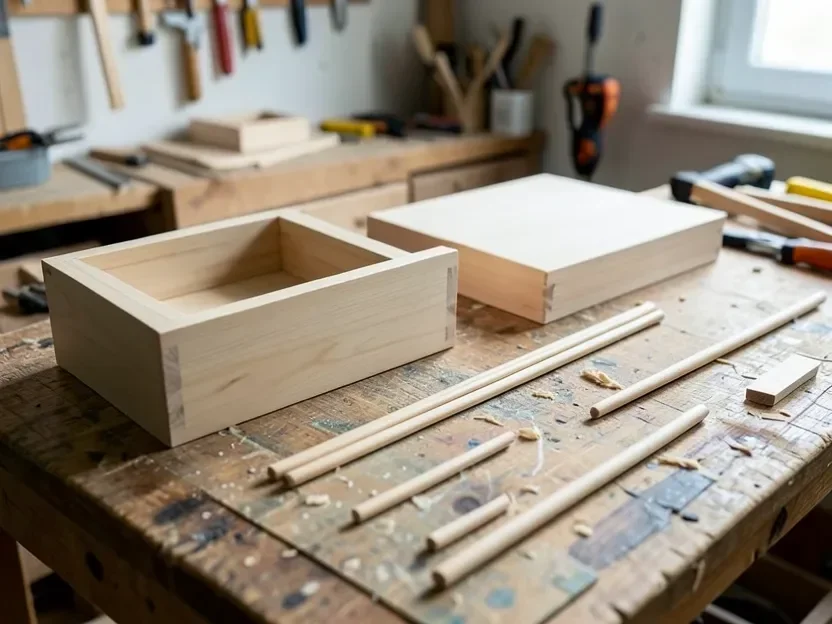
Ash vs. Other Hardwoods You’ll See at Home Depot
Here’s how ash stacks up against the hardwoods you’re more likely to find fully stocked in person.
| Wood Type | Janka Hardness | Grain Pattern | Typical Home Depot Shelf Stock | Best For |
|---|---|---|---|---|
| Ash | 1320 lbf | Straight, coarse, occasional flecks | Online catalog reliable; in-store spotty | Tool handles, furniture, sports gear |
| Red Oak | 1290 lbf | Prominent grain with visible rays | Usually stocked in-store | Flooring, cabinetry, trim |
| Hard Maple | 1450 lbf | Fine, uniform, sometimes figured | Limited, mostly plywood | Cutting boards, furniture, countertops |
| Pine | 380-870 lbf | Knotty, resinous | Always stocked, wide selection | Framing, paint-grade projects |
Janka ratings are approximate and vary somewhat by specific tree and growing conditions.
Working With Ash Wood: Prep and Finishing
Before You Cut
- Inspect for defects: Check every piece for cracks, splits, or knots that could weaken the final project.
- Pre-drill: Ash is hard enough that screws driven near an edge without a pilot hole will split it.
Sanding and Finishing
- Sand progressively: Work through 120, 180, then 220 grit. For a glass-smooth surface, apply a grain filler before your final pass.
- Stain or paint: Ash takes stain evenly and shows off the open grain; for a uniform painted look, use a wood conditioner or filler first.
- Always seal: Finish with polyurethane, varnish, or lacquer to protect against moisture and wear. The USDA Forest Products Laboratory’s Wood Handbook covers finishing properties for ash and other domestic hardwoods in detail.
Standard shop safety applies here too: eye and hearing protection, a dust mask when sanding or cutting, and clamped-down stock, per OSHA’s woodworking safety guidance.
If Your Home Depot Comes Up Empty
When the online catalog shows nothing near you and you need real dimensional ash now, three options work reliably:
- Order it shipped: The Barrington Hardwoods board above ships in a few days and comes pre-sanded on two faces.
- Specialty hardwood lumber yards: These carry a much deeper selection of domestic and exotic species, including graded ash boards, than any big box store. Search “hardwood lumber yard near me.”
- Woodworking guilds or shared shops: Local groups often know which suppliers in your area actually keep ash on hand.
For a deeper dive into ash grades, working properties, and how to judge quality before you buy, see our Ash Wood Lumber: Grades, Properties & Buying Guide. If you’re comparing other big-box retailers, we also cover what Menards carries. Once you have the boards in hand, our ash wood project ideas guide has beginner-friendly builds to put them to use.
Frequently Asked Questions
Does Home Depot sell real ash wood boards?
Yes. Homedepot.com lists a dedicated “Ash – Hardwood Boards” category with pieces from 1/4″ to 1/2″ thick and 2 ft to 8 ft long, priced from about $24 up to $299-$499 for larger cuts. Physical shelf stock varies by store, so check the online “Nearby stores” availability before making a trip.
What’s the difference between ash wood and oak wood?
Both are strong hardwoods in a similar hardness range. Ash has a straighter, more uniform grain and more elasticity, while oak has a more pronounced, often wavy grain with visible medullary rays. Oak is more reliably stocked in-store at Home Depot; ash is more often an online order.
Is ash wood more expensive than pine?
Yes. Ash is a hardwood and pine is a softwood, so ash costs more per board foot, generally reflecting its greater strength and durability.
Will Home Depot cut ash wood to size?
Home Depot’s in-store cutting service is generally limited to basic crosscuts on standard dimensional lumber like pine, fir, and sometimes oak. Ash boards ordered online typically arrive at the listed length, uncut.
Where can I buy ash wood if my local store has none?
Order it shipped from an online hardwood supplier (see our pick above), check a specialty hardwood lumber yard, or place a special order through Home Depot’s website for delivery or store pickup.
Bottom Line
Home Depot does sell real ash wood, both as hardwood boards through its online catalog and as pre-made components like drawer fronts, dowels, and tool handles in store. What it doesn’t offer is a guarantee that your local shelf has it in stock, so check availability online first and be ready to order it shipped if your store comes up short.
Once you’ve got real ash in hand, inspect it for defects, pre-drill before driving screws, and sand progressively through the grits before finishing. Handled that way, ash holds up to decades of use in furniture, tool handles, and anything else that needs to take a hit without cracking.
Sponsored / affiliate links. As an Amazon Associate I earn from qualifying purchases. I may earn additional commission from eligible campaigns.