Do Roses Like Wood Ash: Boost Your Blooming Garden
Roses can benefit from wood ash, but only in moderation and only if your soil is already on the acidic side. Wood ash is alkaline (it raises soil pH) and supplies potassium and calcium, both of which roses use for flowering and cell strength – but roses actually prefer slightly acidic soil, in the 6.0 to 6.5 range, so the honest answer is “test your soil first, then decide,” not “sprinkle freely.”
Why Wood Ash Can Help – Or Hurt – Roses
Best Soil pH Tester
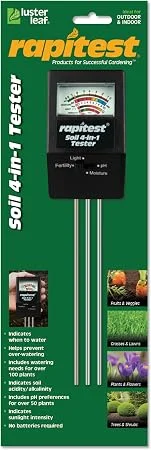 |
Luster Leaf 1818 Rapitest 4-in-1 Soil Tester – $14.45 Tells you your soil’s actual pH before you add wood ash, instead of guessing.
|
- Potassium: Wood ash is roughly 3-8% potash (potassium), which supports flower and root development.
- Calcium: Wood ash carries a meaningful calcium content, which strengthens cell walls and plant structure.
- No nitrogen: Unlike a balanced fertilizer, wood ash contributes essentially zero nitrogen, so it is not a substitute for a real rose fertilizer.
- Alkaline effect: Wood ash typically has a pH near 10-12 and will raise soil pH over repeated applications – a real problem if your soil is already neutral or alkaline, since roses grown outside their preferred 6.0-6.5 range struggle to take up iron and other nutrients even when those nutrients are present in the soil.
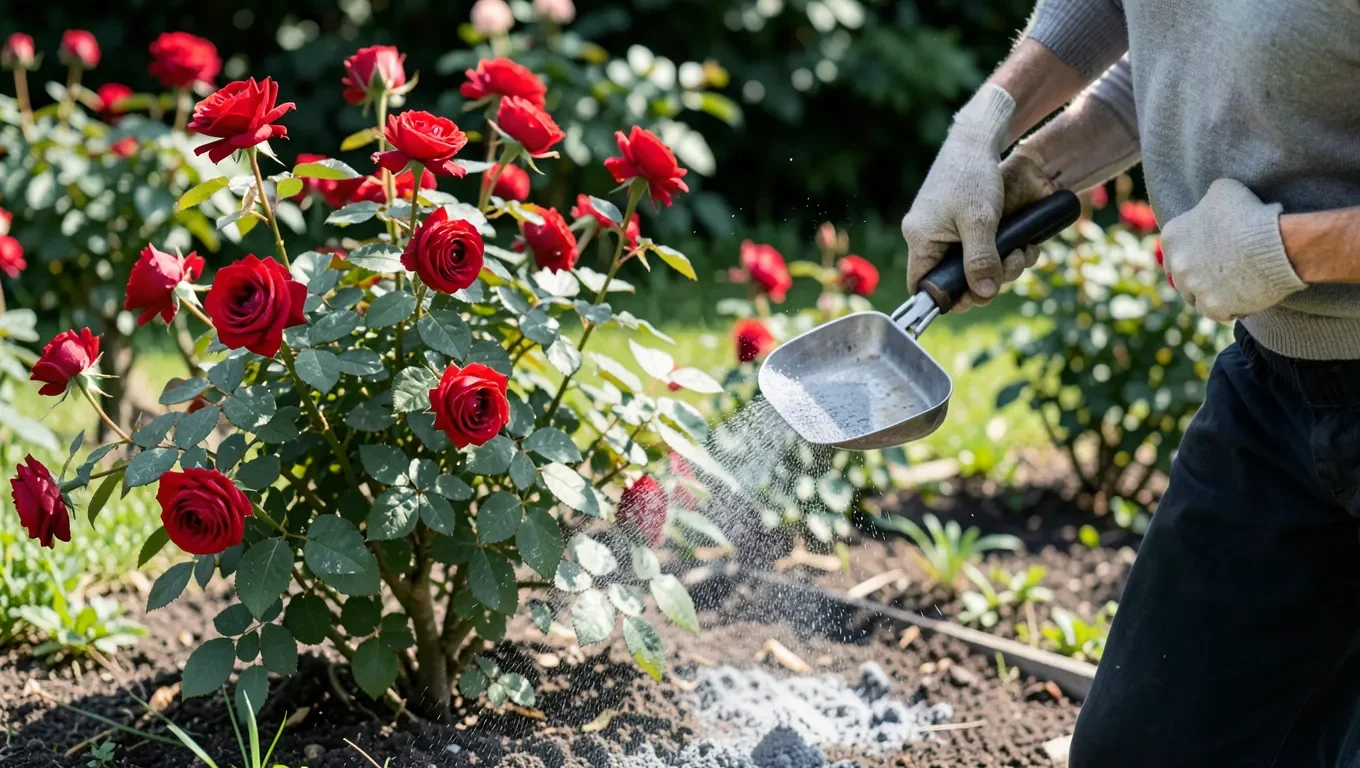
Test Your Soil Before You Add Any
Because wood ash pushes pH upward, the only responsible way to use it on roses is to know your starting point. A soil pH test kit gives you a real number in minutes rather than a guess – if your reading comes back above 6.5, skip the wood ash entirely and look at a nitrogen-focused rose fertilizer instead, since your soil doesn’t need more alkalinity. If it comes back below 6.0, a light application of wood ash is one of the few completely natural ways to nudge it upward while adding real nutrients at the same time.
How To Apply Wood Ash To Roses Safely
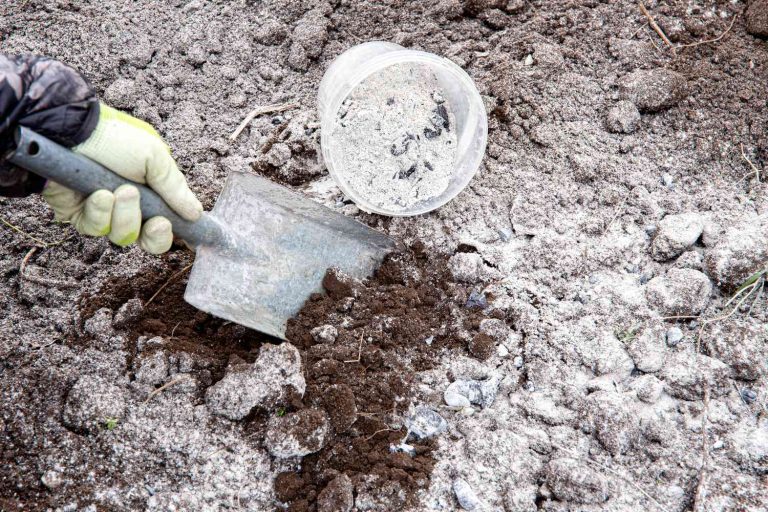
- Amount: No more than about 1 cup of wood ash per established rose bush, applied once a year at most – this is a trace-mineral supplement, not a fertilizer replacement.
- Placement: Sprinkle it in a ring around the drip line (not against the stem/canes) and scratch it lightly into the top inch of soil.
- Timing: Early spring, right as new growth starts, so the nutrients are available during the plant’s biggest growth push.
- Keep it dry until applied: Wet wood ash clumps and is harder to spread evenly, and rain right after application can wash the alkaline salts into concentrated pockets near the roots.
- Never apply to wet foliage: Wood ash on wet leaves can scorch them – always apply to dry leaves or straight to the soil.
When To Skip Wood Ash On Roses Entirely
Skip it if your soil test already reads 6.5 or higher, if you garden in naturally alkaline soil (common in arid Western states with limestone-heavy ground), or if you’re growing roses near acid-loving companion plants like azaleas or hydrangeas that would suffer from the pH drift. Wood ash also is not a substitute for a real nitrogen source – roses are heavy nitrogen feeders during bloom season, and wood ash provides essentially none.
Composting Wood Ash For A Gentler Option
If you’re unsure about your soil pH or want a gentler approach, mix wood ash into your compost pile instead of applying it directly. Composting buffers the alkalinity considerably by the time it reaches your roses, while still contributing the potassium and calcium. Use small amounts (a light dusting per compost layer) and mix thoroughly – a concentrated pocket of ash in compost can still create a hot, alkaline spot.
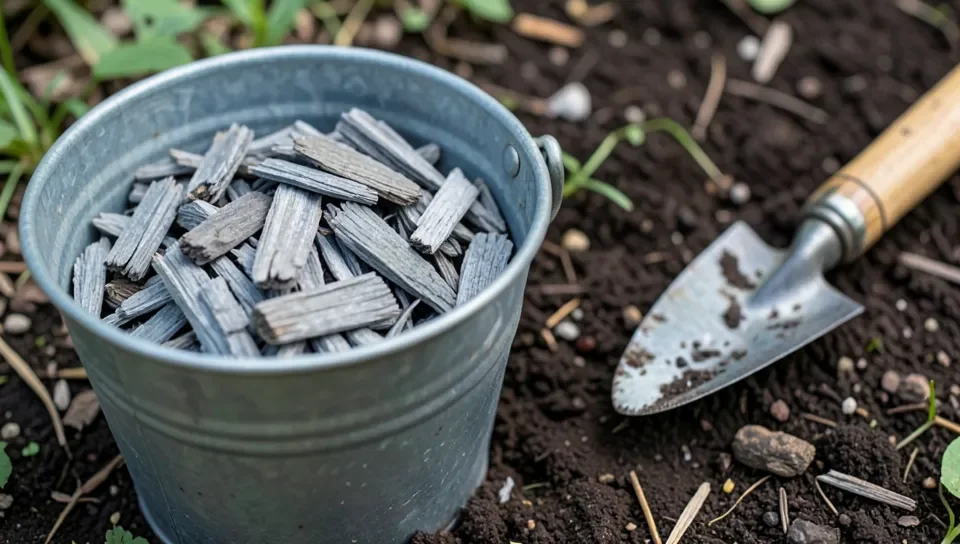
A Real Safety Note: Not All Wood Ash Is Safe
Only use ash from clean, untreated firewood. Ash from charcoal briquettes (which often contain additives), painted or stained wood, plywood, or pressure-treated lumber can carry chemical residues that have no place in a garden bed. Wear gloves when handling wood ash – it’s caustic enough to irritate skin, and the fine dust can irritate eyes and lungs if stirred up on a windy day.
Frequently Asked Questions
Is Wood Ash Good For Roses?
In moderation and only if your soil is already acidic (below pH 6.5), yes – wood ash supplies potassium and calcium that support flowering and strong cell walls. But because it’s alkaline, it can push neutral or alkaline soil further away from the 6.0-6.5 range roses actually prefer, so always test your soil first rather than applying it as a routine practice.
How Much Wood Ash Should I Use On Roses?
No more than about 1 cup per established rose bush, once a year. Sprinkle it around the drip line and scratch it lightly into the topsoil rather than piling it against the base of the plant.
What Plants Should Not Get Wood Ash?
Acid-loving plants like blueberries, azaleas, rhododendrons, and hydrangeas (when you want blue blooms) should not get wood ash, since it raises soil pH and pushes these plants away from the acidic conditions they need.
Can I Use Ash From Any Fire In My Garden?
No – only use ash from clean, untreated firewood. Charcoal briquette ash, and ash from painted, stained, or pressure-treated wood, can carry chemical residues that don’t belong in soil growing anything you’ll look at up close or eat nearby.
Conclusion
Wood ash isn’t a blanket “yes” or “no” for roses – it comes down to your own soil’s starting pH. Test it, and if you’re on the acidic side, a light yearly dose of wood ash gives your roses real potassium and calcium without the guesswork. If your soil already reads neutral to alkaline, skip the ash and put your effort into a nitrogen-rich rose fertilizer instead.
Sponsored / affiliate links. As an Amazon Associate I earn from qualifying purchases. I may earn additional commission from eligible campaigns.