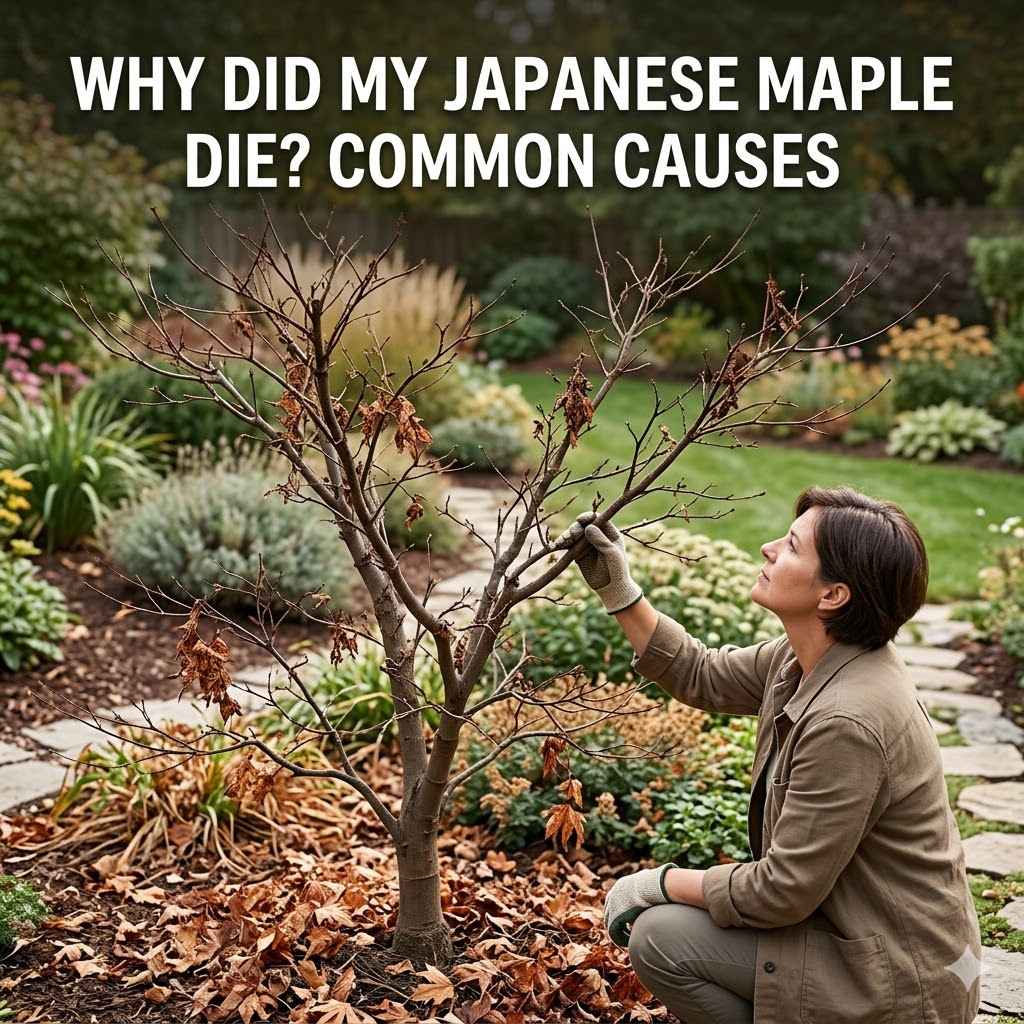
Why Did My Japanese Maple Die? Common Causes
It can be really upsetting when a beautiful Japanese maple suddenly looks unhealthy or dies. Many people wonder, Why Did My Japanese Maple Die? Common Causes are often a mystery to new gardeners.
Don’t worry, though. This guide breaks down the most usual reasons in a simple way. We will go step-by-step to help you figure out what happened and how to prevent it in the future.
Let’s explore what might be going on with your tree.
Understanding Why Japanese Maples Decline
Japanese maples are loved for their delicate leaves and graceful shapes. However, they can be quite sensitive to their environment. This section explores the main reasons these trees might struggle.
We’ll look at problems with their roots, how they’re watered, diseases, and even harsh weather. Understanding these factors is the first step to saving your tree or choosing a healthy new one.
Root Problems and Soil Issues
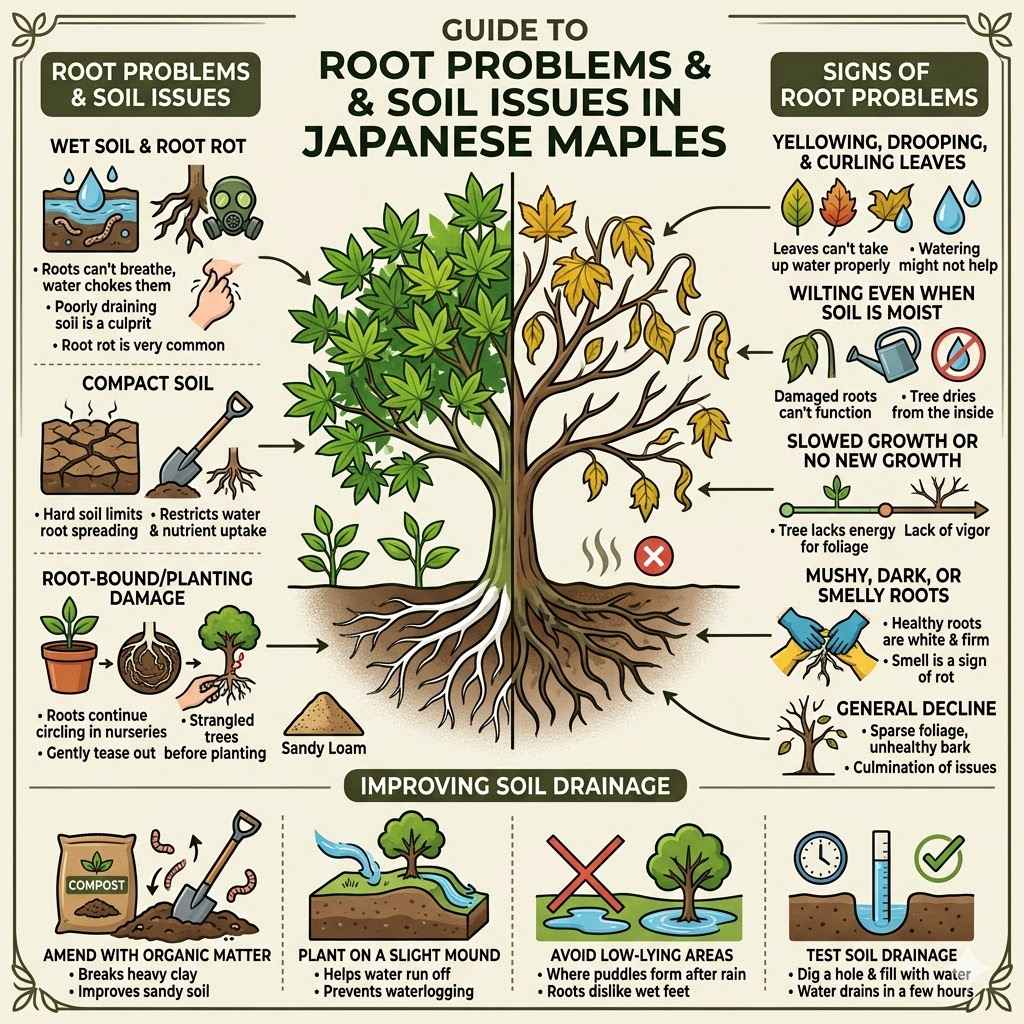
The roots of a Japanese maple are very important. They need the right amount of air and water. If the soil is too wet, the roots can’t breathe and can start to rot.
This is called root rot. It’s a very common problem.
Poorly draining soil is a big culprit. If water sits around the roots for too long, it chokes them. Japanese maples prefer soil that drains well but still holds some moisture.
Sandy loam is often ideal.
Compact soil can also be bad. When soil is too hard, roots can’t spread out easily. This limits the tree’s ability to get water and nutrients.
Digging in compost can help loosen and improve soil.
Sometimes, roots can be damaged when the tree is planted. If the roots are root-bound in their nursery pot, they might continue to circle even after planting. This can strangle the tree over time.
Gently teasing out circling roots before planting can help prevent this.
Signs of Root Problems
- Yellowing leaves that may curl or droop.
- Slowed growth or no new growth.
- Wilting even when the soil is moist.
- Mushy, dark, or smelly roots if you can inspect them.
- A general decline in the tree’s overall health.
When leaves turn yellow and then start to droop or curl, it’s often a sign that the roots are not taking up water properly. This could be because they are sick or because the soil isn’t allowing them to function. Even if you water the tree, it might not help because the damaged roots can’t absorb the water.
The tree might seem like it’s struggling for air, much like we would. If there’s no new growth, or growth is very slow, it means the tree doesn’t have enough energy to produce new leaves or branches. This lack of vigor is a strong indicator of root stress.
Wilting is a classic sign of dehydration, but with root problems, the tree can wilt even if the soil is wet. This happens because the damaged or rotting roots can’t take up water, so the tree effectively dries out from the inside. The leaves curl and droop as they lose moisture.
If you’re brave enough to check the roots, you might see that they are dark, mushy, and smell bad. Healthy roots are usually white or light tan and firm. The smell is often a strong sign of rot caused by too much water and not enough air.
Overall decline means the tree just doesn’t look healthy anymore. The leaves might be sparse, the bark could look unhealthy, and the general shape of the tree is lost. It’s a sad sight, but it’s a culmination of many smaller issues.
Improving Soil Drainage
- Amend soil with organic matter like compost.
- Plant on a slight mound to allow water to run off.
- Avoid planting in low-lying areas where water collects.
- Test soil drainage by digging a hole and filling it with water.
Adding compost to the soil is like giving it a spa treatment. It helps break up heavy clay and makes sandy soil hold more water and nutrients. This creates a better home for your tree’s roots.
Planting your Japanese maple on a small hill or mound can make a big difference. This little boost helps water flow away from the base of the tree, so the roots don’t get waterlogged. It’s a simple trick that works wonders.
It’s a no-brainer to avoid planting where puddles form after rain. If you notice water pooling in a certain spot, that’s probably not a good place for a tree that dislikes wet feet. Look for a spot that drains naturally.
You can easily test your soil’s drainage. Dig a hole about a foot deep and fill it with water. If the water drains away within a few hours, your soil is probably good.
If it sits there for a long time, you know you have a drainage problem.
Watering Wisely The Key to Healthy Roots
Water is life for any plant, but too much or too little can kill a Japanese maple. Getting the watering just right is super important. These trees don’t like soggy feet, but they also can’t survive if they get too dry, especially when they are young.
How Much Water Is Enough?
- Water deeply when the top inch or two of soil feels dry.
- Young trees need more frequent watering than established ones.
- Water more often during hot, dry spells and less in cooler weather.
The best way to check if your tree needs water is to feel the soil. Stick your finger about an inch or two into the ground near the base of the tree. If it feels dry, it’s time to water.
New trees are like little babies; they need more attention. They don’t have a big root system yet, so they rely on you to make sure they get enough moisture. As they grow bigger and their roots spread out, they become more self-sufficient.
Weather plays a big role. Hot summer days mean the soil dries out faster. Windy days can also dry out the leaves and soil.
In the fall and winter, when it’s cooler and often wetter, you’ll need to water much less, or maybe not at all.
Signs of Incorrect Watering
- Wilting leaves, even with moist soil (too much water).
- Dry, crispy leaf edges and browning (too little water).
- Yellowing leaves that may drop prematurely (both too much and too little).
- Stunted growth and fewer leaves than usual.
If your tree’s leaves are wilting, but the soil is wet, it’s a clear sign of overwatering. The roots are drowning and can’t do their job.
On the other hand, if the leaf edges turn brown and crispy, and the whole leaf feels dry, your tree is thirsty. It’s not getting enough water to keep its leaves healthy.
Yellowing leaves can be a sign of both overwatering and underwatering. It’s a general stress signal. This is why checking the soil moisture is so important.
If your tree isn’t growing much, or it has fewer leaves than it should, it’s often because it’s not getting enough energy from healthy roots, which is directly impacted by watering.
Common Pests and Diseases
Even the most beautiful Japanese maple can fall victim to pests and diseases. These can weaken the tree, making it more susceptible to other problems, or even kill it directly. Keeping an eye out for signs of trouble is key to protecting your tree.
Pests That Attack Japanese Maples
- Aphids are small, soft-bodied insects that cluster on new growth.
- Scale insects look like tiny bumps on branches and leaves.
- Japanese beetles chew holes in the leaves.
Aphids are tiny but can cause big problems. They suck the sap from new leaves and stems, causing them to distort and yellow. You might see sticky honeydew on leaves below, which attracts ants.
Scale insects are often mistaken for part of the bark. They attach themselves to branches and leaves and suck out the plant’s juices. Heavy infestations can weaken the tree and cause dieback.
Japanese beetles are a real nuisance. They have metallic green and copper bodies and are very destructive. They eat the leaves of many plants, including Japanese maples, leaving behind a skeletonized look.
Diseases Affecting Japanese Maples
- Verticillium Wilt is a serious fungal disease that blocks water flow in the tree.
- Powdery Mildew appears as white, powdery spots on leaves.
- Anthracnose causes dark spots and can lead to leaf drop.
Verticillium wilt is a dangerous soil-borne fungus. It enters the tree through the roots and grows into the woody tissue, blocking the flow of water and nutrients. This can cause sudden wilting and death of branches, or the entire tree.
There is no cure for this disease.
Powdery mildew is a fungal disease that thrives in humid conditions. It looks like a dusting of white powder on the leaves, which can reduce photosynthesis and make the leaves unsightly. It’s usually not fatal but weakens the tree.
Anthracnose is a group of fungal diseases that affect leaves, stems, and twigs. It typically appears as irregular dark spots on leaves, which can merge and cause large dead areas. Severe infections can lead to leaf drop and twig dieback.
Managing Pests and Diseases
- Inspect your tree regularly for any signs of damage.
- For aphids and scale, try washing them off with a strong spray of water.
- Use insecticidal soap or horticultural oil for more stubborn infestations.
- Remove and destroy infected leaves and branches promptly.
- Ensure good air circulation around the tree.
Regular checks are your first line of defense. Catching a problem early makes it much easier to handle before it gets out of control. Look for discolored leaves, spots, or tiny insects.
Sometimes, a simple blast of water from your hose is enough to dislodge small pests like aphids. This is a natural and safe way to manage them.
If water doesn’t work, insecticidal soap or horticultural oil can be effective. These products work by suffocating the insects. Always follow the product instructions carefully.
For diseases, sanitation is key. Throwing away infected plant parts in the trash, not the compost, helps prevent the spread of the disease to other plants or back to the same tree next year.
Good airflow is like a breath of fresh air for your tree. It helps keep leaves dry and makes it harder for fungal diseases to take hold. Make sure your tree isn’t planted too close to other plants or structures.
Environmental Stressors
Japanese maples are beautiful, but they can be sensitive to their surroundings. Things like extreme heat, cold, or even strong winds can stress them out, leading to health problems. Protecting them from these environmental factors is crucial for their survival.
Sun and Heat Damage
- Too much direct sun, especially afternoon sun, can scorch leaves.
- Newly planted trees are more vulnerable to sun stress.
- Extended periods of high heat can dry out the tree.
While some Japanese maples can tolerate sun, many prefer dappled shade or morning sun with afternoon shade. Intense, direct sunlight, particularly during the hottest part of the day, can burn the delicate leaves, turning them brown and crispy.
Younger trees, with their less developed root systems, are not as good at finding water during hot, dry periods. This makes them much more likely to suffer from sun scorch.
Even established trees can be stressed by prolonged, extreme heat. The tree might struggle to get enough water to cool its leaves, leading to wilting and leaf drop.
Cold and Frost Damage
- Late spring frosts can damage new growth and buds.
- Harsh winter winds can dry out evergreen foliage.
- Sudden temperature drops can shock the tree.
The tender new growth that emerges in spring is very susceptible to frost. A late frost can kill these delicate shoots, causing them to turn black and shrivel. This can set the tree back significantly for the season.
While Japanese maples are deciduous and lose their leaves, their branches are still vulnerable. Strong, cold winter winds can dry out the branches, especially if the ground is frozen and the tree can’t take up water.
Sudden shifts in temperature can be hard on any plant. A rapid drop from warm to freezing temperatures can cause damage to cells and tissues within the tree.
Wind Damage
- Strong winds can break branches and tear leaves.
- Wind can also dry out the tree very quickly.
- Wind can spread disease spores.
Powerful gusts of wind can snap weaker branches or rip through the canopy, tearing the delicate leaves. This can leave the tree looking ragged and damaged.
Wind acts like a fan, speeding up evaporation from leaves and the soil. This means the tree can lose water much faster on a windy day, contributing to drought stress.
Wind can also carry fungal spores or even small insects from one plant to another. If there’s a diseased tree nearby, the wind can help spread the problem.
Protection Strategies
- Provide shade for young or sun-sensitive varieties.
- Mulch the base of the tree to retain moisture and regulate soil temperature.
- Protect young trees from harsh winds with screens or barriers.
- Consider a light covering for trees vulnerable to late frosts.
For trees that need shade, planting them where they get morning sun and afternoon shade is ideal. You can also use shade cloth or other temporary coverings during very hot periods.
A good layer of mulch around the base of the tree is like a blanket. It keeps the soil cool in summer and warm in winter, and it helps the soil hold onto moisture, which is so important.
Young trees, or those planted in exposed spots, can benefit from windbreaks. This could be a simple fence, a screen, or even planting a more wind-tolerant shrub nearby to offer some protection.
If a late frost is predicted and your tree has new, tender growth, you can cover it with a light cloth or horticultural fleece. This traps a little warmth and protects the delicate leaves.
Planting and Pruning Mistakes
How and when you plant your Japanese maple, and how you prune it, can also have a big impact on its health. Mistakes in these areas can lead to problems down the line.
Planting Errors
- Planting too deep or too shallow.
- Not loosening the root ball.
- Planting in the wrong location.
If a tree is planted too deep, the trunk can rot at the soil line. If it’s planted too shallow, the roots can dry out too easily. The top of the root ball should be level with or slightly above the surrounding soil.
Many nursery trees have roots that are tightly packed or circling in the pot. If these aren’t gently teased apart or cut before planting, they can continue to grow in a circle, strangling the tree.
As we discussed before, planting in a spot with poor drainage or too much harsh sun can set the tree up for failure right from the start.
Pruning Missteps
- Pruning at the wrong time of year.
- Over-pruning or removing too much at once.
- Using dull or dirty pruning tools.
Japanese maples can be pruned in late winter or early spring before new growth starts, or in mid-summer after the leaves have fully developed. Pruning at other times can lead to excessive sap loss or damage.
Taking off too many branches at once can stress the tree. It reduces its ability to make food through photosynthesis. Aim to remove only a few branches at a time to maintain the tree’s shape and health.
Using dull tools crushes the branches instead of making a clean cut. This makes it harder for the tree to heal and can invite diseases. Dirty tools can spread those diseases.
Protecting Your Japanese Maple Moving Forward
Learning from past issues helps you give your Japanese maple the best life. By understanding the common reasons they might die and taking preventive steps, you can enjoy their beauty for years to come. It’s all about giving them the right conditions and a little bit of care.
Frequently Asked Questions
Question: Why are my Japanese maple leaves turning brown?
Answer: Brown leaves can be caused by several things like too much sun, not enough water, or certain diseases. Check the soil moisture and look for signs of pests or disease.
Question: When is the best time to prune a Japanese maple?
Answer: The best times are late winter or early spring before new growth starts, or in mid-summer after the leaves are fully out. Avoid pruning during very hot or very cold weather.
Question: My Japanese maple is wilting, but the soil is wet. What’s wrong?
Answer: This is a common sign of root rot, which happens when roots don’t get enough air because the soil is too wet. Ensure your soil drains well and reduce watering.
Question: Can I save a Japanese maple with Verticillium Wilt?
Answer: Unfortunately, Verticillium Wilt is a serious disease with no cure. If your tree has it, it’s best to remove it to prevent spreading it to other plants. Always plant resistant varieties if possible.
Question: How much water does a young Japanese maple need?
Answer: Young Japanese maples need regular watering. Check the soil moisture regularly, watering deeply when the top 1-2 inches feel dry. They are more sensitive than older trees.
Summary
Your Japanese maple may have died due to issues like poor drainage, incorrect watering, pests, diseases, or environmental stress. By carefully checking the soil, watering needs, and looking for signs of problems, you can identify the cause. Taking steps to improve drainage, water wisely, manage pests, and protect from harsh weather will help your next tree thrive.