Is Maple Wood Water Resistant? Janka, Sealing & Best Finishes
Hard maple is not naturally water-resistant — its tight, closed grain (Janka hardness 1,450 lbf) actually traps moisture unevenly once it gets in, causing more dramatic cupping than open-pore woods like oak. Leave an unsealed maple cutting board wet overnight and you’ll see swelling or gray staining by morning. This guide covers real absorption behavior, the right sealant for cutting boards vs. furniture vs. outdoor use, and how long each finish actually lasts.
Does Maple Wood Absorb Water?
Best All-Around Maple Sealer Pick
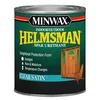
Minwax Helmsman Indoor/Outdoor Spar Urethane, Quart, Satin
A UV- and moisture-resistant spar urethane rated for both indoor furniture and outdoor exposure — one can covers a maple tabletop or a porch railing.
- Best for: Maple furniture, trim, or railings that see occasional moisture or direct sun
- Why we picked it: Rated for both indoor and outdoor use, so it covers the most common maple water-resistance question in one product
- Main drawback: Not food-safe — never use on a cutting board or butcher block
Compare more maple wood sealer options
 Cutting Board Pick Kate Naturals Food-Grade Mineral Oil, 8oz
|
 Furniture Pick Varathane Triple Thick Polyurethane, Satin
|
 Longer-Lasting Board Pick Howard Butcher Block Conditioner, Mineral Oil & Beeswax
|
As an Amazon Associate we earn from qualifying purchases.
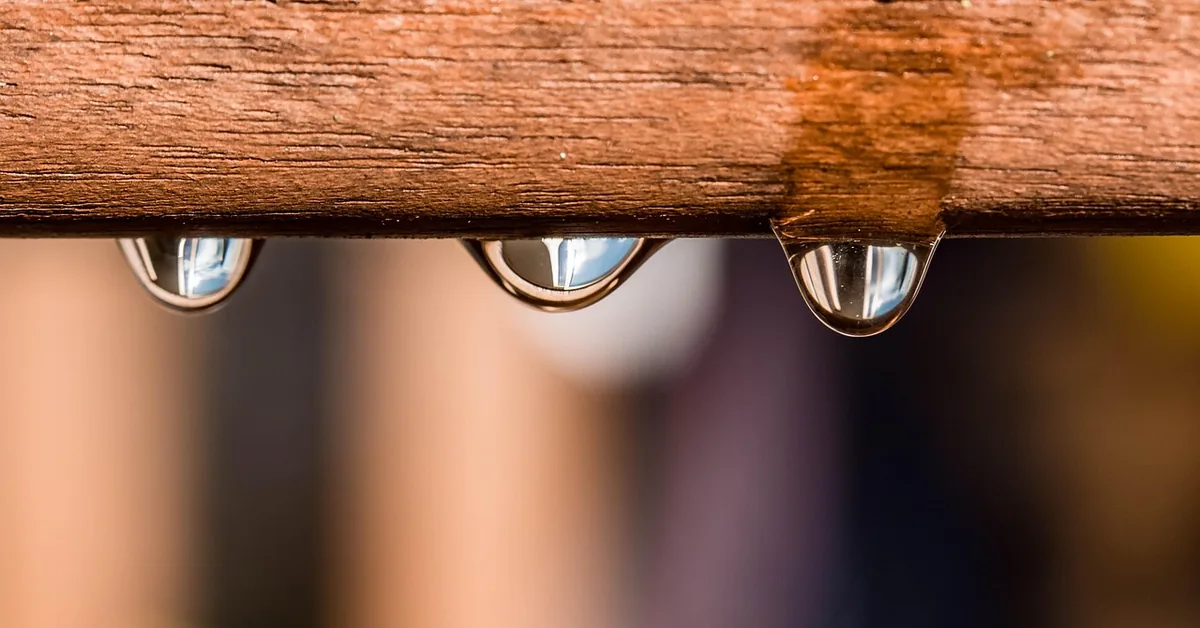
Maple is a hardwood that readily absorbs water when left unsealed, despite its density and reputation for durability. Hard (sugar) maple carries a Janka hardness rating of about 1,450 lbf and a density near 705 kg/m³ (44 lb/ft³), while soft maple runs 700-950 lbf. That hardness resists scratches and dents, but it says nothing about water resistance — those are two separate wood properties, and maple only scores well on one of them.
Furniture- and cabinet-grade maple is typically kiln-dried to 6-8% moisture content. Anything that pushes it back above that range — standing water, high humidity, an unsealed outdoor rail — reintroduces moisture the wood has to release again, and that swell-and-shrink cycle is what eventually cracks joints and cups boards.
Best Finishes for Maple Wood by Use Case
No single sealant works for every maple project — what you put on a butcher block is not what you’d brush onto an outdoor bench. The table below breaks it down by use case with real dry times and per-quart costs, something most articles on this topic skip entirely.
| Use Case | Recommended Finish | Dry Time | Approx. Cost |
|---|---|---|---|
| Cutting boards / butcher block | Food-grade mineral oil (never polyurethane — it can flake into food) | 15-20 min absorb, reapply monthly | $8-$17 |
| Indoor furniture / tabletops | Polyurethane or triple-thick polyurethane, satin | 2-4 hrs between coats | $13-$25/qt |
| Outdoor furniture / railings | Spar urethane (indoor/outdoor rated) | 1-2 hrs dry-to-touch, 4-8 coats for full exterior exposure | $22-$41/qt |
Why Maple Wood Warps When It Gets Wet
This is the part most articles on maple skip: the same tight, closed grain that makes maple hard and scratch-resistant is also why it warps more dramatically than open-grain woods once moisture gets past the surface. Open-pore woods like oak or ash let moisture move through the fibers relatively evenly and release it the same way. Maple’s dense, fine grain resists water at first — but when it does soak in, usually through an unsealed edge, end grain, or a joint — the moisture gets trapped unevenly between the wet face and the dry core.
That uneven moisture gradient is what causes cupping: the wet face expands while the dry face doesn’t, and the board bows. It’s also why end grain (the cut ends of a board) always needs sealing first — it absorbs water many times faster than the flat face because you’re looking directly into the open ends of the wood’s vascular structure.
Maple vs Other Woods: Water Resistance Compared
Maple sits in the middle of the pack for water resistance — harder than most softwoods but well behind naturally oily species like teak. Wood species selection matters more than most buying guides admit, especially for outdoor projects.
| Wood Type | Janka Hardness (lbf) | Natural Water Resistance | Needs Sealing for Outdoor Use? |
|---|---|---|---|
| Hard Maple | 1,450 | Low — no natural oils | Yes, always |
| Soft Maple | 700-950 | Low | Yes, always |
| Red Oak | 1,290 | Low-Moderate — open pores drain but also absorb | Yes |
| White Oak | 1,360 | Moderate — closed pores (tyloses) block water better than red oak | Recommended |
| Teak | 1,000 | High — natural silica and oils repel water | Optional |
| Cedar | 350-900 | Moderate — natural oils resist decay, but wood still swells | Recommended |
Notice that hardness (Janka) and water resistance don’t track together — maple is harder than teak but far more water-absorbent, because teak’s resistance comes from natural oils in the wood itself, not density. That’s the detail most comparison articles blur past.
How to Seal Maple Wood
Sealing maple correctly takes five steps, and skipping the sanding or end-grain steps is the most common reason a “sealed” maple project still swells at the joints.
- Sand to 220 grit: Start at 120 grit if the surface is rough, then work up to 220 grit so the finish penetrates evenly instead of sitting on scratch marks.
- Wipe away all dust: Use a tack cloth or lightly damp rag. Any dust left behind will show as texture under the finish.
- Seal the end grain first: Apply an extra coat to any exposed end grain — it absorbs finish (and later, water) far faster than the flat faces.
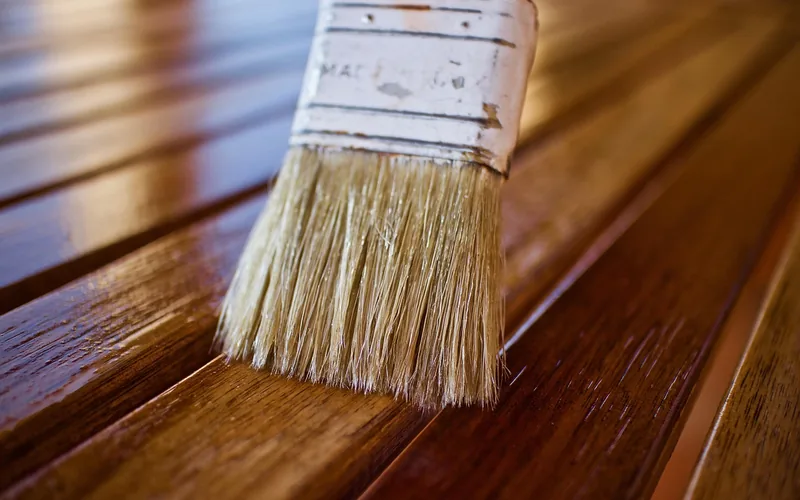
- Apply thin, even coats: Use a natural-bristle brush or lint-free cloth. Thick coats trap solvent and never cure properly.
- Let each coat cure fully before the next: Follow the product’s recoat window (2-4 hrs for indoor polyurethane, 1-2 hrs for water-based spar urethane) and finish with 3-4 coats for furniture, 4-8 for outdoor exposure.
Can You Use Maple for a Cutting Board?
Yes — maple is one of the most recommended woods for cutting boards, and it’s the industry-standard choice for butcher blocks. Its tight, closed grain resists knife scarring better than open-pore woods, and it doesn’t have the natural oils or tannins that can taint food (unlike walnut or some exotic species). The tradeoff is maintenance: because it has no natural water resistance, it needs food-grade mineral oil conditioning on a monthly basis, not the polyurethane or varnish used on furniture — those aren’t food-safe and can flake or crack under repeated knife contact.
Is Maple Good for Outdoor Furniture?
Maple is not a good choice for outdoor furniture unless it’s fully sealed and maintained. Unlike teak or cedar, it has no natural rot resistance or insect-repelling oils, so untreated maple left outside is vulnerable to both moisture damage and insect activity within a season or two. If you already have a maple piece you want to use outdoors — or built one before checking — a full spar urethane treatment (4-8 coats, resealed every 1-2 years) is the only way to make it viable long-term. For a new build, cedar, teak, or pressure-treated lumber will need far less upkeep.
Maple Wood Characteristics
Maple is known for its fine, even grain and smooth texture, though some boards show a wavy or figured pattern (like birdseye or curly maple) prized for furniture fronts. Its density and hardness make it resistant to scratches and dents, which is why it shows up so often in flooring, cabinetry, and butcher blocks — high-traffic, high-contact applications where surface durability matters more than water resistance.
Maintenance Tips for Maple Wood
- Wipe up spills immediately — standing water is what causes staining and cupping, not brief contact.
- Use a soft, barely-damp cloth for cleaning; avoid soaking the surface or using excess water.
- Reapply mineral oil to cutting boards monthly, or whenever the surface looks dry and pale.
- Recheck furniture and outdoor pieces for finish wear every 1-2 years, and resand and reseal as needed.
- Use coasters, trivets, and placemats on maple tabletops to prevent localized moisture rings.
Frequently Asked Questions
Is maple wood naturally water resistant?
No. Maple has no natural oils or resins that repel water, so it absorbs moisture readily when left unsealed. Its Janka hardness (1,450 lbf for hard maple) makes it scratch- and dent-resistant, but that’s a separate property from water resistance — sealing with the right finish is what actually protects it.
Does maple wood absorb moisture faster than oak?
Maple’s tight, closed grain initially resists surface moisture better than open-pore oak, but once water penetrates through end grain or a joint, maple tends to cup more dramatically because the moisture gets trapped unevenly instead of moving through the fibers the way it does in oak.
Can maple wood withstand outdoor conditions?
Only with heavy maintenance. Maple has no natural rot or insect resistance, so outdoor pieces need a full spar urethane treatment (4-8 coats) and resealing every 1-2 years. For low-maintenance outdoor builds, cedar or teak are better starting choices.
What is the best sealer for maple wood?
It depends on the use: food-grade mineral oil for cutting boards and butcher blocks, polyurethane or triple-thick polyurethane for indoor furniture, and spar urethane for anything exposed to weather. Never use polyurethane on a food-contact surface — it isn’t food-safe and can flake.
How do you protect maple wood from water damage?
Sand to 220 grit, seal the end grain first since it absorbs moisture fastest, then apply 3-4 thin coats of the appropriate finish for the use case (mineral oil, polyurethane, or spar urethane), letting each coat cure fully before the next.
Conclusion
Maple wood is not inherently water-resistant — its hardness and its water resistance are two separate properties, and only one of them is favorable out of the box. The porous, tight grain that makes it durable against scratches also means it absorbs and traps moisture unevenly once it gets past an unsealed surface, leading to cupping and staining. Match the sealant to the use case — mineral oil for cutting boards, polyurethane for furniture, spar urethane for anything outdoors — and reseal on a schedule, and maple holds up as well as any hardwood on the market.
Sponsored / affiliate links. As an Amazon Associate I earn from qualifying purchases. I may earn additional commission from eligible campaigns.