Why Does Ash Wood Smell Bad? (The Real Cause Explained)
Ash wood carries little scent on its own, but freshly cut or damp ash develops a sour, unpleasant smell when bacteria colonize its water-soaked heartwood — a condition called bacterial wetwood. Left untreated, the trapped sap keeps fermenting and the odor worsens; The Wood Database itself rates ash’s smell as moderately unpleasant when worked. This guide covers the real cause, how to tell decay-odor from a simply green board, and how to dry and deodorize ash safely.
What Actually Causes Ash Wood’s Sour Smell (Bacterial Wetwood)
Best Moisture Meter Pick
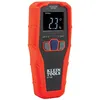
Klein Tools ET140 Pinless Moisture Meter
Checks moisture up to 3/4″ below the surface without leaving pin holes in your ash boards.
- Best for: Confirming ash is under 12% moisture before finishing
- Why we picked it: Non-destructive reading, no holes in visible faces
- Main drawback: Pricier than basic pin-type meters
Compare more moisture meter options
 Option 1 General Tools MMD4E Digital Moisture Meter
|
 Option 2 Mecurate Digital Pin-Type Meter
|
 Option 3 TopTes TS-630 Digital Meter
|
As an Amazon Associate we earn from qualifying purchases.
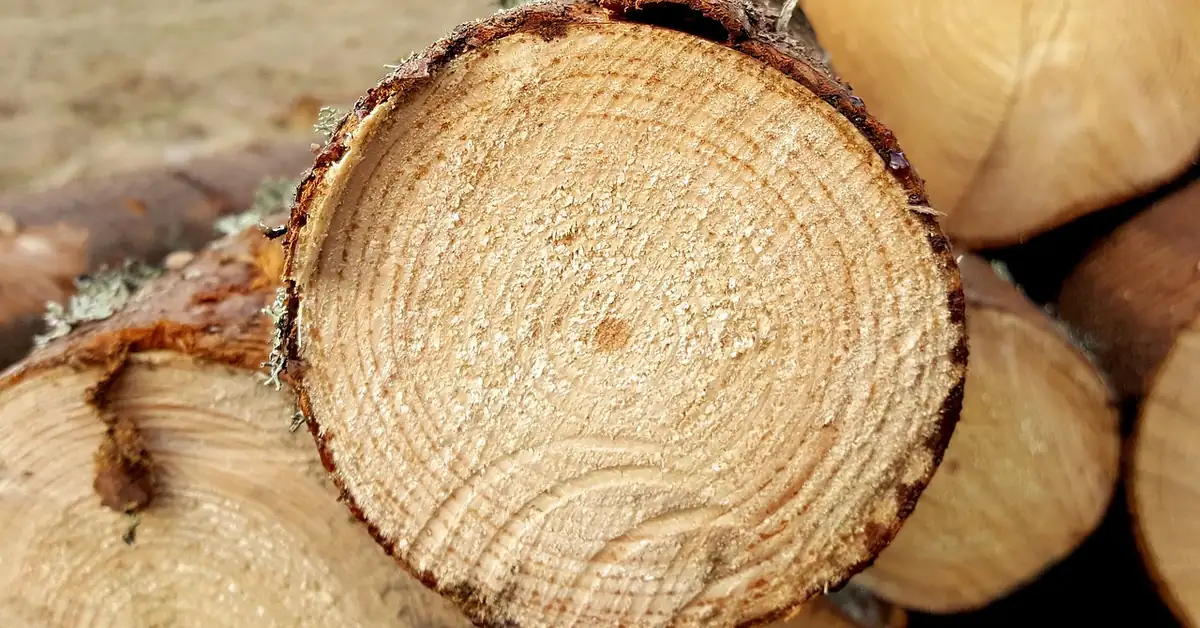
Bacterial wetwood (also called slime flux) is a bacterial infection that soaks the heartwood of a living or freshly cut tree with an oxygen-starved, foul-smelling sap. It starts when soil bacteria — species like Enterobacter, Klebsiella, and Pseudomonas — enter through a root wound or pruning cut and ferment sugars trapped inside the trunk. According to university extension services, wetwood is most common in elm, oak, and mulberry, but ash develops the same sour, fermented odor whenever a tree is wounded and the wood stays wet.
That’s a different mechanism than the vague “natural oils” explanation you’ll see repeated elsewhere. It’s an active bacterial process, which is exactly why the smell fades once the wood dries out: bacteria need moisture to keep fermenting, and kiln-drying or proper air-seasoning removes the water they depend on.
📊 The Wood Database rates White Ash’s odor as “a distinct, moderately unpleasant smell when being worked.” — Source: The Wood Database, White Ash species profile
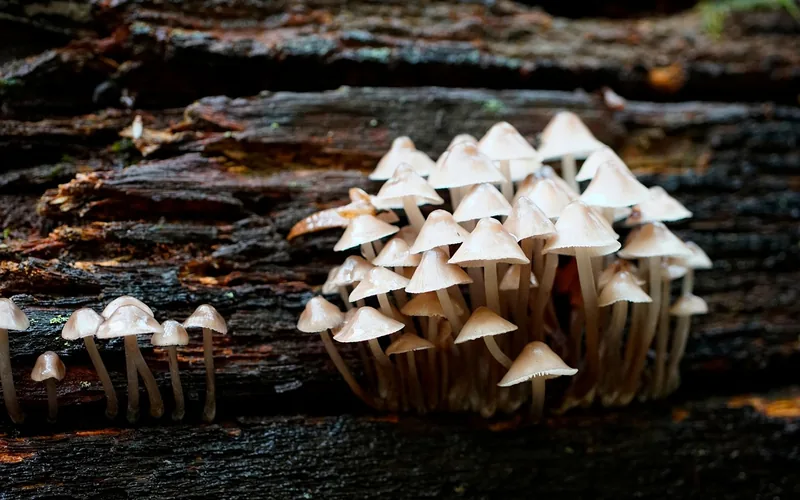
A dying ash tree adds another wrinkle: trees killed by emerald ash borer or storm damage often stand wounded and wet for months before they’re milled. If you’re working salvaged ash and want to check whether a standing ash tree is already dying before you cut it, decay odor is one more sign to watch for alongside thinning crowns and bark splits.
What Ash Wood Actually Smells Like When It’s Not Rotting
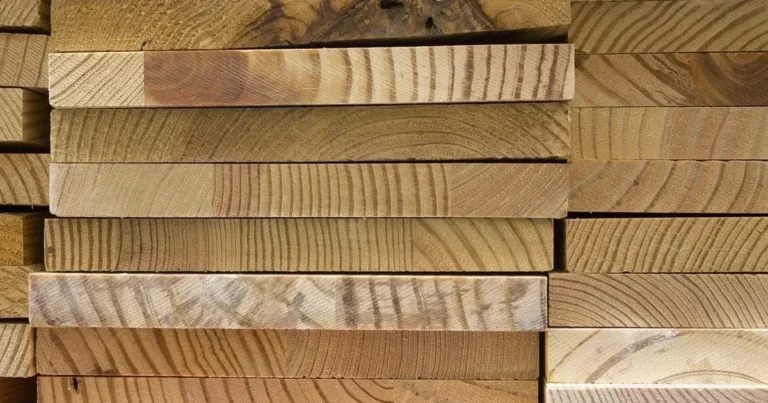
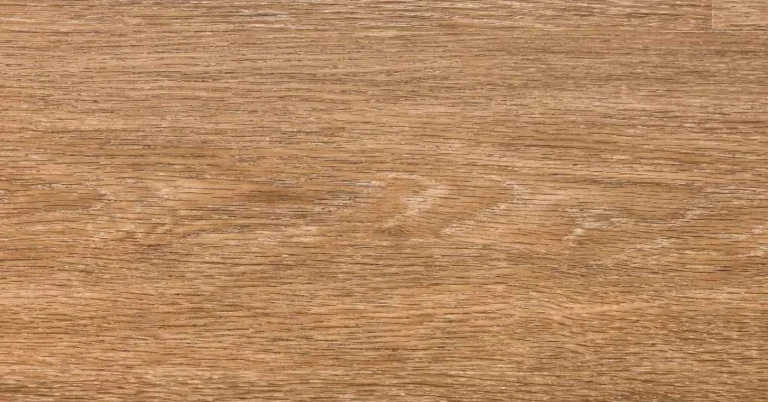
Properly seasoned ash is pale cream to light brown with a straight, open grain, a Janka hardness of about 1,320 lbf, and almost no odor at all — it’s the smell of decay and moisture, not the wood itself, that people react to. That combination of strength and shock resistance is exactly why ash is classified as a hardwood and why it’s the standard material for baseball bats, axe and hammer handles, and bent-wood chair parts.
Ash’s open grain does have a practical downside worth knowing: it soaks up dirt, moisture, and finish more readily than tight-grained woods like maple, which is part of why unsealed ash left in a damp garage or basement re-wets and starts smelling sour again even after it was properly dried once. For more ash-specific species guides and comparisons, browse our full ash wood hub.
Fresh-Cut vs. Kiln-Dried Ash: Why the Smell Changes
Green (freshly cut) ash can smell sharp or sour because it’s still full of sap and, in wounded trees, active wetwood bacteria. As ash dries down to a stable moisture content, those volatile compounds evaporate and the bacteria stop fermenting for lack of water — which is why kiln-dried ash smells noticeably milder than a board cut last week. If you can’t kiln-dry it, air-drying works too, but it takes longer and depends heavily on how and where the wood is stored while it seasons.
A moisture meter takes the guesswork out of this. Ash is generally considered dry enough for indoor furniture and flooring once it reads at or below 12% moisture content; anything wetter still has enough water in it to keep an odor-causing infection active.
Is the Smell a Sign Your Ash Is Rotting?
Not always — but it can be. A mild, sour wetwood smell that fades as the board dries is normal for green ash. A smell that gets stronger over time, is accompanied by soft or discolored spots, or shows up alongside visible fungus is a different problem: active decay. Untreated wood left wet long enough will rot regardless of species, and ash’s open grain gives fungi an easy path in once the surface finish fails. The simplest field test remains the one experienced woodworkers already use: check whether the wood is actually seasoned before you assume the smell means something is wrong with the board itself.
How Ash Compares to Other Woods That Smell Strong
Ash isn’t unusual here — several common hardwoods develop a noticeable smell under the right (or wrong) conditions, just for different chemical reasons than ash’s bacterial wetwood.
| Wood | Why it smells | When it’s worst |
|---|---|---|
| Ash | Bacterial wetwood fermenting in damp heartwood | Freshly cut, wounded, or re-wetted boards |
| Red oak | High tannic acid content, smells sour/vinegary | When wet, freshly cut, or burned green |
| Elm | Same wetwood/slime-flux bacteria as ash | Green, wounded, or waterlogged logs |
| Cedar | Strong natural aromatic oils (by design, not decay) | Always — it’s meant to be pungent |
If you’re choosing between species for a project where odor matters, it’s worth comparing the wood’s other working properties too — see how ash stacks up against white oak for hardness, grain, and cost, or check our broader list of the best- and worst-smelling woods if scent is your deciding factor.
How to Get Rid of a Bad Smell in Ash Wood
- Test the moisture content: Use a moisture meter on a fresh cut face; anything above 12% still has enough water in it to feed odor-causing bacteria and fungi.
- Dry it properly: Stack the wood with stickers for airflow in a dry, ventilated space, or kiln-dry it if you have access — don’t seal a board while it’s still wet.
- Clean the surface: Wipe the wood with a cloth dampened in a diluted white vinegar solution to neutralize surface odor, then let it dry fully.
- Absorb lingering odor: Sprinkle baking soda over the surface, leave it for a few hours, then brush or vacuum it off.
- Seal once it’s dry: Apply a finish only after the wood reads 12% moisture or lower — sealing damp ash traps the smell in rather than solving it.
Is Ash Wood Dust Safe to Breathe?
Worth flagging while you’re working with ash: the Fraxinus genus has been documented to trigger skin irritation and reduced lung function in some woodworkers, according to The Wood Database’s toxicity notes. It’s not a reason to avoid the wood, but it is a reason to wear a dust mask or respirator and run dust collection when sanding or machining it — the same precaution worth taking with any hardwood dust.
Frequently Asked Questions
Does ash wood stink?
Dry, properly seasoned ash has very little smell. Fresh-cut, damp, or wounded ash can smell noticeably sour due to bacterial wetwood, and The Wood Database rates its odor as moderately unpleasant when the wood is actively being worked. The smell fades sharply once the wood dries below about 12% moisture.
Why does my ash furniture smell bad after I finished it?
Some woodworkers report a musty, iodine-like smell developing on ash weeks after an oil-based polyurethane finish is applied. Oil-based finishes can take 20-30 days to fully off-gas and cure, so the smell should fade as curing completes; switching to a water-based topcoat generally produces far less odor if it doesn’t.
What does ash wood smell like when it’s freshly cut?
Freshly cut, green ash typically smells sharp or sour rather than sweet, especially if the tree was wounded or stressed before milling. That smell comes from sap and active wetwood bacteria in the still-wet heartwood, and it mellows out considerably as the board air-dries or is kiln-dried.
Does kiln-dried ash still smell bad?
No, not typically. Kiln-drying removes most of the moisture that odor-causing bacteria need to keep fermenting, which is why properly kiln-dried ash has a much milder smell than a green board. A lingering strong smell after kiln-drying usually means the wood picked up moisture again in storage.
Is the smell from ash wood harmful to breathe?
The odor itself isn’t considered dangerous, but the fine dust produced when sanding or machining any Fraxinus species, including ash, has been linked to skin and respiratory irritation in some people. Wear a dust mask and use dust collection rather than worrying about the smell specifically.
Conclusion
Ash wood doesn’t smell bad because of some mysterious “natural oil” — it smells bad when moisture and bacterial wetwood are active in the heartwood, and that smell fades once the wood is properly dried, cleaned, and sealed. Check moisture content before you assume anything is wrong with the board, and treat a worsening smell paired with soft or discolored spots as a decay problem rather than a normal seasoning smell.
Sponsored / affiliate links. As an Amazon Associate I earn from qualifying purchases. I may earn additional commission from eligible campaigns.