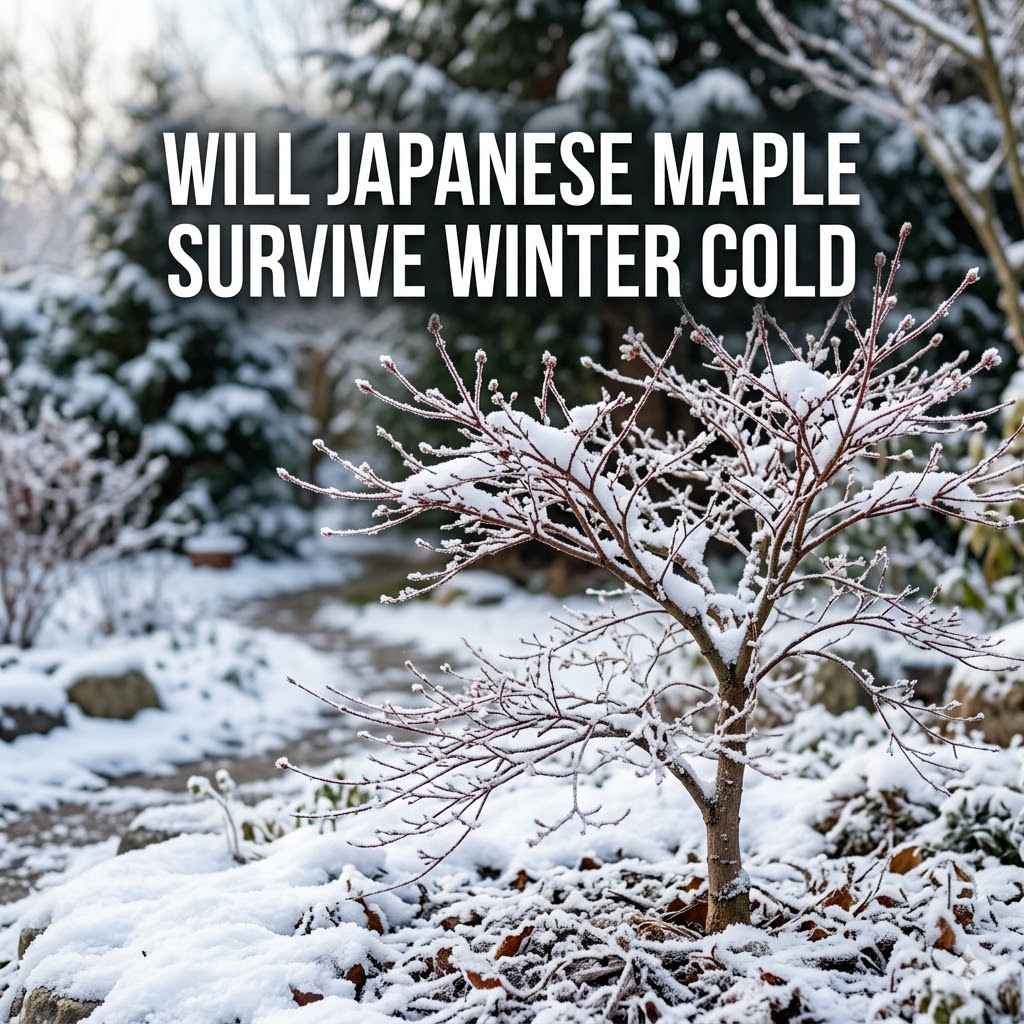
Will Japanese Maple Survive Winter Cold
Many plant lovers wonder, Will Japanese Maple Survive Winter Cold? It can be a confusing question for new gardeners. These trees are so pretty, but they also look delicate. People worry their beautiful Japanese maple might not make it through the cold.
This guide makes it simple. We will walk you through everything step-by-step. You will learn how to help your tree stay healthy all winter long.
Protecting Your Japanese Maple From Winter Cold
Japanese maples are loved for their stunning foliage and graceful shapes. However, many gardeners in colder climates worry about their survival when the temperatures drop. Understanding their needs is key to ensuring they thrive, even in frosty conditions.
This section explains why these trees can be sensitive to winter weather and what makes them a topic of concern for many.
Understanding Japanese Maple Hardiness
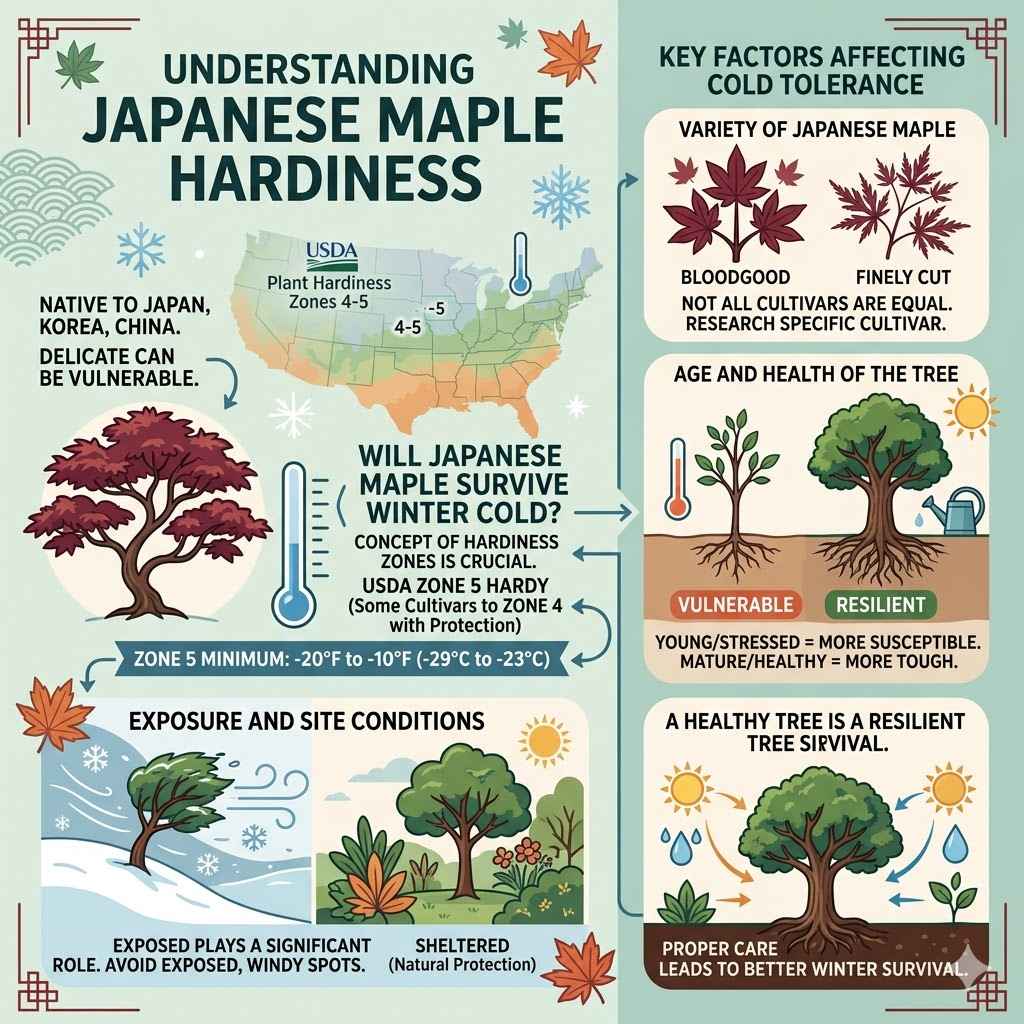
Japanese maples, scientifically known as Acer palmatum, are native to Japan, Korea, and China. They naturally grow in milder climates. This means they may not be as tough as some other trees when it comes to freezing temperatures.
Different varieties have slightly different tolerances to cold. Some are more sensitive than others. This is an important factor for gardeners to consider when choosing a tree.
Their delicate, finely dissected leaves and often more open branching structures can make them appear more vulnerable. This visual aspect contributes to the common question, Will Japanese Maple Survive Winter Cold? It’s not about them being impossible to grow, but rather about needing a little extra care in certain regions.
The concept of hardiness zones is crucial here. These zones are geographical areas defined by their average minimum winter temperature. If you live in a zone where the winter temperatures consistently fall below what a specific Japanese maple variety can handle, then extra precautions are necessary.
Many sources indicate that most Japanese maples are hardy to USDA zone 5. Some cultivars can tolerate zone 4 with protection. Zone 5 typically experiences minimum winter temperatures between -20°F and -10°F (-29°C to -23°C).
If your area experiences colder temperatures than this regularly, you will need to be more vigilant.
Key Factors Affecting Cold Tolerance
Variety of Japanese Maple: Not all Japanese maples are created equal when it comes to cold hardiness. Some cultivars are naturally more robust than others. For instance, Acer palmatum ‘Bloodgood’ is often cited as one of the hardier options, capable of tolerating colder conditions than some of the more delicate-looking varieties with very finely cut leaves. Researching the specific cultivar you have or plan to buy is a vital first step in assessing its winter needs.
Age and Health of the Tree: A young, newly planted Japanese maple will be more susceptible to winter damage than a well-established, mature tree. Young trees have less developed root systems and thinner bark, making them more vulnerable to frost heaving and extreme cold. Similarly, a tree that is already stressed by drought, poor soil, or pests will have a harder time coping with winter’s challenges. A healthy tree is a resilient tree.
Exposure and Site Conditions: The location where your Japanese maple is planted plays a significant role in its winter survival. Trees planted in exposed, windy locations are more likely to suffer from desiccation (drying out) and branch damage from cold winds. Areas that experience drastic temperature fluctuations, with sudden freezes after warm spells, can also be stressful for the tree. Conversely, a sheltered spot can offer natural protection.
Understanding these factors helps demystify the question, Will Japanese Maple Survive Winter Cold?. It’s not a simple yes or no, but depends on the tree and its environment.
Preparing Your Japanese Maple For Winter
Once you know your tree’s needs, preparing it for winter becomes straightforward. The goal is to shield it from the harshest elements and support its natural resilience. This involves a few key actions taken in the fall.
Watering and Mulching Strategies
Consistent Watering: Before the ground freezes, ensure your Japanese maple is well-hydrated. This is especially important for young trees and those planted in the current year. Deep watering in late fall helps the tree store moisture in its roots, which is vital for surviving dry winter conditions and preventing desiccation. Aim for a good soaking rather than frequent shallow watering. A good rule of thumb is to water deeply once a week if there hasn’t been significant rainfall.
Apply a Thick Layer of Mulch: Mulching is one of the most effective ways to protect your Japanese maple’s roots. Apply a 2-4 inch layer of organic mulch, such as wood chips, shredded bark, or compost, around the base of the tree. Keep the mulch a few inches away from the trunk itself to prevent rot and discourage pests. Mulch insulates the soil, keeping its temperature more stable. This prevents repeated freezing and thawing cycles, which can damage the roots and cause heaving.
Benefits of Mulch for Winter: Mulch acts like a cozy blanket for the roots. It helps retain soil moisture, which is essential as winter air is often very dry. It also suppresses weed growth, which competes with the tree for water and nutrients. Furthermore, mulch helps prevent soil erosion from wind and rain. For Japanese maples, especially those in marginal hardiness zones, proper mulching is a non-negotiable step for winter success.
Proper watering and mulching are foundational steps that directly answer the question, Will Japanese Maple Survive Winter Cold? by giving the tree the best possible chance.
Protecting Young or Sensitive Trees
While established trees are generally quite hardy, younger or more delicate Japanese maples might need a little extra help. This protection focuses on shielding them from extreme cold, windburn, and sunscald.
Burlap Wrapping: For young trees or those in very cold climates, wrapping the trunk and lower branches with burlap can provide significant protection. This is especially helpful against drying winter winds and intense winter sun, which can cause bark to split. Wrap the burlap snugly but not too tightly, starting from the base and working upwards. You can secure it with twine. This barrier reduces exposure to harsh elements and helps maintain a more stable temperature around the bark.
Frost Cloth or Covers: In areas prone to sudden, hard freezes, or if you’re concerned about unseasonably cold snaps, a frost cloth can be a lifesaver. Drape the cloth over the tree, ensuring it reaches the ground. This traps radiant heat from the soil, offering a few degrees of protection. Avoid using plastic, as it can trap moisture and freeze, potentially damaging the tree. Remove the frost cloth during the day if temperatures rise significantly to allow for air circulation and prevent overheating.
Windbreaks: If your Japanese maple is in an exposed location, consider setting up a temporary windbreak. This could be a screen made of burlap or snow fencing placed on the side facing the prevailing winter winds. This significantly reduces the drying effect of the wind on the branches and foliage, preventing desiccation and branch dieback. The goal is to create a microclimate that is less harsh than the surrounding environment.
These protective measures are particularly important for trees planted in the last year or two, as their root systems are still establishing. Addressing the question, Will Japanese Maple Survive Winter Cold?, often comes down to proactive protection for vulnerable specimens.
Common Winter Problems and Solutions
Even with good preparation, Japanese maples can sometimes show signs of winter stress. Knowing what to look for and how to respond can save your tree.
Identifying Frost Damage and Sunscald
Recognizing Frost Damage: Frost damage often appears on new growth or buds that were not fully hardened off before the cold arrived. You might see blackened or mushy tips on branches, or buds that fail to open in spring. Sometimes, entire young branches might turn black. This is the tree’s response to extreme cold that has killed the affected tissues.
Dealing with Frost Damage: The best approach for frost damage is patience. Wait until spring when you can clearly see which branches are dead. Prune away the damaged parts. Cut back to healthy, green wood. Avoid pruning too early in spring, as dormant buds can sometimes recover. For significant damage, focus on the tree’s overall health to encourage new growth.
Understanding Sunscald: Sunscald happens when the sun warms the bark on cold winter days, and then temperatures rapidly drop at night. This freeze-thaw cycle damages the bark, causing cracks and splitting. It’s most common on the south or southwest side of the tree, where the afternoon sun is strongest. The bark might look discolored, sunken, or split open. This is where protective wrapping mentioned earlier becomes very useful.
Proactive protection significantly minimizes the chances of these issues, making the answer to Will Japanese Maple Survive Winter Cold? more likely to be a confident yes.
Preventing Desiccation and Windburn
Desiccation and windburn are terms used to describe how cold, dry winter air can pull moisture from a tree’s leaves and branches, essentially drying them out. This is a major threat, especially for evergreens, but deciduous trees like Japanese maples can also suffer, particularly their fine twigs and buds.
The Mechanism of Drying: In winter, the ground may be frozen, preventing roots from absorbing water. However, moisture can still be lost from the tree’s surfaces (leaves, twigs) through transpiration. When cold, dry winds blow, they accelerate this water loss. The tree cannot replenish the lost water quickly enough, leading to tissues drying out, turning brown, and eventually dying. This is why mulching to maintain soil moisture and windbreaks are so important.
Symptoms to Watch For: Signs of desiccation and windburn can include browning of leaf edges or entire leaves (if they haven’t dropped yet), brittle twigs that snap easily, and buds that shrivel instead of swelling in spring. The damage is often more pronounced on the side of the tree facing the prevailing winds.
Preventative Measures Revisited: Consistent watering in late fall is crucial for ensuring the tree has adequate moisture reserves. Applying a good layer of mulch helps keep the soil from freezing solid and allows for some root activity if temperatures allow. Furthermore, strategic planting—avoiding overly exposed sites—and the use of temporary windbreaks are highly effective. For very sensitive trees, a burlap wrap can offer substantial protection against direct wind exposure.
These problems are directly addressed by the preparation steps, reinforcing the confidence that, yes, Will Japanese Maple Survive Winter Cold? with the right care.
Real-World Examples and Case Studies
Seeing how others have successfully cared for their Japanese maples in challenging conditions can be very reassuring. These examples highlight the effectiveness of proper preparation.
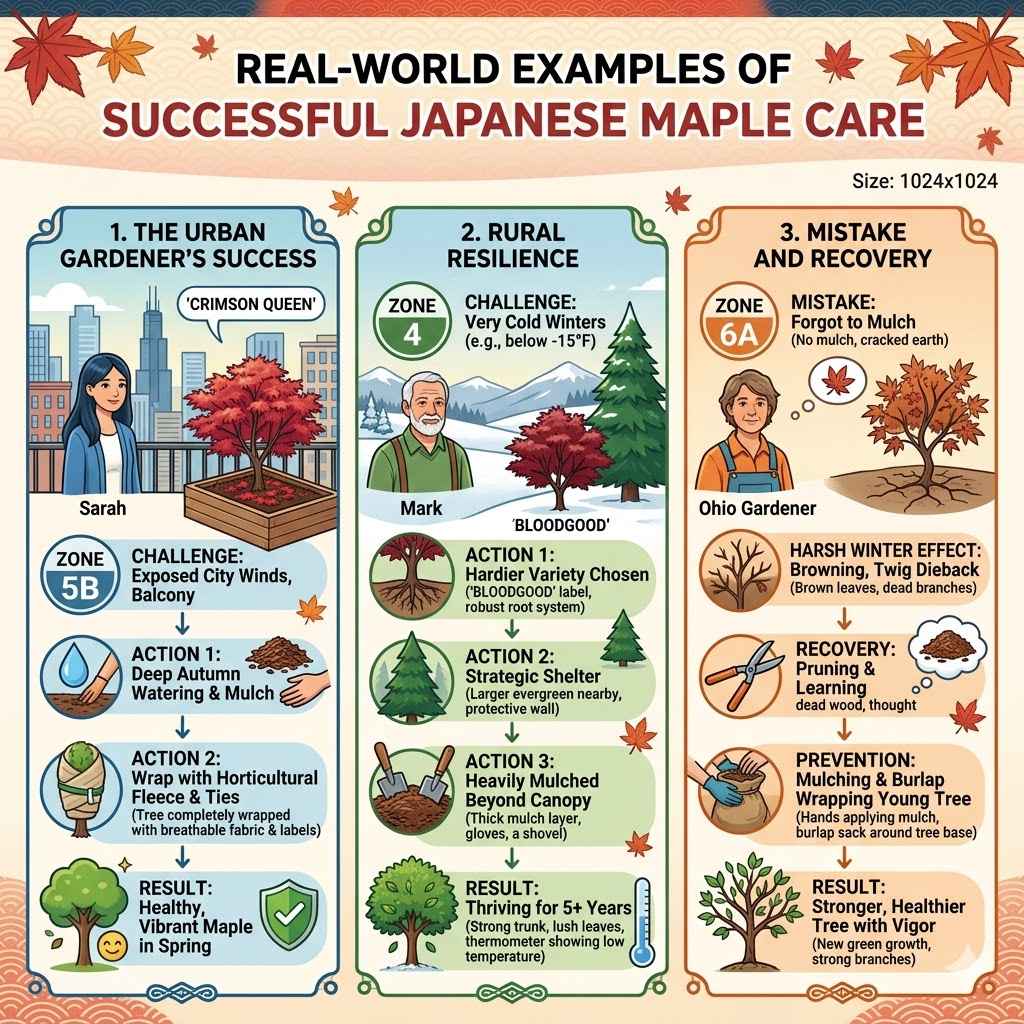
The Urban Gardener’s Success: Sarah in Chicago (Zone 5b) was initially worried about her young ‘Crimson Queen’ Japanese maple. It was planted in a raised bed on her balcony, exposed to city winds. Each fall, she watered it deeply before the first hard freeze and then generously applied shredded bark mulch around the base. In early November, before the harsh winds hit, she wrapped the entire shrub in a layer of horticultural fleece, securing it with garden ties. In early spring, she removed the fleece. Her maple consistently emerged vibrant and healthy, with no significant winter damage, showcasing how consistent mulching and temporary wrapping can protect even a somewhat exposed specimen.
Rural Resilience: Mark, living in a more rural area with Zone 4 winters, was determined to grow a Japanese maple. He chose a hardier variety, ‘Bloodgood’, and planted it in a location partially sheltered by a larger evergreen tree. He diligently mulched heavily every fall, extending the mulch ring well beyond the tree’s canopy. He also ensured it received deep watering before winter. Despite temperatures regularly dipping below -15°F, his ‘Bloodgood’ maple has thrived for five years, demonstrating that selecting a hardy variety and providing a slightly more protected environment can be sufficient for survival in colder zones.
Mistake and Recovery: A gardener in Ohio (Zone 6a) forgot to mulch their new Japanese maple one fall. An unusually harsh winter with significant temperature swings led to noticeable browning and some twig dieback. The following spring, after pruning the damaged parts, they learned their lesson. The next year, they ensured proper mulching and supplemented with burlap wrapping for the young tree. This second year, the tree showed much more vigor and health, illustrating that recovery is possible and preventative measures are key to consistent success.
Common Questions About Winter Care
Frequently Asked Questions
Question: Do Japanese maples lose their leaves in winter
Answer: Yes, most Japanese maples are deciduous, which means they naturally lose all of their leaves in the fall before winter arrives. This is a normal part of their life cycle and helps them conserve energy and moisture during the cold months.
Question: How cold can a Japanese maple tolerate
Answer: Most Japanese maples can tolerate temperatures down to USDA hardiness zone 5, which means they can survive minimum temperatures between -20°F and -10°F (-29°C to -23°C). However, some varieties are hardier and can withstand zone 4, while others may need protection even in zone 6.
Question: When should I water my Japanese maple before winter
Answer: You should water your Japanese maple deeply in late fall, before the ground freezes. This helps ensure the roots are well-hydrated going into winter, which is crucial for preventing desiccation, especially if the winter is dry.
Question: Is it okay to fertilize a Japanese maple in the fall
Answer: It is generally not recommended to fertilize Japanese maples in the fall, especially with nitrogen-rich fertilizers. Fertilizing late in the season can encourage new, tender growth that is highly susceptible to frost damage. Wait until early spring to fertilize.
Question: What does it mean if my Japanese maple has dead-looking branches in spring
Answer: Dead-looking branches in spring are often a sign of winter damage, such as frost kill or desiccation. It’s best to wait until you see new growth to determine which branches are truly dead. Prune away the dead wood back to healthy tissue.
Summary
So, will Japanese maple survive winter cold? Yes, they absolutely can thrive with the right preparation. Key steps include selecting the right variety for your zone, watering deeply before frost, and applying a generous layer of mulch.
For young or sensitive trees, consider protective wrapping with burlap or frost cloth. By understanding their needs and taking these simple precautions, you can ensure your beautiful Japanese maple flourishes through every season.