Silver Maple Wood: Janka Hardness, Uses & Is It Worth Using?
Silver maple (Acer saccharinum) is a genuine hardwood, but a soft one — its Janka hardness of 700 lbf is roughly half of sugar maple’s 1,450 lbf, so it dents and scratches more easily than the maple most cabinet shops use. Skip the pre-stain step or buy a board cut from a rot-prone tree center and you’ll end up with blotchy color or soft, punky spots. This guide covers the real hardness numbers, how silver maple stacks up against red and sugar maple, and the four mistakes that ruin most silver maple projects.
What Is Silver Maple Wood?
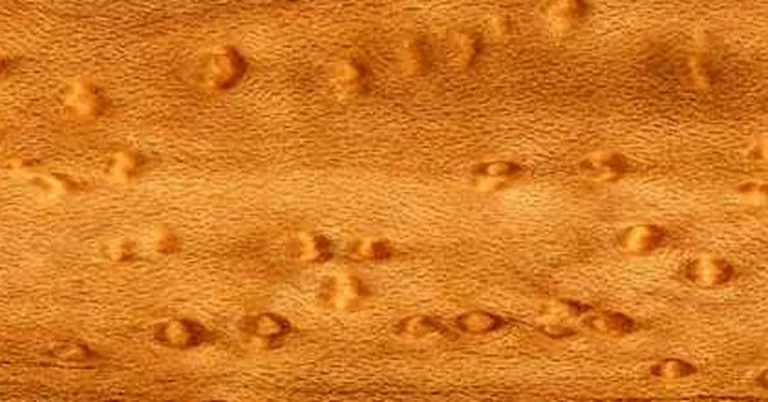
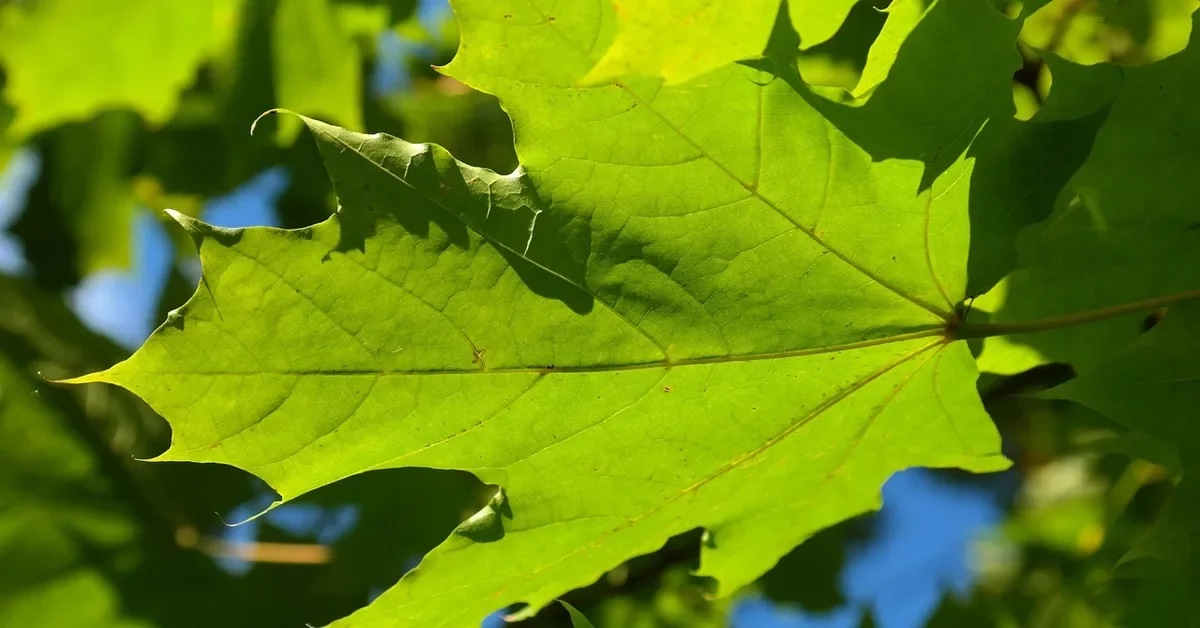
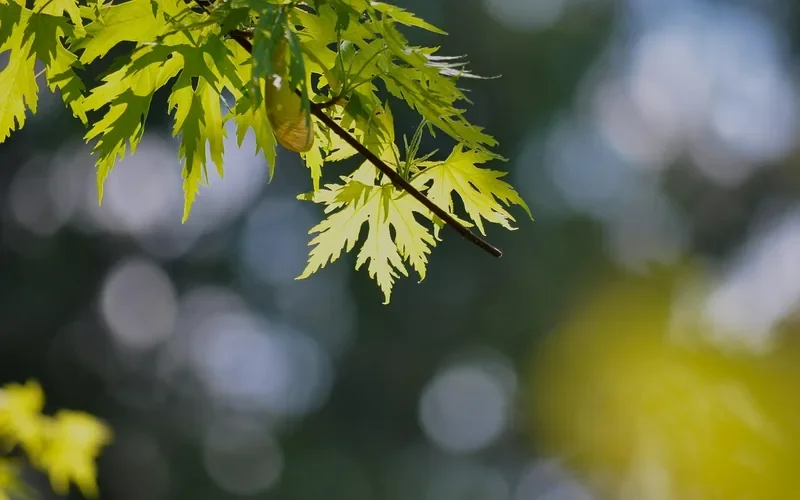
Silver maple (Acer saccharinum) is a fast-growing hardwood tree native to the eastern United States and southern Canada, valued in woodworking for its pale, straight-to-wavy grain and easy machinability rather than raw strength. It belongs to the soapberry family (Sapindaceae) and is one of several species grouped under the trade name “soft maple” — a category that also includes red maple — to distinguish it from denser sugar maple (“hard maple”). Sapwood runs from almost white to light golden, heartwood is a darker reddish-brown, and boards occasionally show curly or quilted figure that furniture makers pay a premium for.
Best Pre-Stain Pick for Silver Maple
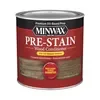 |
Minwax Pre-Stain Wood Conditioner (1/2 Pint) – $6.56 Applied before an oil-based stain, this conditioner evens out absorption on silver maple’s porous grain — Minwax specifically lists maple among the woods prone to the blotchy staining this guide covers below.
|
As an Amazon Associate we earn from qualifying purchases.
Silver Maple Wood Properties
Silver maple’s numbers explain both its appeal and its limits in the shop:
| Property | Value |
|---|---|
| Janka hardness | 700 lbf |
| Specific gravity (green / dry) | 0.44 / 0.53 |
| Average dried weight | ~33 lb/ft³ |
| Grain | Generally straight, sometimes wavy or curly/quilted |
| Texture | Fine, even |
| Color | White to light golden sapwood; reddish-brown heartwood |
📊 Silver maple’s Janka hardness of 700 lbf is less than half of hickory’s 1,820 lbf and well under sugar maple’s 1,450 lbf — Source: The Wood Database, Silver Maple
Silver Maple vs. Red Maple vs. Sugar Maple
The three maples woodworkers mix up most often differ mainly in hardness — not color or grain:
| Species | Janka Hardness | Best For |
|---|---|---|
| Silver maple | 700 lbf | Turned items, boxes, interior trim, light-use furniture |
| Red maple | 950 lbf | Flooring, cabinetry, everyday furniture |
| Sugar maple (hard maple) | 1,450 lbf | Countertops, workbenches, high-traffic flooring |
Is Silver Maple Wood Good for Woodworking?
Yes, for furniture, cabinetry, turned items, and interior trim — but not for flooring, workbenches, or anything under constant heavy wear. Its softness (700 lbf) makes it easier to cut and shape than sugar maple, and it glues, turns, and finishes well, but the same softness means tabletops and floors show dents fast.
Common uses today include:
- Furniture and cabinet parts (non-structural): drawer fronts, panels, and low-wear frame pieces where weight matters more than dent resistance
- Turned bowls and small specialty items: curly or quilted figure, when present, makes striking turned pieces
- Veneer and plywood cores: the pale, even color slices well for face veneer
- Boxes, crates, and pallets: low cost and easy machinability suit disposable or utility items
- Musical instrument parts: some luthiers use it for necks and bodies where tone matters more than hardness
- Interior trim and moldings: takes paint and light stain well for baseboards and casings
Related reading: see how silver maple stacks up against other species in our hardwood and softwood guide, or compare it directly to sugar maple’s hardness and uses if you’re choosing between the two for a specific project.
Common Mistakes When Working With Silver Maple
Burning the Wood With High-Speed Router Bits
Silver maple’s softness works against you at the router table: high-speed cutters can scorch the wood fibers instead of cleanly shearing them, leaving dark burn streaks along the cut edge. Slow the feed rate, take lighter passes, and keep bits sharp — a dull bit generates far more friction heat on soft maple than on denser hardwoods.
Blotchy, Uneven Stain Absorption
Like other porous, fine-grained woods (pine, birch, alder), silver maple absorbs oil-based stain unevenly, leaving dark blotches where end grain and figure soak up more pigment. A pre-stain wood conditioner applied first evens out absorption before the stain goes on — see the pick above.
Buying Boards With Center Rot
Standing silver maple trees are prone to heart rot — decay that spreads from the center outward — so a board cut too close to the pith can hide soft, punky spots that only show up after milling. Inspect the end grain of any board before buying and avoid lumber cut through the center of large-diameter logs.
Cupping and Twisting During Drying
Millers who’ve worked with silver maple report more cupping and twisting during kiln drying than with sugar or red maple. Sticker boards evenly, dry slowly, and expect a higher waste percentage than you’d budget for hard maple on the same project.
Why Silver Maple Lumber Is Cheaper Than Hard Maple
Silver maple isn’t harvested commercially on the scale of sugar maple — sawmills report it cups and twists more during drying, and its lower hardness limits its use in the flooring and cabinetry markets that drive hard maple demand. That lower commercial demand, combined with the fact that many silver maple logs come from municipal tree removals (it’s a fast-growing, brittle species that cities frequently cut down for storm damage or root problems near sidewalks), means it’s often priced well below sugar maple at local sawmills and hardwood dealers — sometimes available as cheap or free urban salvage lumber where sugar maple would run several dollars per board foot.
That price advantage is real, but budget for a higher waste percentage: expect to cull more boards for cupping, twisting, or hidden center rot than you would from a load of commercially graded sugar maple.
There’s also a sustainability angle worth noting: because so much silver maple lumber enters the supply chain as a byproduct of municipal tree removal rather than purpose-grown forestry, using it for a project is closer to salvage woodworking than harvesting a slow-growing, purpose-cut hardwood. If sourcing locally milled wood matters to you, ask sawyers and urban lumber mills in your area whether they process silver maple — many do, specifically because the trees are already coming down.
Finishing Tips for Silver Maple
Beyond the pre-stain conditioner covered above, a few habits make silver maple finish more predictably:
- Sand progressively through at least 150, 180, and 220 grit — skipping grits leaves scratches that show more on pale wood than on darker species
- Test stain and conditioner on an offcut from the same board first, since absorption varies even within one piece
- Prefer a gel stain or toner over a thin liquid stain if you skip conditioning — gel stains sit on the surface rather than soaking unevenly into end grain
- Seal with a film finish (polyurethane, lacquer) rather than an oil finish alone if the piece will see moisture or daily handling
Frequently Asked Questions
Is silver maple a hardwood or softwood?
Silver maple is botanically a hardwood (it comes from a broadleaf, deciduous tree), but it’s grouped commercially as a “soft maple” because its 700 lbf Janka rating is far below sugar maple’s 1,450 lbf. Hardwood/softwood refers to tree type, not actual density.
How hard is silver maple wood compared to sugar maple?
Silver maple has a Janka hardness of 700 lbf, less than half of sugar maple’s 1,450 lbf. Red maple falls in between at 950 lbf. In practical terms, silver maple dents and scratches noticeably faster than hard maple flooring or countertops.
Is silver maple wood good for furniture?
Yes, for furniture that isn’t subjected to constant heavy wear. Its fine, even grain and light color finish well, and it’s easier to cut and shape than sugar maple. Avoid it for tabletops or chair seats that take daily abuse.
Does silver maple wood rot easily?
Standing silver maple trees are prone to heart rot spreading from the center outward, so lumber cut near the pith can contain hidden soft spots. Once milled and properly dried, the wood itself resists decay reasonably well in dry, indoor use.
Can you stain silver maple wood without blotching?
Yes, but only with a pre-stain wood conditioner applied first. Silver maple’s porous, fine grain absorbs oil-based stain unevenly on bare wood, which is why manufacturers like Minwax specifically list maple among the species that need conditioning before staining.
Is silver maple wood expensive?
No, it’s typically cheaper than sugar or red maple. Lower commercial demand and a higher percentage of urban salvage lumber (from tree removals) keep prices down, though you should budget for more waste from cupping, twisting, or hidden center rot.
Conclusion
Silver maple earns its place in the shop as an affordable, easy-to-work hardwood for furniture, turned pieces, and trim — just don’t expect hard-maple durability from a wood rated at half its Janka hardness. Condition it before staining, inspect boards for center rot, and save the flooring and workbench projects for sugar or red maple instead.
Sponsored / affiliate links. As an Amazon Associate I earn from qualifying purchases. I may earn additional commission from eligible campaigns.