Wood Burning Forced Air Furnace: A Simple Guide
I grew up in a chilly Minnesota home where winters felt endless. My dad installed a wood burning forced air furnace, and it changed everything—our house was cozy all season! In this article, I’ll share what I’ve learned about these furnaces. You’ll find out what they are, how they work, and tips to use them well. Whether you’re new to wood furnaces or a pro, I’ll keep it simple and fun. Let’s dive into the world of warm, wood-powered heat!
What Is a Wood Burning Forced Air Furnace?
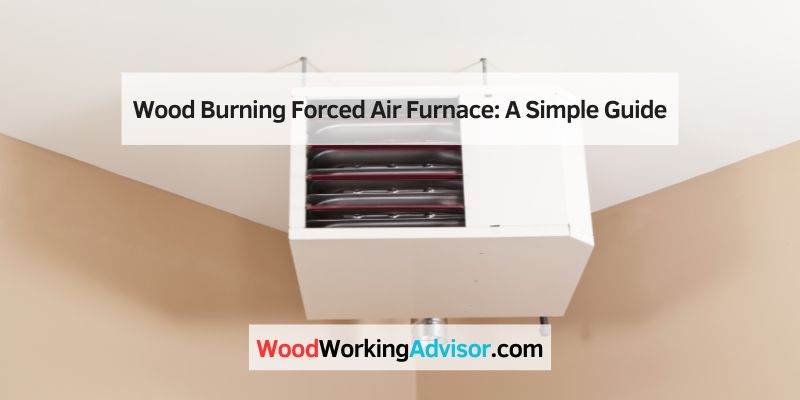
A wood burning forced air furnace is a heating system that burns wood to create hot air. This air gets pushed through ducts to warm your home.
It’s different from a wood stove because it uses a blower to spread heat. I remember my dad loading logs into ours—it was like a big, warm beast in the basement! These furnaces are great for big spaces and can save money if you have access to cheap wood.
How Does It Work?
The furnace has a firebox where wood burns. The heat warms air in a chamber. A fan blows this hot air through ducts to your rooms. Smoke goes out through a chimney. It’s simple but powerful! I love how ours kept the whole house toasty, even during snowstorms.
Benefits of a Wood Burning Forced Air Furnace
These furnaces have lots of perks. Here are some:
- Saves money: Wood is often cheaper than gas or electricity.
- Eco-friendly: Wood is a renewable resource.
- Reliable heat: Works even during power outages.
But there are drawbacks. They need regular cleaning, and you must load wood often. Also, some models create more smoke than others.
Indoor vs. Outdoor Wood Furnaces
There are two main types of wood burning forced air furnaces. Indoor ones go in your basement or utility room. Outdoor ones sit outside and send heat through insulated ducts.
| Feature | Indoor Furnace | Outdoor Furnace |
|---|---|---|
| Location | Inside home | Outside home |
| Space Needed | Takes indoor space | Saves indoor space |
| Installation | Easier duct setup | Needs insulated ducts |
| Maintenance | Easier to clean | Weather exposure |
Caption: Comparing indoor and outdoor wood burning forced air furnaces.
I prefer indoor furnaces because they’re easier to maintain. My neighbor has an outdoor one, though, and loves keeping the mess outside!
How to Choose the Right Furnace
Picking a furnace depends on your home and needs. Consider these:
- Size: Match the furnace’s BTU output to your home’s size. A 2,000 sq. ft. home needs about 80,000 BTUs.
- Efficiency: Look for EPA-certified models. They burn cleaner and save wood.
- Cost: Prices range from $2,000 to $12,000, depending on features.
Check out trusted brands like Fire Chief or Kuuma. I learned the hard way—don’t buy a cheap model! It broke down fast.
Step-by-Step Guide to Using a Wood Burning Forced Air Furnace
Using a furnace is easy with practice. Here’s how:
- Check the firebox: Make sure it’s clean.
- Load dry wood: Use seasoned wood to avoid smoke.
- Light the fire: Start with small kindling.
- Adjust the damper: Control airflow for steady burning.
- Turn on the blower: Let it push warm air out.
- Clean regularly: Remove ash to keep it efficient.
I always keep a stack of dry logs ready. Wet wood makes too much smoke!
Safety Tips for Wood Burning Forced Air Furnaces
Safety is super important. Follow these tips:
- Use a chimney liner: It prevents dangerous creosote buildup.
- Install a smoke detector: Be safe from fire risks.
- Clean the chimney yearly: A pro can do it best.
Once, I forgot to clean the ash pan, and the furnace smoked up! Don’t make that mistake.
Cost-Saving Ideas
Wood furnaces can save you money. Here’s how:
- Get free wood: Ask local tree services for logs.
- Burn efficiently: Use dry, seasoned wood for longer burns.
- Maintain regularly: A clean furnace works better.
My uncle gets free wood from his farm. It cuts his heating bill in half!
Common Mistakes to Avoid
Avoid these to keep your furnace running well:
- Burning wet wood: It creates smoke and creosote.
- Skipping maintenance: Ash buildup lowers efficiency.
- Wrong size furnace: Too small won’t heat enough.
I once used green wood—big mistake! The house filled with smoke.
Comparing Wood Furnaces to Other Heating Options
| Heating Type | Cost | Efficiency | Ease of Use |
|---|---|---|---|
| Wood Furnace | Low (with free wood) | High (EPA models) | Moderate |
| Gas Furnace | High | High | Easy |
| Electric Heat | Very high | Moderate | Very easy |
Caption: How wood burning forced air furnaces compare to other heating.
I switched from electric heat to a wood furnace. My bills dropped a lot!
Visual Ideas for Better Understanding
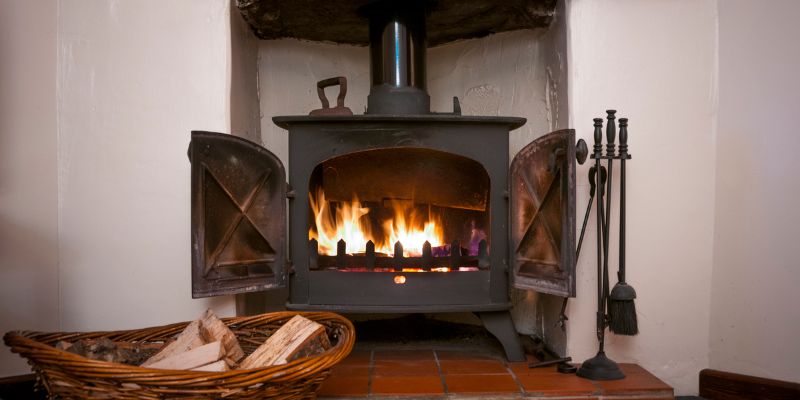
Here are some visuals that could help (not included):
- Diagram of airflow: Show how hot air moves through ducts.
- Firebox setup: Picture of how to stack wood.
- Chimney cleaning: Simple sketch of a clean chimney.
These would make learning easier, especially for beginners!
My Personal Tips
After years of using a wood burning forced air furnace, here’s my advice:
- Split wood small: It burns better and faster.
- Check the blower monthly: Dust can slow it down.
- Keep a fire extinguisher nearby: Just in case!
I learned to split wood evenly—it makes a big difference.
Frequently Asked Questions
What is a wood burning forced air furnace?
It’s a heating system that burns wood to make hot air. A fan pushes the air through ducts to warm your home. It’s great for big houses and saves money if you have wood.
How much does a wood furnace cost?
Prices range from $2,000 to $12,000, depending on size and features. Installation might add $1,000-$3,000. Free wood can make it cheaper than gas or electric heat.
Is a wood furnace safe?
Yes, if you follow safety rules. Use a chimney liner, clean ash regularly, and install smoke detectors. I check my furnace monthly to stay safe.
How do I maintain a wood furnace?
Clean the ash pan weekly and the chimney yearly. Use dry wood to avoid creosote. A pro chimney sweep can help keep it in top shape.
Can I install a wood furnace myself?
It’s possible but tricky. You need to set up ducts and electrical parts. I hired a pro for mine—it was worth it for safety.
What’s the best wood to use?
Dry, seasoned hardwood like oak or maple burns best. It makes less smoke and more heat. I avoid pine—it’s too sappy.
Are wood furnaces eco-friendly?
Yes, if EPA-certified. They burn cleaner and use renewable wood. But you must maintain them to keep emissions low.
Conclusion
A wood burning forced air furnace is a great way to heat your home. It’s affordable, reliable, and eco-friendly with the right care. I love how cozy my house feels with mine! Try starting with a small furnace if you’re new to it. Share your wood furnace stories in the comments—I’d love to hear them! Check out EPA’s Burn Wise for more tips. Stay warm and have fun!