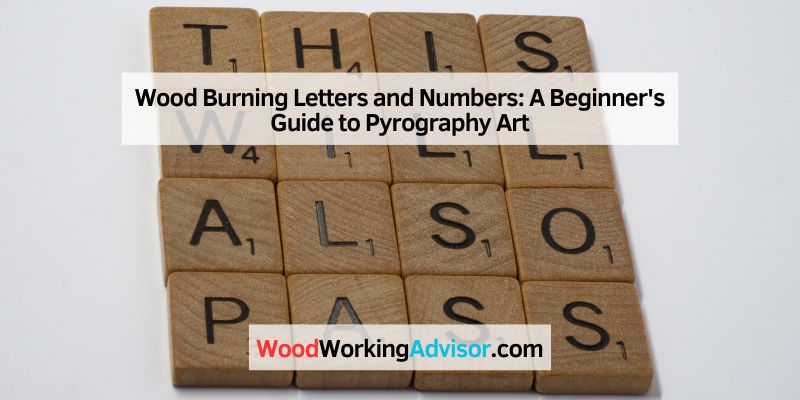
Wood Burning Letters and Numbers: A Beginner’s Guide to Pyrography Art
Hey there! If you’ve ever seen beautifully crafted wooden signs with crisp, charred letters or numbers and wondered how they’re made, you’re in for a treat. I’ve spent countless hours exploring the art of wood burning, also known as pyrography, and I’m excited to share my journey with you. Wood burning letters and numbers is a fantastic way to add a personal touch to gifts, home décor, or even small business projects. It’s a craft that’s both relaxing and rewarding, and trust me, once you start, it’s hard to stop! In this guide, I’ll walk you through everything I’ve learned about creating stunning wood-burned designs, from choosing tools to mastering techniques. Let’s dive in and bring your wooden creations to life!
What Is Wood Burning, and Why Letters and Numbers?
Wood burning is the art of using a heated tool to etch designs, patterns, or text onto wood. When it comes to letters and numbers, it’s all about precision and creativity. I first got hooked when I saw a rustic wooden sign at a craft fair with the words “Home Sweet Home” burned into it. The contrast of the dark, charred lines against the natural wood grain was mesmerizing. Letters and numbers are perfect for beginners because they’re structured yet versatile. You can create anything from monogrammed coasters to personalized house numbers. Plus, they’re a great way to practice control with your wood burning tool before tackling more complex designs.
The beauty of this craft is its simplicity. You don’t need to be an artist to make something beautiful. With a steady hand and a bit of patience, you can create professional-looking pieces. I’ve found that wood burning letters and numbers is also a fantastic way to make thoughtful gifts. Imagine gifting a custom wooden plaque with a friend’s initials or a special date—it’s personal, heartfelt, and one-of-a-kind.
Choosing the Right Tools for Wood Burning
When I started, I was overwhelmed by the variety of tools out there. But don’t worry—I’ve got you covered with the essentials. A good wood burning tool, also called a pyrography pen, is your main investment. There are two types: basic soldering-iron style pens and more advanced variable-temperature pens. I started with a basic $15 pen from a craft store, and it worked fine for simple letters. But if you’re serious, a variable-temperature pen gives you better control over the heat, which is key for clean lines and shading.
You’ll also need wood burning tips or nibs. These are the metal attachments that screw onto the pen, and each one creates a different effect. For letters and numbers, I recommend a universal tip (great for outlining) and a calligraphy tip (perfect for bold, thick lines). Some kits come with multiple tips, so you can experiment. Other must-haves include sandpaper to smooth your wood, a ruler for straight lines, transfer paper for tracing designs, and safety gear like gloves and a mask to avoid inhaling fumes.
Here’s a quick table to help you choose your tools:
| Tool | Purpose | Beginner-Friendly? | Price Range |
|---|---|---|---|
| Basic Pyrography Pen | Simple designs, fixed heat | Yes | $10–$30 |
| Variable-Temperature Pen | Precise control, versatile designs | Yes (with practice) | $40–$100 |
| Universal Tip | Outlining letters and numbers | Yes | $5–$15 |
| Calligraphy Tip | Bold, thick lines for letters | Yes | $5–$15 |
| Transfer Paper | Tracing designs onto wood | Yes | $5–$10 |
| Sandpaper (120–220 grit) | Smoothing wood surface | Yes | $5–$10 |
One tip from my experience: don’t skimp on safety. Wood burning produces smoke, so work in a well-ventilated area or use a small fan to direct fumes away. I learned this the hard way after a headache-inducing session in my garage!
Selecting the Perfect Wood for Your Project
Not all wood is created equal for pyrography. When I started, I grabbed whatever scraps I had lying around, only to realize some woods burn better than others. Softwoods like pine, basswood, and cedar are my go-to choices for beginners. They’re lightweight, affordable, and burn smoothly without too much resistance. Basswood, in particular, is a dream—its light color and minimal grain make letters pop. Hardwoods like oak or maple are trickier because they’re denser, but they’re great for durable projects like signs.
The wood’s surface matters too. Always sand it smooth with 120–220 grit sandpaper to avoid jagged burns. I once tried burning on rough pine, and the letters looked like they’d been written by a toddler! Also, avoid treated or painted wood, as it can release toxic fumes when burned. If you’re buying wood, craft stores sell pre-cut basswood plaques perfect for practice. For numbers, I love using small wooden rounds for coasters or tags—they’re cheap and forgiving.
Preparing Your Design: Tips and Tricks
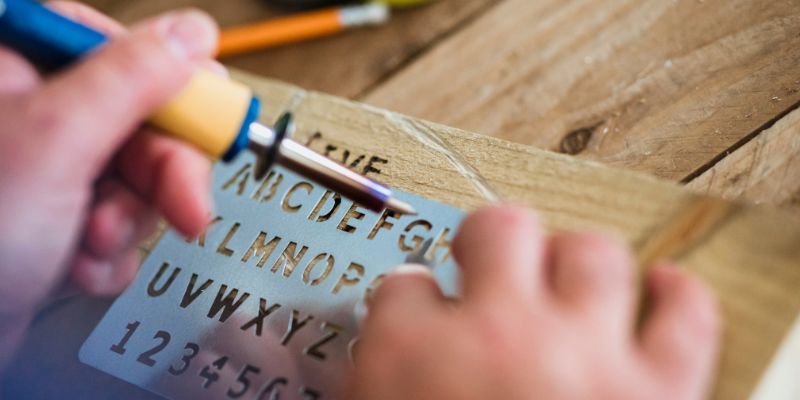
Before you touch the wood with your pen, you need a plan. I’m not the best at freehand drawing, so I rely on stencils and transfer paper. Here’s how I do it: I print or draw my letters and numbers on regular paper, then use transfer paper to trace the design onto the wood. Graphite transfer paper works like magic—just place it between your design and the wood, then trace with a pencil. The design transfers faintly, giving you a guide to follow.
If you’re confident with freehand, sketch lightly with a pencil directly on the wood. I recommend simple, bold fonts like Arial or Helvetica for beginners—they’re easier to burn than cursive or intricate scripts. For numbers, stick to clean, blocky styles. You can find free printable stencils online or use word processing software to create custom text. One trick I learned: tape your wood to your workspace to keep it steady while tracing. It saves so much frustration!
Mastering Wood Burning Techniques for Letters
Now, let’s get to the fun part—burning! When I first tried burning letters, I pressed too hard and ended up with blotchy lines. The key is to let the heat do the work. Hold the pen like a pencil, keep it at a 45-degree angle, and move slowly but steadily. For straight lines (like the letter “I” or number “1”), pull the pen toward you for better control. For curves (like “O” or “6”), rotate the wood slightly as you burn to follow the shape.
Temperature control is crucial. If your pen has adjustable heat, start low (around 300–400°F) for thin lines and increase for bolder ones. I burned my first project on high heat, and the letters looked like they’d been attacked by a blowtorch! Practice on scrap wood to get a feel for the heat and speed. For numbers, I find it helps to outline first, then fill in if you want a bolder look. If you’re using a calligraphy tip, tilt it slightly to create thick, elegant strokes.
Adding Style to Your Letters and Numbers
Once you’re comfortable with basic burning, it’s time to get creative. I love experimenting with ways to make letters and numbers stand out. Shading is a great technique—use a shading tip or lower heat to create gradients around your letters. It adds depth, especially for monograms. You can also try cross-hatching (burning intersecting lines) for texture.
Another trick is mixing fonts or sizes. For example, I made a wedding gift with the couple’s initials in a large, bold font and their wedding date in smaller numbers below. It looked professional but was so easy! You can also add decorative elements like vines or dots around your letters. If you mess up, don’t panic—lightly sand the area and try again. I’ve saved many projects this way!
Finishing and Protecting Your Wood Burned Art
After burning, your piece isn’t quite done. I learned this after my first sign faded from sunlight exposure. Sand lightly to remove any pencil marks, then clean the surface with a damp cloth. To protect your work, apply a clear sealant like polyurethane or polycrylic. I prefer water-based sealants because they don’t yellow the wood. Brush or spray it on in thin layers, letting each layer dry completely.
If you want to add color, acrylic paints or wood stains work well. I’ve used a light walnut stain to make letters pop against a darker background. Just be careful not to cover your burned design. For outdoor projects like house numbers, use a weatherproof sealant and reapply every year. My front porch sign has lasted three years thanks to this trick!
Common Mistakes and How to Avoid Them
I’ve made plenty of mistakes in my wood burning journey, so let me save you some trouble. First, don’t rush. Burning too quickly leads to uneven lines. Take your time, especially on curves. Second, avoid pressing too hard—it scorches the wood and ruins your pen’s tip. Third, test your pen’s heat on scrap wood before starting. I once burned a client’s custom sign on the wrong heat setting and had to start over!
Another common issue is wood grain interfering with your lines. Softwoods like basswood minimize this, but if you’re using a grainy wood like oak, burn lightly to avoid following the grain instead of your design. Finally, don’t skip ventilation. I thought I could “tough it out” in a small room, but the fumes gave me a headache. Open a window or use a fan.
Inspiration for Your Wood Burning Projects
Need ideas? The possibilities are endless! I’ve made personalized coasters with initials, house number signs, and even a growth chart for my niece with numbers burned along the side. You can create name plaques for kids’ rooms, welcome signs for your porch, or gift tags for holidays. One of my favorite projects was a set of wooden bookmarks with inspirational words like “Dream” and “Hope.” They were a hit at my local craft market!
For numbers, think beyond house signs. Burn important dates—like anniversaries or birthdays—onto small wooden plaques for gifts. You can also make wooden clocks with burned numbers or countdown signs for events. The key is to start small and build confidence. My first project was a simple “A” on a basswood round, and now I’m tackling full quotes!
Where to Find Supplies and Resources
When I started, finding supplies was tricky. Local craft stores like Michaels or Hobby Lobby carry basic pyrography kits and wood pieces. Online, Amazon has affordable pens and tips, while sites like Etsy offer unique wood blanks. For inspiration, Pinterest and YouTube are goldmines. I’ve watched countless tutorials to learn new techniques, and many artists share free stencils. If you’re in the USA, check out Walnut Hollow—they make excellent basswood plaques and tools.
Joining a woodworking or pyrography community can also help. I’m part of a local craft group where we share tips and show off projects. Online forums like Reddit’s r/Pyrography are great for troubleshooting and ideas. Don’t be afraid to ask questions—every wood burner I’ve met loves sharing their passion!

Conclusion
Wood burning letters and numbers is more than a craft—it’s a way to express yourself and create something truly special. From the first time I held a pyrography pen to now, crafting signs for friends and family, this hobby has brought me so much joy. It’s forgiving for beginners yet offers endless possibilities as you grow. Whether you’re making a simple monogram or a detailed house sign, the process is meditative and the results are stunning. Grab a pen, pick up some basswood, and start burning—you’ll be amazed at what you can create. I can’t wait to hear about your projects, so give it a try and let your creativity shine!
Frequently Asked Questions
What’s the best wood for burning letters and numbers?
Softwoods like basswood and pine are ideal for beginners. They’re easy to burn and have minimal grain, making your letters look clean and sharp. Basswood is my favorite because its light color shows off designs beautifully.
Can I wood burn without a stencil?
Yes, you can! If you’re confident, sketch your design lightly with a pencil. For cleaner results, I recommend using stencils or transfer paper, especially for complex fonts or numbers.
How do I avoid burning too deeply?
Use a low heat setting and move the pen slowly without pressing hard. Practice on scrap wood to find the right temperature. If you’re using a variable-temperature pen, start at 300°F and adjust as needed.
Is wood burning safe?
It’s safe if you take precautions. Work in a well-ventilated area, wear a mask to avoid fumes, and keep a fire extinguisher nearby. I always keep a glass of water on hand, just in case!
How long does it take to learn wood burning?
You can create simple letters and numbers within a few hours of practice. Mastering techniques like shading takes longer, but I was making decent projects within a week of daily practice.
Can I sell my wood burned creations?
Absolutely! I’ve sold coasters and signs at local craft fairs. Just ensure your pieces are well-finished with sealant for durability. Etsy and local markets are great places to start.