Harbor Freight Wood Burning Tool: SCHNEIDER 30W Review & Setup Tips
Yes — Harbor Freight sells a wood burning tool. It’s the SCHNEIDER 30 Watt 5-in-1 Hobby Woodburner (Item #58863), and it currently lists for $12.99. It’s a single fixed-temperature unit that ships with 9 interchangeable tips, and it’s also sold as a general-purpose soldering/craft tool, not a dedicated pyrography station. That distinction matters more than the price does — it changes what the tool can and can’t do once you start burning.
Harbor Freight’s Wood Burning Tool: What You Actually Get
Best Upgrade If You Outgrow the Basic Kit
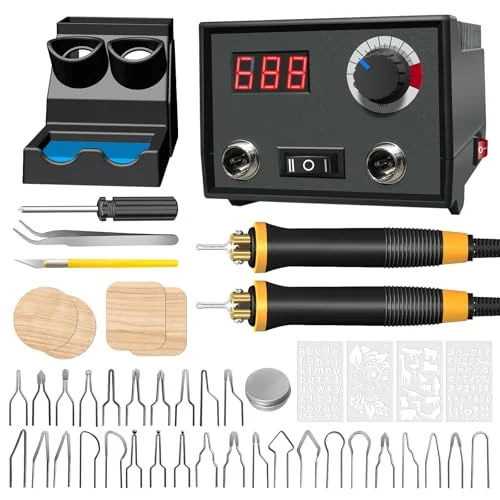 |
FIRElood Digital Wood Burning Kit – $39.99 Unlike Harbor Freight’s fixed-temperature 30W unit, this kit has a digital readout and dial that adjusts from 25–750℃, plus two pens and 30 tips for finer shading control.
|
The SCHNEIDER 30W unit (Item #58863) is built around a single soldering-iron-style pen that heats to one fixed temperature — there’s no dial or digital readout. In the box: the pen, a stand, and 9 tips covering basic line work, shading, and a couple of stamp-style tips for repeating patterns. At 30 watts, it runs noticeably cooler than dedicated pyrography stations (most of which run 40-60W with adjustable output), which means slower burns and less contrast between light and dark passes.
That’s not a flaw so much as a design choice: at $12.99, this is priced as an entry tool, not a hobbyist’s main unit. It’s a reasonable way to find out if you actually enjoy pyrography before spending $40-80+ on a temperature-adjustable kit.
Fixed vs. Adjustable Temperature: Why It Actually Matters
Wood starts to visibly char around 300–350°F and burns darker the longer the tip stays in contact or the hotter it runs. A tool with adjustable temperature lets you dial down for light tan shading and dial up for near-black outlines using the same tip. A fixed-temperature tool like Harbor Freight’s only gives you one variable to work with: how long you hold the tip down and how much pressure you use.
In practice, that means shading gradients are harder to control with the SCHNEIDER unit — you’ll get more consistent results on line art and lettering (where you mostly want one dark, even line) than on shaded portraits or landscapes where several shades of brown need to sit next to each other.
Setting Up and Using the SCHNEIDER Woodburner Safely
Give the pen 3-5 minutes to reach full temperature before starting — testing on scrap the moment you plug it in usually just produces a faint, inconsistent mark. Always set the pen in its stand between passes; at 30W it won’t glow red, so it’s easy to forget it’s still hot enough to burn skin or scorch a table.
- Work in a ventilated space — wood smoke at this scale is a minor irritant, not a serious hazard, but an open window or fan helps over long sessions
- Clamp small pieces down; a moving workpiece is the most common cause of a slipped, wandering line
- Wipe the tip on a damp sponge (not your fingers) to clear built-up carbon between detailed sections
- Let the tool cool fully on its stand before swapping tips — the collet stays hot longer than it looks
Beginner Techniques That Work Well on a Single-Temperature Tool
Since you can’t dial down the heat, control comes entirely from speed and pressure. Slow, steady strokes with light pressure burn a thin, medium-toned line; slowing down further and adding pressure darkens it. Practice both on scrap pine before touching your actual project — pine’s soft, uneven grain burns faster along the grain lines than across them, which catches most beginners off guard on their first piece.
Basic techniques worth practicing first: outlining (tracing a stencil or drawn design at a steady pace), stippling (dotting the tip repeatedly for a textured fill instead of a solid burn), and the stamp tips included in the kit, which press a repeating pattern in one motion — useful for borders without needing steady freehand control.
What Wood Works Best With a Fixed-Temperature Tool
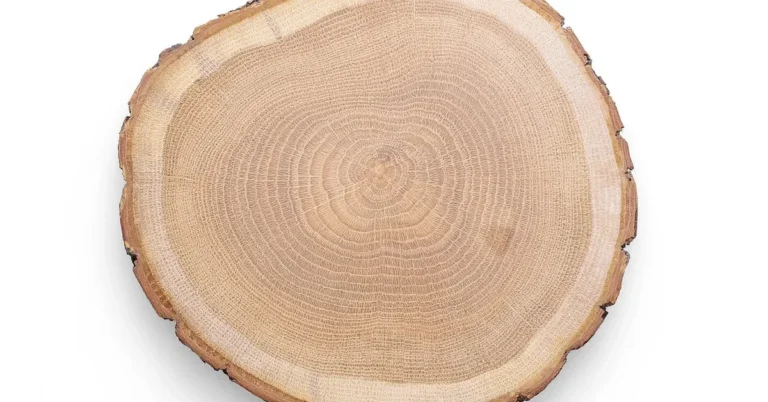
Basswood is the easiest wood to learn on — it’s soft, has a tight, even grain, and takes a consistent burn at almost any speed, which is why most pyrography starter kits and craft-store project boards are basswood. Pine, the wood most beginners actually have on hand, is more forgiving on cost but tougher to control: its grain alternates between soft, fast-burning spring growth and denser, slower summer growth rings, so a single steady pass can come out with visible light-dark banding you didn’t intend. Poplar sits in between — a bit more resistance than basswood but still even enough for line work.
Hardwoods like oak, maple, and walnut are harder going on a fixed-temperature 30W tool specifically, since you don’t have the extra heat headroom to push through denser grain at a reasonable pace — you’ll end up holding the tip down longer per stroke, which reduces control rather than improving it. If a project calls for hardwood, expect noticeably slower going and more hand fatigue than the same design burned into basswood or pine.
Project Ideas Suited to a Basic Woodburner
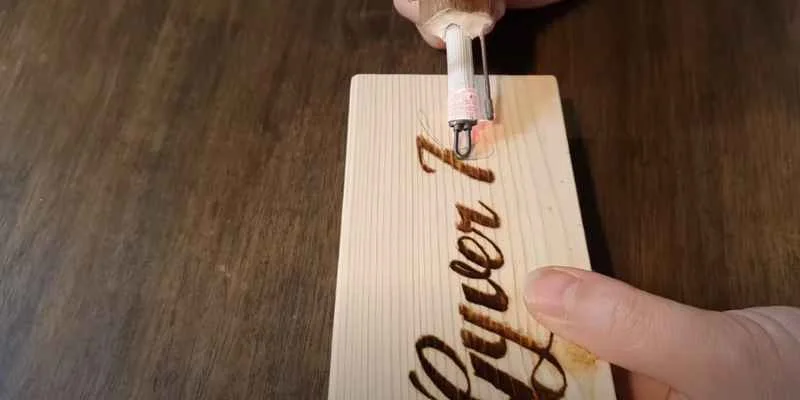
Given the single-temperature limitation, projects that rely on clean line work rather than tonal shading get the best results: cutting boards with lettering, coasters with simple line-art designs, wooden signs, and personalized gift tags all lean on outline-and-fill work the SCHNEIDER unit handles well. Save detailed shaded portraits or landscape scenes for after you’ve upgraded to an adjustable-temperature pen — they’re possible on a fixed-temp tool, but noticeably harder to control.
Maintenance and Tip Care
Carbon buildup on the tip is the main thing that degrades line quality over time — a blackened tip burns unevenly and can leave rough edges instead of a clean line. Wipe it on a damp sponge while still warm (not hot) rather than letting carbon bake on. Store tips in the included stand or a small tin rather than loose in a drawer; the fine points bend easily and a bent tip won’t sit flush against the wood.
Troubleshooting Common Problems
- Line comes out patchy or inconsistent: almost always inconsistent speed — slow down and keep pressure steady rather than trying to correct mid-stroke
- Tip won’t hold a mark at all: give it the full 3-5 minute warm-up; testing too early is the most common cause, not a defective unit
- Wood scorches wider than the tip: you’re holding the tip down too long in one spot — lift and reposition more often instead of dragging slowly through a long line
- Smell is stronger than expected: normal for softwoods with more resin (pine, cedar); switch to basswood or poplar, or work near an open window
- Tips keep loosening in the collet: let the tool cool fully before changing tips — swapping a hot tip can leave the collet slightly expanded and less snug on the next tip
When to Upgrade Beyond Harbor Freight’s Basic Kit
The SCHNEIDER 30W kit is a fair way to test whether pyrography is a hobby worth pursuing. Once you know it is, the fixed temperature becomes the main limitation — that’s the point to move to a digital, adjustable-temperature unit like the pick above, which adds real shading control and a second pen for running two tip styles without stopping to swap.
How the SCHNEIDER 30W Stacks Up Against Other Sub-$20 Kits
Most woodburning kits under $20 — whether from Harbor Freight, a craft store, or a generic online listing — share the same basic design: a single fixed-temperature pen in the 20-30W range with a handful of interchangeable tips. At this price tier, the real differences come down to tip count and quality, not power or features. The SCHNEIDER’s 9 tips is on the higher end for this price bracket; some competing sub-$15 kits ship with as few as 4-5 tips and fewer stamp-style options for borders and repeating patterns.
What none of these budget kits offer, SCHNEIDER included, is temperature control — that feature doesn’t show up until you’re spending $35-40 and up. So the practical choice at this price point isn’t really “which brand,” it’s “how many tips do I get for my money,” since the core burning experience is nearly identical across fixed-temperature 20-30W pens regardless of who makes them.
Frequently Asked Questions
Does Harbor Freight sell a wood burning tool?
Yes. It’s sold as the SCHNEIDER 30 Watt 5-in-1 Hobby Woodburner, Item #58863, priced at $12.99 and available both online and in-store.
Can you adjust the temperature on Harbor Freight’s woodburner?
No. The SCHNEIDER 30W unit runs at one fixed temperature. Shading control comes from your speed and pressure, not a dial — if you need adjustable heat, look at a 40-60W digital kit instead.
What tips come with the Harbor Freight wood burning kit?
The kit ships with 9 interchangeable tips covering basic outlining, shading, and a couple of stamp-style tips for repeating patterns.
Is Harbor Freight’s wood burning tool good for beginners?
It’s a reasonable low-cost way to try pyrography, best suited to line-work projects like lettering and simple designs. For detailed shaded artwork, most hobbyists outgrow it within a few projects and move to an adjustable-temperature kit.
What wood is easiest to learn wood burning on?
Basswood is the easiest — soft, even grain, and a consistent burn at almost any speed. Pine is cheaper and more available but has alternating grain density that can cause uneven shading for beginners.
Can you use Harbor Freight’s wood burning tool on leather?
The SCHNEIDER kit’s tips are designed primarily for wood, but a fixed-temperature pyrography-style pen can mark vegetable-tanned leather similarly to wood. Test on a scrap piece first since leather burns and smells differently than wood at the same temperature.
Conclusion
Harbor Freight’s SCHNEIDER 30W woodburner is a legitimate $12.99 entry point into pyrography — not a serious hobbyist tool, but enough to learn the basics and decide if it’s worth investing further. If you’re burning lettering, borders, and simple line art, it’ll do the job. Once you want real shading control, the fixed temperature is the ceiling, and that’s the moment to move up to a digital, adjustable kit.
Sponsored / affiliate links. As an Amazon Associate I earn from qualifying purchases. I may earn additional commission from eligible campaigns.