Wood Burning Stove Ideas and Design
Hey there! If you’re thinking about adding a wood burning stove to your home, you’re in for a treat. I’ve spent countless hours exploring the world of wood stoves, from cozy cabins to modern homes, and I’m excited to share some creative ideas and design tips with you. A wood burning stove isn’t just about warmth—it’s a lifestyle choice that brings charm, ambiance, and a touch of nostalgia to any space. Whether you’re dreaming of a rustic retreat or a sleek, contemporary setup, there’s a wood stove design that’ll fit your vision. Let’s dive into some inspiring ideas to make your wood burning stove the heart of your home.
Why Choose a Wood Burning Stove?
I remember the first time I sat by a wood burning stove. The crackle of the fire, the glow of the flames—it felt like magic. Wood stoves are more than just heating devices. They create a cozy atmosphere that electric or gas heaters can’t match. They’re also eco-friendly if you source wood sustainably, and they can save you money on heating bills, especially in colder regions of the USA like the Northeast or Midwest.
A wood stove adds character to your home. It’s a focal point that draws people in, whether you’re hosting a holiday gathering or just curling up with a book. Plus, with modern designs, they’re safer and more efficient than ever. But choosing the right design and placement is key to making it work for your space. Let’s explore some ideas to spark your inspiration.
Classic Cast Iron Stoves for Timeless Charm
When I think of wood burning stoves, cast iron classics come to mind first. There’s something about their sturdy, old-world vibe that feels like home. I’ve seen these in cabins and farmhouses, and they never fail to impress. Cast iron stoves are durable, hold heat for hours, and come in designs that range from ornate to simple.
Picture a black cast iron stove with intricate detailing, sitting in a living room with exposed wooden beams. You can pair it with a stone hearth for a rustic look. Or, if your home leans more traditional, add a glossy enamel finish in deep green or navy blue. I once visited a friend in Vermont who had a red enameled cast iron stove in their kitchen—it was a showstopper!
For placement, I recommend a corner setup to save space. Surround it with a brick or slate hearth to enhance the classic feel. If you’re worried about maintenance, cast iron is forgiving—just clean out the ash regularly and check the chimney yearly.
Modern Minimalist Wood Stove Designs
If your home has a sleek, modern aesthetic, don’t worry—wood stoves can fit right in. I was skeptical at first, but after seeing a few contemporary designs, I’m sold. Modern wood stoves are all about clean lines, glass doors, and efficient burning technology. They’re perfect for urban lofts or minimalist homes.
Think of a stainless steel or matte black stove with a large glass window to showcase the fire. I saw one in a Seattle apartment that was mounted on a polished concrete hearth—it looked like it belonged in a design magazine. These stoves often have hidden ash pans and air controls, keeping the look uncluttered.
For a modern setup, place the stove against a smooth, painted wall or a tiled accent wall. Avoid busy patterns around it to keep the focus on the stove’s sleek design. If space is tight, consider a wall-mounted model. They’re compact and give off a futuristic vibe. Just make sure your flooring can handle the heat—ceramic tiles or concrete work best.
Small Space Solutions with Compact Stoves
Living in a small home or apartment doesn’t mean you have to skip the wood stove experience. I’ve explored tiny homes across the USA, and compact wood stoves are a game-changer. These little powerhouses are designed to fit in tight spaces without sacrificing heat or style.
One of my favorite finds was a cylindrical stove in a tiny cabin in Colorado. It was only about 18 inches wide but heated the entire 400-square-foot space. Look for models with a small footprint, like corner stoves or ones with built-in log storage to save space. Some even have cooktop surfaces, which is great if you want to boil a kettle or warm up soup.
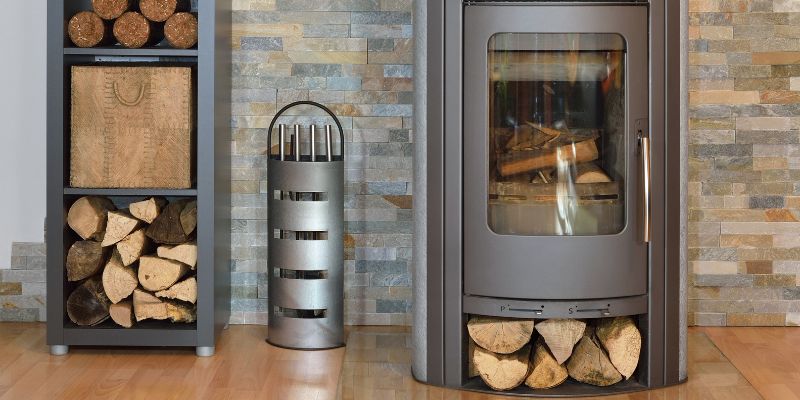
For small spaces, placement is everything. I suggest a corner installation or near a window for ventilation. Use a heat-resistant mat or tiles under the stove to protect your floors. And don’t forget a small, stylish log rack nearby—it keeps things tidy and adds to the aesthetic.
Freestanding vs. Fireplace Insert Stoves
Choosing between a freestanding wood stove and a fireplace insert can be tricky. I’ve weighed the pros and cons myself when helping a friend redesign their living room. Here’s a quick breakdown to help you decide:
| Feature | Freestanding Stove | Fireplace Insert |
|---|---|---|
| Look | Bold, standalone centerpiece | Fits into existing fireplace, more discreet |
| Installation | Flexible placement, needs a hearth | Requires an existing fireplace |
| Heat Output | Heats larger areas, radiates in all directions | Focused heat, good for smaller rooms |
| Cost | Often cheaper to install | May need chimney lining, higher install cost |
| Maintenance | Easier to clean and maintain | Trickier to access for cleaning |
Freestanding stoves are my go-to for flexibility. You can place them almost anywhere with proper venting. I love how they become the room’s focal point, especially in open-plan homes. Fireplace inserts, on the other hand, are great if you already have a masonry fireplace you don’t use. They’re less intrusive but still pack a punch in terms of heat.
I helped a neighbor install a freestanding stove in their den, and it transformed the space. If you go this route, make sure you have a certified installer check your chimney and venting setup. Safety first!
Creative Hearth and Surround Ideas
The hearth and surround around your wood stove can make or break the design. I’ve seen some stunning setups that turn a simple stove into a work of art. The hearth is the foundation, so choose materials that complement your home’s style.
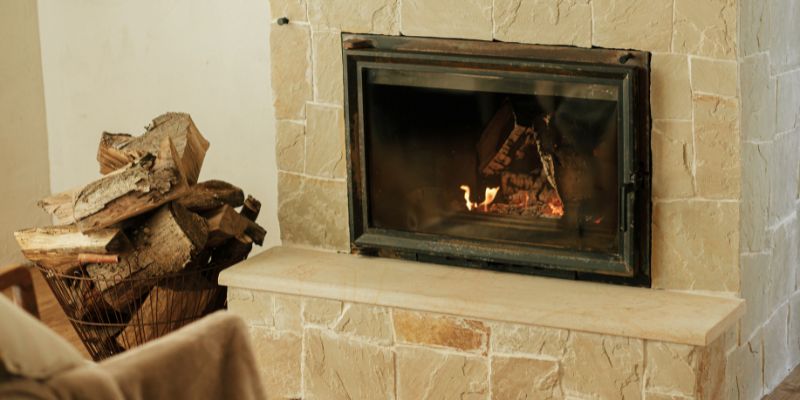
For a rustic look, I love natural stone like slate or river rock. I visited a cabin in Montana where the hearth was made of stacked fieldstone—it felt like it grew out of the earth. Brick is another classic choice, especially in red or whitewashed tones. If you’re going modern, try polished concrete or large-format ceramic tiles for a clean, seamless look.
The surround—the wall area behind the stove—offers even more room for creativity. I’m a fan of reclaimed wood panels for a cozy, farmhouse vibe. If you want something bolder, consider a mosaic tile backsplash in earthy tones. Just make sure the materials are heat-resistant and meet local fire codes.
One tip I’ve learned: extend the hearth a bit beyond the stove’s footprint. It creates a safer zone for stray sparks and gives you space to display a few decorative logs or a basket of kindling.
Incorporating Storage for Logs and Tools
One thing I’ve noticed in homes with wood stoves is the need for smart storage. Logs, firestarters, and tools can clutter up your space if you’re not careful. But with a little planning, storage can actually enhance your design.
I love built-in log nooks. A recessed shelf under or beside the stove keeps logs handy and looks intentional. I saw a setup in a Maine farmhouse where the hearth had a built-in cubby for logs—it was both practical and charming. If built-ins aren’t an option, consider a wrought iron log rack or a woven basket for a softer touch.
For tools like pokers and brushes, hang them on a sleek wall-mounted rack or tuck them into a ceramic holder. I once found a vintage brass toolset at a flea market that added a touch of elegance to a friend’s wood stove setup. Keep it functional but stylish, and you’ll love the result.
Eco-Friendly and Efficient Wood Stove Features
Sustainability is a big deal for me, and modern wood stoves are designed with the environment in mind. Look for EPA-certified stoves, which burn cleaner and more efficiently. I was amazed to learn that some models reduce emissions by up to 90% compared to older stoves.
Catalytic combustors are a feature I recommend. They burn off smoke and particles, making your stove more eco-friendly and efficient. Non-catalytic stoves are simpler and still effective, but they require more maintenance. I’ve used both and find catalytic models worth the investment for long-term savings.
Another cool feature is secondary burn technology. It re-burns gases in the firebox, squeezing more heat out of each log. I saw this in action at a friend’s lake house, and their wood stove heated the whole place with half the wood I’d expected.
When shopping, check the stove’s BTU rating to match your room size. A stove that’s too powerful can overheat a small space, while one that’s too weak won’t keep you warm. For a 1,500-square-foot home, aim for 60,000–80,000 BTUs.
Decorating Around Your Wood Stove
A wood stove is a natural focal point, so decorating around it is key to tying the room together. I’ve experimented with this in my own home, and it’s all about balance. You want to highlight the stove without overwhelming the space.
Start with a mantel or shelf above the stove (if fire codes allow). I love a reclaimed wood beam for a rustic touch or a sleek metal shelf for a modern vibe. Add a few personal items—think candles, small plants, or framed photos—but keep it minimal to avoid clutter.
Rugs and furniture placement matter too. I suggest a heat-resistant rug at least 3 feet from the stove for safety. Arrange seating in a semi-circle to create a cozy conversation area. In my living room, I placed a pair of armchairs facing the stove, and it’s now everyone’s favorite spot.
Wall art can add personality. I hung a large landscape painting above my stove to draw the eye upward. Just make sure anything near the stove is heat-resistant and securely mounted.
Safety Tips for Wood Burning Stoves
I can’t stress safety enough when it comes to wood stoves. I’ve learned a few lessons the hard way, like the time I forgot to open the damper and filled my house with smoke! Here are some tips to keep your setup safe and worry-free.
First, install a carbon monoxide detector nearby. Wood stoves are safe when used correctly, but it’s a must for peace of mind. Keep a fire extinguisher within reach, and never leave the stove unattended when it’s burning.
Clear the area around the stove of flammable items—no curtains, furniture, or rugs too close. I recommend a 3-foot clearance on all sides. Clean the chimney at least once a year to prevent creosote buildup, which can cause chimney fires. I learned this after a close call at a friend’s cabin—regular maintenance is non-negotiable.
Finally, use seasoned hardwood like oak or maple. Green or wet wood burns inefficiently and creates more smoke. I stack my wood in a dry, covered area for at least six months before burning.
Budget-Friendly Wood Stove Ideas
You don’t need to break the bank to have a stunning wood stove setup. I’ve helped friends create beautiful designs on a budget, and it’s all about smart choices. Look for secondhand stoves at estate sales or online marketplaces—I once scored a cast iron beauty for half the retail price.
Instead of a custom stone hearth, use affordable ceramic tiles or reclaimed bricks. I helped a neighbor build a brick hearth for under $200, and it looked like it cost ten times that. DIY log storage is another money-saver—stack crates or pallets for a rustic, budget-friendly look.
If you’re renting or can’t afford permanent changes, consider a portable stove with a simple heat shield. I saw a renter in Oregon use a freestanding stove with a metal backsplash—it was easy to remove when they moved.
Shop around for deals on EPA-certified models. Some brands offer rebates or financing, especially during the off-season. And don’t forget to factor in long-term savings—wood is often cheaper than electric or gas heat in rural areas.
Conclusion
I hope these wood burning stove ideas have sparked some inspiration for your home. From classic cast iron to sleek modern designs, there’s a style for every taste and space. I’ve loved exploring the endless possibilities, from cozy hearths to clever storage solutions. A wood stove isn’t just a heat source—it’s a way to bring warmth, character, and a bit of magic to your home. Whether you’re curling up by the fire or showing off your new centerpiece to friends, you’ll find that a well-designed wood stove transforms your space in ways you never imagined. So, grab a cup of coffee, sketch out your ideas, and start building your dream setup. I can’t wait for you to experience the cozy glow of your own wood burning stove!
Frequently Asked Questions
What’s the best material for a wood stove hearth?
Natural stone like slate or granite is my favorite for a durable, stylish hearth. Brick is a budget-friendly option that adds a classic touch. For modern homes, polished concrete or ceramic tiles work well. Just ensure the material is heat-resistant and meets local fire codes.
How much space do I need around a wood burning stove?
I recommend a 3-foot clearance on all sides to keep things safe. This means no flammable items like curtains, rugs, or furniture too close. Check your local building codes, as some areas require more space depending on the stove model.
Can I install a wood stove in a small apartment?
Yes, you can! Compact stoves are designed for small spaces like apartments or tiny homes. Look for models with a small footprint and proper venting options. Corner installations or wall-mounted stoves are great for saving space. Always consult a professional installer to ensure safety.
How do I make my wood stove eco-friendly?
Choose an EPA-certified stove with a catalytic combustor or secondary burn technology. These burn cleaner and use less wood. Stick to seasoned hardwood to reduce smoke and emissions. Regular chimney cleaning also helps maintain efficiency and keeps your setup eco-friendly.
Are wood burning stoves expensive to maintain?
Not really, if you stay on top of things. Annual chimney cleaning costs around $100–$300, depending on your location. You’ll also need to budget for firewood, but seasoned wood is often cheaper than other heating fuels. Regular ash removal and occasional gasket replacements keep costs low.