10 Free Wood Burning Stencil Patterns for Beginners
Wood burning is a fun and creative hobby. It allows you to make beautiful art on wood.
For beginners, stencils can be a great help. They guide your designs and make the process easier. Starting with wood burning can be daunting. You might not know where to begin or what designs to try first. That’s where free stencil patterns come in handy.
They provide a clear outline, making it simpler to create your first masterpieces. Whether you want to decorate a wooden box, make a sign, or craft a gift, stencils offer a good starting point. In this blog post, you’ll find ten easy and free wood burning stencil patterns perfect for beginners. Let’s dive in and explore these creative patterns to kickstart your wood burning journey.
Introduction To Wood Burning
Explore the world of wood burning with 10 free stencil patterns perfect for beginners. Create beautiful designs easily and enhance your skills. Enjoy crafting unique, personalized projects.
Wood burning is a fun and creative way to create art. It involves using a heated tool to burn designs into wood. This technique is also known as pyrography. Beginners can use stencils to create intricate patterns easily. This guide will introduce you to the basics of wood burning.
What Is Wood Burning?
Wood burning is an art form that uses heat to create images on wood. Artists use special tools to burn lines and shapes into the surface. These tools can be pens, pencils, or even soldering irons. The heat darkens the wood, creating beautiful designs. Wood burning has been practiced for centuries. It is popular in many cultures around the world.
Benefits Of Wood Burning
Wood burning offers many benefits to beginners. It is a relaxing and therapeutic activity. It can help reduce stress and improve focus. Creating art can boost your mood and self-esteem. Wood burning also improves hand-eye coordination. It encourages patience and attention to detail. Finished pieces make great gifts or home decorations. You can personalize items with unique designs. Wood burning is a cost-effective hobby. You need only a few tools and materials to start. The patterns are free, making it easy to practice and improve your skills. “`
Credit: www.woodburncorner.com
Getting Started With Stencils
Are you ready to dive into the world of wood burning with stencils? Using stencils can simplify the process, making it more enjoyable and less intimidating. Let’s walk through the basics to get you started on your first wood burning project.
Why Use Stencils?
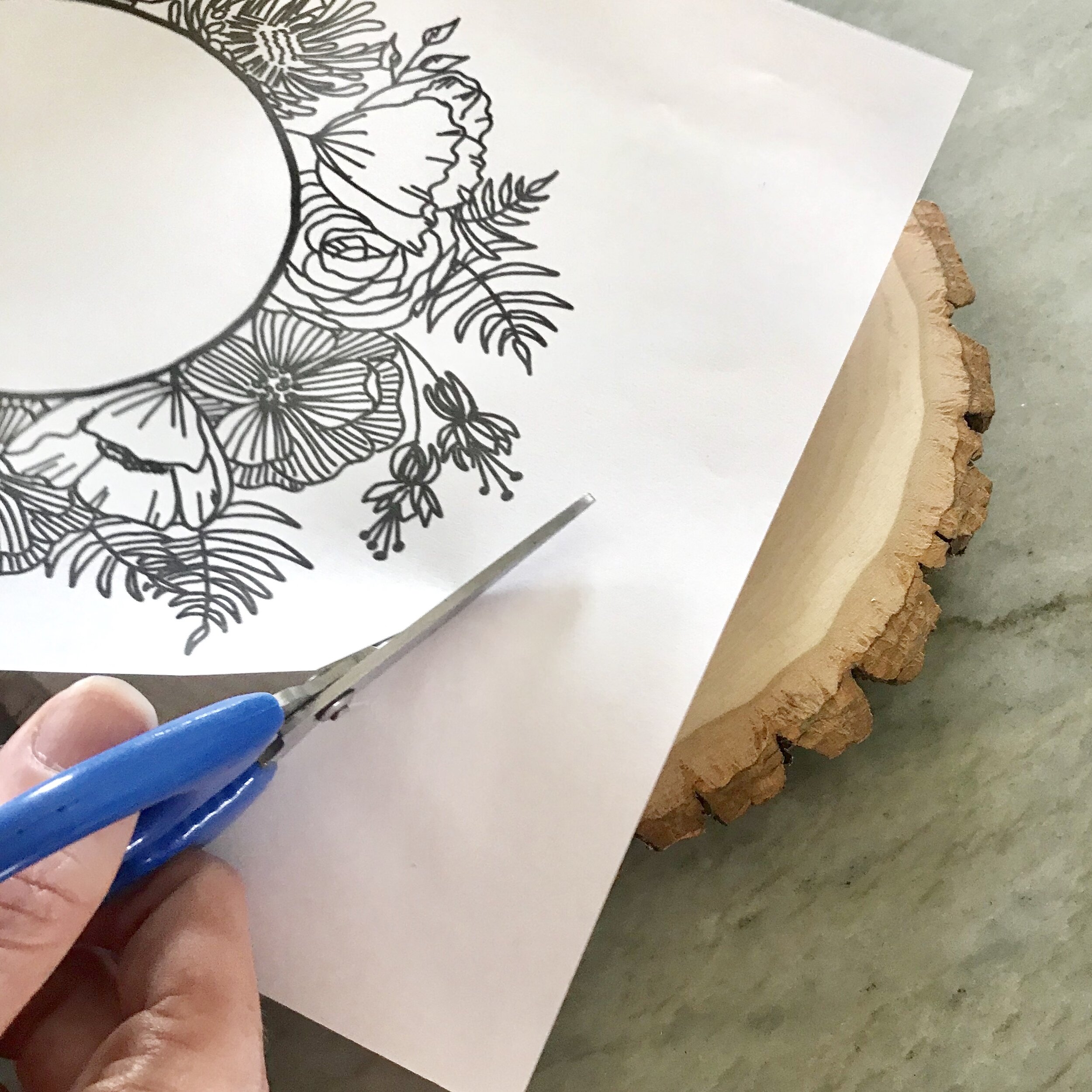
Stencils offer a great way to create consistent and precise designs, especially for beginners. They help you avoid mistakes and make the learning curve less steep. Plus, stencils can save you time and effort, allowing you to focus on perfecting your wood burning technique.
Imagine trying to freehand a complex pattern on your first attempt—it’s daunting. Stencils provide structure and guidance, making the process smoother. You can confidently create intricate designs without the fear of messing up.
Tools And Materials Needed
Before you start, gather your tools and materials. You’ll need a wood burning tool, stencils, and wood pieces. Make sure your stencils are appropriate for wood burning; they should be heat-resistant and durable.
Don’t forget safety gear, like gloves and goggles. Wood burning generates smoke and debris. Protecting yourself is essential.
You’ll also need some basic supplies like pencils to trace designs, tape to secure stencils, and a work surface that can handle heat. Having everything ready will make your project more enjoyable.
Have you ever tried to start a project only to realize you’re missing a key item? It’s frustrating. Preparing your materials ahead of time can save you from unnecessary interruptions.
Ready to get started? Grab your tools and let’s create something amazing with those wood burning stencils!
Floral Patterns
Floral patterns are a popular choice for wood burning projects. Their natural beauty and simplicity make them perfect for beginners. Flowers and leaves are common subjects in pyrography. They offer a range of designs, from simple to intricate. Let’s explore two basic floral patterns for beginners.
Simple Flower
A simple flower pattern is an ideal starting point. This design usually features a round center and several petals. The petals can be oval or pointed. You can add details like lines or dots. This will give the flower more depth and texture. Simple flowers are quick to burn. They are great for practicing control and precision.
Leaf Design
Leaf designs are another excellent choice for beginners. Leaves come in various shapes and sizes. This gives you plenty of options. Start with a basic leaf shape. It can be an oval or a heart shape. Add a central vein and smaller veins branching out. This adds realism to your design. Leaves are perfect for learning how to create fine lines and details.
Animal Patterns
Animal patterns are great for beginners in wood burning. They offer simple yet beautiful designs. These patterns can add a touch of nature to your projects. You can start with easy shapes and then move to more detailed designs.
Cute Owl
The owl pattern is perfect for beginners. Owls have a simple body structure. This makes them easy to draw and burn. You can make the owl cute by adding big eyes and small feathers. The owl’s round eyes and curved beak add character. Start with the outline first. Then fill in the details like feathers and eyes. Use light strokes for feathers and dark ones for eyes. This will make your owl look lively and adorable.
Butterfly
Butterflies are another excellent choice. Their wings have simple shapes. You can start with the outline of the wings. Then, add patterns inside the wings. Use curved lines and dots to decorate. Butterflies can be very colorful, but in wood burning, shading will do the trick. Vary the pressure on your tool to create light and dark areas. This will give your butterfly a more realistic look. Start with simple designs and gradually try more complex patterns. Enjoy the process and watch your skills improve.
Geometric Patterns
Geometric patterns offer endless possibilities for wood burning projects. They are perfect for beginners. These patterns are both simple and visually appealing. They allow you to practice basic techniques. You will build confidence as you create beautiful designs.
Basic Shapes
Basic shapes are a great starting point. Circles, squares, and triangles are easy to create. They help you get a feel for the wood burning tool. Try creating repeating patterns with these shapes. This will help you develop control and precision.
Simple lines and dots also make excellent practice patterns. They can be combined in various ways. This creates interesting and unique designs. You will find these basic shapes in many complex patterns. Mastering them is essential for progress.
Complex Patterns
Complex geometric patterns build on basic shapes. They often involve intricate designs. These patterns challenge your skills. They help you improve your technique. Begin with simple geometric patterns. Gradually increase the complexity.
Common complex patterns include mandalas and tessellations. These require careful planning. They also need precise execution. But the results are stunning. They make your wood burning projects stand out. Keep practicing. Your skills will grow with each project.

Credit: www.pinterest.com
Nature-inspired Patterns
Discover 10 free wood burning stencil patterns perfect for beginners. Create stunning, nature-inspired designs with ease. Enhance your wood burning projects effortlessly.
When starting out with wood burning, nature-inspired patterns can be incredibly rewarding. They not only connect you with the beauty of the outdoors but also offer a wide range of designs. From simple tree silhouettes to more complex mountain scenes, these patterns can help you build your skills while creating something beautiful.
Tree Silhouette
A tree silhouette is a great starting point for beginners. The simplicity of the outline makes it easy to follow, yet the results are striking. You can start with a simple shape of a tree with bare branches. This allows you to focus on the lines and how they flow. As you get more comfortable, you can add more details like leaves or even a background. Using different types of trees can also add variety. Think about the tall, straight lines of a pine tree or the sprawling branches of an oak. Each type of tree will give you a different challenge and help you improve your skills.
Mountain Scene
Creating a mountain scene can be both fun and challenging. The different layers and textures make it an excellent practice for shading and depth. Start with a simple outline of the mountains. Focus on getting the basic shapes right before adding details like trees or a river. This will help you understand the layout and composition. Once you have the outline, you can start adding textures.
Use different burning techniques to create the appearance of rocky surfaces or snowy peaks. Experiment with light and dark areas to give your scene more depth. Adding elements like a setting sun or clouds can bring your mountain scene to life. These little details make the piece more engaging and help you practice different techniques.
Nature-inspired patterns are a fantastic way to start your wood burning journey. They offer a wide range of designs that can help you build your skills and create beautiful art. So, grab your tools and start exploring the natural world through wood burning.
Seasonal Patterns
Seasonal patterns bring a touch of festivity to your wood burning projects. They add charm and reflect the joy of different seasons. Beginners find these patterns fun and easy to start with. These designs can be simple yet beautiful, perfect for any occasion.
Snowflake
Snowflake patterns are popular during the winter season. They symbolize the uniqueness and beauty of winter. You can create simple or intricate designs. Beginners can start with basic shapes. These designs look great on coasters, ornaments, and wall art.
Pumpkin
Pumpkin patterns are a favorite for the fall season. They are easy to draw and burn into wood. Pumpkins represent harvest and Halloween. A simple pumpkin pattern can make a great centerpiece. These designs are perfect for decorations and gifts.

Credit: www.amazon.com
Tips For Using Stencils
Using stencils for wood burning can be a game-changer, especially for beginners. They help you achieve clean, consistent designs with minimal effort. But, like any tool, stencils come with their own set of challenges.
Let’s explore some essential tips for using stencils effectively.
Positioning Your Stencil
Proper positioning is crucial. Secure your stencil firmly to avoid any shifting during the burning process. You can use masking tape or spray adhesive to keep it in place.
Ensure your stencil is flat against the wood surface. Any gaps can lead to uneven lines or burning outside the intended area. Double-check the placement before you start burning to avoid mistakes.
Consider the size and shape of your wood piece. Adjust the stencil accordingly so that your design fits perfectly.
Avoiding Common Mistakes
One common mistake is applying too much pressure with the burning tool. This can cause the stencil to shift or even burn through. Use a light hand and let the tool do the work.
Another pitfall is not cleaning your stencil after each use. Residue buildup can affect the quality of future designs. Clean your stencil with a damp cloth and let it dry completely.
Overcomplicating your design can also lead to frustration. Start with simple patterns and gradually move to more intricate designs as you gain confidence.
Have you faced any stencil challenges? Share your experiences and tips in the comments below. Your insights could help fellow beginners avoid common pitfalls.
Finishing Touches
Now that you have completed your wood burning project using the free stencil patterns, it’s time for the finishing touches. This final step will bring your artwork to life, making it vibrant and durable. Let’s delve into adding color and sealing your work.
Adding Color
Adding color to your wood burning project can elevate its overall appeal. Use colored pencils or watercolors to fill in the burned areas. Just be careful not to overdo it—sometimes, less is more.
Experiment with a few shades before settling on your final choice. You can always layer colors to achieve the desired effect. I once added a light blue wash to a wood-burned ocean scene, and it made the waves look more dynamic.
Have you tried using oil-based markers for more vivid colors? They work wonders on wood and add a unique touch. Just remember to let the wood cool completely before you start coloring.
Sealing Your Work
Once you’re satisfied with the colors, it’s crucial to seal your work. This step protects your masterpiece from fading and damage. A clear spray sealant is your best friend here.
Apply a thin, even coat and let it dry completely. Repeat this process two or three times for extra protection. I once skipped this step, and my artwork faded within a month. Lesson learned!
Have you ever thought about using a brush-on sealant for more control? It allows you to cover tricky areas more precisely. Ensure you work in a well-ventilated area to avoid any fumes.
What other techniques have you tried to finish your wood burning projects? Share your tips in the comments below!
Resources For More Patterns
Finding the right stencil patterns can be a game-changer for anyone starting out in wood burning. While you can always create your own designs, having access to a variety of patterns can save time and spark creativity. Here are some resources to help you discover more wood burning stencil patterns.
Online Sources
The internet is a treasure trove of free wood burning stencil patterns. Websites like Pinterest and Etsy are great places to start. You can search for specific themes like animals, floral designs, or geometric patterns.
Don’t overlook forums and communities dedicated to wood burning. They often have sections where members share their own patterns. Facebook groups and Reddit threads are also worth exploring.
Another tip: Check out YouTube tutorials. Many creators offer free downloadable patterns in their video descriptions. This can also give you a visual guide on how to use the stencil effectively.
Books And Guides
Sometimes, going offline can offer a refreshing change. Numerous books are dedicated to wood burning and many come with patterns you can trace. “Woodburning Projects and Patterns for Beginners” by Luke Byrd is a good start.
Library visits can also be fruitful. Many local libraries have arts and crafts sections where you can find old but gold pattern books. Borrowing these can give you a range of options without any cost.
Workshops and classes often provide guides and pattern books as part of their curriculum. These can be excellent resources, especially if you prefer a hands-on learning environment.
Where do you usually find your inspiration? Share your favorite resources in the comments below!
Frequently Asked Questions
What Is The Difference Between Pyrography And Wood Burning?
Pyrography involves creating designs on wood using controlled heat. Wood burning is a general term for any technique that uses heat to decorate or inscribe wood.
Do You Stain Wood Before Or After Wood Burning?
Stain wood after wood burning to avoid blotching and ensure an even finish. Burning first also prevents fumes.
How Do You Trace A Pattern For Wood Burning?
Trace a pattern for wood burning by securing a stencil on the wood. Use transfer paper and a pencil to outline the design.
What Is The Best Wood For Beginner Wood Burning?
Basswood is the best wood for beginner wood burning. It’s soft, easy to burn, and has minimal grain.
Conclusion
Wood burning can be a fun and rewarding hobby. These free stencil patterns simplify the process for beginners. Practice makes perfect, so keep experimenting. Enjoy creating beautiful designs with your wood burning tool. Feel proud of each piece you finish.
Share your creations with friends and family. They will appreciate your hard work. Remember to stay safe while working. Happy crafting and good luck!