Wood Burning With a Transformer: Pyrography Pen vs. the Deadly DIY Risk
“Wood burning with a transformer” means two very different things, and mixing them up can be dangerous. A pyrography pen has a small, low-voltage transformer built into its power adapter — that’s a safe, standard hobby tool. Wiring a separate step-up transformer to electrodes or a conductive solution on wood — called Lichtenberg or fractal burning — is a different technique entirely, and it has killed at least 33 people in the US since 2017.
If you searched for this phrase because you want to burn detailed designs into wood, you almost certainly want the first meaning: a plug-in pyrography pen. If you’ve seen “wood burning with a transformer” described online as a way to get branching, lightning-like patterns, you’ve run into the second meaning, and this page explains exactly why we won’t walk you through building that rig — and what the real risk is if you build one anyway.
⚠️ Serious Safety Warning
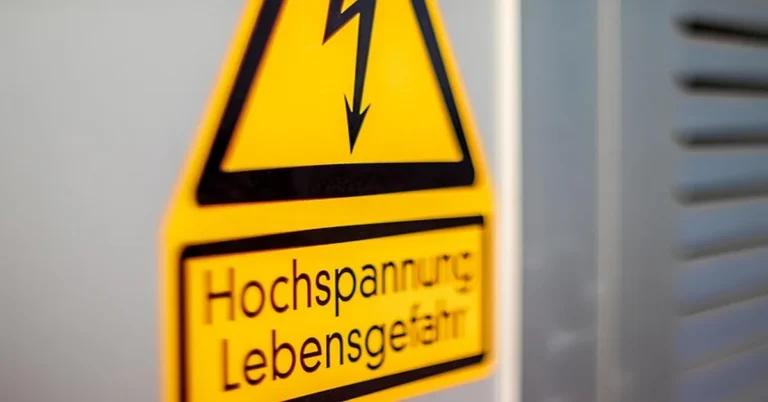
Wiring a step-up transformer to electrodes or a conductive solution on wood (Lichtenberg/fractal burning) is genuinely lethal, not just a burn risk. At least 33 documented deaths have occurred in the US since 2017 from this technique, and the American Association of Woodturners bans demonstrating or selling equipment for it at AAW events. A GFCI outlet does not protect you, and unplugging the unit does not make it safe to touch if a capacitor is involved. If you want to burn designs into wood, use a low-voltage pyrography pen instead.
Pyrography Pen vs. High-Voltage Transformer: The Real Difference
Safe Low-Voltage Alternative
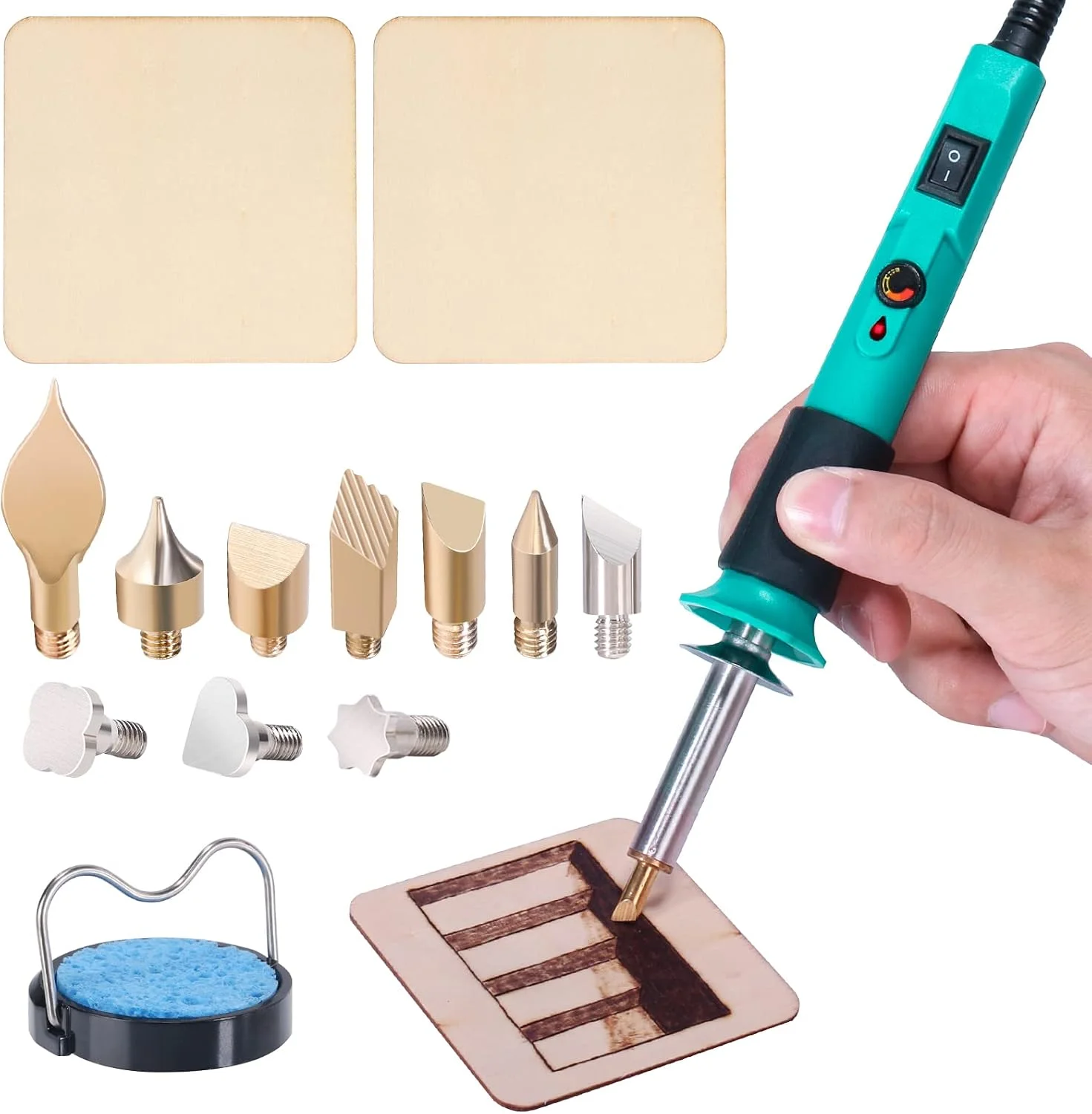 |
YIHUA 930-IV Pyrography Wood Burning Pen Kit – $34.99 A pre-wired, low-voltage pen that gives you full control over branching, shading, and lettering — no transformer, capacitor, or electrode wiring involved.
|
Both tools technically involve “a transformer,” which is exactly why the phrase is confusing:
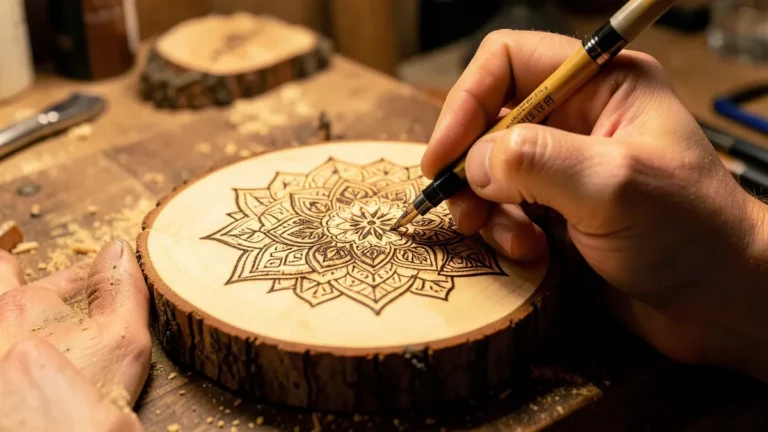
- Pyrography pen: the power adapter contains a small internal transformer that steps household current down to a low, safe voltage, then feeds a resistive tip that heats up to a controllable temperature — typically in the 200–900°F range depending on the setting. You hold the pen and draw directly on the wood, the same way you’d use a soldering iron.
- Lichtenberg/fractal rig: a separate step-up transformer (often salvaged from a microwave oven or neon sign) converts household current into anywhere from roughly 1,000 to 15,000+ volts. Two probes are touched to a conductive solution painted on the wood, and the current burns branching patterns as it arcs through the liquid — and through anything else in its path, including a person.
The voltage difference is the entire safety story. A pyrography pen’s low-voltage circuit can’t push a dangerous current through dry skin. A Lichtenberg rig’s high-voltage output can push a lethal current through a person even for a fraction of a second of accidental contact.
Why We Don’t Publish Transformer-Wiring Steps Here
Earlier versions of this page described wiring a transformer to a wood-burning setup and claimed the technique “can be safe if proper precautions are taken.” That framing was wrong, and we’ve removed it. “Wood burning with a transformer,” in the sense of passing current from a step-up transformer through wood or electrodes, is the Lichtenberg (fractal) burning technique — at least 33 documented deaths in the US have been linked to homemade rigs for this technique since 2017, and the American Association of Woodturners bans demonstrating it at AAW events specifically because of the fatality risk.
Two facts worth knowing if you’ve seen this technique described as safe elsewhere:
- A GFCI outlet does not protect you. It monitors the transformer’s primary (input) wiring. The lethal output comes from the secondary coil, which is galvanically isolated from that circuit — the GFCI cannot detect a fault on the output side and will not trip.
- Unplugging the power source does not make it safe to touch. A capacitor paired with a high-voltage transformer stores a charge and can deliver a lethal shock long after the unit is disconnected from the wall.
If your interest is specifically in the microwave-transformer version of this technique, we’ve documented that risk in more detail, including how those rigs get built and why they’re so often fatal, in Wiring a Microwave Transformer for Wood Burning: Why It Kills. If you’re specifically researching how a transformer gets wired into a burning setup at all — wattage, gauge, and connections — see How to Wire a Transformer for Wood Burning, which covers why that project isn’t one we walk through either.
How To Actually Burn Wood Safely With a Pyrography Pen
Once you’re working with a pre-wired pen instead of bare electrodes, wood burning is a controlled, low-risk craft. Softer woods like basswood, pine, and poplar burn cleanly with a light touch and minimal grain interference, which is why most beginner kits (including the one above) ship with basswood or pine practice pieces. Hardwoods like oak and maple burn more slowly and can scorch unevenly along the grain, so save those for once you’re comfortable controlling line weight.
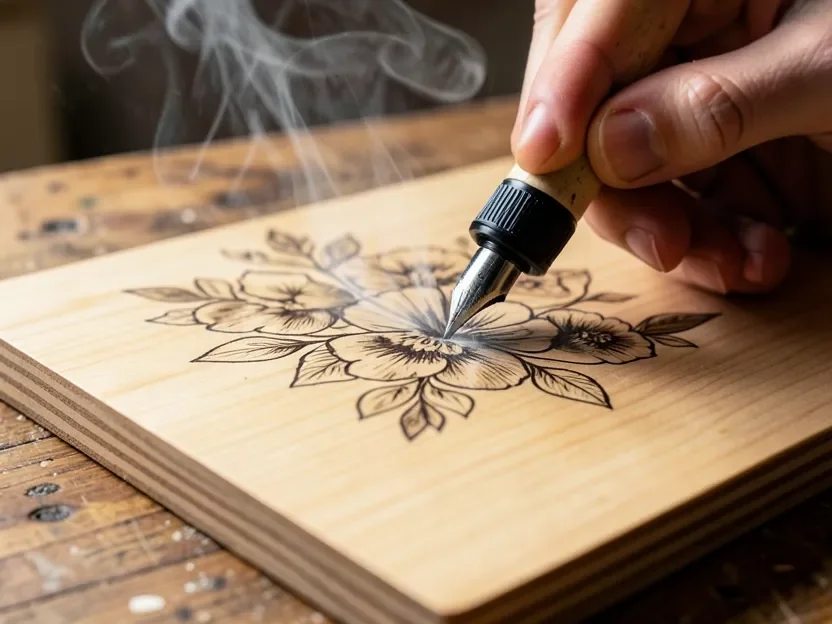
Sketch your design in pencil first, then trace it with the pen at a low-to-medium heat setting rather than trying to burn a dark line on the first pass. Going over a line two or three times at a moderate temperature gives you far more control than one slow pass at maximum heat, which tends to blow out the line and char the surrounding grain. A fine or fixed-point tip is best for outlines and lettering; a shading or flow tip lays down soft gradients for depth. Wipe the tip on a damp sponge between sections to clear built-up carbon — a dirty tip drags and skips instead of gliding.
Finishing And Preserving Your Wood Burning Art
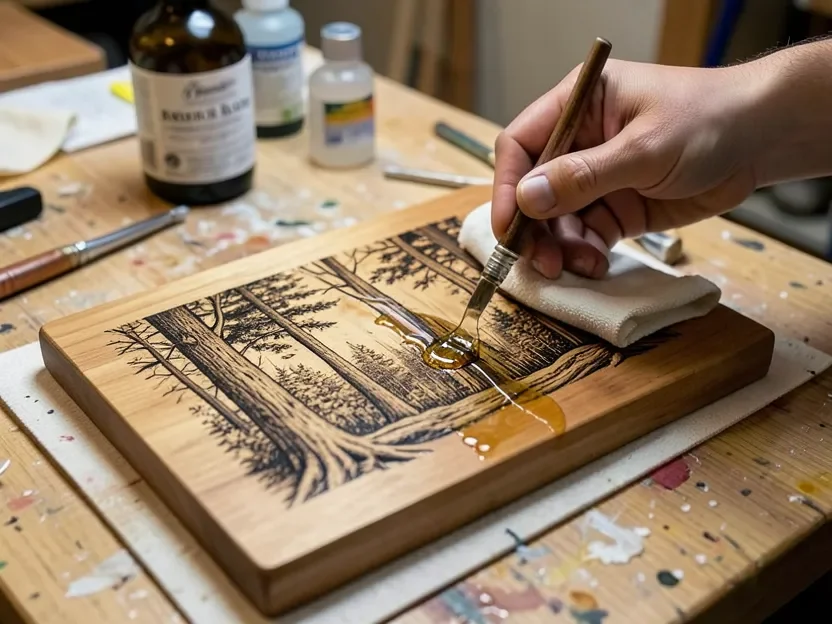
Let a finished piece cool and sit for at least 24 hours before sealing — sealing over warm wood can trap moisture under the finish. A wipe-on Danish oil or a food-safe mineral oil (for cutting boards and kitchen items) deepens the wood tone without yellowing the burned lines the way some polyurethanes can. For pieces that will see handling or display outdoors, a satin polyurethane or spray lacquer holds up better; apply thin coats and let each one cure fully rather than building up one heavy coat, which is the most common cause of a cloudy or tacky finish. Avoid flammable aerosol finishes anywhere near a hot pen tip that’s still plugged in — let the tool cool and unplug it before you start finishing work.
Common Mistakes To Avoid
The most common beginner mistake is working too slowly at too high a temperature, which blows out fine lines into wide, fuzzy scorch marks. Turn the heat down a notch and let the tip’s own dwell time do the work instead of pressing harder. Knots and resin pockets burn unpredictably and can produce a bitter, acrid smoke, so route around them rather than through them. Always burn in a ventilated space; even low-voltage pyrography smoke shouldn’t be breathed in for hours at a stretch, so a cracked window or a small fan pointed away from your face makes a real difference over a long session.
Frequently Asked Questions
What is wood burning with a transformer?
It usually means one of two things. If it’s about a pyrography pen (which contains a small internal low-voltage transformer), it’s a safe, standard hobby technique. If it’s about wiring a separate step-up transformer to electrodes or a conductive solution on the wood (Lichtenberg/fractal burning), it’s a genuinely lethal technique linked to at least 33 documented US deaths since 2017.
How does transformer wood burning work?
A pyrography pen’s built-in low-voltage transformer heats a tip you draw with directly — that part is safe. Separately, some homemade rigs wire a high-voltage step-up transformer to electrodes and pass current through a conductive solution on the wood (Lichtenberg burning); that setup is what causes the documented deaths, because the current path can run through a person as easily as through the wood.
Is transformer wood burning safe?
A pyrography pen is safe when used as directed. A homemade high-voltage transformer setup for Lichtenberg/fractal burning is not safe, regardless of gloves, goggles, or other PPE — a GFCI outlet does not protect you (the lethal output comes from a secondary coil isolated from the circuit a GFCI monitors), and unplugging the unit does not make it safe to touch if a capacitor is involved.
What tools are needed for transformer wood burning?
For safe wood burning, all you need is a commercial pyrography pen — it already contains the low-voltage power adapter, so there’s no separate transformer, electrodes, or wiring to source. We do not recommend building a high-voltage transformer setup for Lichtenberg-style burning.
What wood is best for beginners using a pyrography pen?
Basswood, pine, and poplar are the easiest woods to start on — they’re soft, have a fine, even grain, and burn cleanly at moderate temperatures. Save harder, more figured woods like oak, maple, or walnut for after you’ve got consistent control over line weight and temperature.
Sponsored / affiliate links. As an Amazon Associate I earn from qualifying purchases. I may earn additional commission from eligible campaigns.