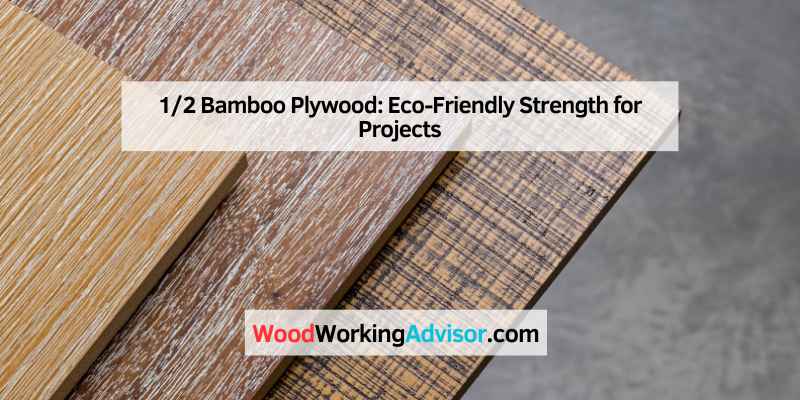
1/2 Bamboo Plywood: Eco-Friendly Strength for Projects
**1/2 Bamboo Plywood** refers to plywood made from bamboo strips, compressed and glued together. This material is eco-friendly, durable, and often used in furniture and construction.
Bamboo plywood has gained popularity due to its sustainability and strength. As a renewable resource, bamboo grows rapidly, making it an environmentally friendly choice. The production process involves slicing bamboo into strips, which are then laminated to form plywood. This method not only enhances durability but also provides a unique aesthetic appeal.
Architects and designers favor bamboo plywood for its versatility in various applications, from cabinetry to flooring. Its lightweight nature makes it easier to handle without compromising strength. With its growing demand, bamboo plywood stands as a testament to innovative, sustainable building materials.
Introduction To 1/2 Bamboo Plywood
Bamboo plywood has gained popularity in recent years. It is a sustainable and eco-friendly material. This post focuses on 1/2 bamboo plywood, its benefits, and its qualities. Understanding bamboo plywood helps in making informed choices for construction and design.
The Rise Of Bamboo In Construction
Bamboo is not just a plant. It is a strong and versatile resource. Its use in construction has increased due to several reasons:
- Sustainability: Bamboo grows quickly. It can reach maturity in 3-5 years.
- Strength: Bamboo has a high tensile strength. It is stronger than many woods.
- Lightweight: Bamboo is lighter than most traditional woods.
- Cost-effective: Bamboo is often cheaper than hardwoods.
These qualities make bamboo an attractive option. Builders and designers embrace bamboo for various projects. From flooring to furniture, the possibilities are endless.
Qualities Of 1/2 Inch Plywood
1/2 bamboo plywood has unique qualities. It stands out among other plywood types. Here are some key features:
| Quality | Description |
|---|---|
| Durability | Resistant to warping and cracking. |
| Eco-Friendly | Made from renewable bamboo resources. |
| Aesthetic Appeal | Beautiful natural patterns and colors. |
| Easy to Work With | Saws and sands easily for various projects. |
1/2 bamboo plywood is ideal for various applications. It is perfect for cabinets, furniture, and crafts. Its beauty and strength make it a popular choice.
Comparing Bamboo With Traditional Woods
Bamboo and traditional woods serve various purposes. Understanding their differences helps in choosing the right material. Below, we explore key aspects like strength, durability, and sustainability.
Strength And Durability
Bamboo plywood is known for its impressive strength. It is often stronger than many traditional woods. Here’s a quick comparison:
| Material | Strength (PSI) | Durability |
|---|---|---|
| Bamboo | 28,000 | Highly durable |
| Oak | 23,000 | Very durable |
| Pine | 14,000 | Moderately durable |
Bamboo’s tensile strength makes it ideal for furniture. It withstands pressure well, reducing the risk of cracks. Traditional woods may not offer the same level of resilience.
Sustainability Factors
Bamboo grows quickly, making it a sustainable choice. It can reach maturity in 3-5 years. In contrast, traditional trees take decades to grow. Here are some sustainability points:
- Bamboo absorbs more carbon dioxide.
- It produces more oxygen than trees.
- Bamboo helps prevent soil erosion.
Traditional woods often require deforestation. This leads to habitat loss and biodiversity issues. Choosing bamboo supports eco-friendly practices. It promotes a healthier planet.
Sourcing And Production
The sourcing and production of 1/2 Bamboo Plywood play a crucial role in its sustainability. Bamboo is a fast-growing plant. It requires less water and no pesticides. Understanding its growth and manufacturing helps appreciate its eco-friendly benefits.
Growing And Harvesting Bamboo
Bamboo is one of the fastest-growing plants on Earth. It can grow up to 35 inches in a single day. Here are some key points about bamboo cultivation:
- Varieties: There are over 1,000 species of bamboo.
- Growth Rate: Most species reach maturity in 3-5 years.
- Harvesting: Only mature stalks are harvested, ensuring sustainability.
Harvesting bamboo involves cutting the stalks at ground level. This method allows the plant to regenerate quickly. Proper harvesting techniques prevent damage to the plant and surrounding ecosystem.
Manufacturing Bamboo Plywood
The process of turning bamboo into plywood is efficient and eco-friendly. Here’s how it works:
- Preparation: Harvested bamboo is stripped of leaves and branches.
- Boiling: Stalks are boiled to remove natural sugars and pests.
- Drying: Bamboo is dried to reduce moisture content.
- Stranding: Dried bamboo is cut into thin strands.
- Pressing: Strands are layered and pressed together with adhesives.
This manufacturing process creates strong and durable plywood. The finished product is perfect for furniture, flooring, and more.
| Step | Details |
|---|---|
| Preparation | Stripping leaves and branches |
| Boiling | Removing sugars and pests |
| Drying | Reducing moisture content |
| Stranding | Cutting into thin strands |
| Pressing | Layering and adhering strands |
Environmental Impact
The use of 1/2 Bamboo Plywood offers several environmental benefits. Understanding these impacts helps consumers make informed choices. This section explores the carbon footprint and the renewable nature of bamboo.
Carbon Footprint Considerations
Bamboo plywood has a lower carbon footprint compared to traditional wood. Here are some key points:
- Bamboo grows quickly, reducing greenhouse gas emissions.
- It requires less energy to process than hardwoods.
- Using bamboo helps preserve forests and biodiversity.
Studies show that bamboo can absorb up to 35% more CO2 than trees. This makes it an excellent choice for eco-friendly products.
Bamboo As A Renewable Resource
Bamboo is one of the most renewable resources available. It has unique qualities that support sustainability:
- Bamboo can grow up to 3 feet per day.
- Harvesting bamboo does not kill the plant.
- It regenerates quickly after cutting.
This fast growth cycle makes bamboo a smart choice for furniture and building materials. Choosing bamboo plywood helps protect our planet.
Applications In Construction
Bamboo plywood, especially 1/2 inch thick, offers many uses in construction. Its strength and lightweight properties make it ideal for various projects. Builders appreciate its sustainability and aesthetic appeal.
Residential Vs. Commercial Use
Bamboo plywood serves both residential and commercial needs.
- Residential Use:
- Flooring: Offers a warm and inviting look.
- Cabinetry: Provides durability and style in kitchens.
- Wall Panels: Adds elegance to living spaces.
- Commercial Use:
- Office Furniture: Sturdy and lightweight for easy movement.
- Retail Fixtures: Attractive displays that catch customer attention.
- Partitions: Creates stylish and functional office spaces.
Innovative Design Possibilities
Designers love using 1/2 bamboo plywood for its versatility.
- Shapes: Easily cut into various forms.
- Finishes: Accepts stains and paints well.
- Textures: Can be sanded for a smooth finish or left natural.
Many architects explore unique patterns and styles with bamboo plywood. Its eco-friendly nature enhances modern designs. Here are some examples:
| Design Type | Features |
|---|---|
| Furniture | Stylish, lightweight, and durable. |
| Wall Art | Creative and eye-catching displays. |
| Ceiling Panels | Unique textures that improve acoustics. |
1/2 bamboo plywood opens doors for sustainable design. Its unique look and properties inspire creativity in construction.
Installation And Maintenance
Installing and maintaining 1/2 Bamboo Plywood requires careful attention. Proper practices ensure longevity and functionality. This section covers the best practices for installation and long-term care.
Best Practices For Installation
Follow these steps for a successful installation:
- Prepare the Surface: Ensure the surface is clean and dry.
- Measure Accurately: Use a tape measure for precise dimensions.
- Cut with Care: Use a fine-tooth saw for clean edges.
- Use Quality Adhesive: Choose a strong, eco-friendly adhesive.
- Allow for Expansion: Leave gaps for natural expansion and contraction.
Consider using a level to ensure the plywood lays flat. Check for any gaps after installation. Fill gaps with wood filler for a seamless look.
Long-term Care And Durability
Maintaining 1/2 Bamboo Plywood keeps it looking new. Follow these care tips:
- Regular Cleaning: Use a damp cloth to wipe surfaces.
- Avoid Harsh Chemicals: Stay away from bleach and ammonia.
- Use Coasters: Prevent water rings by using coasters.
- Control Humidity: Keep humidity levels stable to avoid warping.
Inspect the plywood regularly. Look for scratches or dents. Address any damage quickly to maintain its beauty. A good finish can enhance durability. Reapply finish every few years.
Cost Analysis
Understanding the cost of 1/2 Bamboo Plywood is crucial. This analysis helps you make informed decisions. We will explore initial investment, longevity, and market prices.
Initial Investment Vs. Longevity
The initial cost of 1/2 Bamboo Plywood may seem high. However, its durability can save money over time.
- Initial Cost: Prices can range from $50 to $100 per sheet.
- Longevity: Bamboo plywood lasts longer than traditional wood.
- Maintenance: It requires less upkeep, lowering future costs.
Consider the lifespan of 1/2 Bamboo Plywood. It often lasts up to 25 years. This longevity offsets the initial investment. You spend less on replacements and repairs.
Comparative Market Prices
Market prices for 1/2 Bamboo Plywood vary by supplier. Here’s a quick comparison:
| Supplier | Price per Sheet | Quality Rating |
|---|---|---|
| Supplier A | $60 | 4.5/5 |
| Supplier B | $75 | 4.8/5 |
| Supplier C | $90 | 4.0/5 |
Prices reflect quality and brand reputation. Always choose a reputable supplier. This ensures you receive high-quality bamboo plywood.
Case Studies
Case studies show the real-world impact of 1/2 Bamboo Plywood. They highlight successful projects and feedback from experts. These stories illustrate its versatility and benefits in various applications.
Success Stories In Architecture
Many architects have embraced 1/2 Bamboo Plywood for innovative designs. Here are some notable projects:
- Eco-Friendly Pavilion: Built using bamboo plywood, this pavilion showcases sustainability.
- Residential Homes: Bamboo plywood provides strength and aesthetic appeal.
- Commercial Spaces: Businesses use bamboo plywood for a modern look and durability.
These projects demonstrate how 1/2 Bamboo Plywood meets architectural needs. Its lightweight nature allows for easier handling. Designers appreciate its unique grain and texture.
Feedback From Industry Professionals
Industry experts praise 1/2 Bamboo Plywood for its performance and sustainability. Here are some insights:
| Professional | Feedback |
|---|---|
| Architect | “Bamboo plywood adds beauty to my designs.” |
| Builder | “It’s strong and easy to work with.” |
| Interior Designer | “Clients love the eco-friendly aspect.” |
These positive reviews highlight the benefits of using 1/2 Bamboo Plywood. It combines style with sustainability. Professionals recognize its value in various projects.
Future Of Bamboo In Sustainable Building
Bamboo is gaining attention in sustainable building. It is strong, lightweight, and eco-friendly. The future looks bright for bamboo as a building material. Its unique properties make it ideal for modern architecture.
Innovation And Research
Research on bamboo is growing rapidly. Scientists and architects explore new ways to use it. Innovations include:
- Composite materials made from bamboo fibers
- Advanced preservation techniques
- Eco-friendly manufacturing processes
These innovations enhance the durability and lifespan of bamboo. Studies show bamboo can withstand extreme weather. This makes it suitable for various climates.
Potential For Market Growth
The demand for sustainable materials is rising. Bamboo’s market potential is significant. Key factors for growth include:
- Increasing awareness of climate change
- Government support for green building initiatives
- Rising interest in natural materials
Market trends indicate a shift toward eco-friendly options. Bamboo products are becoming more popular among builders and homeowners.
| Factor | Impact |
|---|---|
| Climate Awareness | Boosts demand for sustainable materials |
| Government Policies | Encourages green building practices |
| Consumer Preferences | Increases interest in natural products |
Bamboo is set to play a crucial role in the future of construction. Its benefits make it a top choice for sustainable building.
Frequently Asked Questions
What Is 1/2 Bamboo Plywood?
1/2 Bamboo Plywood is a type of engineered wood made from bamboo fibers. It’s known for its strength, durability, and eco-friendliness. This plywood is perfect for various applications, including furniture making, cabinetry, and flooring. It combines aesthetic appeal with sustainability, making it a popular choice for modern designs.
How Is 1/2 Bamboo Plywood Manufactured?
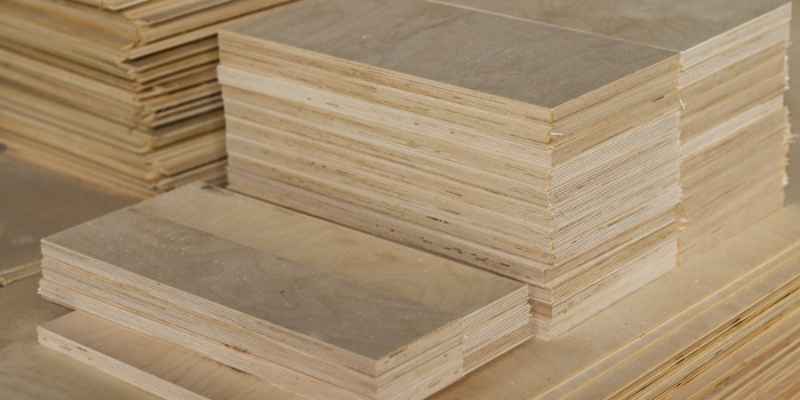
The manufacturing process involves slicing bamboo into thin strips. These strips are then glued together under high pressure to create plywood sheets. This method enhances the material’s strength and stability. The result is a lightweight yet robust product, ideal for construction and decorative purposes.
What Are The Benefits Of Using Bamboo Plywood?
Bamboo Plywood offers several benefits, including sustainability and durability. It’s a renewable resource, which makes it eco-friendly. Additionally, it resists warping and shrinking better than traditional wood. Its unique grain pattern also adds aesthetic value to any project.
Can 1/2 Bamboo Plywood Be Used Outdoors?
While 1/2 Bamboo Plywood is primarily designed for indoor use, it can be treated for outdoor applications. Applying a weather-resistant sealant enhances its durability against moisture and UV rays. However, prolonged exposure may still affect its longevity. Always consider the specific conditions before outdoor use.
Conclusion
Bamboo plywood is an excellent choice for sustainable design. Its strength and versatility make it suitable for various applications. From furniture to flooring, it offers both beauty and durability. Choosing bamboo plywood not only benefits your projects but also supports eco-friendly practices.
Embrace this innovative material for your next creative endeavor.