A Termite Infestation is Usually Discovered When the Damage is Severe
Discovering a termite infestation can be a homeowner’s nightmare. These pests cause significant damage if left unchecked.
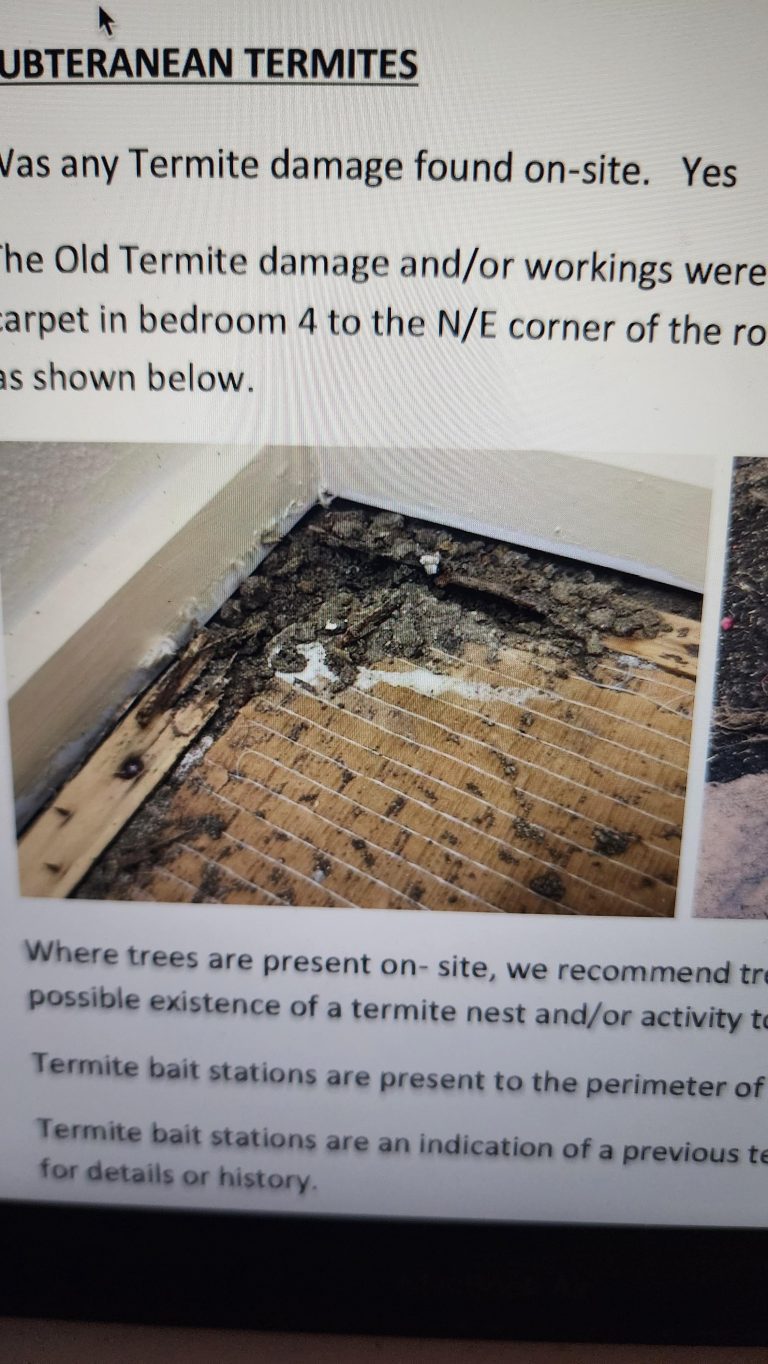
A termite infestation is usually discovered when visible signs appear. You might notice damaged wood or discarded wings around your home. Termites are silent destroyers, often working unnoticed until severe damage has occurred. Understanding the signs of an infestation early can save you from costly repairs.
This blog post will guide you through the common indicators of a termite problem. Knowing these signs can help you take swift action and protect your home. Stay vigilant and learn what to look for to keep your property safe from these destructive pests.
Credit: housemanservices.com
Signs Of A Termite Infestation
Hey there! So, you’ve noticed something strange around your home and you’re starting to worry it might be termites. Don’t panic just yet. In this section, we’ll go over some common signs of a termite infestation. Knowing what to look for can help you catch the problem early and save your home from serious damage. Let’s dive in!
Mud Tubes
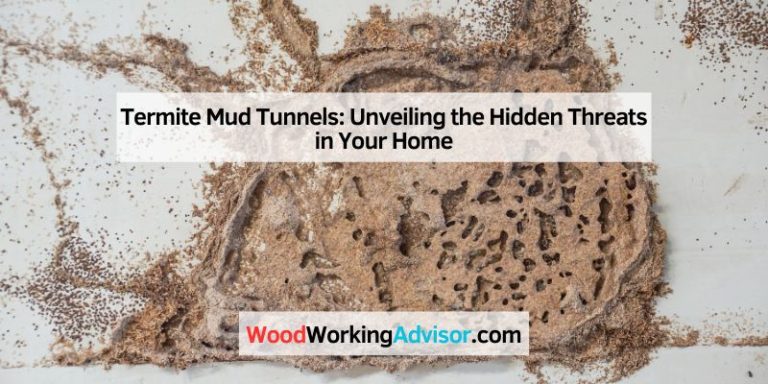
One of the first signs you might notice is mud tubes. These are small, pencil-width tunnels made of mud. Termites build these tubes to travel from their nest to their food source (which could be your home!). You’ll often find them along walls, foundations, or in crawl spaces. If you see mud tubes, it’s time to investigate further. Break one open and look for small, white insects. If you see any, you probably have termites.
Discarded Wings
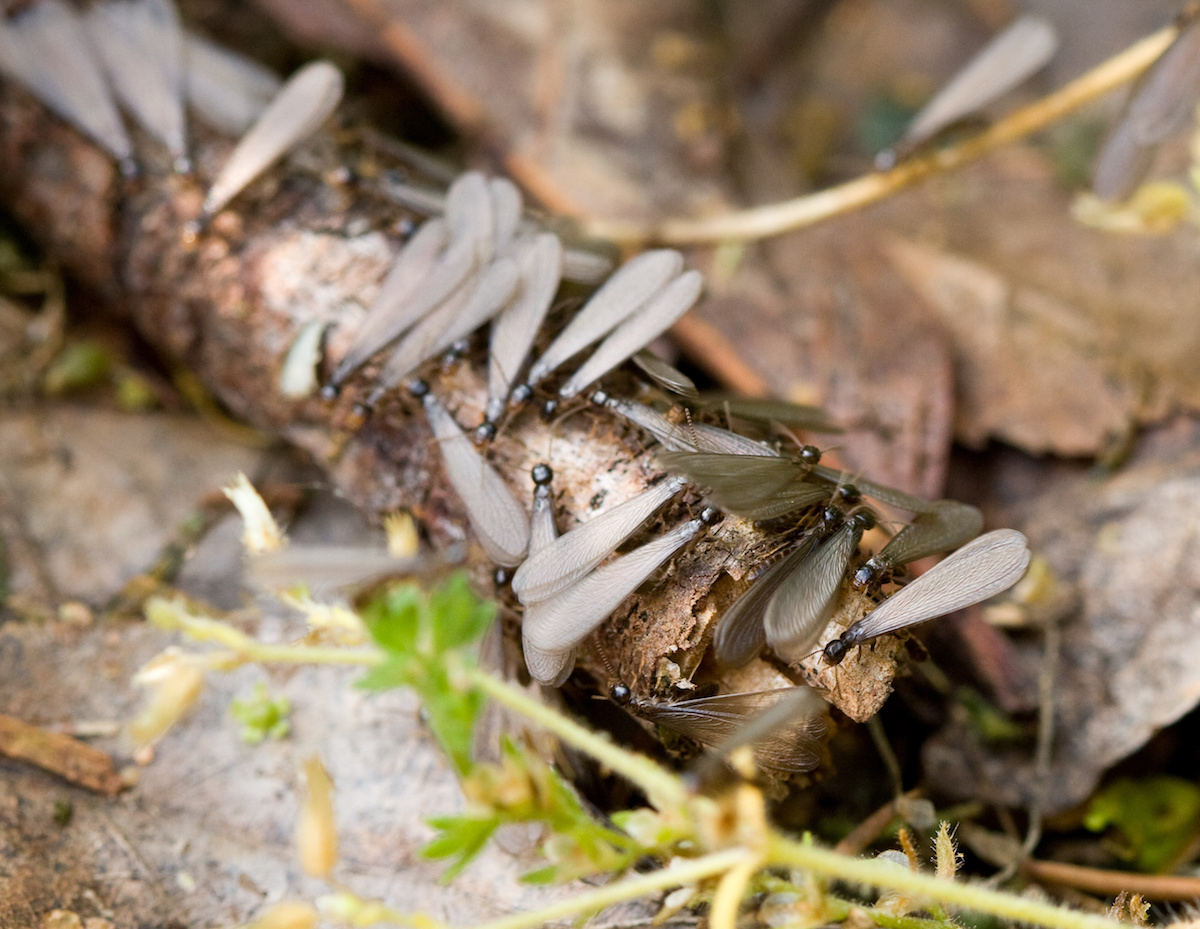
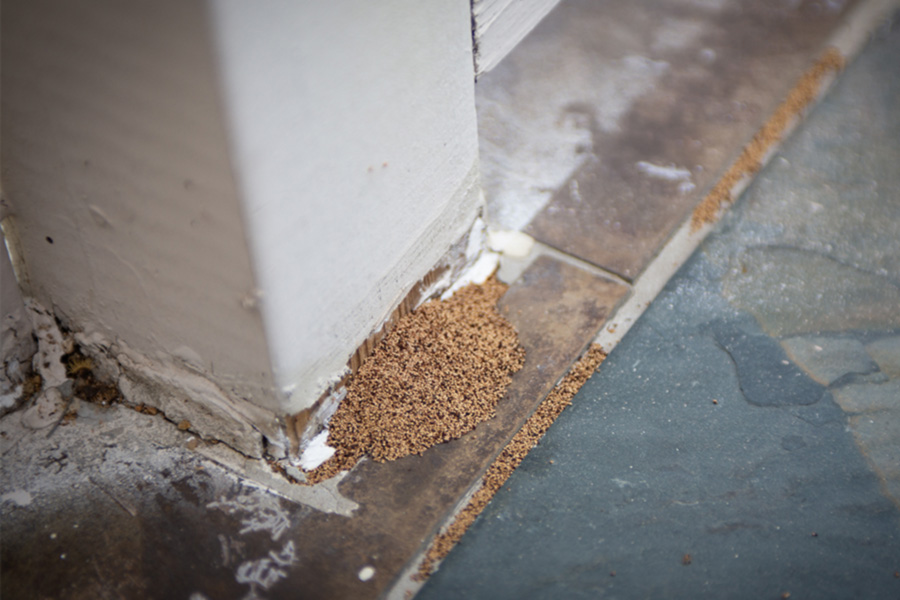
Another common sign of termites is discarded wings. Winged termites, also known as swarmers, will leave their nest to start a new colony. After they land, they shed their wings. You’ll often find these wings near windowsills, doors, or other light sources. Finding a pile of these wings is a clear indication that termites are present.
Wood Damage
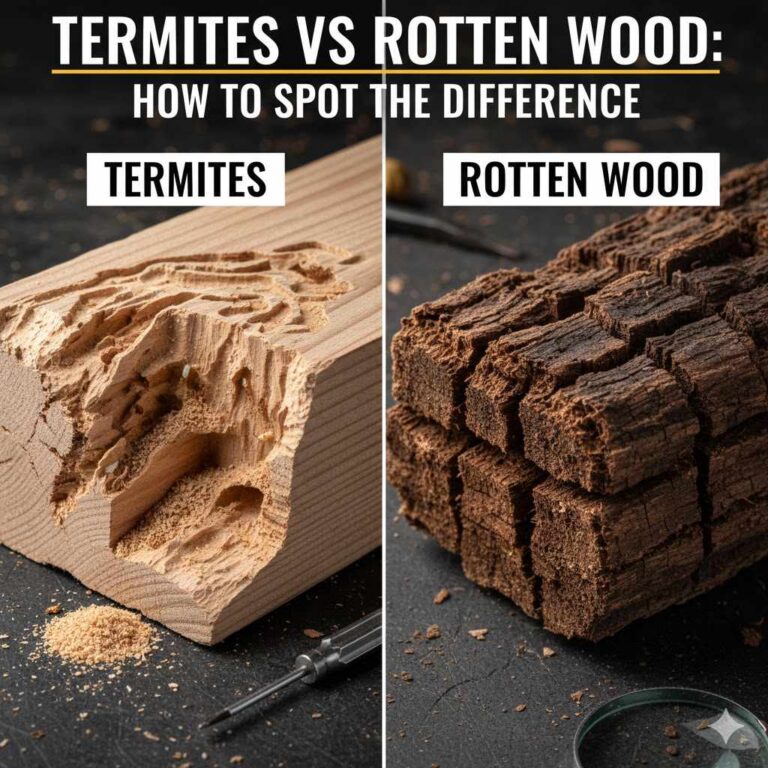
Termites love to eat wood. Over time, they can cause serious damage to the wooden structures in your home. Look for wood that sounds hollow when tapped or has a honeycomb-like appearance. You might also notice small piles of sawdust or wood that appears blistered. These are all signs that termites have been feasting on your home.
So, what should you do if you spot any of these signs? Here’s a quick checklist:
- Inspect the area thoroughly.
- Call a professional pest control service.
- Keep an eye out for more signs of activity.
The good news? Catching a termite infestation early can save you a lot of trouble and expense. So, stay alert, and don’t ignore those warning signs!
Credit: americanpestonline.com
Common Types Of Termites
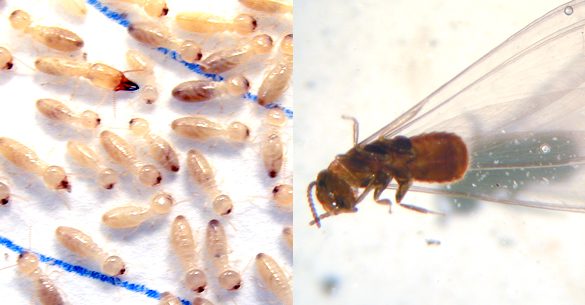
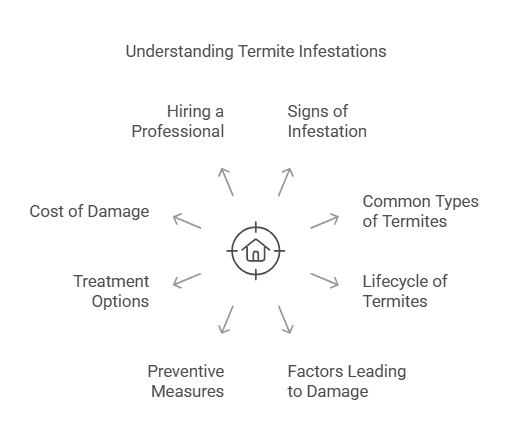
Termites are tiny, destructive insects. Knowing the common types of termites is important. They cause significant damage to homes and buildings. Identifying the type of termite can help in effective treatment. Let’s dive into the three common types.
Subterranean Termites
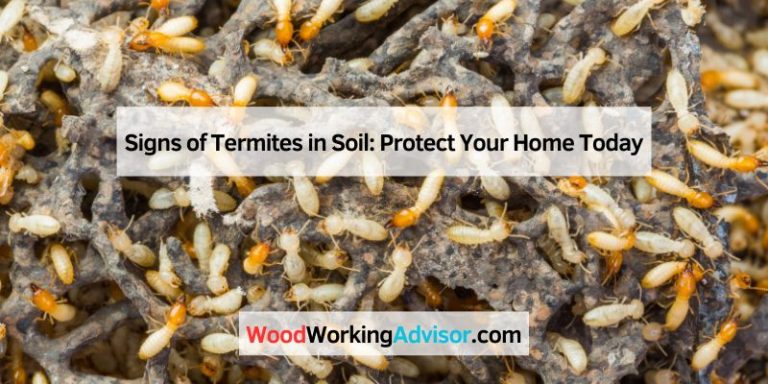
Subterranean termites are the most common type. They live underground and build large colonies. These termites need contact with soil to survive. They create mud tubes to travel and protect themselves. You can often find these tubes on walls and foundations. Subterranean termites cause extensive damage to wood structures.
Drywood Termites
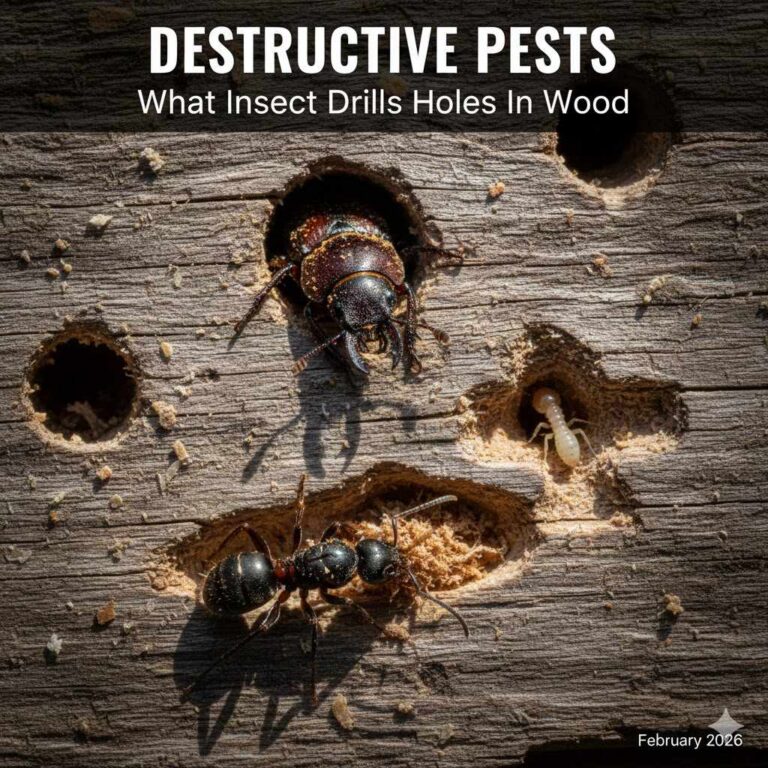
Drywood termites live in dry wood and do not need soil. They infest furniture, doors, and wooden frames. These termites create small, smooth holes in wood. You might notice tiny piles of wood pellets. These pellets are their droppings. Drywood termites work slowly but can still cause serious damage.
Dampwood Termites
Dampwood termites prefer moist wood. They are often found in decaying wood or wood with high moisture. These termites are larger than other types. Dampwood termites do not build mud tubes. Instead, they create large galleries within the wood. You might notice wood that feels spongy or appears wet. Removing moisture sources can help control these termites.
Lifecycle Of Termites
Hey friends, let’s talk about something that might make your skin crawl – termites. These tiny pests can cause big problems. One of the most fascinating aspects of termites is their lifecycle. Understanding the lifecycle of termites can help us know when and how these pests invade our homes. So, let’s dive in!
Egg Stage
It all starts with the egg. Termites lay very small, white eggs. Think of them like tiny grains of rice. These eggs are taken care of by worker termites. They make sure the eggs are safe and clean. After a few weeks, the eggs hatch, and the next stage begins.
Nymph Stage
Once the eggs hatch, we get nymphs. These are young termites. They look a bit like the adults but are much smaller. Nymphs go through several stages of growth. They shed their skin multiple times. This process is called molting. During this stage, some nymphs will become workers, some will become soldiers, and a few will become future queens and kings.
Adult Stage
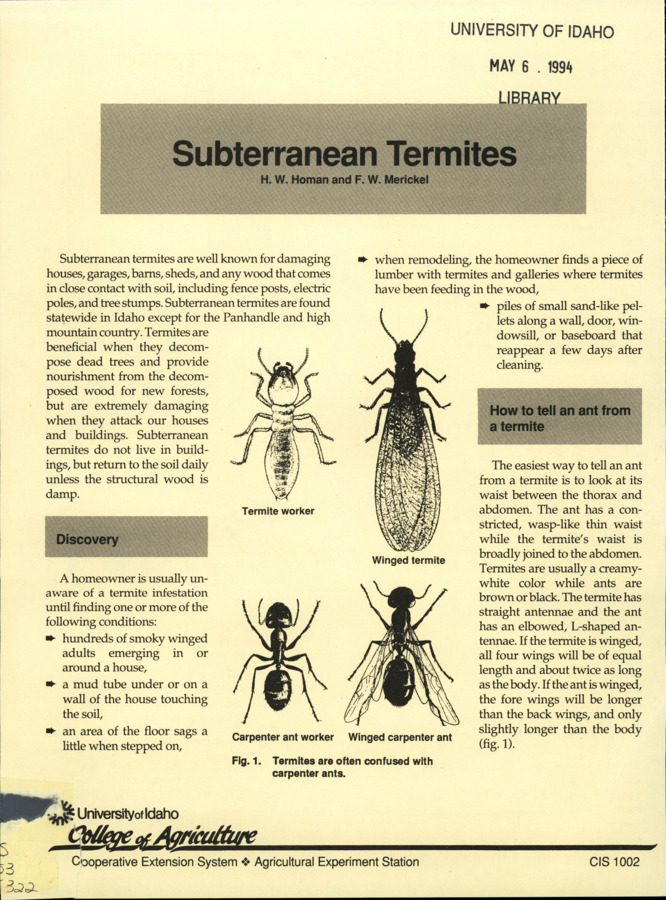
The final stage is the adult stage. This is when termites are fully grown. There are three types of adult termites:
- Workers: These are the most common. They build tunnels and find food.
- Soldiers: Their job is to protect the colony. They have large heads and strong jaws.
- Reproductives: These are the future kings and queens. They have wings and will start new colonies.
Understanding the lifecycle of termites helps us know how they grow and spread. If you suspect termites, it’s important to act fast. The sooner you deal with them, the better. Thanks for reading, and stay termite-free!
Credit: www.chegg.com
Factors Leading To Severe Damage
Factors leading to severe damage from termite infestations are often alarming. Many homeowners remain unaware until the issue is critical. Understanding these factors can help in early detection and prevention.
Late Detection
Late detection is a significant factor. Termites work silently. They eat wood from the inside out. This makes it hard to notice any damage. By the time signs are visible, serious harm may have already occurred.
Hidden Colonies
Termite colonies usually stay hidden. They build nests in walls, floors, and furniture. This hidden nature allows them to thrive unnoticed. Homeowners may not spot them until the damage is extensive.
Rapid Reproduction
Termites reproduce quickly. A single colony can grow to thousands in a short time. This rapid growth leads to more wood consumption. Consequently, the damage escalates swiftly.
Preventive Measures
Termite infestations are often discovered when you see damaged wood or notice discarded wings. Taking preventive measures can help avoid extensive damage. Regular inspections and maintaining a dry, clean environment can be effective.
Discovering a termite infestation can be alarming. Preventive measures can keep your home safe. Regular inspections, moisture control, and proper ventilation are key.
Regular Inspections
Regular inspections help catch termite issues early. Schedule inspections with a professional twice a year. They know where termites hide. This helps prevent damage and saves money.
Moisture Control
Termites love moisture. Keep your home dry to deter them. Fix leaks promptly. Ensure good drainage around your home. Use dehumidifiers in damp areas like basements. This makes your home less inviting to termites.
Proper Ventilation
Proper ventilation reduces moisture. Ensure your attic and crawl spaces have vents. Clean these vents regularly. This helps to control humidity levels. It also prevents termite attraction. Good air flow keeps your home dry and safe.
“`
Treatment Options
Discovering a termite infestation in your home can be alarming. But don’t worry, there are several treatment options available to help you deal with these pesky invaders. Let’s break down some of the most effective methods that professionals use to get rid of termites.
Chemical Treatments
Chemical treatments are one of the most common ways to handle a termite problem. Professionals use special chemicals to create a barrier around your home. This barrier stops termites from entering and kills those that try.
- Liquid Termiticides: These are applied around the foundation of your home. They create a protective zone that termites cannot cross.
- Foam Termiticides: Ideal for hard-to-reach areas, foam termiticides expand to fill cracks and crevices.
Think of it like putting a fence around your yard to keep out unwanted guests. The termites can’t get in, and those that try, won’t survive.
Baiting Systems
Baiting systems are another effective way to control termites. These systems use bait stations placed around your home. Termites eat the bait and carry it back to their colony, spreading the poison.
- Monitoring: Professionals first monitor the bait stations to see if termites are present.
- Baiting: Once termites are found, the bait is placed in the stations.
It’s a bit like setting traps for mice. The termites take the bait, and eventually, the whole colony is affected.
Heat Treatment
Heat treatment is a non-chemical option that involves raising the temperature in your home to a level that kills termites. This method is eco-friendly and doesn’t leave chemical residues.
- Preparation: Professionals will seal your home and use heaters to raise the temperature.
- Execution: The heat is maintained for several hours to ensure all termites are eradicated.
Imagine turning up the heat to roast marshmallows, but in this case, it’s the termites that can’t handle the heat.
Each of these methods has its benefits and can be tailored to fit your specific situation. It’s always best to consult with a professional to determine the most effective treatment for your home. Remember, acting quickly can save your home from serious damage.
Cost Of Termite Damage
Discovering a termite infestation in your home can be a nightmare. Termites cause extensive damage, leading to significant costs. Understanding these costs can help you prepare and take action swiftly.
Repair Costs
Termite damage often goes unnoticed until it’s severe. Wood structures can become weak. Floors can sag. Walls might even collapse. Repairing this damage can be very costly. Homeowners often spend thousands on repairs. The extent of the damage dictates the cost.
Treatment Expenses
Treating a termite infestation is essential to stop further damage. Professional pest control services are usually required. The cost varies based on the size of the infestation. Treatment methods also influence the price. Chemical treatments might be cheaper. But more severe infestations may need extensive measures. These can cost more.
Preventing a termite infestation is crucial. Regular inspections can help detect early signs. This can save money in the long run. Preventive treatments can also be effective. These measures might include soil treatments or wood treatments. While they cost money, they are often worth the investment.
Hiring A Professional
Hiring a professional is the best way to deal with a termite infestation. Professionals have the tools and expertise to handle the problem efficiently. But how do you choose the right service? And what should you expect? Let’s break it down.
Choosing A Pest Control Service
Choosing the right pest control service is crucial. You want someone reliable and experienced. Here are some tips to help you make the right choice:
- Check for licenses and certifications: Make sure the company is licensed. Certified technicians are more likely to do a good job.
- Look for reviews and testimonials: What do other customers say? Positive reviews can give you confidence in your choice.
- Ask about their experience: How long have they been in business? More experience often means better service.
- Compare prices: Get quotes from different companies. The cheapest option isn’t always the best, but you don’t want to overpay either.
Questions To Ask
When you talk to a pest control service, ask them some questions. This will help you understand what to expect and ensure they are the right fit. Here are some questions you might ask:
- What methods do you use to treat termites?
- How long will the treatment take?
- Do you offer any guarantees?
- Are your treatments safe for pets and children?
- What should I do to prepare my home for treatment?
What To Expect
So, you’ve chosen a service and asked your questions. What happens next? Here’s a quick overview of what to expect:
- Inspection: The professional will inspect your home. They look for signs of termites and assess the damage.
- Treatment plan: They will create a plan to get rid of the termites. This might include chemicals, baits, or other methods.
- Treatment: The professional will carry out the treatment. This could take a few hours to a few days, depending on the severity of the infestation.
- Follow-up: Some services include follow-up visits. This ensures the termites are gone for good.
Hiring a professional can save you time and hassle. They know what they’re doing, and they have the right tools for the job. Plus, you get peace of mind knowing your home is protected.
Frequently Asked Questions
How To Identify Termite Infestation?
Identify termite infestation by looking for hollow wood, mud tubes, discarded wings, and small droppings. Listen for clicking sounds.
Can A Termite-infested House Be Saved?
Yes, a termite-infested house can be saved. Contact a professional pest control service for effective treatment. Regular inspections and preventive measures help protect your home. Prompt action ensures minimal damage and preserves your property.
How Do Termite Infestations Start?
Termite infestations start when termites find a food source, such as wood, and create colonies. Moist environments attract them.
What Is A Termite Infestation?
A termite infestation occurs when termites invade and damage wooden structures in homes or buildings. They feed on cellulose, causing structural harm. Regular inspections help in early detection and prevention.
Conclusion
Discovering a termite infestation early can save you time and money. Look for signs like mud tubes, damaged wood, and discarded wings. Regular inspections help catch problems before they get worse. Ignoring termites can lead to costly repairs. Protect your home by staying vigilant and proactive.
If you notice any warning signs, contact a professional immediately. Taking action quickly ensures your home remains safe and sound. Don’t let termites take over your space. Stay informed and prepared to keep your home termite-free.