Can You See Termites in Wood? Subterranean vs. Drywood Signs
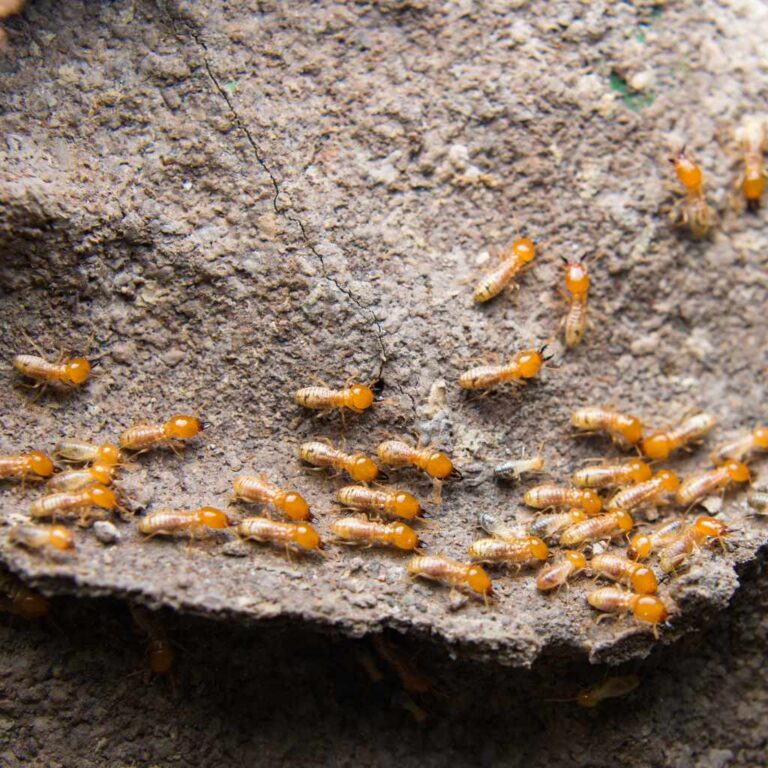
The honest answer is: it depends on which termite you’re dealing with. Subterranean termites, the species responsible for most termite damage in the U.S., rarely expose themselves on the wood’s surface – they live in underground colonies and travel through mud tubes to reach your lumber, so by the time you spot the insects themselves, the infestation is usually already well established. Drywood termites are the exception: they live inside the wood itself and can occasionally be seen if a damaged board is broken open. Below, we’ll separate what you can realistically check for yourself from what stays hidden until a professional inspection finds it.
Can You Actually See Termites in Wood? The Short Answer
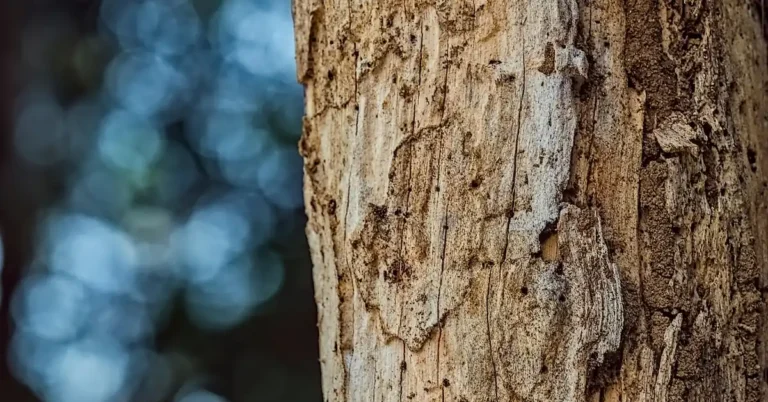
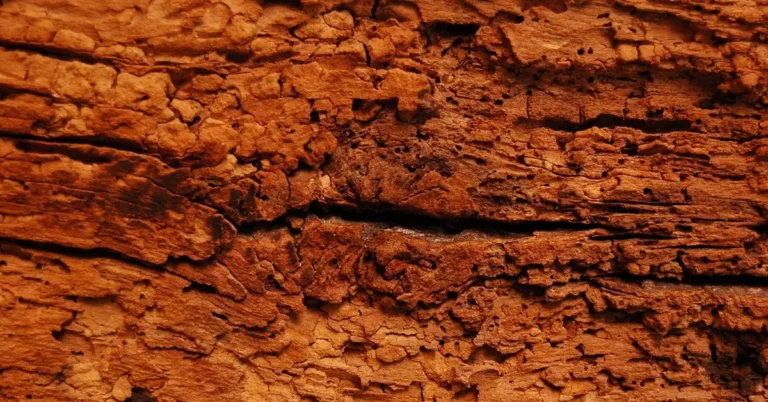
Most of the time, no – not the insects themselves. Subterranean termites stay inside their mud tubes and underground galleries and almost never cross open air where a homeowner would spot them. What you can see are the indirect signs they leave behind: mud tubes, hollow-sounding wood, and blistered or darkened patches that are easy to mistake for water damage. That last point matters, because termite-damaged wood and water-damaged wood often look identical from the outside – a moisture meter is a genuinely useful first check before you start tearing into a wall or beam.
Best Moisture-Check Pick For Suspect Wood
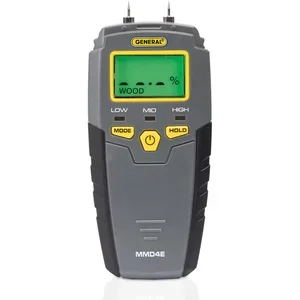 |
General Tools MMD4E Moisture Meter – $39.98 Water-damaged and termite-damaged wood look nearly the same from the outside – this pinless meter tells you in seconds which one you’re actually looking at.
|
Subterranean Termites: Built to Stay Hidden
Subterranean termites are the most common and most destructive termite species in the continental U.S., and their whole survival strategy depends on staying out of sight. Colonies live underground, sometimes 6 feet down, and need constant contact with moist soil to survive. To reach the wood in your home, workers build mud tubes – pencil-width tunnels made of soil, saliva, and wood particles – up foundation walls, piers, and plumbing penetrations. Inside the wood, they eat along the grain, often leaving a thin, undamaged outer shell while hollowing out everything underneath, which is exactly why tapping a beam and hearing a hollow or papery sound is one of the most reliable signs available to a non-professional.
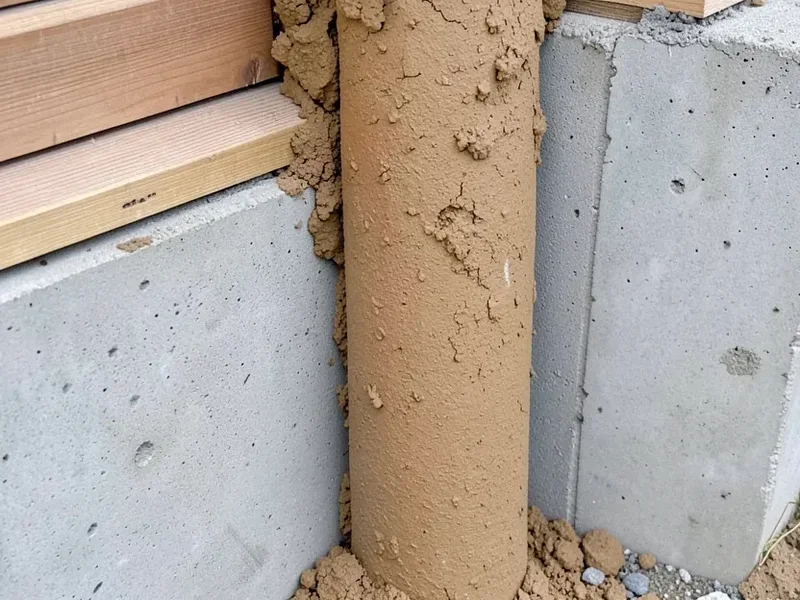
Because subterranean colonies rely on that soil contact, subterranean termites eating wood is a slower, more structural process than most homeowners expect – it can take years for damage to become visually obvious, which is why annual inspections matter more than a one-time look.
Drywood Termites: The Type You Can Sometimes See
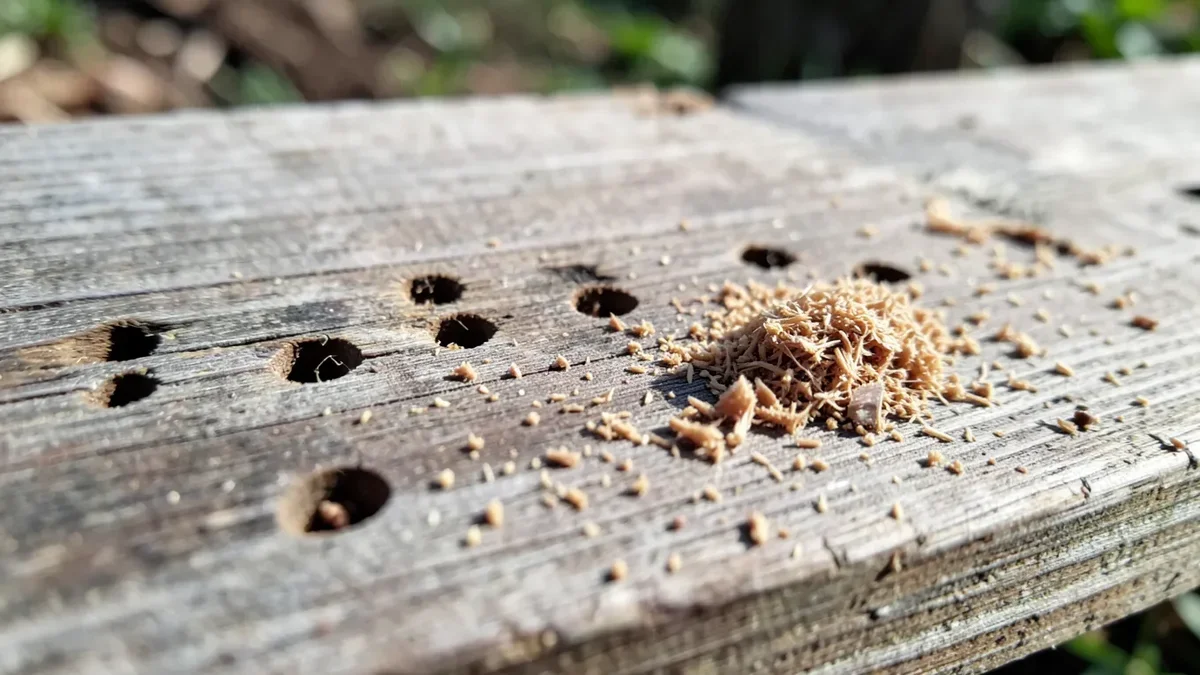
Drywood termites work differently, and this is the genuine exception to “you can’t see termites in wood.” They don’t need soil contact at all – a colony can live its entire life cycle sealed inside a single piece of furniture, a wall stud, or a roof rafter, digesting the cellulose in the wood itself for both food and water. Because they never have to travel to soil, there’s no mud tube giveaway. Instead, drywood colonies push waste out through tiny “kick-out holes” as small, hard, six-sided pellets called frass, which often piles up in a small cone on the floor or windowsill below the infested wood. If you break open a piece of drywood-infested lumber, you can genuinely see the termites and their tunnels directly – something that’s rare with the subterranean species.
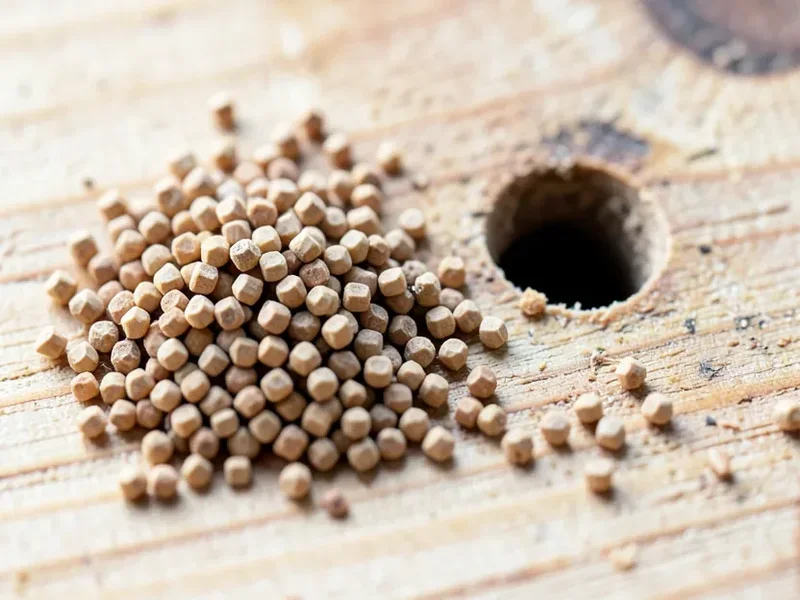
Drywood termites are more common in warmer, coastal parts of the U.S. – the Gulf Coast, Southern California, Hawaii, and similar climates – while subterranean species are found in nearly every state except Alaska. That geography is worth knowing before you diagnose which type you’re dealing with.
5 Signs You Can Actually Check For Yourself
None of these require you to see a live termite, and that’s the point – these are the checks that actually work for both species. Tap suspect wood with the handle of a screwdriver; a hollow or papery sound instead of a solid thud means the inside has already been eaten out, even though the surface looks fine. Look along foundations, piers, and sill plates for mud tubes – narrow, roughly pencil-width tunnels that mean subterranean termites are actively traveling between the soil and your wood. Check windowsills, closets, and attic floors below wood framing for small piles of frass, a sign specific to drywood termites. Look for wood that’s blistered, bubbled, or darkened in a way that resembles water staining – subterranean termite galleries often mimic moisture damage this closely, which is exactly the situation a moisture meter helps you rule in or out. Finally, check for small discarded, uniform-length wings near windowsills or light fixtures after a swarm – termites shed their wings within minutes of landing, so a pile of matching wings with no bodies attached is a strong signal a colony has moved in nearby.
How to Check Suspect Wood Yourself
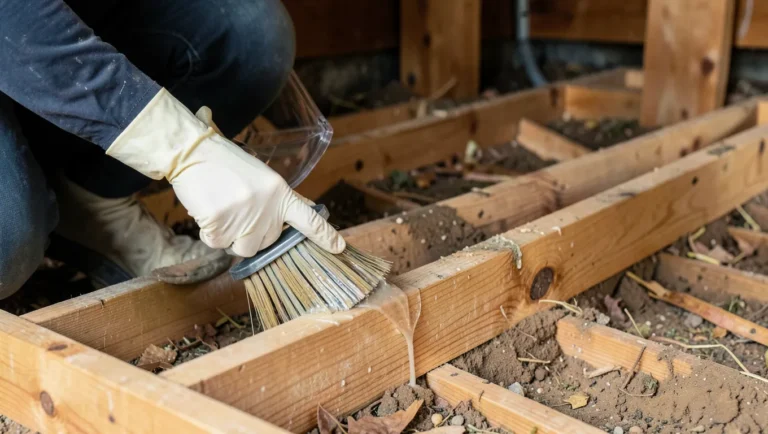
Start with a flashlight and a slow visual pass along baseboards, foundation walls, crawl space framing, and any wood that touches soil or sits close to it. Tap along the length of exposed beams and studs with a screwdriver handle every foot or so, listening for a change from solid to hollow. If you find a suspicious patch, run a moisture meter over it before you cut into anything – a high reading paired with a hollow sound is a strong case for termites rather than simple rot. For a deeper look at what to do once you’ve confirmed activity, our guide on how to get rid of termites in wood walks through the DIY and professional options for both termite types.
Timing your check matters too. Spring and early summer, after a warm rain, is when subterranean colonies typically swarm to start new colonies – that’s the window when you’re most likely to see winged termites (or their discarded wings) even though the workers themselves stay hidden year-round. If you’re inspecting older furniture or a piece of reclaimed lumber for drywood activity, check joints and end grain first; those are the spots where kick-out holes and frass most often show up, since drywood colonies tend to start near an edge or seam rather than the middle of a solid board.
When to Call a Professional
DIY checks are good for catching a problem early, but confirming the species and the extent of the damage really does call for a licensed inspector, especially once termite-infested wood is part of a load-bearing wall, joist, or beam. A professional has tools a homeowner typically doesn’t – acoustic emission devices and infrared cameras that can confirm activity without opening up a wall – and can recommend the right treatment for the specific species involved. Our guide on how to control termites in wood covers what a typical professional treatment plan looks like once an infestation is confirmed.
Frequently Asked Questions
How Can You Tell If There Are Termites in Wood?
Look for hollow-sounding wood when tapped, mud tubes on foundations or walls, small piles of frass near wood, and paint that’s blistered or bubbling. Discarded wings near windowsills after a swarm are another strong sign. None of these require actually spotting a live termite – a professional inspection is the only way to confirm a suspected infestation with certainty.
Can You Always See Termites With the Naked Eye?
No. Subterranean termites, the most common and destructive type in the U.S., stay inside underground colonies and mud tubes and are rarely seen directly. Drywood termites are the exception – since they live inside the wood itself, they can sometimes be seen if an infested piece is broken open. Which type you’re dealing with changes what “visible” actually means.
What Does Termite Frass Look Like?
Frass is drywood termite droppings – tiny, hard, six-sided pellets, usually tan to reddish-brown, that get pushed out of small kick-out holes in the wood and pile up in a small cone shape below or beside the infested area. Subterranean termites don’t produce frass this way since they stay inside mud tubes and soil-contact galleries instead.
Is It Safe to Live in a House With Termites?
Not indefinitely. Termites don’t pose a direct health risk, but left untreated they compromise the structural wood in floors, walls, and roofs over time, which becomes a genuine safety issue in load-bearing areas. Get a professional inspection as soon as you notice signs, and treat the infestation before it reaches structural framing.
Conclusion
So, can you see termites in wood? Usually not the insects themselves – subterranean termites, the type most homeowners deal with, stay hidden in mud tubes and underground galleries by design. What you can see are the signs they leave: hollow wood, mud tubes, frass from drywood species, and moisture-damage-like staining that a meter can help you rule in or out. Catch those signs early, confirm with a professional inspection, and you’ll deal with a much smaller repair bill than if you wait for visible damage to force the issue.
Sponsored / affiliate links. As an Amazon Associate I earn from qualifying purchases. I may earn additional commission from eligible campaigns.