
Agarwood How to Grow: Essential Tips for Cultivation Success
Agarwood can be grown by planting Aquilaria trees in well-drained soil and a warm climate. Proper care includes regular watering and monitoring for pests.
Agarwood, also known as oud, is a highly valued aromatic wood derived from the Aquilaria tree. Its unique fragrance makes it sought after in perfumes and traditional medicine. Cultivating agarwood can be rewarding, but it requires specific conditions for successful growth.
The trees thrive in tropical regions with high humidity and rich, well-drained soil. Cultivators must be patient, as it can take several years for the tree to produce the resinous heartwood that defines agarwood. Understanding the growth requirements and care methods is essential for anyone interested in starting an agarwood plantation. This guide provides key insights into growing agarwood effectively.
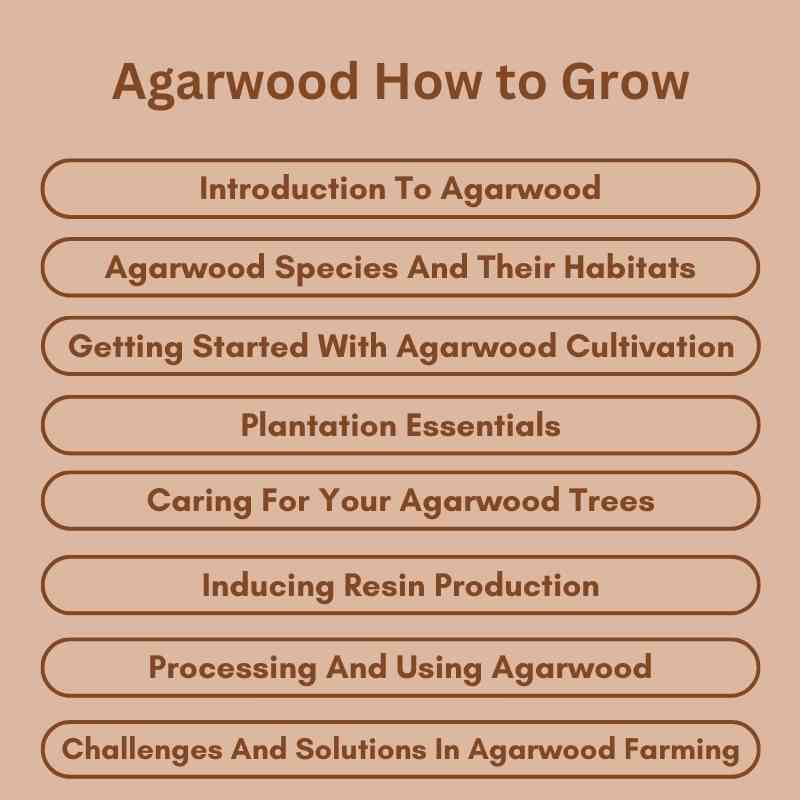
Introduction To Agarwood
Agarwood is a rare and valuable wood. It comes from the Aquilaria tree. This tree produces a fragrant resin. The resin forms when the tree is infected by a mold. This process takes many years, making agarwood very rare.
Due to its unique scent, agarwood is highly sought after. It is used in perfumes and incense. Many cultures treasure agarwood for its spiritual significance. It has been used in traditional medicine for centuries.
The price of agarwood can be very high. Some pieces sell for thousands of dollars. This rarity adds to its allure and mystique. Collectors and traders value agarwood around the world.
Agarwood Species And Their Habitats
Agarwood has several popular species for cultivation. The most sought-after include Aquilaria malaccensis and Aquilaria sinensis. These species thrive in tropical climates.
They prefer warm temperatures and high humidity. Well-drained soil is essential for growth. Natural habitats range from Southeast Asia to India.
Each species has unique characteristics. Aquilaria malaccensis produces high-quality resin. Aquilaria sinensis is known for its aromatic properties.
Understanding the climate and soil preferences helps in successful cultivation. Choose the right species for your environment.
Getting Started With Agarwood Cultivation
Selecting the right seeds is crucial for successful agarwood cultivation. Choose high-quality seeds from reputable sources. Look for seeds that are fresh and healthy. They should be free of any disease or damage.
Understanding soil requirements is essential for growth. Agarwood prefers well-drained soil with good nutrient content. pH levels should range from 6 to 7. Test the soil before planting to ensure it meets these standards. Regularly amend the soil with organic matter to improve its quality.
Plantation Essentials
For successful agarwood cultivation, certain planting conditions are crucial. The ideal temperature range is between 20°C to 30°C. Humidity should be around 60% to 80% for optimal growth.
Soil quality is important. Use well-drained, loamy soil rich in organic matter. The pH level should be between 6 and 7 for best results.
| Condition | Ideal Range |
|---|---|
| Temperature | 20°C to 30°C |
| Humidity | 60% to 80% |
| Soil Type | Loamy, well-drained |
| pH Level | 6 to 7 |
For spacing, plant agarwood trees at least 3 to 4 meters apart. This distance allows for proper growth and airflow.
Planting depth should be around 30 cm to 50 cm. This helps the roots establish well in the soil.
Caring For Your Agarwood Trees
Water your Agarwood trees regularly. Keep the soil moist but not soggy. Use a drip irrigation system for best results.
Nutrition is key for healthy growth. Use a balanced fertilizer every few months. Organic options work well and promote strong roots.
Watch out for pests and diseases. Inspect your trees often for any signs of trouble. Use natural remedies to keep them safe.
| Pest/Disease | Solution |
|---|---|
| Aphids | Use insecticidal soap |
| Leaf spot | Remove affected leaves |
| Root rot | Improve drainage |
Inducing Resin Production
To stimulate resin production in Agarwood, use specific methods. One effective method is to injure the tree. This can be done by making small cuts in the bark. The tree responds by producing resin.
Another method involves using fungi. Introducing certain fungi can promote resin formation. Ensure the fungi are suitable for Agarwood.
Watering practices also play a role. Keep the soil moist but not too wet. Proper nutrition is essential as well. Fertilize with organic options for the best results.
Harvesting the Agarwood requires patience. It typically takes several years before resin develops. Check the tree regularly for signs of resin production. Once enough resin forms, proceed with careful harvesting.
Processing And Using Agarwood
Agarwood processing begins with the trees. After harvesting, the wood is cut into pieces. These pieces are then dried properly to enhance quality. The resin that forms in the wood is the most valuable part.
This resin creates the sought-after fragrance. It is used in many luxury perfumes. Agarwood also has a place in traditional medicine. It can help with various ailments, including stress and anxiety.
| Application | Description |
|---|---|
| Perfumery | Used for creating luxurious and exotic scents. |
| Medicine | Offers benefits for relaxation and emotional balance. |
Challenges And Solutions In Agarwood Farming
Agarwood farming faces many challenges due to climate change. Changes in rainfall and temperature can affect growth. Farmers must adapt to these changes for better yields.
Implementing sustainable farming practices is crucial. Techniques like crop rotation and organic fertilizers help maintain soil health. These practices reduce the need for chemical inputs.
Water management is also important. Collecting rainwater can provide a sustainable water source. Using drip irrigation ensures efficient water use.
Planting native trees alongside Agarwood can create a better ecosystem. This method supports biodiversity and helps fight climate change effects.
The Economics Of Agarwood Cultivation
The economics of agarwood cultivation can be very rewarding. Initial costs include seeds, land preparation, and maintenance. The profit margins are high once the trees mature. Typical returns can exceed 200% after a few years. Many farmers see quick profits by selling young trees.
Market trends indicate a growing demand for agarwood. Countries like China and the Middle East have high consumption rates. The price of agarwood has risen steadily over the years. This growth attracts more investors and farmers to the market.
| Factors | Details |
|---|---|
| Initial Investment | Varies by region, typically $500-$1,000 per acre. |
| Time to Maturity | 5-10 years for quality agarwood production. |
| Market Price | Can reach $1,000 to $10,000 per kg. |
Future Prospects In Agarwood Farming
Future prospects in Agarwood farming appear bright. New methods for cultivation are emerging. These advancements help boost production and quality. Farmers can use technology for better monitoring. This leads to healthier trees and higher yields.
Conservation efforts are also improving. Protecting natural habitats ensures sustainability. Legal trade regulations help maintain market stability. This encourages responsible harvesting of Agarwood. Overall, these changes benefit both farmers and the environment.
Frequently Asked Questions
How Do You Start Growing Agarwood?
To start growing agarwood, select a suitable location with well-draining soil and adequate sunlight. Obtain healthy seeds or seedlings from a reliable source. Ensure consistent watering, especially during dry spells. Regularly monitor for pests and diseases to maintain plant health.
Patience is key, as agarwood takes years to mature.
What Is The Best Soil For Agarwood?
Agarwood thrives in well-draining, sandy loam soil. The soil should be rich in organic matter to support growth. Ensure a pH level between 5. 5 and 7. 5 for optimal conditions. Regularly test soil quality and amend as needed to provide essential nutrients for healthy agarwood development.
How Long Does Agarwood Take To Grow?
Agarwood typically takes 7 to 15 years to mature. The growth rate can vary based on environmental conditions and care. Proper sunlight, water, and nutrients can enhance growth speed. Patience is essential, as quality agarwood develops slowly but can be highly valuable when harvested.
Can Agarwood Be Grown In Pots?
Yes, agarwood can be successfully grown in pots. Choose a large pot with adequate drainage to support root growth. Use a suitable potting mix that retains moisture yet drains well. Regularly monitor the plant’s health and adjust care as needed for optimal growth in a confined space.
Conclusion
Growing agarwood can be a rewarding journey. With the right conditions and care, your efforts will yield beautiful results. Focus on soil quality, humidity, and proper pruning techniques. Patience is key, as agarwood takes time to develop. Start your growing adventure today, and enjoy the unique beauty of this aromatic tree.