What Is Dogwood Good For? Wood Uses and Hardness vs. Maple
Dogwood is mainly good for small, hard-wearing wooden parts: weaving shuttles, mallet heads, pulleys, golf club heads and turned objects. The wood is dense (2,150 lbf Janka for flowering dogwood) but the tree stays small, so it is rarely sold as lumber. This guide covers the wood uses, hardness against maple, hickory and ash, where to find it, and the tree’s landscape and wildlife value.
What Is Dogwood Wood Good For?
Best Maple Mallet Pick | |
 |
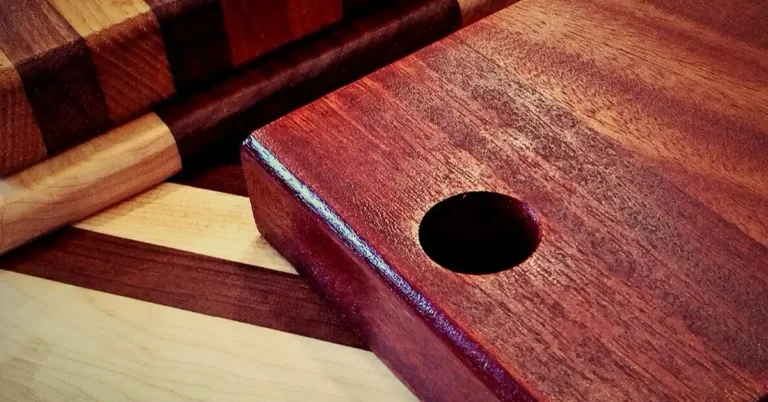
Lanties 9.5 Inch Rock Maple Carving Mallet (13 oz), $21.99 Dogwood was a classic mallet-head wood, but it is rarely sold, so hard maple is the practical stand-in. This mallet is made from hard maple, the 1,450 lbf species in the hardness table below.
|
As an Amazon Associate we earn from qualifying purchases. | |
Flowering dogwood (Cornus florida) has a fine, uniform texture and interlocked grain, and the Wood Database lists its common uses as golf club heads, textile shuttles, archery bows, mallets, pulleys and turned objects. Every item on that list is small and takes repeated wear or impact. That is the pattern: dogwood is a specialty wood for parts, not furniture or construction lumber.
| Use | Why dogwood suits it | Modern substitute |
|---|---|---|
| Weaving and textile shuttles | Hard, smooth surface that thread slides over | Hard maple, persimmon |
| Mallet heads | Very high hardness for a domestic wood | Hard maple, hickory |
| Pulleys and small turned parts | Turns and finishes well | Maple, hickory |
| Golf club heads (historic) | Dense and hard, listed alongside persimmon | Laminated and metal heads |
| Small turned objects | Fine, uniform texture holds detail | Maple, cherry |
One caution about the table above. The “modern substitute” column is our suggestion based on the hardness numbers below, not a claim that those woods were historically swapped in. If you want a mallet today, a maple one gets you most of the way; see the pick above.
Dogwood Hardness vs. Maple, Hickory and Ash
Most dogwood articles say the wood is “hard” without numbers. Here are the figures from the Wood Database, side by side, so you can see how far ahead it really is. See also our separate page on whether dogwood counts as a hardwood for the classification question.
| Wood | Janka hardness (lbf) | Dried weight (lbs/ft3) | Modulus of rupture (lbf/in2) | Volumetric shrinkage |
|---|---|---|---|---|
| American persimmon | 2,300 | 52 | not compared | 19.1% |
| Flowering dogwood | 2,150 | 51 | 16,720 | 19.9% |
| Shagbark hickory | 1,880 | 50 | 20,200 | 16.7% |
| Hard maple | 1,450 | 44 | 15,800 | 14.7% |
| White ash | 1,320 | 42 | 15,000 | 13.3% |
Source: The Wood Database, species pages for each wood (persimmon bending strength was not pulled for this comparison).
Working from those figures, dogwood is about 48% harder than hard maple (2,150 vs 1,450 lbf), about 14% harder than shagbark hickory and about 63% harder than white ash. Those percentages are our arithmetic on the Wood Database numbers.
Hard is not the same as strong
Here is the myth worth correcting. Janka hardness measures resistance to denting, not resistance to breaking. Look at the modulus of rupture column: shagbark hickory (20,200 lbf/in2) is clearly stronger in bending than dogwood (16,720), even though dogwood is harder. Dogwood wins where surface wear matters, such as a shuttle face or a mallet face. Hickory is the better pick where a part has to flex or take a heavy bending load.
The shrinkage catch
Dogwood also shrinks more than maple, hickory or ash in that table: 19.9% volumetric, with a tangential-to-radial ratio of 1.6. Our reading of that figure is that small blanks need slow, careful drying, but that is an inference from the number, not a tested result. If you buy blanks, buy ones sold as dried and expect to rough-turn and let them settle before final turning.
How Dogwood Works for Turning and Hand Tools
The Wood Database says dogwood produces decent results with both hand and machine tools, and that it glues, turns and finishes well. The grain is interlocked, which can tear out on planing, so take light cuts. The heartwood is a narrow reddish brown, and the wide sapwood is cream to pale pink, so small pieces often show both.
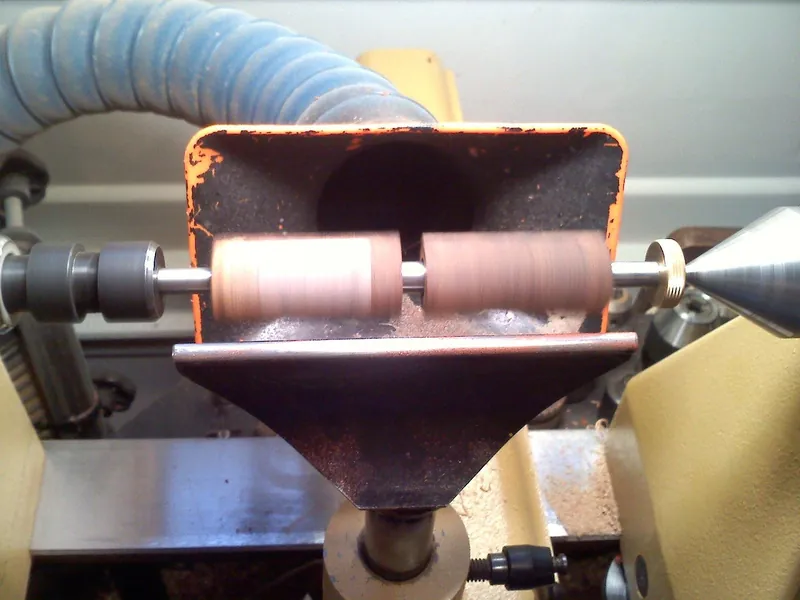
Dogwood has no characteristic odor, and the Wood Database lists no health reactions beyond ordinary wood dust exposure. That still means a dust mask and dust collection when sanding or turning, as for any species. For setup safety, read our wood lathe safety rules before your first spindle.
One more property to plan around: the sapwood is rated non-durable to perishable and susceptible to insect attack. Dogwood parts belong indoors or in tool kits, not outdoors in ground contact.
Where to Get Dogwood Wood
The Wood Database lists flowering dogwood as not generally available commercially, with prices high for a domestic hardwood. The tree is typically 30 to 40 feet tall with a trunk 1 to 1.3 feet in diameter, so there are no wide boards. Realistic sources are:
- Your own or a neighbor’s tree. Storm-fallen or removed trees are the usual supply; get permission and check local rules first.
- Arborists and sawyers. Ask whether they set aside small hardwood logs.
- Substitutes. If you only need the hardness, hard maple or hickory blanks are easy to find. Our types of wood guide compares common options.
Related species help with context. Willow sits at the opposite end of the density scale; compare it on our is willow a hardwood page. For a dense tropical contrast, see the characteristics of mahogany wood. And if you are curious how wood hardness can be increased by treatment, read how to fire harden wood.
Dogwood as a Tree: Landscape and Wildlife Value
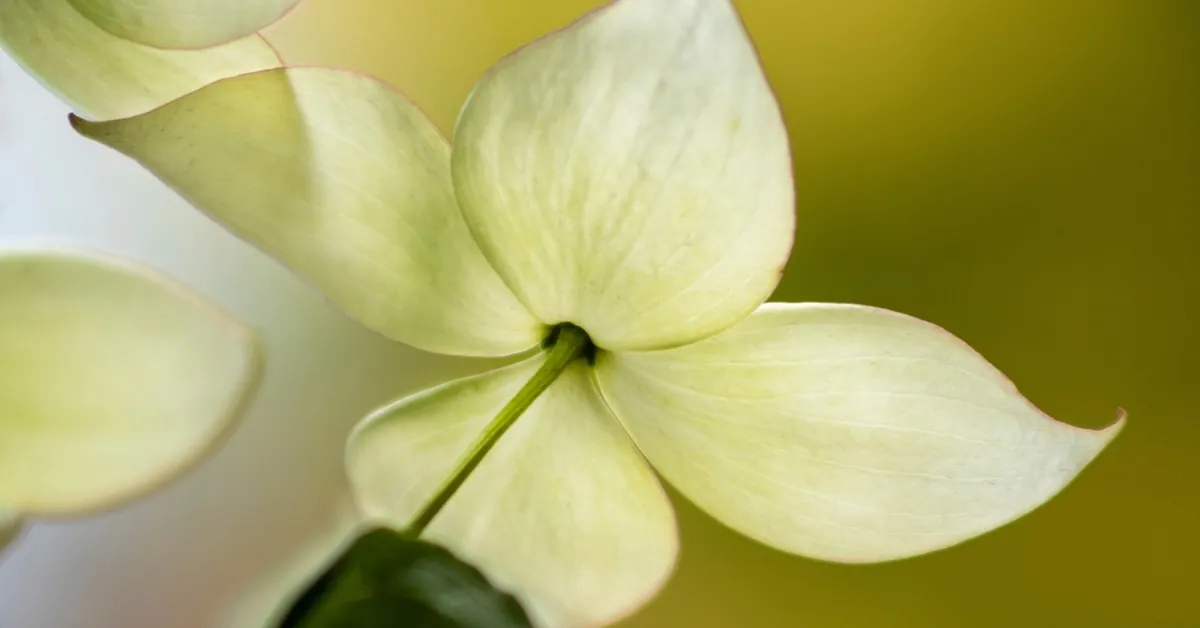
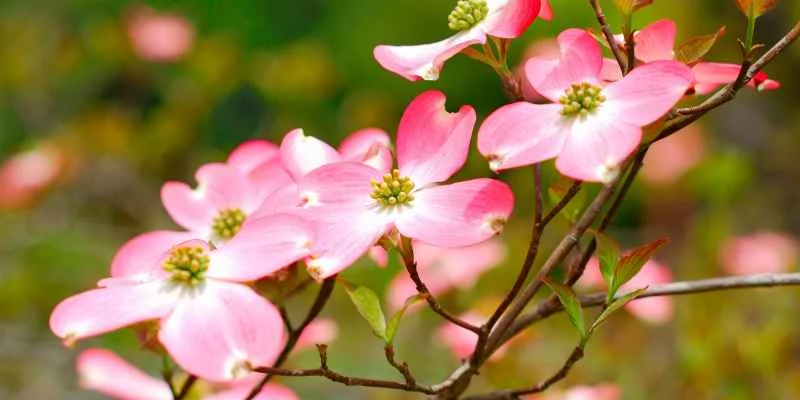
Outside the shop, flowering dogwood is a popular small landscape tree. NC State Extension describes mature trees at 15 to 25 feet tall, blooming in spring (March to May) before the leaves emerge, with four petal-like bracts around small green true flowers, and red to reddish-purple fall color.
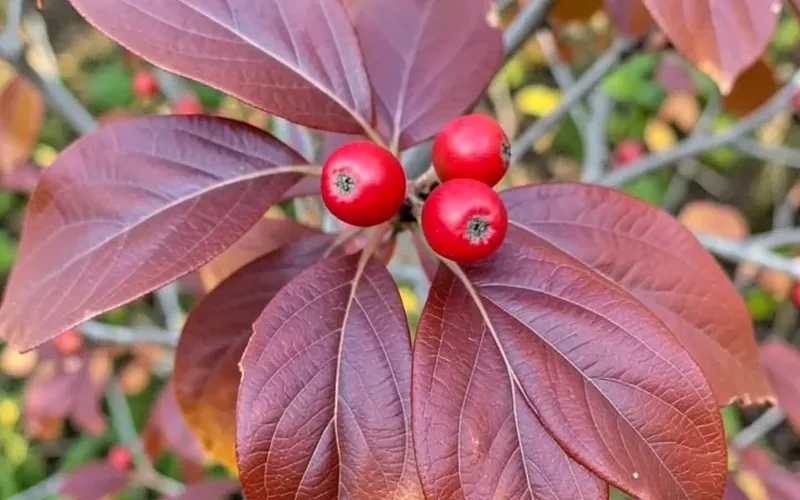
Wildlife value is real. The same NC State page lists the glossy red fruit (August to October) as food for songbirds, ruffed grouse, quail, wild turkey, chipmunks, black bear, foxes, deer, skunks and squirrels, and notes the tree as a host plant for the spring azure butterfly.
Disease note. NC State lists dogwood anthracnose (found above 1,800 feet elevation), spot anthracnose, powdery mildew, canker and dogwood borer among the problems. It recommends full sun to partial shade with well-drained, organic-rich soil, and notes afternoon shade helps in piedmont and coastal regions.
Source: NC State Extension Plant Toolbox, Cornus florida
Flowering Dogwood vs. Edible Dogwood Species
“Dogwood” covers several species, and the berries differ. Flowering dogwood fruit is not a food crop: it is bitter and mealy, and eating it can upset the stomach. Two other dogwoods are grown for fruit.
| Species | Fruit | Typical use |
|---|---|---|
| Flowering dogwood (Cornus florida) | Not for eating | Ornamental tree, wildlife food, source of the wood described above |
| Cornelian cherry (Cornus mas) | Edible and tart | Edible landscaping, preserves |
| Kousa dogwood (Cornus kousa) | Edible | Ornamental tree with edible fruit |
If you plan to eat any dogwood fruit, confirm the exact species first. Do not rely on the common name alone.
Traditional and Medicinal Uses
Dogwood bark appears in older folk herbal traditions, but we did not find reliable clinical evidence in the sources used for this article, so we make no health claims. Do not use any part of the plant as medicine without advice from a healthcare provider.
Frequently Asked Questions
What is dogwood wood used for?
Dogwood wood is used for weaving and textile shuttles, mallet heads, pulleys, golf club heads, archery bows and small turned objects. The Wood Database lists these uses and notes dogwood is hard, fine textured and turns well, but the tree is too small to supply large boards.
Is dogwood wood good for woodturning?
Yes. The Wood Database says dogwood turns and finishes well and has a fine, uniform texture. Interlocked grain means light cuts help, and its high shrinkage (19.9% volumetric) means you should use properly dried blanks and wear dust protection.
How hard is dogwood compared to maple and hickory?
Flowering dogwood measures 2,150 lbf on the Janka scale, against 1,450 for hard maple, 1,880 for shagbark hickory and 1,320 for white ash, per the Wood Database. Hickory is stronger in bending, though, at 20,200 lbf/in2 modulus of rupture versus 16,720 for dogwood.
Can you buy dogwood lumber?
Rarely. The Wood Database says flowering dogwood is not generally available commercially and is priced high for a domestic hardwood. Most workers get small logs from fallen trees or an arborist, or use maple or hickory instead.
Are dogwood berries edible?
Not from flowering dogwood. Its red fruit is bitter and can upset the stomach. Cornelian cherry (Cornus mas) and kousa dogwood (Cornus kousa) are the edible dogwoods, so confirm the species before eating any fruit.
Final Word
Dogwood is a small-parts wood: very hard, finely textured, hard to find and prone to shrinkage. Use the numbers above to decide whether it, or a maple or hickory stand-in, suits your project. And if you are planting rather than turning, enjoy the blossoms and leave the berries to the birds.
Sponsored / affiliate links. As an Amazon Associate I earn from qualifying purchases. I may earn additional commission from eligible campaigns.