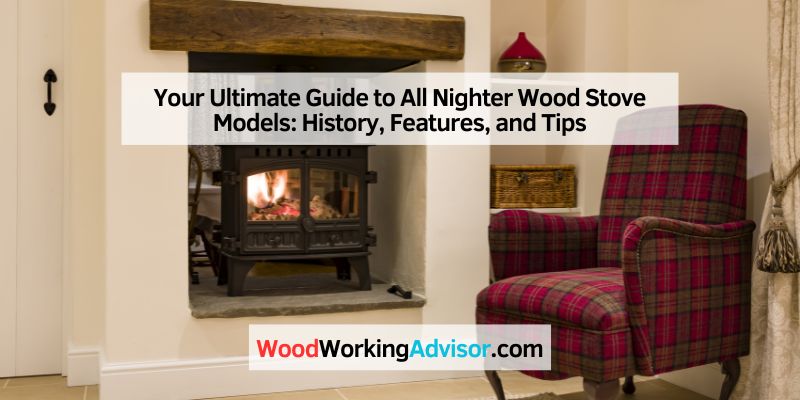
Your Ultimate Guide to All Nighter Wood Stove Models: History, Features, and Tips
Hey there! If you’re like me, you love the cozy warmth of a wood stove crackling in your home on a chilly night. There’s something timeless about it—the glow of the fire, the smell of burning wood, and the way it heats up a room like nothing else. When I started exploring wood stoves for my home, I stumbled across All Nighter wood stove models, and let me tell you, they’re a fascinating piece of heating history. These stoves, known for their durability and ability to burn all night, have a loyal following, even though the company stopped producing them years ago.
In this guide, I’m going to walk you through everything I’ve learned about All Nighter wood stoves—their history, the different models, how to use them effectively, and tips for keeping them in tip-top shape. Whether you’re a homeowner looking to buy a vintage model or someone curious about restoring one, I’ve got you covered. Let’s dive in!
The Legacy of All Nighter Wood Stoves
When I first heard about All Nighter wood stoves, I was intrigued by their reputation. These stoves were born in the 1970s, a time when energy crises pushed people to find efficient, reliable heating options. The All Nighter Wood Stove Company, based in Glastonbury, Connecticut, stepped up with a line of cast-iron and steel stoves that promised to keep homes warm through the night with just one load of wood. That’s where the name “All Nighter” comes from, and it’s not just marketing fluff—these stoves were designed to burn slowly and steadily for hours.
What makes All Nighter stoves special is their rugged construction. Most models were built with heavy-duty cast iron or steel plates, giving them a durability that’s hard to beat. I’ve talked to folks who’ve had their All Nighter stoves for decades, and they still work like a charm. These stoves were a staple in American homes, especially in colder regions like the Northeast and Midwest, where winters can be brutal. Even today, you’ll find enthusiasts hunting for these vintage models on marketplaces or restoring them to their former glory.
The company may no longer be in business, but the legacy lives on. Their stoves, like the iconic Big Moe, Mid Moe, and Little Moe, are still sought after for their ability to heat large spaces and their classic, rustic look. If you’re considering one for your home, you’re not just buying a heater—you’re investing in a piece of history.
Understanding All Nighter Wood Stove Models
One of the first things I noticed when researching All Nighter stoves is that they came in different sizes to suit various needs. The company named their models playfully, with “Moe” being a recurring theme. Let’s break down the main models so you can get a sense of what each one offers.
| Model Name | Dimensions (L x H x W) | Weight | Heating Capacity | Log Length | Features |
|---|---|---|---|---|---|
| Big Moe | 41.5” x 31” x 23.5” | 510 lbs | Up to 3,000 sq. ft. | 28” | Large firebox, optional blower, high heat output |
| Mid Moe | 36” x 31” x 21.5” | 408 lbs | Up to 2,000 sq. ft. | 24” | Balanced size, efficient for medium homes |
| Little Moe | 31.5” x 28” x 19.5” | 314 lbs | Up to 1,500 sq. ft. | 20” | Compact, ideal for smaller spaces |
| Tiny Moe | 28.5” x 26.75” x 17.25” | 241 lbs | Up to 900 sq. ft. | 18” | Portable, great for cabins or small rooms |
Big Moe: The Powerhouse
The Big Moe is the beast of the lineup. When I first saw one, I was impressed by its sheer size. It’s built for large homes or open spaces, capable of heating up to 3,000 square feet. The firebox is massive, taking logs up to 28 inches long, which means you can load it up and let it burn for hours without needing to refuel. I’ve heard stories of people in Wisconsin using Big Moe stoves to keep their entire homes toasty during subzero winters.
What I love about the Big Moe is its optional blower. This feature pushes warm air into the room, making it even more efficient. If you live in a big house or a drafty old farmhouse, this model might be your best bet. Just keep in mind it’s heavy—510 pounds—so you’ll need a solid foundation to support it.
Mid Moe: The All-Rounder
The Mid Moe strikes a nice balance. It’s not as bulky as the Big Moe but still packs a punch, heating up to 2,000 square feet. I found this model to be a favorite among people with medium-sized homes. It takes logs up to 24 inches, which is plenty for most users, and it’s easier to fit into a room than the Big Moe.
When I talked to a friend who owns a Mid Moe, he raved about its reliability. He’s been using it for over 20 years, and with regular maintenance, it’s still going strong. The Mid Moe is perfect if you want something versatile that can handle cold nights without taking up too much space.
Little Moe: Compact but Mighty
The Little Moe is a gem for smaller homes or cabins. It’s designed to heat up to 1,500 square feet, which is impressive for its size. I came across a couple in Vermont who use a Little Moe in their off-grid cabin, and they love how it keeps the place cozy without overwhelming the space. It takes logs up to 20 inches, and at 314 pounds, it’s a bit easier to move than its bigger siblings.
What surprised me about the Little Moe is how well it holds heat. The cast-iron construction radiates warmth even after the fire dies down, which is great for keeping your space comfortable through the night.
Tiny Moe: The Portable Option
The Tiny Moe is the smallest of the bunch, perfect for tiny homes, small cabins, or even as a supplemental heat source. It heats up to 900 square feet and takes logs up to 18 inches. I saw one at a friend’s hunting cabin, and it was a perfect fit—compact, lightweight (relatively speaking at 241 pounds), and easy to install.
If you’re looking for something portable or don’t have a lot of space, the Tiny Moe is a great choice. It’s not going to heat a big house, but for a small, cozy space, it does the job beautifully.
Why Choose an All Nighter Wood Stove?
So, why did I get so excited about All Nighter stoves? For starters, they’re built to last. The heavy-duty cast iron and steel used in these stoves make them incredibly durable. I’ve read stories of people using the same stove for over 40 years with just basic maintenance. That’s the kind of quality you don’t find in many modern appliances.
Another big draw is their efficiency. All Nighter stoves were designed with a secondary combustion system, which burns off gases that would otherwise go up the chimney as smoke. This means you get more heat from less wood, which is great for your wallet and the environment. Plus, the ability to burn for up to 12 hours on a single load is a game-changer. I remember waking up to a cold house with my old heater, but with an All Nighter, you can sleep soundly knowing you’ll still have warmth in the morning.
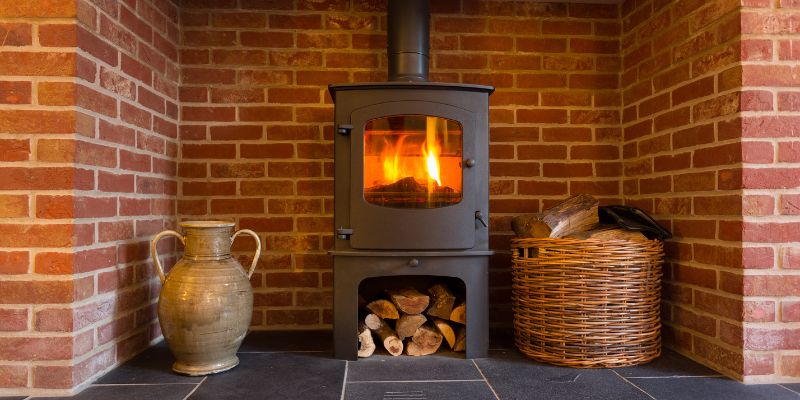
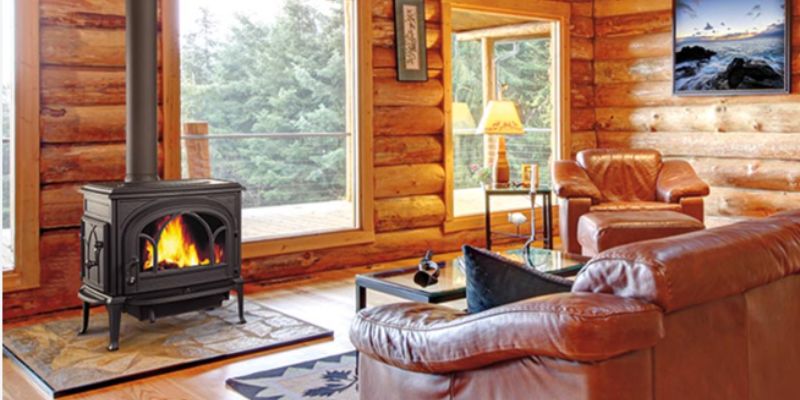
The rustic charm is another bonus. These stoves have a classic, no-nonsense look that adds character to any room. Whether you’re going for a cozy cabin vibe or a farmhouse aesthetic, an All Nighter fits right in. Some models even have glass doors, so you can enjoy watching the flames dance.
How to Use an All Nighter Wood Stove for Overnight Burning
One of the biggest selling points of All Nighter stoves is their ability to burn all night. But it’s not as simple as tossing in some logs and hoping for the best. I’ve learned a few tricks to get the most out of these stoves, and I’m happy to share them with you.
First, start with the right wood. Hardwoods like oak, hickory, or maple are your best friends. They’re dense, so they burn slowly and produce a steady heat. Make sure your wood is seasoned—dried for at least six months—with a moisture content below 20%. Wet wood creates a lot of smoke and burns too fast, which is a waste.
Here’s how I set up my stove for an overnight burn:
- Build a Coal Bed: Get a good fire going in the evening. You want a nice layer of hot coals at the bottom of the firebox. This is the foundation for a long-lasting fire.
- Rake the Coals: Use a fireplace rake to pull the coals to the front of the stove, near the air inlet. This creates a strong heat source to ignite your logs.
- Load the Logs: Place one large log and a couple of smaller ones in the firebox. I like to arrange them east-west (parallel to the front) and pack them tightly against the back. This setup slows the burn, so the fire spreads gradually from log to log.
- Adjust the Airflow: Once the logs are burning, turn down the damper to a medium-low setting. This restricts oxygen, slowing the burn without smothering the fire. Don’t close the vents completely, or you’ll get a smoldering mess.
- Check the Ash: Before you load the stove, clear out excess ash from the front of the firebox. Too much ash can block airflow and reduce efficiency.
I’ve found that this method can keep my stove burning for 8 to 12 hours. When I wake up, there’s usually a bed of hot coals ready to start the next fire. It’s a game-changer for those cold winter nights.
Maintenance and Restoration Tips
Owning an All Nighter stove is like owning a classic car—it requires some TLC to keep it running smoothly. Since these stoves are no longer in production, maintenance and restoration are key to keeping them in your home for years to come.
Routine Cleaning
I make it a habit to clean my stove regularly. Remove ashes from the firebox at least once a week, but don’t take out all the ash—a thin layer helps insulate the coals. Every month, I check the chimney for creosote buildup, which can be a fire hazard. A professional chimney sweep once a year is a must.
Replacing Parts
Finding replacement parts for All Nighter stoves can be tricky, but it’s not impossible. I’ve had luck with third-party suppliers who specialize in vintage stove components. Common parts like door gaskets, firebricks, and blowers are still available online or through forums like Hearth.com. If you’re restoring a stove, check for rust or cracks in the welds. A friend of mine had a Big Moe with a cracked seam, and he had it repaired by a professional welder.
Safety First
Before using a vintage All Nighter, have it inspected by a professional. These stoves were built before modern emissions standards, so they may not meet current regulations in some areas. I also recommend installing carbon monoxide and smoke detectors near the stove for peace of mind.
Restoring the Look
If your stove is looking a bit rough, a fresh coat of stove black can make it shine like new. I sanded down my Mid Moe to remove rust, then applied high-temperature stove paint. It was a weekend project, but the result was worth it—the stove looked brand new and fit perfectly in my living room.
Where to Find All Nighter Wood Stoves
Since All Nighter stoves aren’t made anymore, you’ll need to hunt for used ones. I’ve found great deals on online marketplaces like eBay, Craigslist, and Facebook Marketplace. Forums like Hearth.com and Firewood Hoarders Club are also goldmines for connecting with other enthusiasts who might be selling or know where to find parts.
When buying a used stove, check for signs of wear like rust, missing parts, or damaged firebricks. Ask for the stove’s history—how long it’s been used, whether it’s been maintained, and if it’s been stored properly. I once passed on a Little Moe that looked great but had been left outside under a tarp for years, which caused hidden rust damage.
If you’re lucky, you might find a never-used All Nighter in someone’s garage. These are rare, but they do pop up. Just make sure to have it inspected before installation to ensure it meets safety standards.
Comparing All Nighter to Modern Wood Stoves
I often get asked how All Nighter stoves stack up against modern models. To be honest, they have their pros and cons. All Nighters are incredibly durable and can heat large spaces, but they’re less efficient than today’s EPA-certified stoves. Modern stoves often have advanced features like catalytic combustors, which burn cleaner and use less wood.
That said, All Nighters have a charm and reliability that’s hard to beat. If you’re okay with burning a bit more wood and doing regular maintenance, they’re still a fantastic choice. Plus, they’re often cheaper than new stoves, especially if you find a good deal on a used one.
My Personal Experience with All Nighter Stoves
When I first installed my Mid Moe, I was a bit intimidated. I’d never used a wood stove before, and the idea of keeping it burning all night seemed daunting. But after a few weeks of trial and error, I got the hang of it. Now, I can’t imagine winter without it. There’s something so satisfying about loading up the firebox, adjusting the damper, and waking up to a warm house. It’s become a ritual in my home, and it’s made me appreciate the simplicity and effectiveness of wood heating.
Conclusion
Exploring All Nighter wood stove models has been a journey for me, and I hope this guide has given you a clear picture of why these stoves are so special. From their rugged construction to their ability to burn all night, they’re a testament to quality and craftsmanship. Whether you’re drawn to the powerhouse Big Moe, the versatile Mid Moe, the compact Little Moe, or the portable Tiny Moe, there’s an All Nighter for every home. With the right wood, a bit of know-how, and regular maintenance, these stoves can keep you warm for decades. If you’re considering adding one to your home, I encourage you to dive into the world of vintage stoves—you might just fall in love like I did. So, grab a cup of coffee, cozy up by the fire, and enjoy the warmth of an All Nighter wood stove!
FAQs
What makes All Nighter wood stoves different from other brands?
All Nighter stoves stand out for their durability and long burn times. Built with heavy-duty cast iron or steel, they were designed to last for decades. Their secondary combustion system helps them burn efficiently, and models like the Big Moe can heat large spaces with a single load of wood.
Are All Nighter wood stoves still manufactured?
No, All Nighter stoves are no longer in production. The company stopped making them years ago, but you can still find used models on marketplaces like eBay or Craigslist. Many owners restore these vintage stoves for continued use.
How do I keep an All Nighter stove burning all night?
To keep your stove burning overnight, use seasoned hardwoods like oak or hickory. Build a strong coal bed, rake the coals to the front, and load large logs tightly against the back. Adjust the damper to a medium-low setting to control airflow and maintain a slow, steady burn.
Where can I find replacement parts for my All Nighter stove?
Replacement parts like gaskets, firebricks, and blowers can be found through third-party suppliers or online forums like Hearth.com. Some specialty retailers also carry parts for vintage stoves, but you may need to shop around.
Are All Nighter stoves safe to use in modern homes?
Yes, but you should have them inspected by a professional before use. Vintage stoves may not meet current emissions standards, so check local regulations. Install carbon monoxide and smoke detectors, and ensure your chimney is clean to maintain safety.
How do I restore a rusty All Nighter stove?
Start by sanding off rust with a wire brush or sandpaper. Clean the surface thoroughly, then apply high-temperature stove paint or stove black for a fresh look. Check for structural damage like cracks and have them repaired by a professional if needed.