Wiring a Microwave Transformer for Wood Burning: Why It Kills (33+ Deaths)
We’re not going to walk you through wiring a microwave transformer for wood burning. This specific setup – known as Lichtenberg or “fractal” burning – has killed at least 33 people in the US since 2017, and the American Association of Woodturners has banned even demonstrating it at their events because of the fatality risk. This page explains exactly why it’s so dangerous, and what to use instead if you want the same branching-lightning look.
⚠️ Serious Safety Warning
Lichtenberg (fractal) wood burning uses a high-voltage transformer – often pulled from a microwave oven – to pass current through wood soaked in a conductive solution. At least 33 documented deaths have occurred in the US since 2017 from this technique, plus an unknown number of serious injuries and close calls.
The American Association of Woodturners (AAW) bans demonstrating this technique or selling equipment for it at AAW events and in AAW publications, specifically because of the fatality risk.
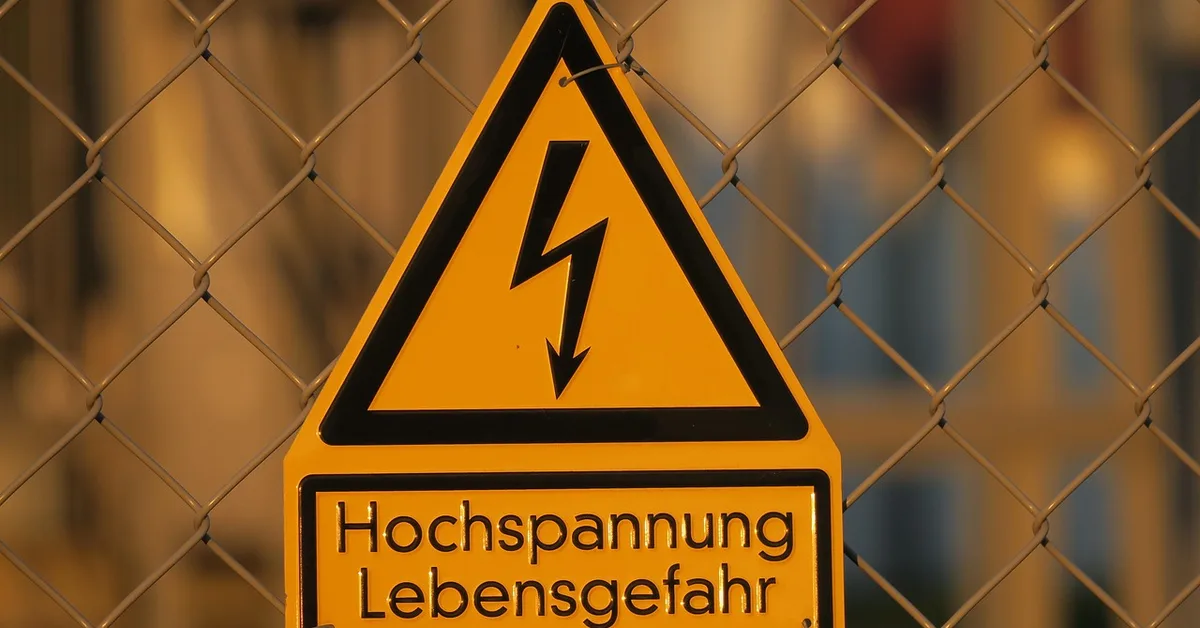
This is not a burn hazard – it is an electrocution hazard. Mains-level voltage through a person can stop the heart in seconds, even from what feels like brief or incidental contact with the wood, the electrodes, or even a puddle the conductive solution has spread into.
Why a Microwave Transformer Specifically Is So Dangerous
Two things make a microwave oven transformer (MOT) uniquely dangerous compared to other household electrical work, and both are things people commonly get wrong:
- A GFCI outlet does not protect you. A ground fault circuit interrupter works by detecting current leaking to ground – but the transformer’s secondary winding is galvanically isolated from the primary side, so a GFCI on the wall outlet cannot detect a fault or shock happening on the high-voltage output side at all. People who assume “it’s on a GFCI, so it’s safe” are relying on protection that simply does not apply here.
- The capacitor stores a lethal charge even after it’s unplugged. Microwave transformers are almost always paired with a high-voltage capacitor that can hold a dangerous charge long after the power is disconnected. Assuming a de-energized, unplugged setup is “dead” is one of the documented causes of injury.
Combine that with wood deliberately soaked in a conductive solution (usually baking soda water) to carry the current, and you have a setup where the current path runs directly through whatever is touching the wet wood – which is often a hand.
📊 Documented case data: a 2022 case review published in the medical literature documented multiple electrocution deaths specifically from fractal wood burning, describing the mortality rate associated with the technique as “significant” and “exceedingly high” – see the peer-reviewed case report on PubMed. Separately, Woodworking Network reported that the AAW’s 2017 ban followed the death of a woodworker in Walla Walla, Washington who was electrocuted attempting the technique – one of several documented fatalities that prompted the policy.
Safer Ways to Get the Lightning-Pattern Look
If what you actually want is the branching, lightning-like visual pattern – not specifically the high-voltage process – there are ways to get a similar look without any electrocution risk:
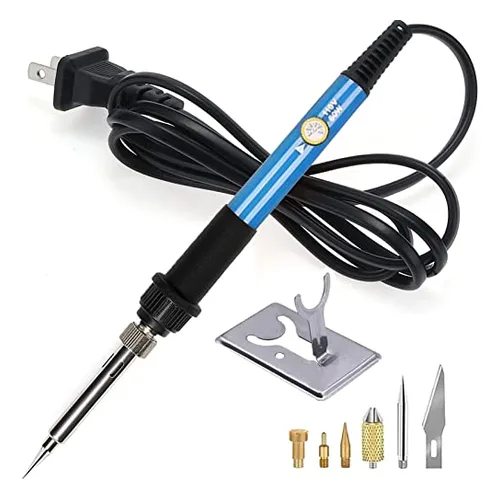
- Standard pyrography (a wood-burning pen): a low-voltage (typically under 30V), soldering-iron-style pen used freehand. It’s the tool traditionally used for wood burning art in general, and skilled pyrographers can draw convincing branching, root-like patterns freehand with practice – no high voltage involved at all.
- Laser engraving/cutting: a CNC laser engraver (like a Glowforge or similar) can burn controlled, repeatable fractal-branching patterns into wood with zero electrical shock risk to the operator, since there’s no current passing through the workpiece or a person at any point.
- Purpose-built commercial Lichtenberg machines: if you’re committed to the actual high-voltage process, professionally engineered units exist with enclosed high-voltage compartments, multiple interlock switches, and foot-pedal activation designed specifically to keep the operator’s hands away from the live circuit. These still carry real risk and require training – they are not “safe,” just meaningfully safer engineering than a bare transformer wired on a workbench. A modified household appliance has none of these safeguards.
Frequently Asked Questions
Is Wiring a Microwave Transformer for Wood Burning Dangerous?
Yes – it is genuinely lethal, not just a burn risk. At least 33 documented deaths have occurred in the US since 2017 from this specific technique (Lichtenberg/fractal burning), which is why the American Association of Woodturners bans demonstrating it at their events.
Does a GFCI Outlet Make This Safe?
No. A GFCI protects against ground faults on the circuit it’s plugged into, but the transformer’s high-voltage secondary side is galvanically isolated from that circuit, so a GFCI cannot detect or interrupt a shock happening on the output side. This is a common and dangerous misconception.
How Many People Have Died From Fractal Wood Burning?
At least 33 documented deaths have occurred in the US since 2017, according to data cited by the American Association of Woodturners, along with an unknown number of additional serious injuries and close calls that weren’t fatal.
What’s a Safer Way to Get a Lichtenberg-Style Pattern?
Standard low-voltage pyrography pens can create similar branching patterns freehand with no shock risk, and CNC laser engravers can burn controlled fractal-style patterns with zero current passing through the workpiece or operator. Both avoid the high-voltage electrocution risk entirely.
For the full breakdown of documented injuries, the medical mechanism, and safer alternatives, see our dedicated page on fractal wood burning injuries.
The Bottom Line
The visual result of Lichtenberg burning is genuinely striking, which is exactly why it keeps circulating online – but the process itself has a documented fatality count that should stop anyone from wiring together a homemade high-voltage setup. If you want the look, a wood-burning pen or a laser engraver gets you there without the risk. If you’re set on the real high-voltage process, that’s a job for professionally engineered equipment with real interlocks and training – not a disassembled microwave on a workbench.
Sponsored / affiliate links. As an Amazon Associate I earn from qualifying purchases. I may earn additional commission from eligible campaigns.