Engineered Oak Hardwood Flooring: Pros, Cons & Is It Worth It
Engineered oak hardwood floor is real oak veneer bonded over a plywood core, and it resists humidity and temperature swings better than solid oak — but its veneer is thinner, so most versions survive only one to two sand-and-refinish cycles versus four to six for solid oak. Choosing the wrong veneer thickness means replacing the floor years early. This guide covers engineered vs. solid hardwood, veneer thickness and refinishing limits, real installed costs, and long-term care.
Quick Answer
Engineered oak flooring is worth it for most homes: it typically costs $9–$20 per square foot installed versus $12–$25+ for solid oak, resists enough moisture for kitchens and basements, and can go over concrete slabs or radiant heat. The trade-off is refinishing — veneers under 2mm often can’t be sanded at all, so check wear-layer thickness before buying.
Engineered Oak vs. Solid Hardwood: Key Differences
Best Engineered Oak Floor Cleaner Pick
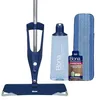
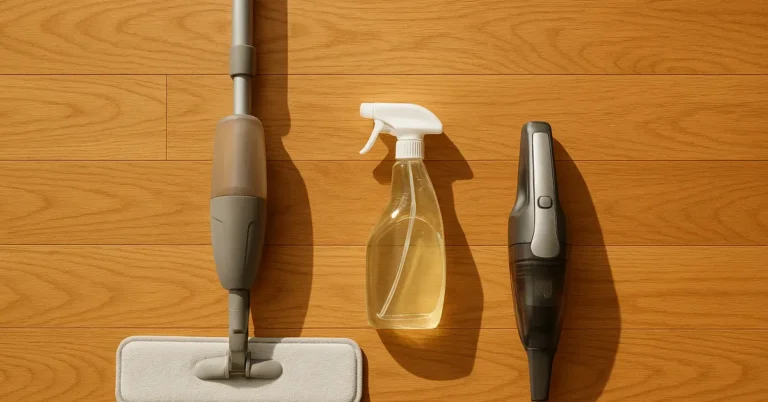
Bona Hardwood Floor Premium Spray Mop – $47.24
An all-in-one mop and cleaner combo built specifically for finished wood floors — matches the “no steam, no soaking” cleaning rule this guide covers above.
- Best for: Weekly maintenance cleaning without buying a separate mop and solution
- Why we picked it: Dual-zone microfiber pad picks up grit before it scratches the veneer
- Main drawback: Refill cartridges cost more long-term than a plain spray bottle
Compare more engineered floor cleaner options
 Option 1 Bona Hardwood Floor Cleaner Spray – $8.97
|
 Option 2 Weiman Hardwood Floor Cleaner – 128oz Refill
|
 Option 3 ZEP Hardwood & Laminate Cleaner – $14.98
|
As an Amazon Associate we earn from qualifying purchases.
Engineered oak hardwood is a multi-layer flooring product with a real oak veneer bonded over a plywood or high-density fiberboard core. Unlike solid oak — one piece of wood from top to bottom — engineered oak’s layered, cross-grain construction resists the expansion and contraction that humidity causes, which is why it can go over concrete slabs, radiant heat, and below-grade rooms where solid oak often struggles. For a look at how oak compares to other species in general, see this guide to wood species and their uses, and for the full range of flooring materials this article’s parent wood flooring guide covers types, installation, and care side by side.
| Factor | Engineered Oak | Solid Oak | Best For |
|---|---|---|---|
| Moisture & humidity swings | Layered core resists warping | Expands/contracts; avoid basements | Kitchens, basements → engineered |
| Installed cost per sq ft | $9–$20 | $12–$25+ | Budget-conscious → engineered |
| Sand-and-refinish cycles | Usually 1–2 (veneer-dependent) | 4–6 | Multi-generational floor → solid |
| Install over concrete/radiant heat | Yes | No — needs a plywood subfloor | Slab foundations → engineered |
Veneer Thickness: How Many Times You Can Actually Refinish It
The single biggest factor in how long an engineered oak floor lasts isn’t the brand — it’s the thickness of the real-wood wear layer sitting on top of the plywood core. Each refinishing pass removes roughly 0.5–1mm of wood, so a thin veneer runs out fast.
| Wear Layer Thickness | Refinishing Capacity | Best Use |
|---|---|---|
| Under 1mm | Cannot be sanded — cosmetic layer only | Rentals, short-term flips |
| 1–2mm | Not safely refinishable under NWFA sand/finish guidance | Budget builds, low-traffic rooms |
| 2.5–3mm | One full sand-and-refinish cycle | Most residential homes |
| 3.2mm+ | Two or more cycles over the floor’s life | High-traffic homes, long-term owners |
📊 The National Wood Flooring Association sets 2.5mm (factory-finished) and 3.2mm (unfinished) as the minimum wear-layer thickness for its Engineered Wood Flooring Refinishable Program — anything thinner than 3/32″ is flagged as not safe to sand. Always ask for the veneer spec in millimeters before buying, not just a marketing label like “premium.” — Source: National Wood Flooring Association, 2022
Real Cost: What Engineered Oak Actually Runs Per Square Foot
Engineered oak typically runs $9 to $20 per square foot installed — $6 to $12 for materials and $3 to $8 for labor — compared to $12 to $25 or more for solid oak. Floating or click-lock installations cost less in labor because they go down faster; glue-down methods (often required over concrete or in high-traffic commercial spaces) cost more due to the adhesive, moisture-proofing prep, and slower pace.
The initial savings aren’t the whole story. Because engineered oak can only be refinished once or twice, a low-quality board with a sub-1mm veneer may need full replacement in 10–15 years, while a 3mm+ veneer on a good subfloor can realistically last 30–50 years with proper care — closing much of the lifetime cost gap with solid oak.
Benefits of Choosing Engineered Oak
Durability and Longevity
Properly installed and maintained engineered oak with a mid-to-thick veneer typically lasts 20 to 30 years, and the thickest premium products can reach 50 years before the wear layer is exhausted. The plywood or HDF core also resists the cupping and gapping that solid oak shows in humid climates, so seasonal movement is far less noticeable.
Ease of Installation
Engineered oak can be nailed, glued, or floated with a click-lock system — solid oak is almost always nail-down only. That flexibility is what lets it go over concrete slabs and existing subfloors that solid oak can’t touch, and it’s a big part of why installation labor runs cheaper on click-lock jobs.
Design Possibilities With Engineered Oak
Enhancing Different Room Ambiances
Oak’s grain reads differently depending on the cut and finish — wide, rift-sawn planks tend to suit modern spaces, while narrower, traditionally-milled boards fit period homes. Because engineered oak tolerates humidity, it’s one of the few real-wood-surface floors that works consistently across a kitchen, a sunroom, and a below-grade family room without a change in material.
Color and Finish Varieties
Engineered oak is sold in stains from natural blonde through dark oak hardwood flooring tones, plus wire-brushed, hand-scraped, and matte or satin finishes that hide everyday scuffs better than high-gloss. If you’re weighing paint or wall colors against the floor, this guide to choosing the right hardwood floor color walks through matching finishes to a room’s light and furniture.
Installation Insights
DIY vs. Professional Installation
Click-lock floating floors are the most DIY-friendly version of engineered oak — no nails, no adhesive, no specialty tools beyond a tapping block and spacers. Glue-down and nail-down installations are better left to a pro: uneven adhesive coverage or the wrong nail spacing is a common cause of squeaks and loose boards later.
Preparation and Process
Before any engineered oak goes down, the subfloor needs to be flat, clean, and within the manufacturer’s moisture range — a cheap pin-type or pinless moisture meter catches a wet slab before it ruins a new floor, which is worth the $20–$40 it costs. If you’re replacing existing flooring first, see how to remove an old hardwood floor and, if the subfloor has old glue residue, how to remove old adhesive from a hardwood floor before the new boards go in.
- Acclimate the flooring: Let boxed planks sit in the install room for 48–72 hours so they adjust to indoor humidity.
- Test subfloor moisture: Check concrete or wood subfloor moisture content against the manufacturer’s maximum before installing.
- Choose the install method: Float with click-lock over any flat subfloor, glue down over concrete, or nail down over an existing wood subfloor.
- Leave an expansion gap: Run 1/4” to 1/2” spacers along every wall to allow for seasonal movement, then cover with baseboard or trim.
Maintenance and Care
Daily Cleaning Tips
Sweep or dust-mop daily in high-traffic homes to keep grit from acting like sandpaper under foot traffic, and use a cleaner formulated for finished hardwood or engineered floors — not steam, not a soaking-wet mop, and not general all-purpose cleaners that can dull the finish.
Dealing With Scratches and Dents
Engineered oak scratches and dents just like solid oak — the veneer is real wood, not armor. Felt pads under furniture legs and a no-shoes policy in high-traffic rooms prevent most damage; light surface scratches can usually be buffed out with a matching touch-up pen, but deep gouges need the limited refinishing budget covered above. If boards have separated at the seams over time, see this guide on fixing cracks between hardwood floor boards.
“The most common mistake homeowners make with engineered oak is treating it exactly like solid hardwood during cleaning — steam mops and standing water are the fastest way to lift the veneer at the seams, even on a floor rated moisture-resistant.”
Preventative Maintenance
Keep indoor humidity between roughly 35–55% year-round with a humidifier or dehumidifier as seasons change — this protects the veneer’s bond to the core far more than any cleaning product does. Trim pet nails regularly and use furniture glides on anything that gets moved often.
Professional Maintenance
A professional deep-clean and recoat every 3–5 years extends the finish’s life without using up any of the floor’s limited sanding budget. Save a full sand-and-refinish for when the finish is truly worn through, since — unlike solid oak — there usually isn’t a third or fourth chance.
Eco-Friendly Aspects
Engineered oak uses less old-growth hardwood per plank than solid flooring, since only the thin top veneer needs to be oak — the core layers can be faster-growing softwood or recycled wood fiber. Look for FSC-certified sourcing and a low- or no-VOC adhesive/finish if indoor air quality is a priority; off-gassing from cheap core adhesives is a legitimate downside of budget engineered products, not a myth.
Is Engineered Oak Worth It? Why Homeowners Choose It
Homes with hardwood-look flooring typically sell for 2.5–5% more than comparable homes without it, and engineered oak generally performs the same as solid oak in buyer perception while costing less to install — which is why real estate agents and appraisers usually treat it as a straightforward value-add rather than a compromise.
📊 Homes with wood flooring sell for an estimated 2.5–5% more than comparable homes without it, with owners recouping roughly 70–80% of the flooring investment at resale. Engineered oak’s lower material cost against a similar resale bump is what gives it a better return-on-investment ratio than solid oak in most markets. — Source: Opendoor, 2026
Engineered oak also holds up in rooms solid oak can’t reliably go — a well-sealed engineered floor with a proper moisture barrier can work in a powder room or full bathroom, provided humidity stays controlled and standing water is wiped up quickly rather than left to sit. It’s not a fully waterproof product in any room, bathroom included, so ventilation still matters more than the flooring choice itself.
Frequently Asked Questions
Is engineered oak flooring good?
Yes, for most homes. Engineered oak combines the look and feel of real oak with better moisture and temperature stability than solid oak, plus a lower installed cost. The main limitation is refinishing — it typically supports only one to two sand cycles versus solid oak’s four to six, so it suits homeowners who won’t need to resurface repeatedly over 40+ years.
What are the cons of engineered wood flooring?
The main cons are limited refinishing (once or twice for most products, sometimes zero for thin sub-1mm veneers), scratching and denting just like solid wood, and possible off-gassing from low-quality core adhesives. It also isn’t fully waterproof — standing water can still damage it despite the improved moisture resistance.
Does engineered oak scratch easily?
No more or less easily than solid oak — the wear layer is real oak, so it scratches and dents under the same conditions (grit underfoot, pet claws, dragged furniture). A satin or matte finish hides light scratching better than high-gloss, and felt furniture pads plus regular sweeping prevent most of the damage in the first place.
What is the difference between engineered hardwood and oak hardwood flooring?
Engineered hardwood is a layered product — a thin veneer of a chosen wood species bonded over a plywood or HDF core — while solid oak hardwood flooring is one piece of oak the full thickness of the plank. Engineered construction resists moisture and temperature swings better; solid oak can be sanded and refinished many more times over its life.
Can you put engineered oak in a bathroom?
Yes, with caveats. Engineered oak tolerates ambient bathroom humidity far better than solid oak, but it isn’t waterproof — professional installation with tight seams, a moisture barrier, and good exhaust ventilation are all necessary, and standing water near a tub or sink still needs to be wiped up promptly rather than left to sit.
Does engineered oak flooring increase home value?
Yes. Real-wood flooring, including engineered oak, is associated with roughly a 2.5–5% sale-price increase over comparable homes without it, and most buyers and appraisers don’t distinguish engineered oak from solid oak by appearance — making its lower material cost a genuine return-on-investment advantage.
Engineered oak hardwood floor earns its popularity honestly: it looks and feels like real oak, tolerates the humidity and temperature swings that make solid oak risky in kitchens and basements, and costs less to install. The trade-off to plan around is refinishing — check the veneer thickness in millimeters before buying, since that single spec decides whether the floor gets one honest sand-and-refinish cycle or none at all.
Sponsored / affiliate links. As an Amazon Associate I earn from qualifying purchases. I may earn additional commission from eligible campaigns.