Are Cherry Laurels Deer Resistant: Garden Guide
You’ve spent hours selecting the perfect shrubs for your garden, picturing lush greenery and vibrant blooms. Then, overnight, a herd of deer has munched their way through your new plants, leaving you with disappointment and costly replacements. It’s a common frustration for gardeners, and a major reason why choosing deer-resistant plants is so important.
This guide will help you understand whether cherry laurels fit the bill, saving you time and money.
When planning a garden, one of the primary concerns for many homeowners, especially those in areas with significant deer populations, is plant selection. The desire for beautiful, thriving landscapes often clashes with the reality of hungry wildlife. A common question that arises is about the deer resistance of popular landscape plants.
Cherry laurels, with their glossy evergreen foliage and ease of care, are a popular choice for hedges, screens, and specimen plants. However, their appeal hinges significantly on whether they can withstand deer browsing. This article aims to provide a clear answer and a comprehensive garden guide for anyone considering cherry laurels, focusing on their interaction with deer.
Understanding Deer Resistance in Plants
Deer resistance isn’t a simple yes or no answer for most plants. It’s more of a spectrum, influenced by factors like the deer population density in a region, the availability of other food sources, and even the specific variety of the plant. Deer can be incredibly persistent when hungry, and what is deer-resistant in one backyard might be a buffet in another.
Generally, plants that deer tend to avoid possess certain characteristics:
- Tough or Leathery Leaves: These are harder to chew and digest.
- Fuzzy or Hairy Textures: The feel can be unpleasant to deer.
- Strong Scents: Aromatic foliage, often from essential oils, can be off-putting.
- Thorny or Spiny Growth: A natural deterrent that deer learn to avoid.
- Toxicity: Some plants contain compounds that are unpleasant or harmful if ingested.
It’s also important to remember that young deer, or “fawns,” are less experienced and may try eating almost anything. Mature deer can also become accustomed to certain plants over time, especially if other food is scarce. Therefore, “deer resistant” often means “deer less preferred” rather than “deer proof.”
Cherry Laurels A Closer Look
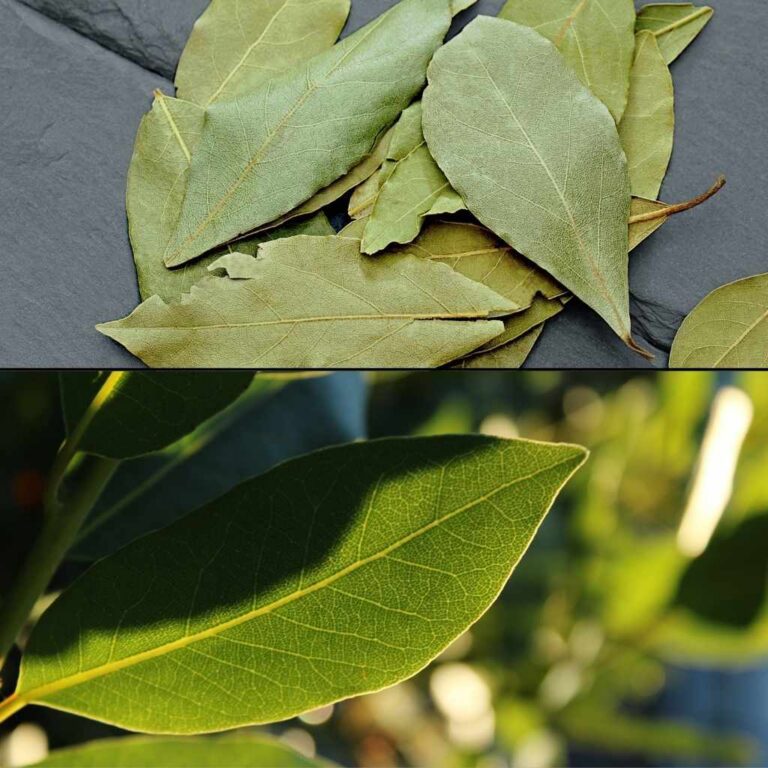
Cherry laurels, scientifically known as Prunus laurocerasus, are members of the rose family. They are evergreen shrubs or small trees known for their dark green, glossy, leathery leaves. These leaves are typically oval-shaped and can range from 3 to 6 inches in length.
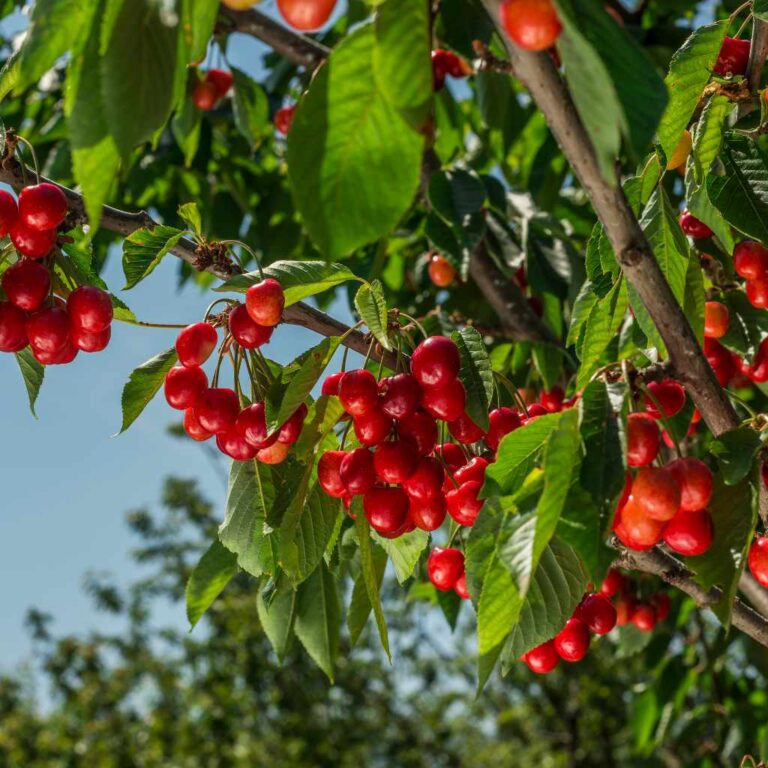
Cherry laurels are prized for their vigorous growth, adaptability to various light conditions (though they prefer partial shade), and tolerance to different soil types. They produce attractive white flower spikes in spring followed by small, dark cherry-like fruits, which are not typically eaten by humans but can be a food source for birds.
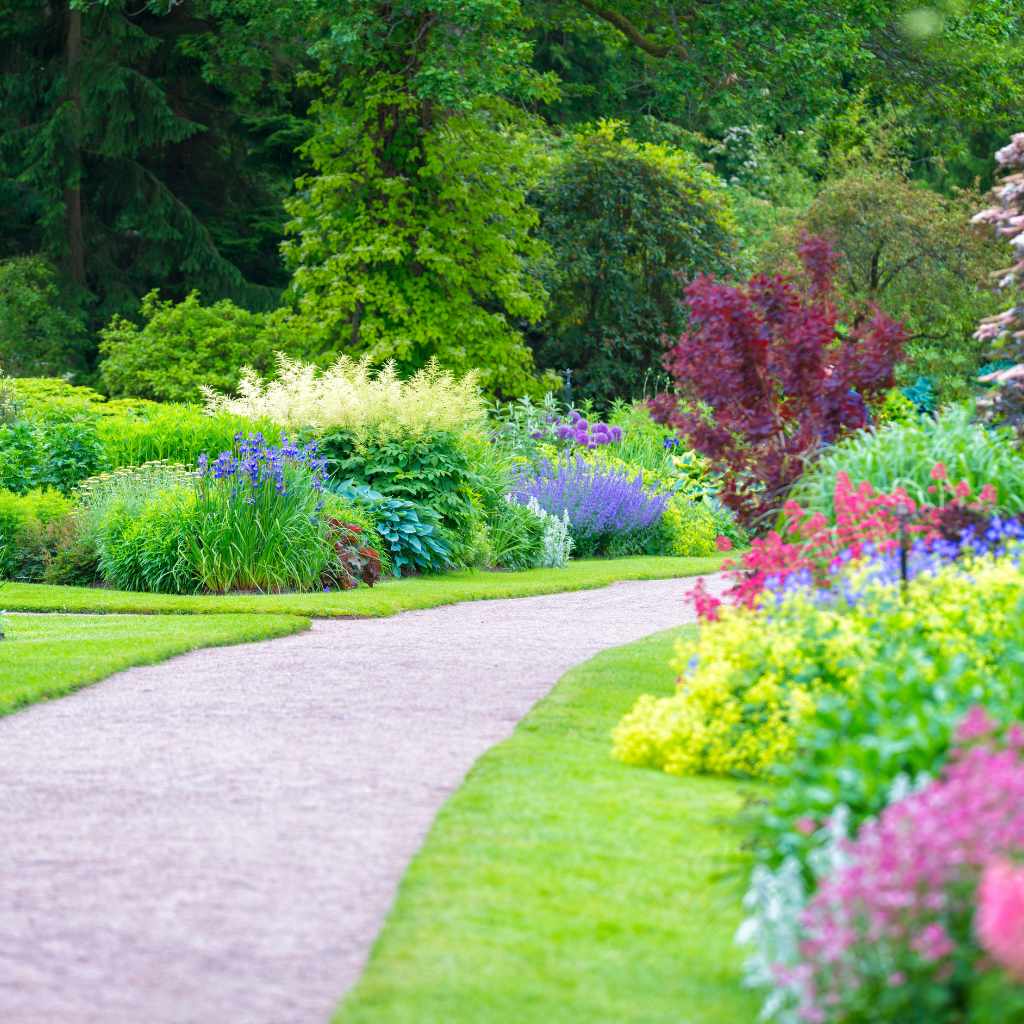
The dense growth habit and attractive foliage make them ideal for creating privacy screens, hedges, or as foundation plantings. Their resilience and relatively fast growth rate contribute to their popularity in landscaping. However, the question of their appeal to deer is a key consideration for many gardeners.
Are Cherry Laurels Deer Resistant
The general consensus among horticulturalists and experienced gardeners is that cherry laurels are considered moderately deer resistant. This means that while deer may not actively seek them out as a primary food source, they will browse on cherry laurels, especially when other more palatable plants are scarce or during periods of high deer pressure.
Several factors contribute to their moderate deer resistance:
- Leaf Texture: The leathery, somewhat waxy nature of the cherry laurel leaves makes them less appealing to deer than softer, more succulent foliage.
- Toxicity (Mild): Cherry laurel leaves and seeds contain cyanogenic glycosides, which can release cyanide when metabolized. While not usually fatal to large animals in small quantities, this compound can cause digestive upset and can be a deterrent. The concentration is highest in the leaves and seeds.
However, this resistance is not absolute. In yards with very high deer populations or during harsh winters when food is extremely limited, deer have been observed to damage cherry laurels. They might nibble on the new growth, the tips of branches, or even strip leaves if they are hungry enough.
The damage is often more noticeable on younger plants or specimens that haven’t established a strong, woody structure.
Factors Influencing Deer Browsing on Cherry Laurels
The degree to which deer interact with cherry laurels can vary greatly based on several environmental and situational factors:
Local Deer Population Density
In areas where deer herds are large and have abundant food options, cherry laurels are less likely to be bothered. Conversely, in suburban or rural areas with dense deer populations and limited natural foraging areas, deer are more likely to try almost anything green.
Availability of Alternative Food Sources
Deer are opportunistic feeders. If your yard is surrounded by a variety of other plants that deer find more appealing – such as hostas, daylilies, or certain ornamental grasses – your cherry laurels will likely be left alone. If cherry laurels are among the only green things available, they become a more attractive target.
Seasonality
Deer tend to browse more heavily in winter when other food sources are dormant or covered in snow. During the growing season, when a wider array of lush vegetation is available, deer are less likely to focus on plants like cherry laurels.
Plant Age and Health
Young, tender cherry laurel plants with soft, new growth are more susceptible to browsing than mature, well-established shrubs with woody stems. A healthy, vigorous plant is generally more resilient to minor damage.
Varieties of Cherry Laurel and Deer Resistance
While the species Prunus laurocerasus is generally considered moderately deer resistant, there might be subtle differences in palatability among the many cultivars. However, specific research detailing deer resistance variations by cultivar is limited. Most gardeners and horticultural experts treat all common varieties similarly regarding deer browsing.
Popular varieties like ‘Schipkaensis’ (Schip Laurel), ‘Otto Luyken’, and ‘Zabeliana’ are all generally regarded with the same moderate deer resistance.
When Cherry Laurels Are NOT Deer Resistant Enough
There are situations where cherry laurels might suffer significant damage from deer. This is particularly true if:
- Your garden is adjacent to a wooded area or open field with a large deer population.
- Your garden is the primary source of food for a local deer herd, perhaps due to habitat loss or extreme weather.
- You have planted very young or delicate specimens that are easy for deer to browse.
- Deer have become habituated to foraging on cherry laurels in your neighborhood, losing their natural aversion.
If you observe deer frequently in your area, it’s wise to err on the side of caution and implement protective measures, even with plants considered moderately resistant.
Protecting Your Cherry Laurels from Deer
Even with moderate deer resistance, sometimes protection is necessary to ensure your cherry laurels thrive. Here are some effective strategies:
Physical Barriers
Fencing is the most effective way to keep deer out of your garden completely.
- Tall Fencing: Deer can jump fences, so a barrier at least 8 feet high is recommended to deter them.
- Netting or Cages: For individual shrubs, especially young ones, you can use chicken wire or plastic mesh to create a protective cage around the plant. Ensure it extends far enough down into the soil to prevent them from digging under.
Repellents
Deer repellents work by using scents or tastes that deer dislike. These need to be reapplied regularly, especially after rain or watering.
- Scent-Based Repellents: Products containing ingredients like putrescent egg solids, predator urine (e.g., coyote or wolf urine), or essential oils (e.g., peppermint, rosemary) can deter deer by mimicking a predator’s presence or unpleasant odors.
- Taste-Based Repellents: These often use bittering agents or ingredients like garlic or capsaicin that make the plant taste unpleasant.
When using repellents, it’s often beneficial to rotate between different types to prevent deer from becoming accustomed to a single scent or taste. Always follow the manufacturer’s instructions carefully.
Companion Planting
While not a foolproof method, planting strongly scented herbs or flowers around your cherry laurels might help mask their scent or create an environment less appealing to deer. Deer tend to avoid plants with aromatic foliage like lavender, rosemary, mint, or certain ornamental grasses.
Garden Design and Location
Consider the placement of your cherry laurels within your landscape.
- Visible Areas: Planting them closer to the house or in highly visible areas of your yard may deter deer, as they prefer to feed in secluded spots.
- Avoid Planting Near Deer Trails: If you notice established deer paths, do not plant vulnerable or preferred plants directly on or near them.
Comparison with Other Popular Shrubs
To better understand the deer resistance of cherry laurels, it’s helpful to compare them with other common landscaping shrubs. This table provides a general overview, but remember that individual experiences can vary.
| Shrub Type | General Deer Resistance | Notes |
|---|---|---|
| Cherry Laurel | Moderate | Leathery leaves and mild toxicity are deterrents, but can be browsed when hungry. |
| Boxwood | Highly Deer Resistant | Tough, small leaves and bitter taste. Generally avoided. |
| Rhododendron/Azalea | Highly Deer Resistant | Contain grayanotoxins, making them toxic and unpalatable. |
| Hydrangea | Moderately to Highly Deer Resistant (depends on variety) | Some varieties are more palatable than others. New growth can be targeted. |
| Spirea | Highly Deer Resistant | Deer dislike the foliage texture and often the scent. |
| Viburnum | Variable (some are deer resistant, others are deer favorites) | Depends on the specific species and cultivar. |
| Hosta | Rarely Deer Resistant (a deer favorite) | Soft, succulent leaves are highly appealing to deer. |
| Rose Bush | Rarely Deer Resistant (deer love roses) | The blooms and tender new growth are a delicacy for deer. |
As the table illustrates, cherry laurels fall into a mid-range category. They offer more protection than highly palatable plants like hostas or roses but are not as reliably deer-proof as boxwood or rhododendrons.
Best Practices for Cherry Laurels in Deer Country
If you live in an area with significant deer activity and want to incorporate cherry laurels into your landscape, follow these best practices:
- Observe Local Conditions: Before planting, spend time observing the deer activity in your neighborhood. How many deer do you see? What plants are they currently eating?
- Start with Young Plants: If you’re unsure, purchase smaller, less expensive cherry laurel specimens to test their resistance in your specific location.
- Protect Young Plants Aggressively: For the first few years, provide physical protection (cages, netting) or use repellents consistently until the shrubs become well-established and woody.
- Plant in Combination with Deer-Proof Plants: Use cherry laurels as part of a layered planting strategy. Place more deer-proof species towards the front or edges where they are most likely to be browsed, and position cherry laurels behind them.
- Be Prepared for Some Browsing: Accept that some minor browsing might occur, especially during peak deer season or when food is scarce. A well-established cherry laurel can often recover from light damage.
- Regular Maintenance: Keep your cherry laurels healthy and vigorous through proper watering, fertilization, and pruning. Healthy plants are more resilient.
Frequently Asked Questions
Question: Are all cherry laurels deer resistant?
Answer: Cherry laurels (Prunus laurocerasus) are generally considered moderately deer resistant due to their leathery leaves and mildly toxic compounds. However, this resistance is not absolute, and deer may browse them, especially when other food sources are scarce or deer populations are high.
Question: Can deer kill a cherry laurel plant?
Answer: While severe browsing by hungry deer can damage young or weak cherry laurel plants, it is unlikely to kill a healthy, established specimen outright. The plant usually recovers from moderate damage.
Question: What is the best way to protect cherry laurels from deer?
Answer: The most effective protection methods include physical barriers like tall fencing or individual plant cages. Deer repellents (scent- or taste-based) can also be used but require frequent reapplication.
Question: Are cherry laurels toxic to pets?
Answer: Yes, cherry laurels contain cyanogenic glycosides, which can be toxic if ingested in sufficient quantities. The leaves and seeds are the most concentrated parts. While most pets would likely be deterred by the taste, it’s best to plant them where pets cannot easily access or chew them.
Question: When is the best time to plant cherry laurels?
Answer: The ideal time to plant cherry laurels is in the fall or early spring when the weather is cooler and there is more consistent moisture. This allows the root system to establish before the heat of summer or the freezing temperatures of winter.
Final Thoughts
Deciding to plant cherry laurels involves a practical consideration of their resistance to deer. While they offer a respectable level of deterrence thanks to their tough, leathery leaves and the presence of mildly unpalatable compounds, they are not entirely immune to browsing, particularly in areas with high deer density or limited food availability. This means that gardeners in deer-prone regions should approach planting cherry laurels with a balanced perspective.
Recognizing their moderate resistance is key to successful integration into your landscape.
For those eager to add these attractive evergreens to their gardens, implementing protective measures, especially for young plants, is a prudent step. Physical barriers like fencing or protective cages, alongside consistent application of deer repellents, can ensure your cherry laurels establish a strong presence without becoming a deer’s favorite snack. Observing local deer behavior, understanding seasonal food pressures, and choosing planting locations wisely can also significantly influence how well your cherry laurels fare.
By combining smart planting strategies with practical protection, you can enjoy the beauty and benefits of cherry laurels while minimizing the frustration of deer damage.