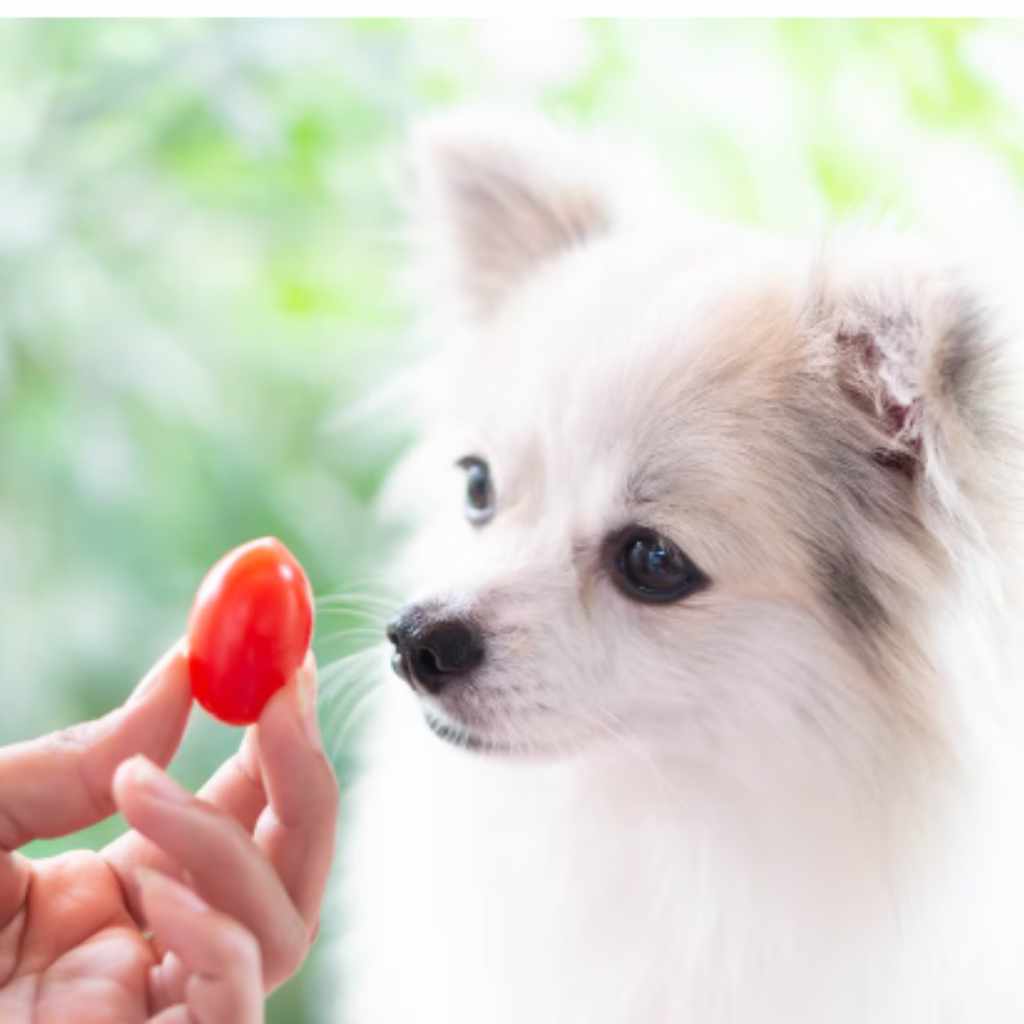
Are Cherry Tomatoes Safe for Dogs Vet Facts
You’re prepping dinner, and a few juicy cherry tomatoes roll off the counter. Your furry friend, always eager for a snack, looks up with those pleading eyes. Suddenly, you pause.
Can Fido actually eat these little red gems? It’s a common question many dog owners ponder, and finding clear, reliable answers can be tricky. This post will break down what veterinarians say about dogs and cherry tomatoes, helping you make informed choices for your pet’s health and well-being.
You’ll learn what parts are safe, what to watch out for, and when to seek professional advice, giving you peace of mind and empowering you to provide the best care.
Are Cherry Tomatoes Safe for Dogs
The question of whether dogs can safely enjoy cherry tomatoes is a frequent one for pet parents. Many owners are curious about the safety of common human foods for their canine companions. Cherry tomatoes are a popular snack for people, and their small size might make them seem like an easy treat for dogs.
However, when it comes to feeding your dog any new food, especially one from the nightshade family, it’s wise to be informed. This guide explores the veterinary facts about cherry tomatoes and dogs.
Understanding Tomatoes and Dogs
Tomatoes, including cherry tomatoes, are fruits belonging to the nightshade family. This family also includes potatoes, peppers, and eggplants. Generally, ripe tomatoes are considered safe for dogs in moderation.
The primary concern with tomatoes for dogs is the presence of a compound called solanine. Solanine is a glycoalkaloid poison that can be toxic to dogs, especially if consumed in large quantities or if the tomato is unripe or the plant parts are eaten.
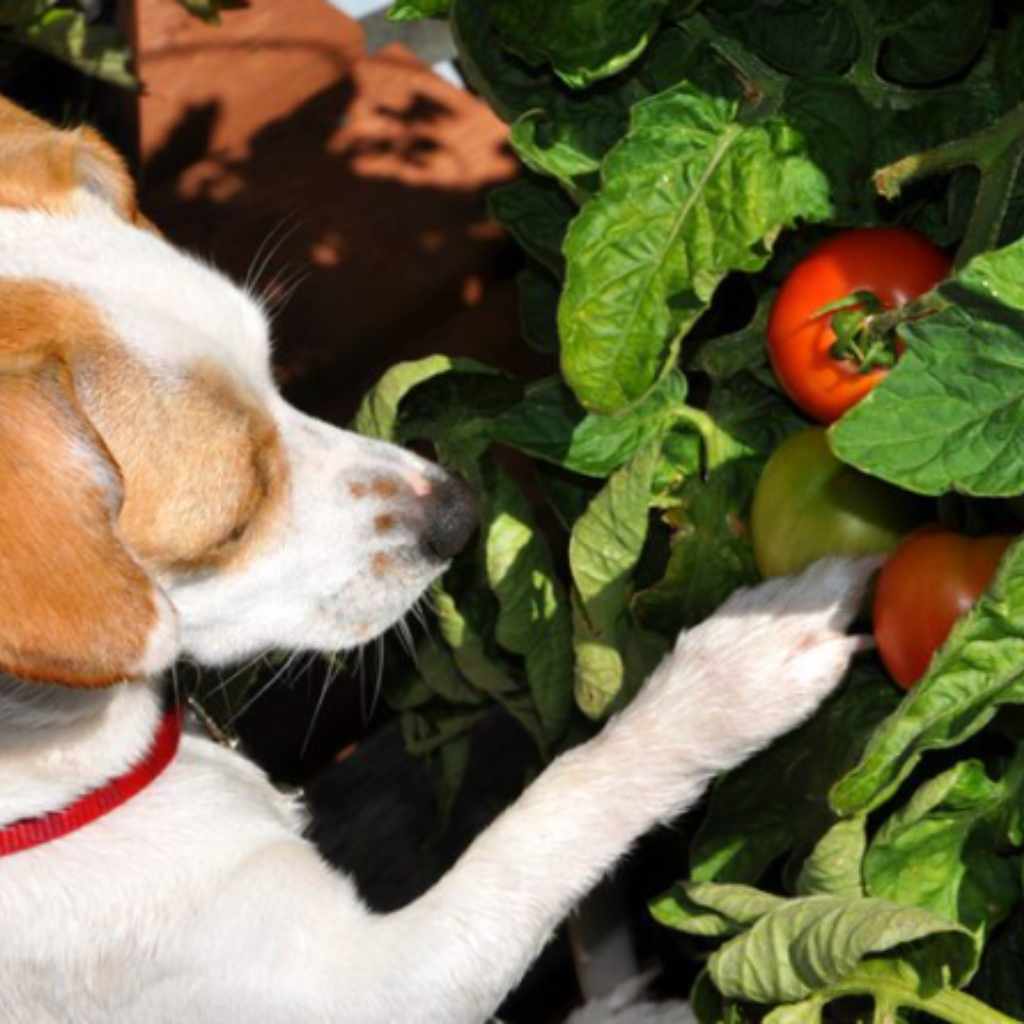
Solanine in Tomatoes
Solanine is concentrated in the leaves, stems, and unripe parts of the tomato plant. The red, ripe flesh of the tomato contains very low, usually negligible, amounts of solanine, making it generally safe for canine consumption. However, it’s crucial to understand that feeding your dog unripe tomatoes or the green parts of the plant can lead to solanine poisoning.
Symptoms of solanine poisoning can include gastrointestinal upset, lethargy, confusion, and even more severe neurological issues.
Benefits of Ripe Cherry Tomatoes for Dogs
When fed in moderation and in their ripe form, cherry tomatoes can offer some nutritional benefits to dogs. They are a source of vitamins such as Vitamin C and Vitamin A, as well as antioxidants like lycopene. These nutrients can contribute to a dog’s overall health, supporting their immune system and skin health.
However, these benefits are secondary to safety, and it’s important to remember that a dog’s primary nutritional needs should be met by a balanced commercial dog food.
Risks and Precautions
While ripe cherry tomatoes are generally safe, several risks need consideration. The most significant risk is the solanine content in unripe or green parts of the tomato plant. Another concern is choking.
Due to their small size, cherry tomatoes can pose a choking hazard for some dogs, especially smaller breeds or those that tend to gobble their food quickly. Always supervise your dog when offering them any new food, including cherry tomatoes. It’s also important to consider allergies or sensitivities.
Some dogs may have an adverse reaction to tomatoes, leading to digestive issues like vomiting or diarrhea, even if the tomato is ripe.
What to Do If Your Dog Eats Tomato Plant Parts
If you suspect your dog has ingested parts of the tomato plant, such as leaves or stems, or has eaten a large quantity of unripe tomatoes, it’s important to contact your veterinarian immediately. They can advise you on the best course of action based on the amount ingested and your dog’s size and health. Symptoms to watch for include vomiting, diarrhea, lethargy, abdominal pain, and difficulty breathing.
Prompt veterinary care is essential in cases of suspected solanine poisoning.
How to Safely Feed Cherry Tomatoes to Your Dog
If you decide to give your dog cherry tomatoes as an occasional treat, follow these guidelines to ensure their safety:
- Choose Ripe Tomatoes Only: Ensure the cherry tomatoes are fully red and ripe. Avoid any green or unripe tomatoes.
- Remove Stems and Leaves: Always discard the stems and leaves before offering the tomato to your dog.
- Cut into Smaller Pieces: To prevent choking, especially for smaller dogs, cut the cherry tomatoes into quarters or smaller pieces.
- Offer in Moderation: Cherry tomatoes should be an occasional treat, not a dietary staple. They should not make up a significant portion of your dog’s daily food intake.
- Introduce Slowly: When giving your dog cherry tomatoes for the first time, offer a very small piece and monitor them for any signs of digestive upset.
- Supervise Feeding: Always supervise your dog while they are eating to prevent choking and to observe for any immediate adverse reactions.
Comparing Tomatoes to Other Fruits and Vegetables
It can be helpful to compare the safety of cherry tomatoes to other fruits and vegetables commonly given to dogs. For example, blueberries are generally considered very safe and beneficial for dogs, offering antioxidants and vitamins. Apples (without seeds and core) are also a good, safe option.
On the other hand, grapes and raisins are highly toxic to dogs and should be avoided entirely. Knowing these differences helps in creating a diverse and safe treat selection for your canine friend. Cherry tomatoes fall into a category where they can be safe under specific conditions but require careful handling.
| Fruit/Vegetable | Safety for Dogs | Key Considerations |
|---|---|---|
| Cherry Tomatoes (Ripe) | Generally Safe in Moderation | Solanine in unripe parts, choking hazard, moderation is key. |
| Blueberries | Very Safe and Beneficial | Good source of antioxidants. |
| Apples (No Seeds/Core) | Safe | Remove seeds and core; good source of fiber. |
| Grapes/Raisins | Highly Toxic | Can cause kidney failure; avoid completely. |
| Onions/Garlic | Toxic | Can damage red blood cells. |
Frequently Asked Questions
Question: Can my dog eat tomato sauce or ketchup
Answer: Tomato sauce and ketchup typically contain ingredients like salt, sugar, onion powder, and garlic powder, which can be harmful or toxic to dogs. It’s best to avoid giving your dog these processed tomato products.
Question: Are green cherry tomatoes safe for dogs
Answer: No, green or unripe cherry tomatoes contain higher levels of solanine, which can be toxic to dogs. Only feed your dog fully ripe, red cherry tomatoes.
Question: How many cherry tomatoes can my dog eat
Answer: Cherry tomatoes should be given as an occasional treat. For most small to medium-sized dogs, one or two small, cut-up pieces a few times a week is a reasonable amount. Large breeds might tolerate slightly more, but moderation is always important.
Question: What are the signs of solanine poisoning in dogs
Answer: Signs of solanine poisoning can include vomiting, diarrhea, lethargy, weakness, confusion, dilated pupils, and tremors. If you notice any of these symptoms after your dog may have consumed toxic parts of a tomato plant, contact your veterinarian immediately.
Question: Can puppies eat cherry tomatoes
Answer: Puppies have developing digestive systems and are more sensitive to new foods. It is generally recommended to introduce new foods, including cherry tomatoes, to puppies cautiously and in very small amounts once they are weaned and have a stable diet. Always consult your veterinarian before introducing new treats to a puppy.
Final Thoughts
When it comes to feeding your dog cherry tomatoes, the key takeaway from veterinary facts is that ripe, red tomatoes are generally safe when offered in moderation and prepared correctly. Always prioritize removing stems and leaves and cutting them into smaller pieces to prevent choking. Remember that these are treats, not a primary food source, and should complement a balanced diet.
Being aware of the potential risks, such as solanine in unripe parts and the possibility of allergies or choking, empowers you to make safe choices. If you ever have concerns about your dog’s diet or suspect they’ve ingested something harmful, reaching out to your veterinarian is always the best step. This knowledge helps you provide a healthier and happier life for your canine companion, ensuring their treats are both enjoyable and safe.