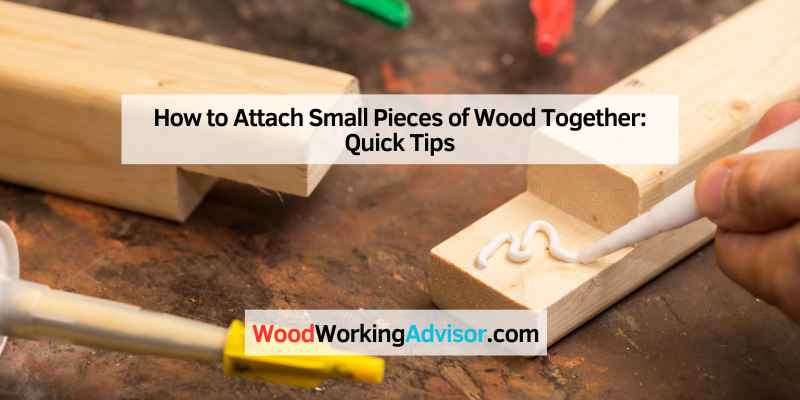
How to Attach Small Pieces of Wood Together: Quick Tips
To attach small pieces of wood together, use wood glue for a strong bond or screws for added stability. Clamps can help hold the pieces in place while drying.
Attaching small pieces of wood is a common task in woodworking, crafting, and home improvement projects. Whether you’re building furniture, creating art, or making repairs, understanding the best methods is crucial. The right technique ensures durability and enhances the overall appearance of your work.
Various options exist, including wood glue, screws, and nails. Each method has its benefits depending on the project and the weight the joint must support. Knowing how to effectively join wood pieces can elevate your skills and boost your confidence in tackling diverse woodworking projects. With the right tools and techniques, you can achieve professional results.
Introduction To Woodworking Basics
Titebond III Ultimate Wood Glue, 16 oz
A strong, waterproof wood glue well suited for small joints and glue-ups that need a durable bond.
- Best for: gluing small wood pieces together for furniture, boxes, and shelf cleats
- Why we picked it: water-based, waterproof formula holds up for both indoor and outdoor projects
- Main drawback: longer clamp time than instant-bond adhesives
IRWIN Quick-Grip Mini Bar Clamps, 6″, 4-Pack
- Best for: holding small glued pieces firmly while the adhesive cures
- Why we picked it: one-handed operation, 140 lbs of clamping force, non-marring pads
- Main drawback: 6″ reach is best for small joints, not full glue-ups
As an Amazon Associate, Woodworking Advisor earns from qualifying purchases.
Woodworking is fun and creative. Using the right tools makes the job easier. Essential tools include:
- Clamps for holding wood pieces together.
- Glue for a strong bond between surfaces.
- Wood screws for added strength.
- Drill for making holes.
- Saw for cutting wood accurately.
Safety is important in woodworking. Always wear protective goggles to shield your eyes. Use ear protection when using loud tools. Keep your workspace tidy to avoid accidents.
Follow these tips to enjoy woodworking. With practice, skills will improve. Create beautiful projects with small pieces of wood.
Selecting The Right Wood Pieces
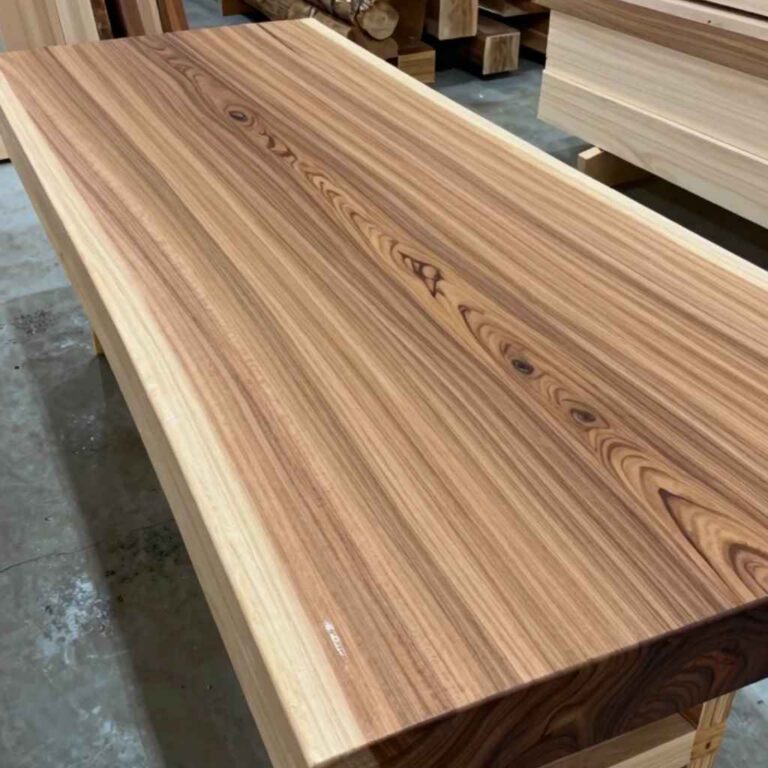
Selecting the right wood pieces is important for strong joinery. Different types of wood serve various purposes.
| Type of Wood | Characteristics |
|---|---|
| Softwood | Lightweight, easy to work with, and less expensive. |
| Hardwood | Durable, strong, and often more beautiful. |
| Plywood | Made from layers of wood, it offers strength and stability. |
Prepping wood surfaces ensures a better bond. Always sand the edges and surfaces smooth.
Clean the wood to remove dust and debris. A clean surface helps glue adhere better.
Adhesive Options For Wood
Choosing the right glue is essential for strong wood joints. PVA glue works well for most projects. It dries clear and is easy to clean up. Epoxy offers a strong bond for difficult materials. It is waterproof and heat-resistant.
For quick fixes, super glue is a great option. It bonds quickly and holds well. Wood glue is best for joints that need flexibility. It allows for some movement without breaking.
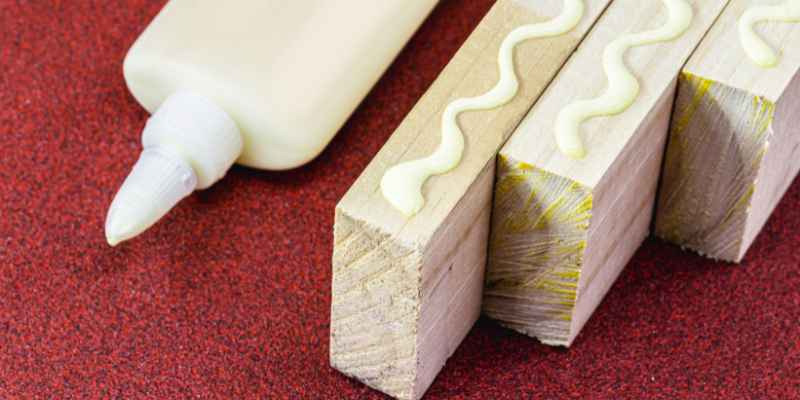
Application techniques are important too. Make sure to clean the surfaces before applying glue. Use a brush or a spreader to apply a thin layer. Clamp the pieces together for a better bond.
Wipe away any excess glue immediately. This keeps the project neat and clean. Allow the glue to cure fully for the best results.
Mechanical Fasteners
Nails are quick and easy to use. They work well for light tasks. Choose nails for temporary or simple projects. They are less expensive than screws.
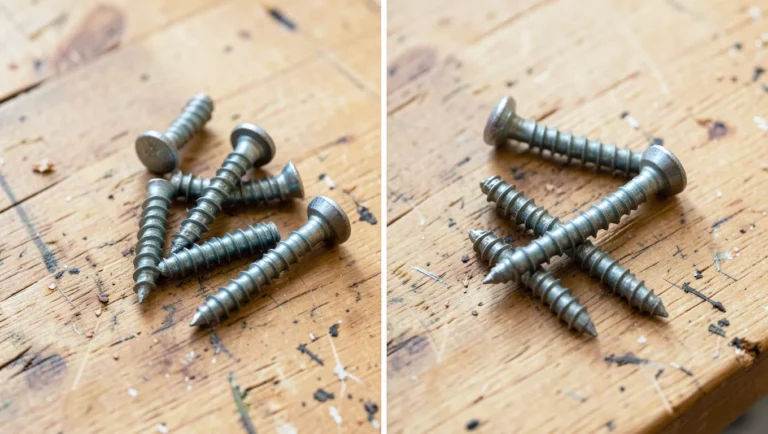
Screws provide a tighter hold. They are better for heavier pieces. Use screws for long-lasting connections. They resist pulling apart better than nails.
Brackets add extra strength to joints. Use them in corners or for supporting shelves. They help distribute weight evenly. Brackets are great for both indoor and outdoor projects.
Joinery Techniques
Simple dowel joints are an easy way to connect wood. Start by drilling holes in both pieces. Use wooden dowels that fit snugly in the holes. Apply wood glue to the dowels for a stronger bond. Align the pieces carefully before letting the glue dry.
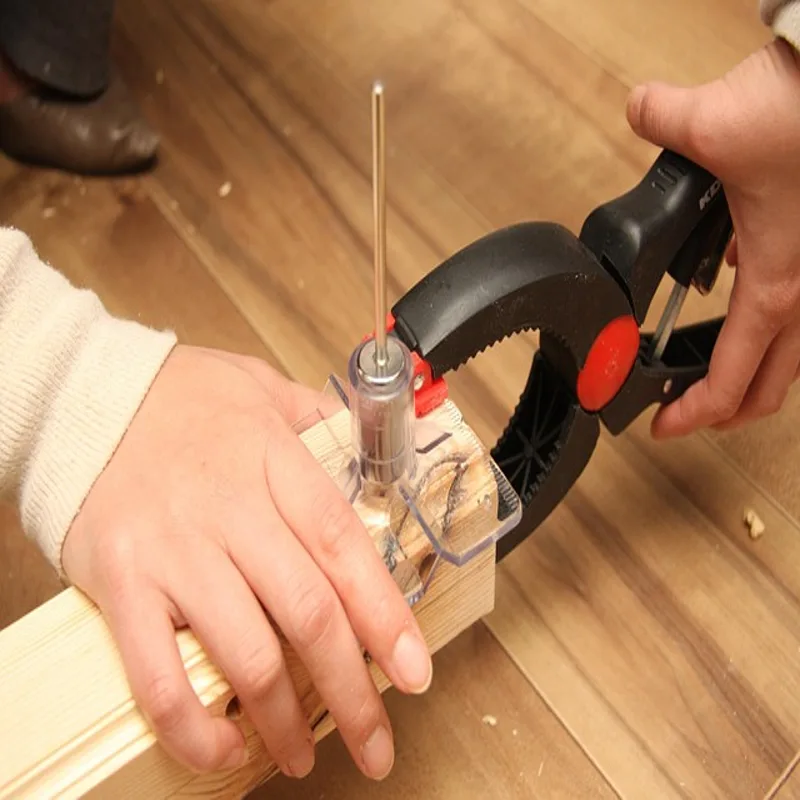
Creating pocket holes is another effective method. Use a pocket hole jig to drill angled holes. This helps hide screws in the joint. Insert screws through the pocket holes to secure the wood pieces. Make sure to clamp the pieces together for a tight fit.
Clamping And Pressing For A Strong Bond
Using the right clamp is important for a strong bond. Different types of clamps serve different needs. Here are some common types:
| Type of Clamp | Best For |
|---|---|
| Bar Clamp | Large pieces of wood |
| Pipe Clamp | Heavy-duty tasks |
| Spring Clamp | Quick, light tasks |
| Corner Clamp | Joining at right angles |
Applying pressure correctly is key for good bonding. Use even pressure across all surfaces. Keep the clamp in place for the right amount of time. Avoid too much pressure, as it can damage the wood.
Check the alignment before tightening. Adjust as needed to keep pieces straight. Always ensure a clean surface for better adhesion. Following these tips helps achieve a strong, lasting bond.
Finishing Touches
Use a fine-grit sandpaper to make the wood smooth. Sand along the grain for best results. This helps remove rough edges and splinters.
After sanding, clean the wood dust off. A soft cloth or a brush works well. This step is important for a good finish.
Sealing the wood protects it from moisture and damage. Choose a sealant that suits your project type. Apply it evenly with a brush or cloth.
Allow the sealant to dry completely before using the wood. This ensures a strong, lasting bond. Regular maintenance keeps the wood looking great.
Troubleshooting Common Issues
Misalignment can cause weak joints. To fix misalignment, use a square tool. Check the angles before securing the pieces. Clamps can help hold everything in place while you work.
For strengthening joints, choose the right adhesive. Use wood glue for a strong bond. Apply it evenly on both surfaces. After applying glue, clamp the pieces tightly. Allow the glue to dry completely for best results.
Using dowels or biscuits can also help. These create a stronger connection. Ensure they fit snugly for maximum strength.
Creative Projects To Practice
Creating a DIY small table is a fun project. Use small pieces of wood to build a sturdy base. Cut the wood into equal sizes for the legs and top. Attach the pieces with wood glue or small screws. Sand the edges for a smooth finish.
Handmade wooden toys are great for kids. Use small wood scraps to create fun shapes. Make cars, animals, or blocks for play. Paint them with bright colors for added fun. These projects help improve fine motor skills and creativity.
Maintenance And Repair
Regular checkups help keep wood joints strong. Look for cracks and gaps in joints. Tighten any loose screws or nails. This prevents bigger problems later.
Repairing broken joints is essential for stability. Use wood glue for small repairs. Clamp the pieces together until the glue dries. For larger breaks, use dowels or brackets for support. These methods provide a strong hold.
Always keep tools handy for quick repairs. Having a screwdriver, hammer, and clamps makes maintenance easy. Regular care extends the life of your wood pieces.
What Is A Small Piece Of Wood That Holds Something In Place?
A small wood piece used this way is usually called a cleat, shim, or wedge, depending on the job. A cleat is a strip of wood fastened to a wall, cabinet side, or frame to give a shelf or panel secure footing — it’s the standard way to attach small support pieces of wood together for a top shelf without visible brackets. A shim is a thin, tapered piece used to fill a gap and level or adjust two parts that don’t quite line up. A wedge is a thicker tapered piece driven in to lock two pieces together or prevent slippage.
Using A Cleat To Attach And Support Small Wood Pieces
- Cut a strip of wood (a 1×2 or 1×3 works for most shelves) to the length of the span you need to support.
- Mark and level a line where the cleat will sit, using a level to keep it straight.
- Screw the cleat into wall studs or the cabinet side for real load-bearing strength — glue alone won’t hold a shelf under weight.
- Rest the shelf or panel on top of the cleat, securing it with glue, small screws, or both for a finished look.
📊 Data Point: A properly glued long-grain wood joint is often stronger than the wood itself — the surrounding wood fibers can fail before a correctly clamped glue line does. Screws or nails add mechanical strength but should support, not replace, glue on small load-bearing joints like shelf cleats.
“People often reach for nails first on small pieces, but glue plus a light clamp almost always makes a stronger, cleaner joint. Save the nails or screws for extra insurance on anything that will carry real weight, like a shelf cleat.” — Woodworking Advisor team, workshop notes.
Frequently Asked Questions
How Do You Join Small Pieces Of Wood?
You can join small pieces of wood using several methods. Common techniques include wood glue, screws, or nails. For stronger joints, consider using dowels or biscuits. Always ensure surfaces are clean and aligned properly for optimal adhesion and strength.
What Tools Do I Need For Wood Joining?
To join wood effectively, you will need basic tools. Essential tools include a saw, drill, clamps, and measuring tape. Depending on the method, you may also need a chisel or a doweling jigs. Ensure you have safety gear like goggles and gloves for protection.
Is Wood Glue Strong Enough For Joints?
Yes, wood glue is strong enough for many joints. When applied correctly, it can create a bond stronger than the wood itself. However, ensure you use the right type of glue for your project, and allow adequate drying time for the best results.
Can I Use Nails To Attach Wood Pieces?
Yes, nails can be used to attach wood pieces effectively. They provide quick assembly and are suitable for light to moderate loads. However, for heavier applications, consider using screws for better holding power and stability in your joints.
Conclusion
Attaching small pieces of wood can be straightforward and rewarding. By using the right techniques and tools, you ensure strong bonds and durable projects. Remember to choose suitable adhesives or joinery methods based on your needs. With practice, your woodworking skills will flourish, allowing you to create beautiful, lasting pieces.
Happy crafting!
Sponsored / affiliate links. As an Amazon Associate I earn from qualifying purchases. I may earn additional commission from eligible campaigns.