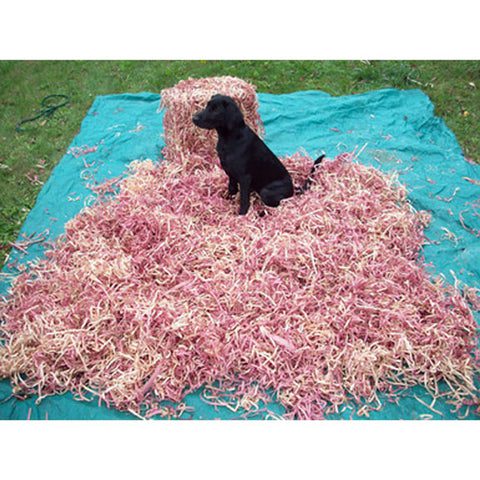
Are Cedar Chips Safe for Dogs? Red Cedar vs. Aromatic Cedar
Cedar chips are safe for dogs in small, ventilated amounts — but Eastern and Western red cedar contain plicatic acid and thujaplicin, respiratory irritants that aromatic (incense) cedar doesn’t have. Using the wrong species as crate bedding can trigger coughing, skin rashes, or lasting lung irritation, especially in enclosed spaces. This guide covers which cedar type is actually risky, safe usage rules, allergy warning signs, and vet-approved bedding alternatives.
Introduction To Cedar Chips
Best Cedar-Free Crate Bed Pick

VERZEY Washable Dog Crate Pad, Cozy Mat
A machine-washable faux-fur crate pad that skips wood bedding entirely — no dust, no phenols, no mold risk.
- Best for: dogs 40–70 lbs that react to any wood bedding
- Why we picked it: anti-slip bottom, fits standard wire crates, fully machine washable
- Main drawback: faux fur mats down over time and needs periodic fluffing after washing
Compare more cedar-free bedding options
 Option 1 KSIIA Orthopedic Waterproof Crate Bed
|
 Option 2 Exsnugy Washable Fluffy Crate Pad (XL)
|
 Option 3 Paw Inspired Padded Crate Mat
|
As an Amazon Associate we earn from qualifying purchases.
Cedar chips are small pieces of wood milled from cedar trees, sold in most pet and garden stores for use as pet bedding, kennel filler, and mulch. Their aromatic oils naturally repel insects, which is why they show up in both garden beds and dog houses. But “cedar” on a bag label covers several different trees with very different chemistry — and that distinction, more than anything else, determines whether the chips in front of you are a minor irritant or a real health risk.
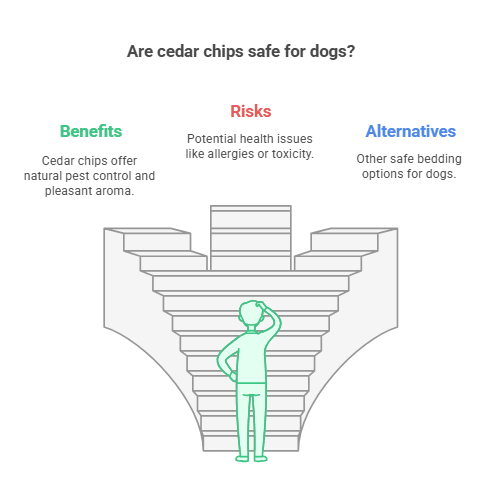
What Type of Cedar Is Actually Risky for Dogs?
Eastern Red Cedar and Western Red Cedar are the species behind almost every “cedar is toxic to pets” warning. Both contain plicatic acid and thujaplicin — compounds documented to irritate the respiratory tract and skin, the same phenols responsible for occupational asthma in woodworkers who mill red cedar. Aromatic (incense) cedar, the type most often sold specifically as pet bedding, contains different compounds — carvacrol and thymoquinone, similar to oregano and thyme oil — and carries a much milder risk profile.
| Cedar Type | Key Compounds | Risk to Dogs |
|---|---|---|
| Eastern / Western Red Cedar | Plicatic acid, thujaplicin | Higher — respiratory and skin irritant, especially as fine bedding shavings |
| Aromatic / Incense Cedar | Carvacrol, thymoquinone | Lower — the type most pet-bedding brands use, still needs ventilation |
Bags rarely print the species name in large text. Check the fine print or the brand’s product page — a bag marketed specifically “for small pets” or “kiln-dried aromatic cedar” is almost always the safer incense cedar; unlabeled bulk cedar mulch from a garden center is more likely red cedar.
Benefits Of Cedar Chips
Cedar’s natural oils are what make it useful in the first place: the scent helps repel fleas, ticks, and moths without chemical sprays, which is a real advantage for dogs that spend time outdoors. The same oils mask other odors, control moisture in bedding areas, and last longer between changes than straw or hay.
Health Risks: Toxicity, Allergies, and Breathing Problems
Cedar dust can cause breathing problems in sensitive dogs — coughing, sneezing, or labored breathing, especially in an enclosed kennel with poor airflow. The finer the shaving, the more irritating it is: dust-fine cedar bedding releases more airborne phenols than coarse garden chips, which is one reason kennel bedding causes more reactions than outdoor mulch use.
Skin contact is the other common issue. Cedar oil can trigger redness, itching, and rashes on dogs that sleep directly on chips, and dogs with existing allergies are more susceptible. If ingested in any quantity, red cedar’s oils and phenols can also cause vomiting or diarrhea; the ASPCA’s toxic plant list flags several cedar-family plants for exactly this reason. Watch for skin rashes, vomiting, lethargy, or wheezing, and call your vet if any of these persist past a day.
📊 Plicatic acid and thujaplicin in red cedar are established respiratory irritants; fine shavings release more of both than coarse chips. — Source: ASPCA Animal Poison Control
Safe Usage Guidelines
If you use cedar at all, choose aromatic (incense) cedar over red cedar, and always pick natural, pesticide-free chips — read the label and avoid anything treated with dye or chemical preservatives. Use chips in an open, ventilated area rather than a sealed crate, keep them dry (wet cedar grows mold, which is its own respiratory hazard), and check the bedding weekly for dampness or a musty smell.
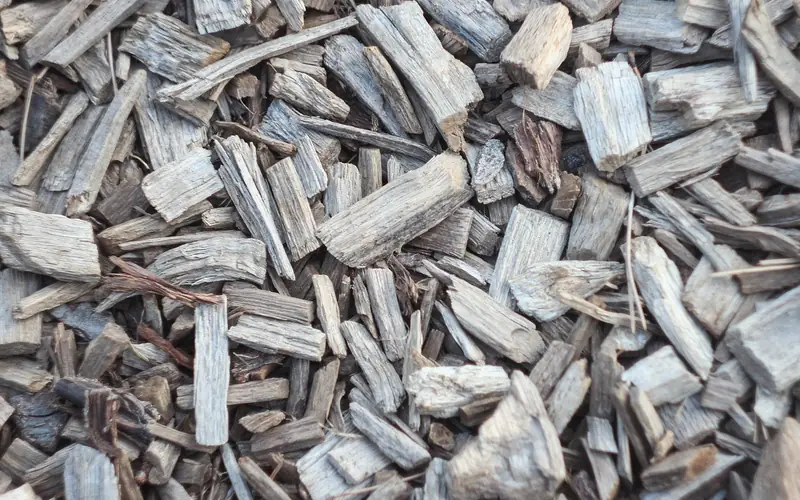
Alternatives To Cedar Chips
If your dog reacts to any cedar, several bedding options avoid the issue entirely. Pine shavings (kiln-dried, to remove sap phenols) and hemp bedding are popular wood-free-feeling options; straw insulates well for outdoor kennels in cold weather. For indoor crates, a washable fabric mat sidesteps wood dust and allergens altogether — fleece, orthopedic foam, and machine-washable crate pads are all common vet-recommended swaps.
Recognizing Allergic Reactions
Watch for itching, sneezing, red or inflamed skin, watery eyes, and runny noses. Some dogs chew at their paws, lose patches of hair, or develop ear infections from prolonged cedar contact. Breathing changes — coughing, wheezing, or shortness of breath — are the signs to take most seriously.
If you see any of these signs, remove the cedar bedding immediately, bathe your dog with a gentle shampoo to wash off residual allergens, and switch to one of the alternatives above. Call your vet if symptoms don’t clear within a day or two, or sooner if breathing is affected.

Consulting A Veterinarian
Cedar reactions range from mild to genuinely uncomfortable for a dog, and a vet can rule out other causes (fleas, food allergies, other environmental irritants) that look identical from the outside. When in doubt, get a professional opinion before assuming it’s “just the cedar.”
When To Seek Professional Advice
Book a visit if itching, sneezing, or coughing persists more than a day or two, or if you see vomiting, diarrhea, or lethargy after your dog has been near cedar. Earlier consultation catches skin infections from scratching before they get worse.
Preparing For The Vet Visit
Note when symptoms started and how they’ve changed. Bring a sample of the cedar chips if you can — the bag or brand name helps the vet identify whether it’s red cedar or aromatic cedar, which changes the likely diagnosis. Mention any other recent changes to food, bedding, or environment.

Frequently Asked Questions
Are Cedar Chips Toxic To Dogs?
Not inherently, but it depends on the species. Eastern and Western red cedar contain plicatic acid and thujaplicin, which can irritate the lungs and skin; aromatic (incense) cedar is much milder. Watch for skin irritation, sneezing, or stomach upset either way.
Can Dogs Sleep On Cedar Chips?
Yes, if the chips are aromatic cedar, dry, pesticide-free, and used in a ventilated space. Avoid sealed crates with fine cedar shavings, since that combination concentrates the irritating oils most.
Do Cedar Chips Repel Fleas On Dogs?
Cedar’s natural oils help repel fleas and ticks, but they aren’t a substitute for a vet-recommended flea treatment on a dog that’s already infested.
Are Cedar Chips Good For Dog Bedding?
Aromatic cedar can work well — it’s absorbent and controls odor. Check your dog for allergies first, keep the bedding dry, and swap to pine, hemp, or a washable mat if you see any reaction.
What Type of Cedar Is Safe for Dogs?
Aromatic (incense) cedar is the safer choice, since it lacks the plicatic acid and thujaplicin found in Eastern and Western red cedar. Bags labeled specifically for pet bedding are almost always aromatic cedar; unlabeled bulk mulch is more often red cedar.
How Do I Know If My Dog Is Allergic to Cedar Chips?
Look for itching, redness, sneezing, or coughing that starts or worsens after time spent on or near cedar bedding. Remove the cedar for a few days — if symptoms clear up and return when you reintroduce it, that’s a strong sign of a cedar sensitivity, and your vet can confirm it.
Conclusion
Cedar chips can be safe for dogs, but the species matters more than most bags let on: aromatic cedar is a reasonable, ventilated bedding choice, while Eastern and Western red cedar carry a real respiratory and skin risk. Choose natural, pesticide-free, dry chips, watch for allergic signs, and switch to pine, hemp, or a washable crate mat if your dog reacts.
Sponsored / affiliate links. As an Amazon Associate I earn from qualifying purchases. I may earn additional commission from eligible campaigns.