Are Cherry Blossom Flowers Edible? Safety Facts on Cyanide Risk
Cherry blossom flowers are edible in small, salted or pickled amounts — but raw blossoms from ornamental (non-fruiting) cherry trees contain prunasin, a cyanogenic compound that releases cyanide when digested. Eating an unidentified tree’s raw blossoms in quantity can cause real symptoms, not just an upset stomach. This guide covers which species are safe, exactly how traditional salting neutralizes the risk, and how to identify a tree you can actually eat from.
Exploring the Edibility of Cherry Blossoms
Best Edible Cherry Blossom Pick
 |
NESTLADY Pickled Sakura Cherry Blossoms – $17.99 Salt-cured using the same sakura-zuke method this guide describes above — ready to rinse and use in tea, mochi, or as a dessert garnish without foraging or curing your own.
|
As an Amazon Associate we earn from qualifying purchases.
The short answer is yes, cherry blossoms can be eaten — but species and preparation both matter. Not every pink or white bloom you see in spring comes from a tree whose flowers are safe to consume, and even the safe ones are traditionally cured before eating rather than picked and eaten raw.
Understanding Different Cherry Varieties
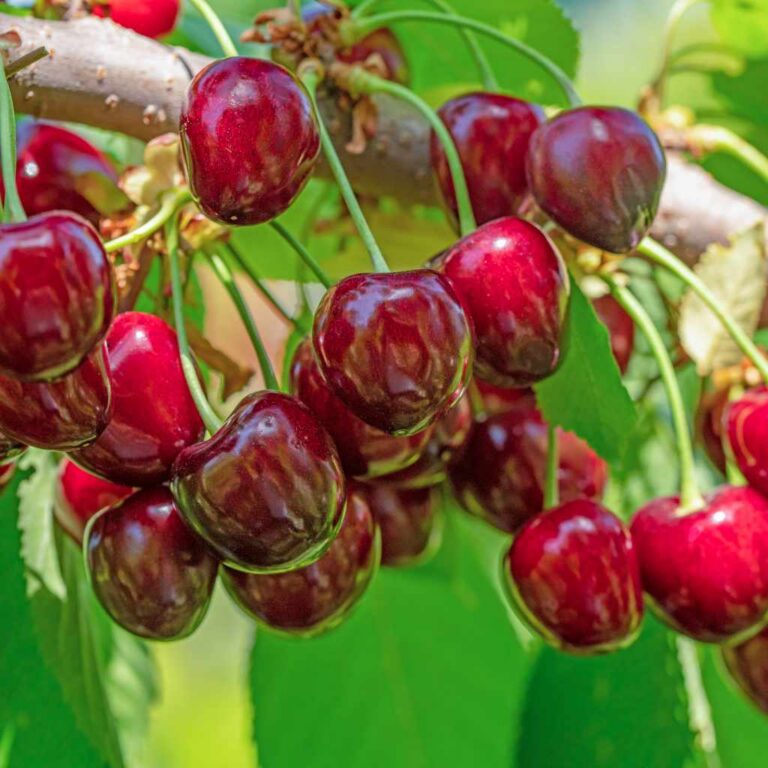
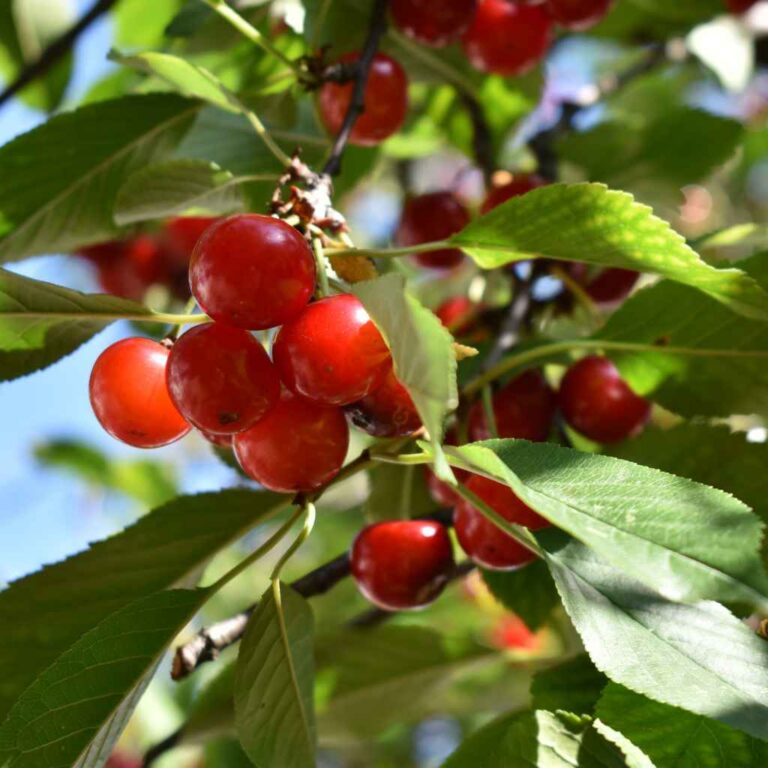
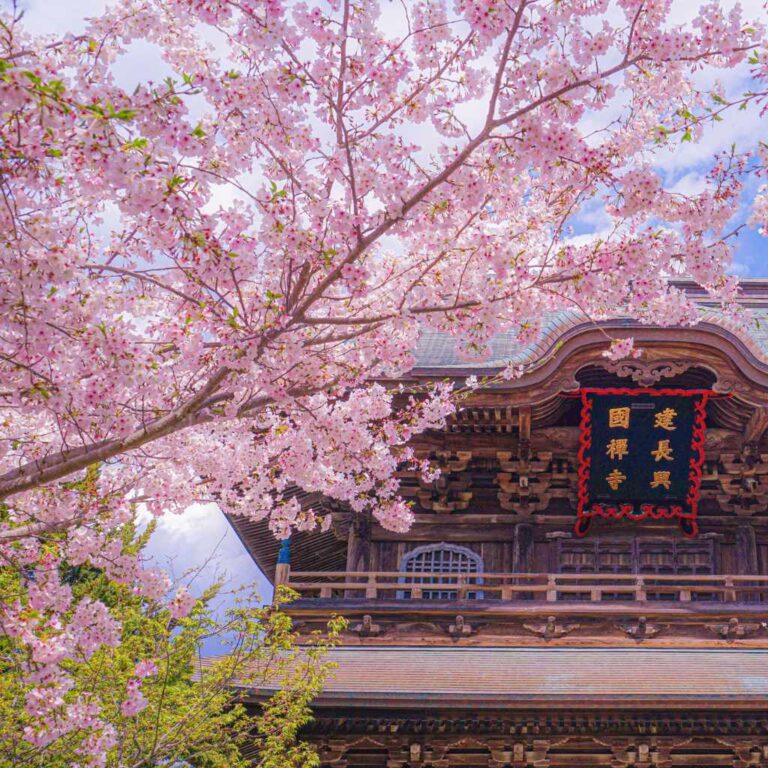
When discussing the edibility of cherry blossoms, it’s important to differentiate between ornamental cherry trees and fruit-bearing cherry trees. Ornamental varieties like most flowering Prunus serrulata cultivars are bred purely for bloom display and are not tracked for food safety, so their blossoms should not be treated as edible. Fruit-bearing trees — sweet cherry (Prunus avium), sour cherry (Prunus cerasus), and black cherry (Prunus serotina) — have a documented history of edible-blossom use.
If you can’t confirm the species with certainty, the safest assumption is that the blossoms are ornamental and not for eating.
Historical Culinary Uses of Cherry Blossoms
For centuries, various cultures have incorporated cherry blossoms into their diets and culinary traditions. In Japan, the practice of preserving cherry blossoms in salt, known as ‘sakura-zuke’, has been a long-standing custom. Preserved blossoms are used to infuse a distinctive floral aroma and flavor into sweets like mochi, cakes, and teas.
This traditional method is not just about flavor — the multi-day salt cure is also what makes the blossoms safe and palatable, breaking down the compounds that make raw ornamental blossoms a poor choice.
The Process of Making Cherry Blossoms Edible
Turning cherry blossoms into an edible ingredient follows a specific sequence, not a quick rinse-and-eat step:
- Harvest young blossoms: Pick freshly opened blossoms from a confirmed edible variety (Prunus avium or Prunus serotina), never from an unidentified ornamental tree.
- Rinse thoroughly: Wash the blossoms under cool water to remove insects, dust, and any pesticide residue before processing.
- Layer with salt: Pack the blossoms in salt at roughly 20% of the blossom’s weight and let them cure for 2-3 days; the salt draws out moisture and begins breaking down cyanogenic compounds.
- Rinse and dry: Rinse off the excess surface salt, then pat the blossoms dry and let them air-dry fully before storing or using them.
- Store or use: Keep salt-cured blossoms refrigerated for cooking, or steep a few in hot water for cherry blossom tea.
Pickling in vinegar or a sweet syrup is a second valid method that yields a more delicate flavor for garnishes. Whichever method is used, raw, unprocessed blossoms — especially from ornamental trees — should never be eaten directly.
📊 Cherry blossoms contain the cyanogenic glucosides prunasin and amygdalin, which release hydrogen cyanide when plant cells are broken down — concentrations in the flower itself are much lower than in the leaves, bark, or seed kernel. Source: Cyanogenic Glucosides in Almond and Sweet Cherry Flower Buds, PMC, 2017
Flavor Profile of Edible Cherry Blossoms
When properly prepared, edible cherry blossoms offer a delicate floral, slightly sweet, and faintly almond-like taste. The salting process mellows into a nuanced flavor that complements sweet dishes without being overpowering, along with an aroma that carries the essence of spring.
Don’t Want to Forage? Try Pre-Prepared Sakura Blossoms
If identifying a fruit-bearing tree and curing your own blossoms sounds like more work than you want, a pre-salted culinary sakura product removes both the species-identification risk and the multi-day salt cure covered above — already confirmed edible and food-safety processed before it ships.
Safety Considerations and Potential Risks
The primary safety concern is species, not the blossom itself. Ornamental cherry cultivars can carry higher, less predictable levels of cyanogenic glycosides than the fruit-bearing species that traditional recipes rely on. The concentration in blossoms is low compared to the leaves and pits, but it is a real risk when the tree’s origin or species is uncertain.
| Tree type | Blossom safety | Best for |
|---|---|---|
| Sweet cherry (Prunus avium) | Traditionally used for sakura-zuke after salting | Salted/pickled culinary use |
| Sour cherry (Prunus cerasus) | Traditionally used, same salting method | Salted/pickled culinary use |
| Ornamental flowering cherry (Prunus serrulata cultivars) | Not tracked for food safety — avoid | Decorative viewing only |
Avoid blossoms that may have been sprayed with pesticides, and introduce any new edible plant food in a small amount first to watch for an allergic reaction. If there’s any doubt about the tree’s identity, don’t eat the blossoms.
“Cyanogenic glucosides and their concentrations vary substantially by cultivar and by plant tissue — flower tissue carries measurably lower concentrations than vegetative tissue in Prunus species.”
— Cyanogenic Glucosides and Derivatives in Almond and Sweet Cherry Flower Buds, peer-reviewed study, PMC/NCBI
How to Identify Edible Cherry Blossoms
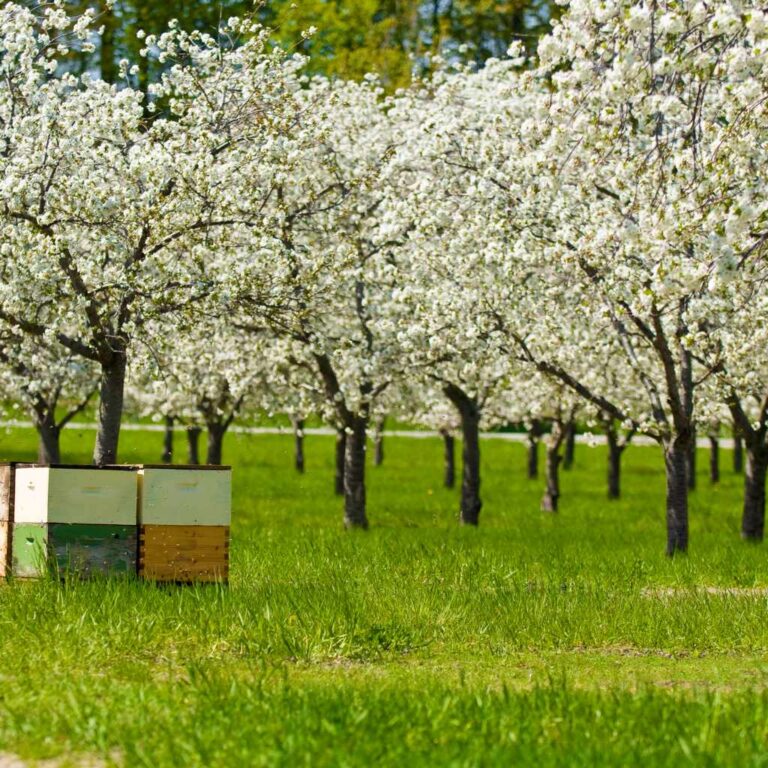
The most reliable source for edible blossoms is a confirmed fruit-bearing tree such as sweet cherry (Prunus avium) or sour cherry (Prunus cerasus). These are cultivated for fruit, and their blossoms carry a documented history of culinary use when properly prepared.
Ornamental cherry trees planted purely for their spring display are less predictable and pose a higher risk. If you’re unsure of the species, assume the blossoms aren’t for eating, or check with a local horticultural extension office or a reliable botanical reference before harvesting.
Recipes and Ways to Use Edible Cherry Blossoms
Once you’ve confirmed your blossoms are from an edible variety and safely prepared, salt-preserved cherry blossoms can be rinsed and folded into doughs for cookies, cakes, and pastries for a subtle floral note, steeped in hot water for cherry blossom tea, or used as a delicate garnish for jellies, jams, and desserts.
A traditional Japanese approach is sakura mochi — a pink rice cake filled with red bean paste and wrapped in a salted cherry leaf — or sakura-flavored macarons. Use blossoms sparingly; their delicate flavor is meant to accent a dish, not dominate it.
The Difference Between Cherry Blossoms and Cherry Leaves
Cherry blossoms are eaten for their delicate floral notes, while cherry leaves — most famously the leaf wrapped around sakura mochi — are used for their aroma. Leaves are typically steamed or simmered to soften them and release their fragrance rather than cured in salt like the blossom itself. Both parts of the tree offer distinct culinary uses, but their preparation and flavor profiles are not interchangeable.
This general safety-and-species overview covers cherry blossoms broadly. For the Japan-specific sakura culinary tradition in more depth, see are Japanese cherry blossoms edible; for the botanical classification question (is a cherry blossom actually a flower, structurally), see cherry blossoms as flowers: botanical facts; and for the broader poisoning question across the whole tree, see are cherry blossoms poisonous to humans.
Frequently Asked Questions
Can you eat cherry blossoms straight off any tree?
No. Only blossoms from a confirmed fruit-bearing species such as Prunus avium (sweet cherry) or Prunus serotina (black cherry) are considered edible, and even then only after salting or pickling. Ornamental cultivars bred purely for bloom display carry unpredictable levels of prunasin and should not be eaten raw or unprocessed.
What makes raw cherry blossoms potentially unsafe?
Cherry blossoms, like the rest of the Prunus genus, contain cyanogenic glycosides — mainly prunasin and amygdalin — that release hydrogen cyanide when plant cells are crushed or digested. Concentrations in the flower are far lower than in the leaves, bark, or seed kernel, but eating a large raw quantity is still not worth the risk.
How are cherry blossoms made safe to eat?
Salting and pickling are the two traditional methods. Both processes break down and leach out cyanogenic compounds while also curing the blossom’s texture and concentrating its floral flavor — this is why every traditional sakura-zuke recipe calls for a multi-day salt cure and rinse, never raw preparation.
What do properly prepared cherry blossoms taste like?
Salt-cured cherry blossoms taste delicately floral with a subtly sweet, faintly almond-like note. The saltiness mellows during the rinse step, leaving a flavor used sparingly in mochi, cakes, tea, and cocktail garnishes rather than eaten as a stand-alone snack.
Are there side effects to eating cherry blossoms?
Eaten in the small quantities typical of salt-cured preparations, healthy adults report no issues beyond occasional mild allergic reactions common to any new food. Eating a large raw quantity, or blossoms from an unidentified ornamental tree, risks nausea and cyanide-related symptoms and should be avoided.
Where can you buy edible cherry blossoms instead of foraging?
Pre-salted or pickled sakura blossoms from a reputable culinary supplier remove the identification and processing risk entirely, since they’re already confirmed edible-species and food-safety processed before sale.
Final Thoughts
Cherry blossoms are edible, but the safe version of that answer depends on two things: confirming the tree is a fruit-bearing species, and curing the blossoms with salt or pickling rather than eating them raw. That combination is what generations of sakura-zuke preparation actually relies on, and it’s the difference between a delicate spring garnish and an unnecessary risk from an unidentified ornamental tree.
If foraging and identification feel like too much uncertainty, a pre-cured culinary sakura product removes that step entirely while still capturing the same floral flavor in tea, baking, or as a garnish.
Sponsored / affiliate links. As an Amazon Associate I earn from qualifying purchases. I may earn additional commission from eligible campaigns.