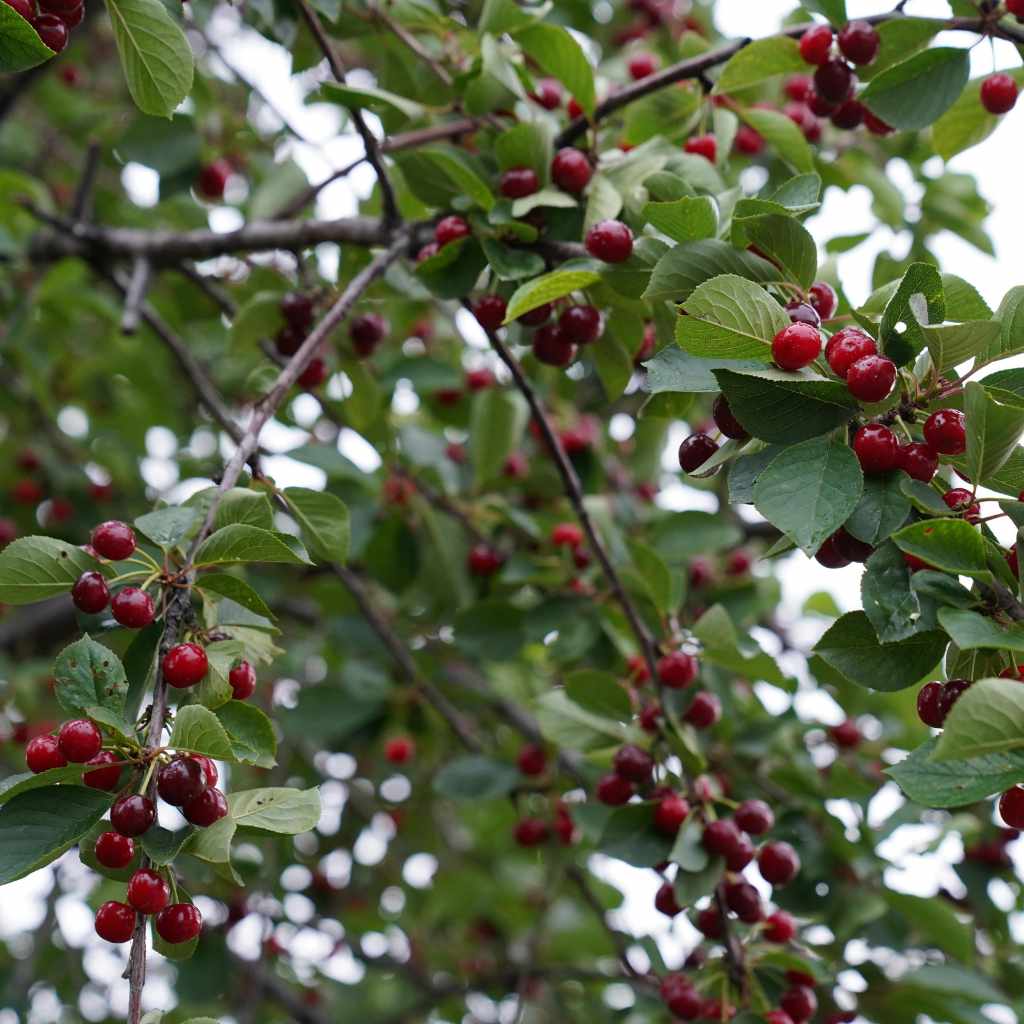
Are Cherry Trees Poisonous What You Should Know
Imagine enjoying a warm spring day, admiring the beautiful blossoms on a cherry tree. Suddenly, you wonder if those pretty leaves or fallen fruit are safe for your pet or curious child. It’s a common concern for many garden owners and nature enthusiasts.
This post will clear up any confusion about whether cherry trees pose a danger, giving you peace of mind and practical knowledge. You’ll learn which parts to be cautious of and how to keep your loved ones safe around these lovely trees.
Are Any Cherry Trees Poisonous What You Should Know
Many people are drawn to cherry trees for their stunning spring blooms and the delicious fruit they produce. However, a question that often arises is whether any part of these trees is poisonous. This is a very important concern, especially for households with children or pets who might explore the garden.
The good news is that while certain parts of cherry trees do contain compounds that can be harmful if ingested in large quantities, the mature fruit is generally safe and widely enjoyed. Understanding which parts to be aware of is key to safely enjoying cherry trees.
Understanding Cyanogenic Glycosides in Cherry Trees
The primary reason for concern regarding cherry tree toxicity lies in a group of compounds called cyanogenic glycosides. These are naturally occurring substances found in many plants, including several varieties of cherry trees. When these compounds are broken down, either by chewing or through digestion, they can release hydrogen cyanide.
Hydrogen cyanide is a potent poison that interferes with the body’s ability to use oxygen.
It’s important to note that the concentration of cyanogenic glycosides varies significantly depending on the part of the plant and the specific cherry variety. Generally, the highest concentrations are found in the leaves, stems, bark, and unripe fruit of cherry trees. The mature, ripe fruit, particularly the flesh, has very low levels of these compounds and is considered safe for consumption by humans and most animals.
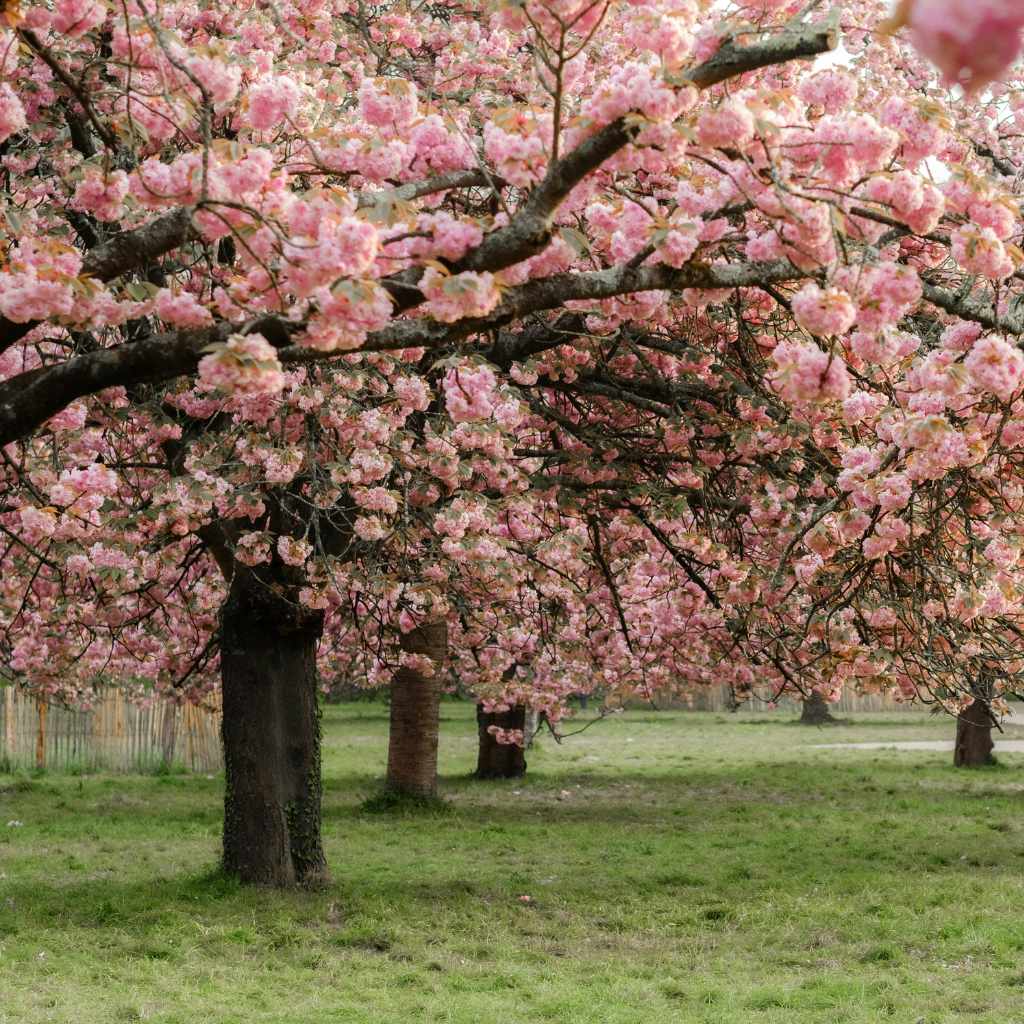
Which Parts of the Cherry Tree Can Be Harmful?
To effectively answer “Are any cherry trees poisonous? What you should know,” we must identify the specific parts that carry potential risks. This knowledge empowers you to take appropriate precautions.
- Leaves: Cherry leaves, especially when wilted or chewed, contain cyanogenic glycosides. The danger is highest if a large amount is ingested. Wilted leaves are more of a concern because the drying process can break down the cells, releasing the glycosides more readily.
- Stems and Bark: The twigs, branches, and bark of cherry trees also contain cyanogenic glycosides. While not typically eaten by humans, animals like deer or horses might gnaw on them, posing a risk.
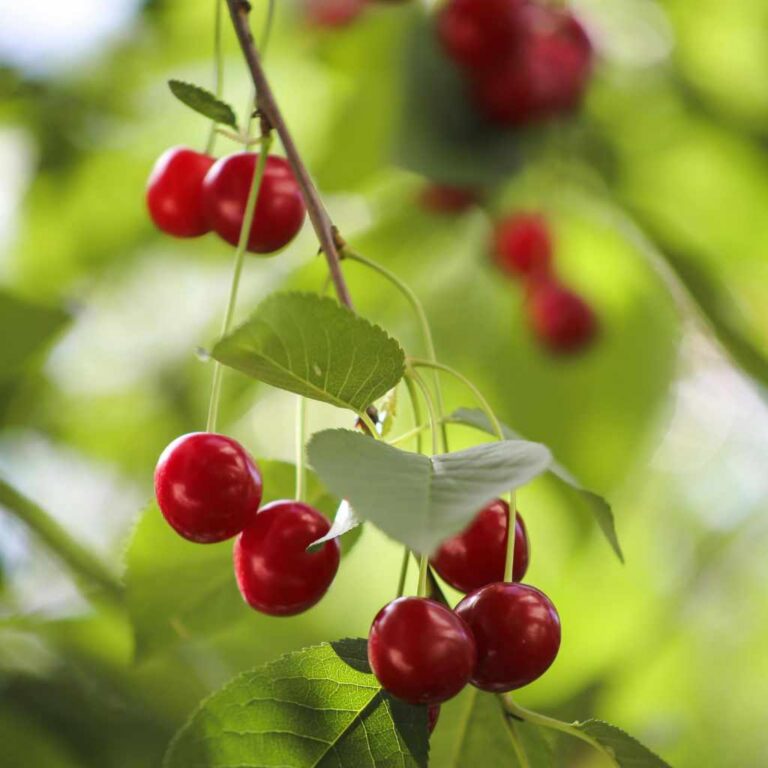
- Unripe Fruit and Pits: The unripe cherry fruit, before it has fully ripened, has higher levels of cyanogenic glycosides than mature fruit. Crucially, the pits (or stones) within all cherries, ripe or unripe, contain significant amounts of these compounds. While the pits are very hard and difficult to chew thoroughly, if they are crushed and ingested in substantial quantities, they can be problematic.
Are Cherry Fruits Poisonous?
This is often the central question for many people. The answer is generally no, but with important distinctions.
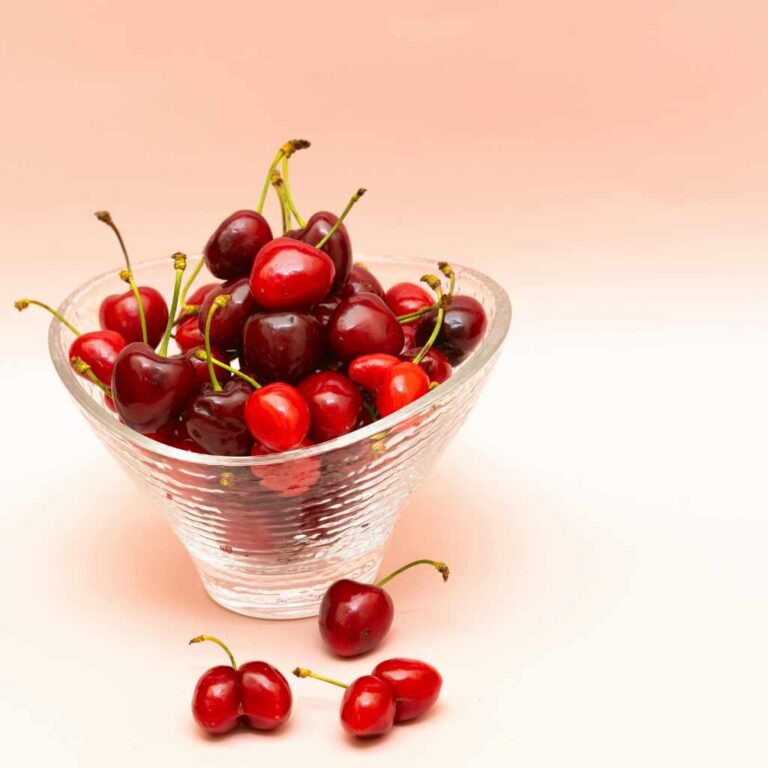
The flesh of ripe cherries is safe to eat. Millions of people enjoy cherries every year without ill effects. The levels of cyanogenic glycosides in the ripe fruit flesh are very low, not enough to cause poisoning in typical consumption amounts.
Think of them as a delicious and healthy snack when they are in season.
However, the pits of cherries, even ripe ones, are a different story. The cherry pit contains amygdalin, a cyanogenic glycoside. It is structurally similar to cyanide and can be converted to cyanide in the body.
While swallowing a cherry pit whole is unlikely to cause harm because it will likely pass through the digestive system undigested, crushing and consuming a large number of pits can lead to cyanide poisoning. This is why you’ll often hear advice to avoid eating cherry pits.
Which Cherry Tree Varieties Carry the Most Risk?
While most common ornamental and fruit-bearing cherry trees (Prunus species) contain cyanogenic glycosides, the concentration can vary. Some of the trees that are more commonly associated with higher levels of these compounds include:
- Black Cherry (Prunus serotina)
- Chokecherry (Prunus virginiana)
- European Bird Cherry (Prunus padus)
Even with these varieties, it’s the leaves, stems, and unripe fruit that pose the most significant risk. Ornamental cherries, often planted for their blooms, also belong to the Prunus genus and carry similar, though usually less potent, risks in their non-fruit parts.
Symptoms of Cyanide Poisoning
Recognizing the signs of cyanide poisoning is vital if you suspect someone or an animal has ingested a toxic part of a cherry tree in significant amounts. Symptoms can vary depending on the amount ingested and the individual’s size and health. They can appear rapidly.
Potential symptoms include:
- Difficulty breathing
- Rapid heart rate
- Headache
- Dizziness or lightheadedness
- Nausea and vomiting
- Weakness
- Confusion
- In severe cases, seizures or loss of consciousness
If you suspect cyanide poisoning, seek immediate veterinary or medical attention. Do not wait for symptoms to worsen.
Preventative Measures and Safety Tips
Knowing “Are any cherry trees poisonous? What you should know” leads directly to how to ensure safety. Implementing a few simple precautions can make a big difference.
For households with children:
- Educate children about not eating leaves, stems, or bark from any trees, including cherry trees.
- Supervise young children closely when they are playing outdoors.
- If you grow cherry trees, be mindful of fallen leaves and twigs, especially if they are wilted.
- When enjoying cherries, teach children to spit out the pits and dispose of them properly.
For pet owners:
- Keep pets away from areas where wilted cherry leaves or stems may have fallen.
- If your pet has a habit of chewing on plants, consider fencing off cherry trees or choosing alternative landscaping.
- Be aware of the symptoms of poisoning and consult your veterinarian if you have concerns.
General garden safety:
- If you are composting cherry tree material, be aware that wilting can occur during the composting process, potentially increasing the risk in the compost pile itself. However, once fully composted, the risk is greatly reduced.
- When pruning cherry trees, dispose of pruned branches and leaves responsibly, especially if they are wilted.
Are Ornamental Cherry Trees Poisonous?
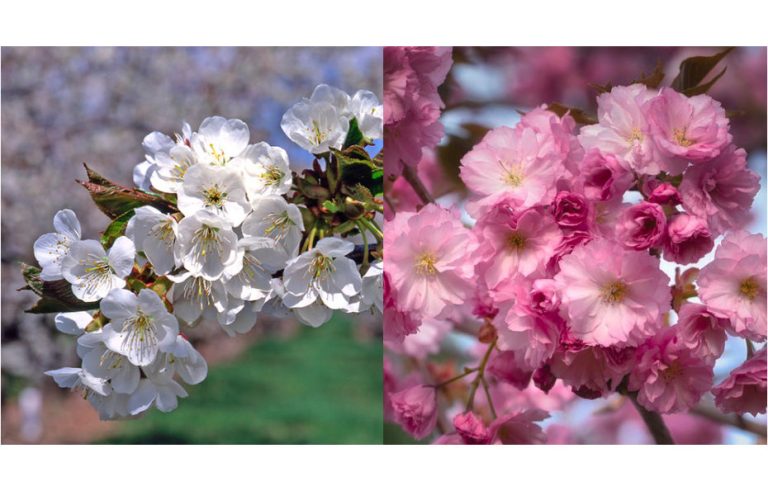
Ornamental cherry trees, often cherished for their spectacular floral displays rather than fruit, also belong to the Prunus genus. Therefore, they share similar toxicological properties with their fruit-bearing cousins. The leaves, stems, and bark of ornamental cherry trees do contain cyanogenic glycosides.
While ornamental cherries may produce small, less palatable fruits, the primary concern remains the non-fruit parts. If you have an ornamental cherry tree in your yard, the same precautions regarding wilted leaves and stems apply. For example, after a storm, a large accumulation of fallen leaves from an ornamental cherry tree could pose a risk if ingested in quantity by a curious pet or child.
Cherry Pits and Their Potential Danger
Let’s reiterate the point about cherry pits, as this is a common area of confusion. The pit within each cherry contains a substance that can convert into cyanide in the body. This is why you are often advised not to eat cherry pits.
Consider these facts:
- Difficulty in Crushing: Cherry pits are hard. It requires significant chewing and force to break them open and release the amygdalin inside. Most people swallow them whole, and they pass through the digestive system unharmed.
- Quantity Matters: For poisoning to occur, a person or animal would need to consume a very large quantity of crushed pits. The exact number varies, but it’s usually in the dozens or even hundreds.
- Accidental Swallowing: In most cases of accidental ingestion by children or pets, it’s due to swallowing a few pits whole, which is unlikely to cause harm. The real danger lies in deliberate chewing and consumption of many pits.
Therefore, while caution is warranted, the immediate danger from a few accidentally swallowed cherry pits is low. The focus should be on educating about the risks and proper disposal of pits.
Frequently Asked Questions
Question: Are all parts of a cherry tree poisonous?
Answer: No, not all parts are poisonous. The flesh of ripe cherries is safe to eat. However, the leaves, stems, bark, and unripe fruit, as well as the pits of all cherries, contain compounds that can be harmful if ingested in significant amounts.
Question: Can eating cherry pits make me sick?
Answer: Eating a few cherry pits whole is unlikely to cause harm as they are hard and often pass through the digestive system undigested. However, crushing and eating a large quantity of cherry pits can release cyanide and cause poisoning.
Question: What should I do if my dog eats cherry leaves?
Answer: If your dog eats cherry leaves, especially wilted ones, monitor them closely for any signs of poisoning such as vomiting, difficulty breathing, or lethargy. Contact your veterinarian immediately if you notice any concerning symptoms or if you suspect a large amount was ingested.
Question: Are cherry blossoms toxic?
Answer: Cherry blossoms themselves are generally not considered toxic. The primary concern regarding toxicity in cherry trees comes from the leaves, stems, bark, and fruit pits due to the presence of cyanogenic glycosides.
Question: Is it safe to compost cherry tree material?
Answer: Yes, it is generally safe to compost cherry tree material. The composting process breaks down the toxic compounds. However, be cautious with wilted leaves and stems during the initial stages of composting, as they may still contain higher levels of harmful substances.
Final Thoughts
When considering “Are any cherry trees poisonous? What you should know,” the key takeaway is that while the ripe fruit flesh is safe and delicious, other parts of the tree, like leaves, stems, bark, and especially the pits, contain compounds that can be harmful. Understanding this distinction is important for responsible enjoyment of these beautiful trees.
Educating children and supervising pets are practical steps to ensure safety around cherry trees in your garden or local park. Pay attention to wilted leaves and dispose of cherry pits properly after enjoying the fruit. By being informed and taking simple precautions, you can continue to appreciate the beauty and bounty that cherry trees offer without unnecessary worry.