Are Cherry Blossoms Flowers? Botanical Facts (Not Edibility)
Cherry blossoms are true flowers — complete with petals, sepals, stamens, and a pistil — but many popular ornamental varieties like Kwanzan are sterile double-flowered hybrids that never set fruit at all, even after full pollination. That’s a different question from whether the blossoms are edible, which we cover in a separate guide. This one covers the botanical classification, flower anatomy, and why some cherry trees bloom spectacularly but never fruit.
Are Cherry Blossoms Flowers? The Botanical Answer
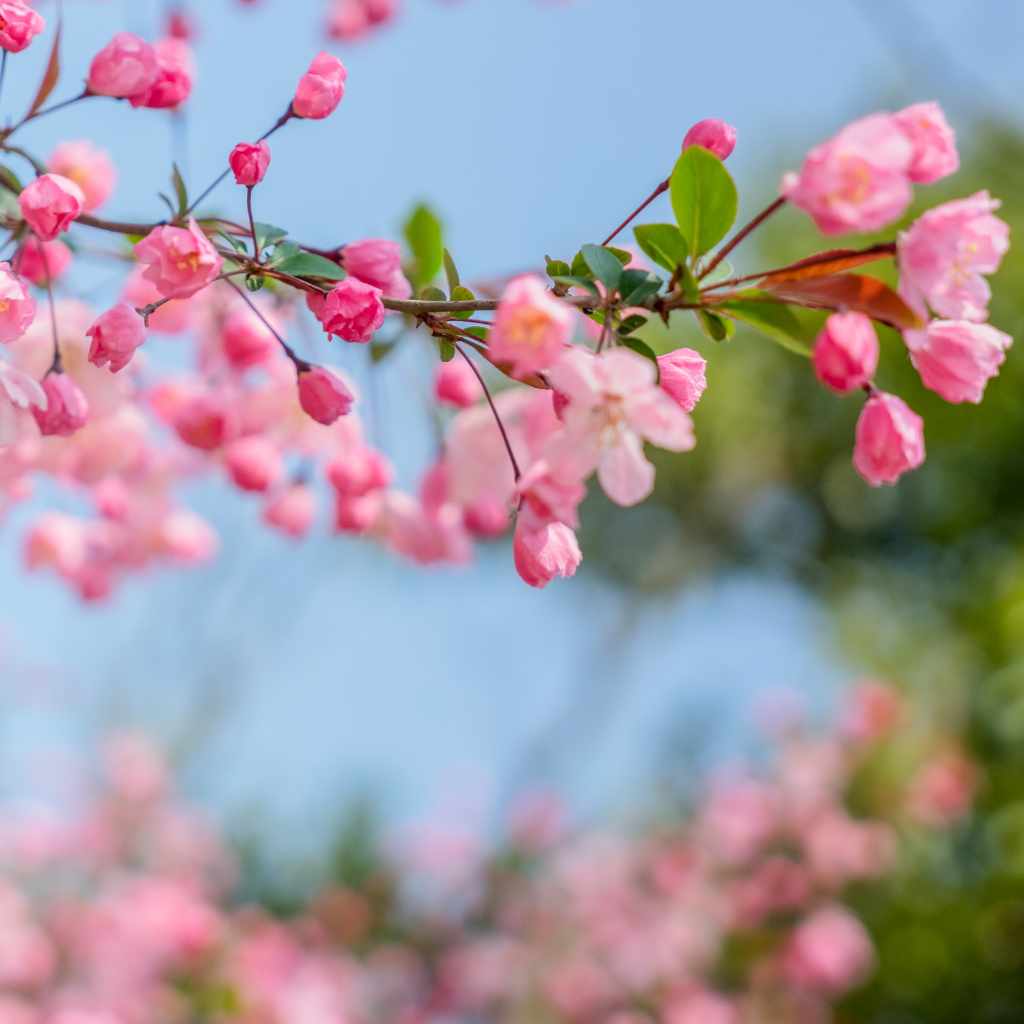
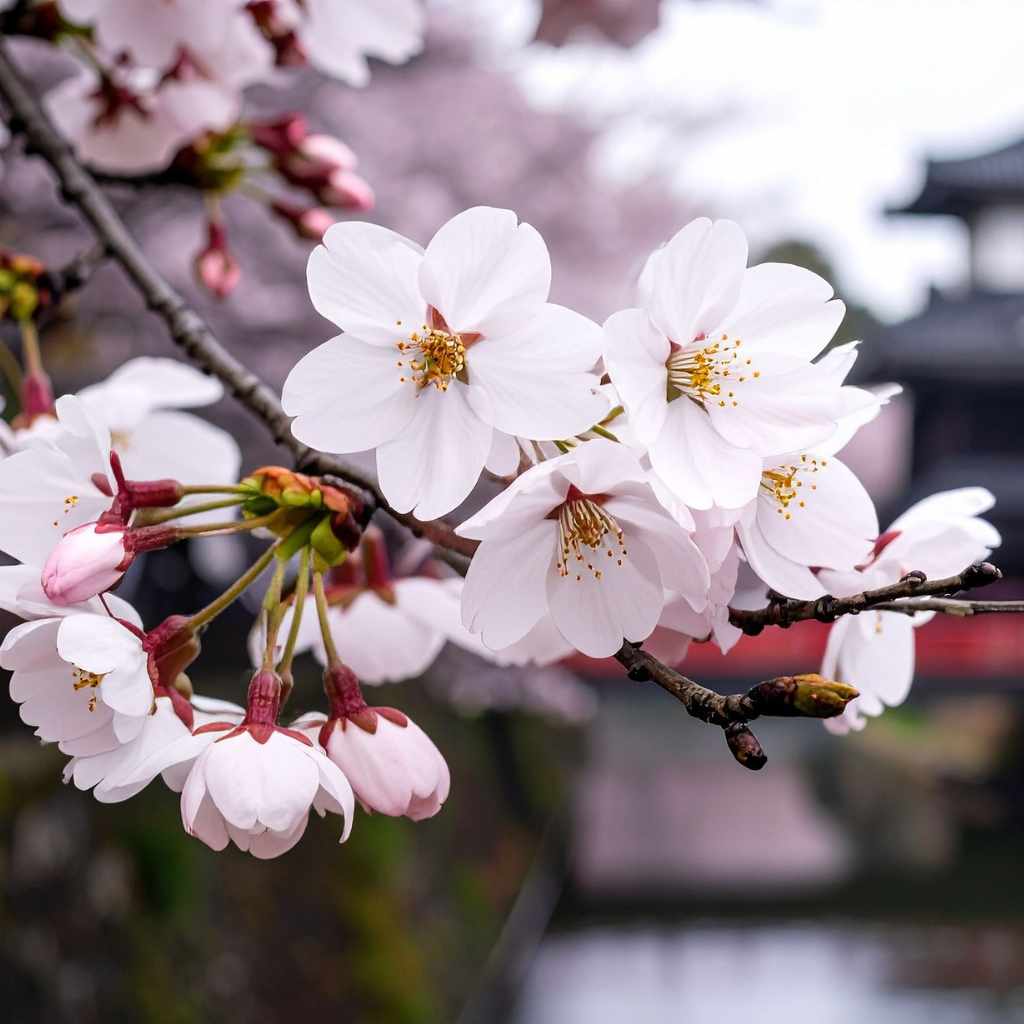
Yes — cherry blossoms are the flowers of trees in the genus Prunus, part of the Rosaceae family alongside roses, apples, and pears. They are the tree’s reproductive structures, built to attract pollinators and, in fruiting varieties, produce cherries. Their short bloom window of one to two weeks is part of that reproductive strategy, not a design flaw.
Flower Anatomy, Part by Part
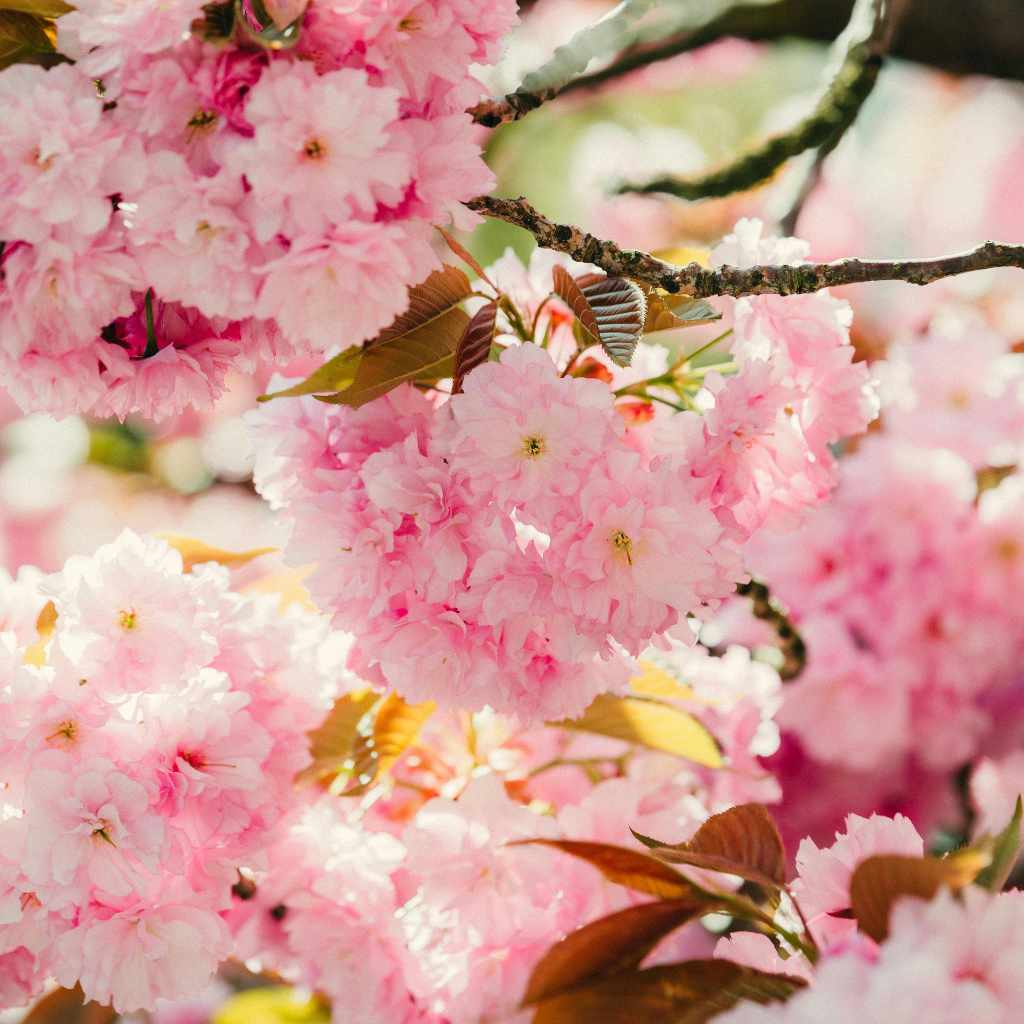
A cherry blossom has every structure botanists require to classify something as a flower:
| Part | Role |
|---|---|
| Petals | Modified leaves, usually pink or white, that attract pollinators |
| Sepals | Green leaf-like parts that enclosed and protected the bud before it opened |
| Stamens | Male parts; the anther at the tip produces pollen |
| Pistil | Female part; contains the ovary that develops into fruit if fertilized |
Why Some Cherry Blossoms Never Become Cherries
This is the fact most “are cherry blossoms flowers” articles skip entirely: being a true flower and being able to fruit are two separate things. Several of the most-planted ornamental cherry varieties are genetically unable to produce fruit, regardless of how well they’re pollinated.
| Variety | Fruiting | Why |
|---|---|---|
| Kwanzan (Kanzan) | Never fruits | Double-flowered mutation makes it fully sterile |
| Yoshino (Somei-Yoshino) | Almost never fruits | Self-incompatible — and most planted trees are grafted clones of the same original, so they can’t cross-pollinate each other |
| Sweet/sour cherry (fruiting types) | Fruits normally | Bred for fruit production, not bred for showy double flowers |
📊 Kwanzan cherry’s extra rows of petals are the result of a centuries-old hybridization that also made the tree sterile — it is botanically incapable of producing fruit, not just unlikely to. Source: Gardening Know How, 2026
Because Kwanzan and Yoshino can’t reliably reproduce from seed, nurseries propagate them by grafting cuttings onto rootstock instead — every Kwanzan tree sold is genetically identical to the original specimen discovered centuries ago in Japan.
Ornamental vs. Fruit-Bearing Cherry Trees
Ornamental varieties like Kwanzan and Yoshino were bred over centuries specifically for bloom density and petal count, at the cost of fruiting ability in many cases. Fruit-bearing sweet and sour cherry varieties were bred the opposite way — for reliable, abundant fruit, with a single row of simpler flowers. Both are equally “real” flowers botanically; they were just selected for different traits.
Pollination and the Bloom-to-Fruit Process
In fruiting cherry varieties, bees carry pollen between compatible trees, fertilizing the ovary inside the pistil. The ovary then swells into the fruit, enclosing the seed, while the petals fall away. This same process happens in ornamental varieties too — it just dead-ends at fertilization for a sterile cultivar like Kwanzan, or rarely completes for a self-incompatible one like Yoshino.
Frequently Asked Questions
Do all cherry blossoms turn into cherries?
No. Fruiting cherry varieties do, but many popular ornamental types don’t. Kwanzan is a fully sterile double-flowered hybrid that never sets fruit, and Yoshino is self-incompatible, so a single tree or a planting of identical grafted clones rarely fruits even with pollinators present.
Why does my ornamental cherry tree never produce fruit?
If it’s a Kwanzan, Yoshino, or another double-flowered ornamental cultivar, that’s expected — these varieties were bred for showy blossoms, not fruit, and many are genetically sterile or self-incompatible. Fruiting requires a fruiting-type cherry variety and, often, a second compatible tree nearby.
Are cherry blossoms technically flowers or just decorative buds?
They’re true flowers by every botanical definition: they have petals, sepals, stamens, and a pistil, and their function is sexual reproduction, not decoration. Whether the tree goes on to produce fruit depends on the variety and pollination, not on whether the blossom itself qualifies as a flower.
Are cherry blossoms the same as cherry flowers on fruit trees?
Structurally yes — both are Prunus flowers with the same anatomy. The difference is breeding purpose: fruiting cherry trees were selected to set abundant fruit, while ornamental cultivars like Kwanzan were selected for extra petals and bloom density, often at the cost of fertility.
Conclusion
Cherry blossoms meet every botanical definition of a flower, full stop. Whether a given tree ever produces fruit is a separate question of breeding and variety — Kwanzan is sterile by design, Yoshino is self-incompatible, and fruiting sweet or sour cherries were bred to set fruit reliably instead. If you’re wondering whether the blossoms themselves are safe to eat rather than whether they’re technically flowers, see our dedicated edibility and safety guide.
Sponsored / affiliate links. As an Amazon Associate I earn from qualifying purchases. I may earn additional commission from eligible campaigns.