Are Yoshino Cherry Trees Toxic to Dogs? Vet Facts
Imagine your furry friend bounding through the backyard, nose twitching with curiosity, perhaps sniffing around the base of a beautiful Yoshino cherry tree. You admire its delicate blossoms, but a thought might cross your mind: could this pretty plant be a danger to your beloved dog? Many pet owners share this concern, wanting to ensure their garden is a safe haven for their canine companions.
This post aims to provide clear, fact-based information so you can enjoy your landscape with peace of mind. We’ll cover what you need to know about Yoshino cherry trees and your dog’s safety, helping you make informed decisions for your pet’s well-being.
Are Yoshino Cherry Trees Toxic to Dogs?
The question of whether Yoshino cherry trees pose a danger to dogs is a common one among pet owners. These ornamental trees, celebrated for their stunning spring blooms, are a popular choice for gardens. However, like many plants in the Prunus genus, they contain compounds that can be harmful if ingested by pets, including dogs.
The primary concern lies with the seeds, pits, leaves, and bark of cherry trees, which contain cyanogenic glycosides. When these compounds are metabolized, they can release cyanide, a potent toxin. While the actual risk and severity of poisoning depend on the amount ingested and the part of the plant consumed, it’s vital for dog owners to be aware of the potential dangers.
Understanding which parts are most toxic and what symptoms to watch for can help you protect your dog.

Understanding Cyanogenic Glycosides
Cyanogenic glycosides are natural compounds found in many plants. In the case of cherry trees, these compounds are present in various parts of the plant, though the concentration can vary. When these glycosides come into contact with enzymes in the digestive tract, or even through damage to the plant tissue, they break down.
This breakdown process releases hydrogen cyanide. Hydrogen cyanide is a rapid-acting poison that interferes with cellular respiration, meaning it prevents cells from using oxygen. This can have severe consequences for vital organs.
Where Are Cyanogenic Glycosides Found in Cherry Trees?
While the entire Yoshino cherry tree can be considered a potential source of concern, certain parts are more concentrated with cyanogenic glycosides than others. This means the risk of poisoning is not uniform across the entire plant. Knowing these specific areas is key to prevention.
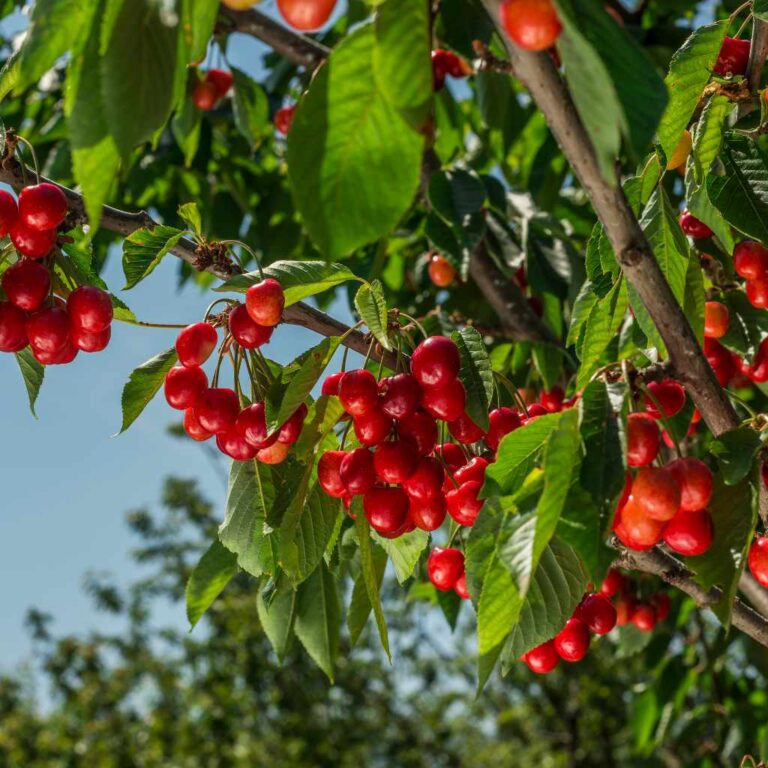
- Seeds and Pits: The seeds, particularly the large pits within the cherries, are the most significant source of cyanogenic glycosides. These are often crushed or chewed, releasing the toxic compounds.
- Leaves: Cherry tree leaves, especially when wilted or damaged, can also contain these compounds. Ingestion of a large quantity of leaves could lead to a problem.
- Bark: The bark of the tree can also contain cyanogenic glycosides, though typically in lower concentrations than the seeds or leaves.
- Unripe Fruit: While ripe cherries themselves are generally not a major concern for dogs in small quantities (though the pit remains a choking hazard and contains toxins), unripe cherries may contain higher levels of these compounds.
Symptoms of Cherry Tree Poisoning in Dogs
Recognizing the signs of poisoning is crucial if you suspect your dog has ingested a toxic part of a Yoshino cherry tree. The onset of symptoms can be rapid, so prompt identification is important. The severity of the symptoms will depend on how much of the toxic material was consumed and the size of the dog.
Mild to Moderate Symptoms
In cases of minor ingestion, you might observe symptoms that are less severe but still warrant attention. These early signs can indicate that your dog has absorbed some of the toxic compounds.
- Vomiting
- Diarrhea
- Abdominal discomfort or pain
- Excessive drooling
- Restlessness or agitation
Severe Symptoms
If a significant amount of the toxic plant material is ingested, or if the dog is small, more severe and potentially life-threatening symptoms can develop. These require immediate veterinary intervention.
- Difficulty breathing or rapid breathing
- Increased heart rate
- Dilated pupils
- Weakness or lethargy
- Tremors or muscle twitching
- Seizures
- Collapse
- Coma
What to Do If Your Dog Ingests Cherry Tree Parts
If you suspect your dog has eaten parts of a Yoshino cherry tree, especially the pits, leaves, or bark, it’s essential to act quickly. The quicker you can address the situation, the better the outcome for your dog.
- Contact Your Veterinarian Immediately: This is the most critical first step. Don’t wait for symptoms to appear. Call your vet or an emergency animal hospital right away. Describe what your dog might have eaten, the estimated amount, and any symptoms you observe.
- Do Not Induce Vomiting Without Veterinary Guidance: While inducing vomiting can sometimes be recommended, it should only be done under the explicit instruction of a veterinarian. Inducing vomiting improperly can cause more harm than good, especially if the dog has already ingested a large quantity or is showing severe symptoms.
- Gather Information: If possible, try to identify the specific part of the tree your dog consumed and bring a sample of the plant with you to the vet if it’s safe to do so. This information will help the veterinarian make a diagnosis and choose the appropriate treatment.
Preventing Cherry Tree Poisoning in Dogs
The best approach to dealing with the potential toxicity of Yoshino cherry trees is prevention. By taking proactive steps, you can significantly reduce the risk of your dog ingesting harmful parts of the plant.
Garden Management Strategies
Your garden can be a safe and enjoyable space for your dog with careful planning and management. Focusing on the specific risks associated with cherry trees can help you implement effective strategies.
- Fencing or Barriers: If you have Yoshino cherry trees, consider installing fencing or other barriers to keep your dog away from the trees, especially around the base where pits might fall.
- Regular Cleanup: Keep the area around the cherry trees clean. Promptly pick up any fallen cherries, leaves, or branches. This is particularly important during cherry season.
- Supervision: Supervise your dog when they are in the yard, especially if they have a tendency to chew or eat plants.
- Leash Walks: When walking your dog in areas with cherry trees, keep them on a leash to prevent them from foraging and ingesting fallen fruit or leaves.
Training and Awareness
Training your dog and being aware of their behavior can also play a significant role in preventing accidental ingestion of toxic plants.
- “Leave It” Command: Teach your dog the “leave it” command. This can be invaluable if you see them about to pick up something they shouldn’t.
- Discourage Chewing on Plants: Train your dog not to chew on plants or dig around trees.
- Educate Family Members: Ensure everyone in your household is aware of the potential dangers and knows the preventative measures.
Are All Cherry Tree Varieties Toxic to Dogs?
Yes, generally speaking, all varieties of cherry trees that belong to the Prunus genus are considered potentially toxic to dogs due to the presence of cyanogenic glycosides. This includes Yoshino cherry trees (Prunus × yedoensis) as well as ornamental cherry trees and fruiting cherry trees. The specific concentration of toxins can vary, but the risk remains present across the genus.
Therefore, precautions should be taken regardless of the specific cherry tree type in your yard or common areas.

Distinguishing Yoshino Cherry Trees
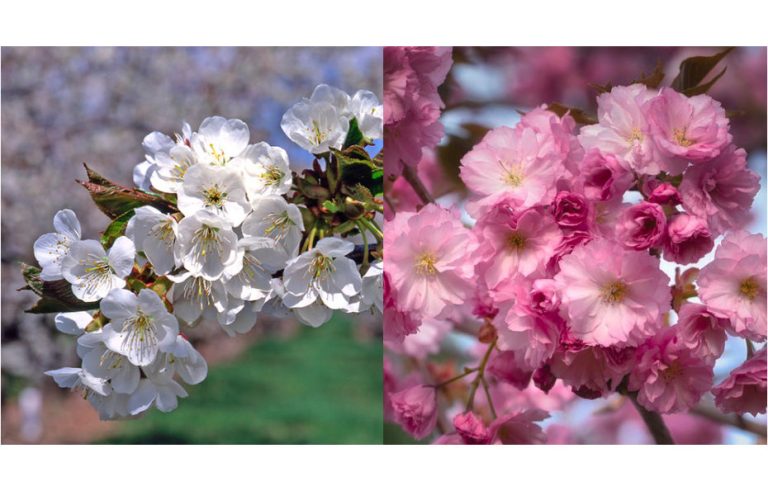
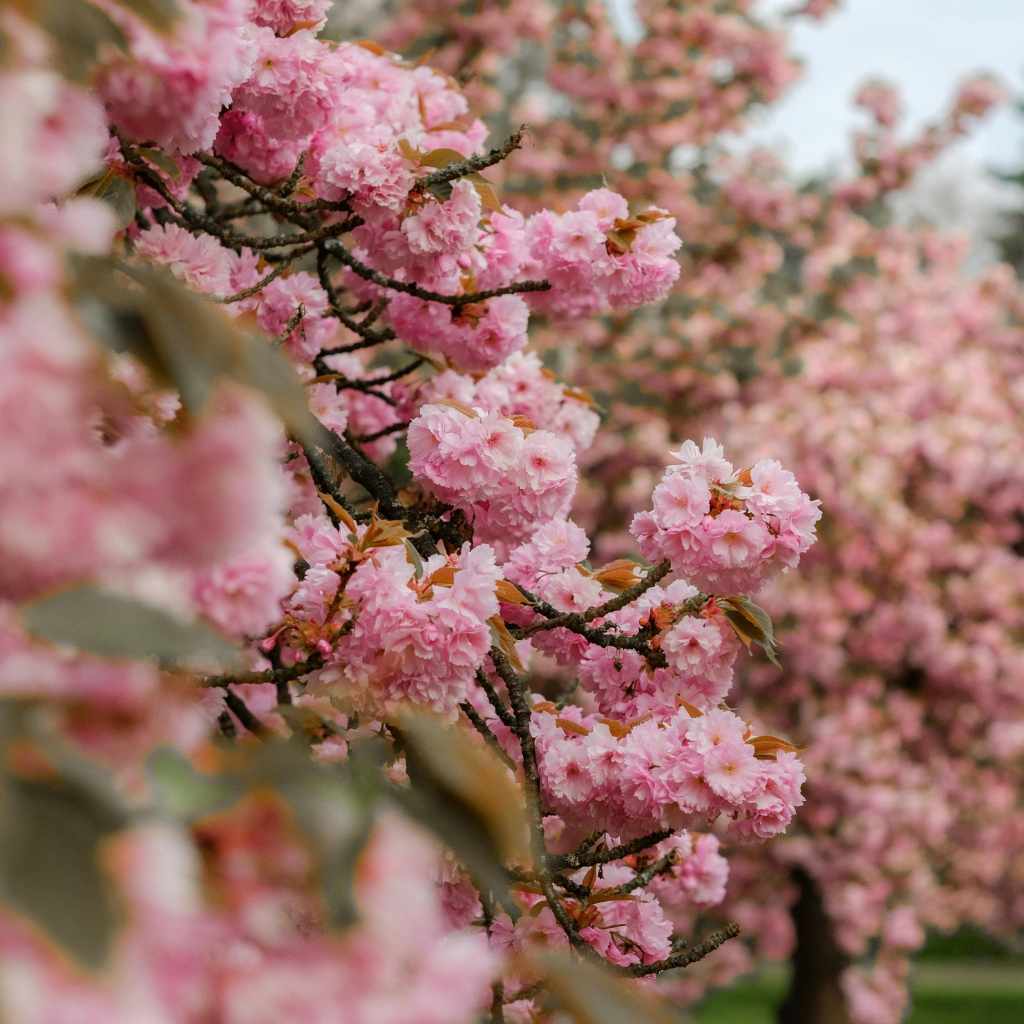
Yoshino cherry trees are known for their beauty and are often planted as ornamental trees. They are a hybrid of two Japanese cherry species and are recognized by their profuse, delicate white or pale pink blossoms that appear in early spring, often before the leaves emerge. They typically grow into a spreading, vase-shaped tree.
While their aesthetic appeal is high, their botanical classification places them within the Prunus genus, making the safety considerations for dogs consistent with other cherry trees.
Frequently Asked Questions
Question: Are the ripe cherries from a Yoshino cherry tree poisonous to dogs?
Answer: While ripe cherries themselves are less of a concern in small amounts, the pits are highly toxic and also pose a choking hazard. It’s best to prevent your dog from eating any part of the cherry tree, including ripe cherries, to avoid potential issues with the pits.
Question: How quickly do cherry tree poisoning symptoms appear in dogs?
Answer: Symptoms can appear anywhere from 15 minutes to a few hours after ingestion, depending on the amount consumed and the individual dog’s metabolism. Rapid symptom onset is possible with significant ingestion.
Question: Can a small amount of Yoshino cherry leaves harm my dog?
Answer: Ingesting a very small quantity of leaves is unlikely to cause severe poisoning in most adult dogs. However, it’s difficult to determine the exact toxic dose, and it’s always safer to prevent any ingestion. Young, small, or elderly dogs might be more susceptible to smaller amounts.
Question: What is the most dangerous part of a Yoshino cherry tree for dogs?
Answer: The seeds and pits are the most dangerous parts due to their high concentration of cyanogenic glycosides. Chewing or crushing these can release toxic levels of cyanide.
Question: Should I remove my Yoshino cherry tree if I have a dog?
Answer: Removing the tree is an option, but not always necessary. Implementing strict preventative measures like fencing, diligent cleanup, and close supervision can make it safe to keep the tree.
Final Thoughts
For dog owners, the presence of Yoshino cherry trees in their landscape prompts important safety considerations. The key takeaway is that while these trees are beautiful, parts of them, particularly the seeds, pits, and leaves, contain cyanogenic glycosides that can be toxic to dogs. Recognizing the signs of poisoning, such as vomiting, diarrhea, breathing difficulties, and seizures, is vital.
Prompt veterinary care is essential if you suspect ingestion. Prevention remains the most effective strategy, involving diligent garden management like thorough cleanup of fallen fruit and leaves, installing barriers, and constant supervision. Teaching your dog commands like “leave it” and discouraging plant chewing further bolsters their safety.
Understanding the specific risks associated with the Prunus genus ensures you can make informed choices to keep your canine companion safe and healthy while enjoying your garden’s natural beauty. Prioritizing these preventative actions allows you to enjoy your pets and your landscape with confidence.