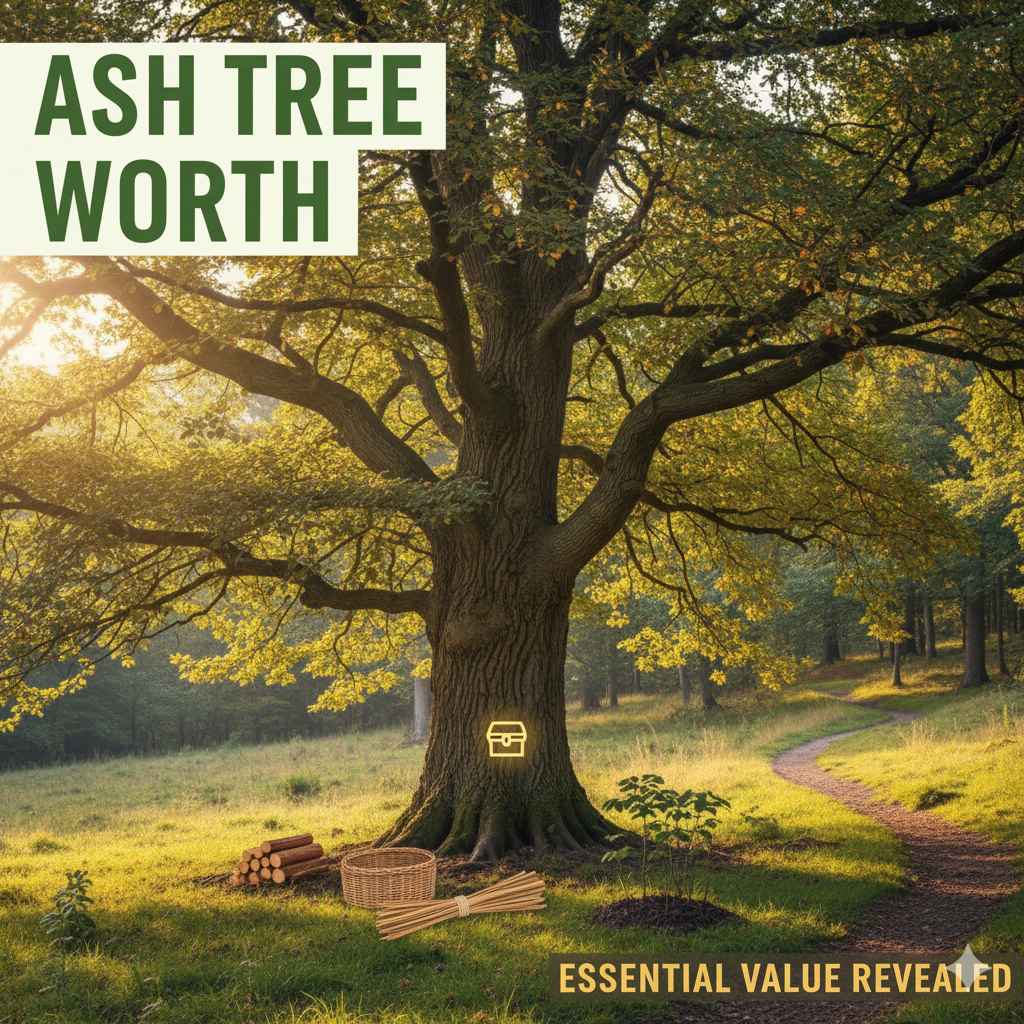
Ash Tree Worth: Essential Value Revealed
The worth of an ash tree depends on its health, size, and local timber markets. Healthy, mature ash trees can be valuable for lumber, firewood, or professional removal services, especially when free from the Emerald Ash Borer. Understanding these factors helps determine its true value.
Hello there, fellow woodworkers and home renovators! Md Meraj here, ready to dive into a topic that might be weighing on your mind if you have an ash tree on your property: its worth. It’s a tree that often sparks questions – is it firewood? Is it valuable lumber? Or is it a potential headache?
Many of us see a tree and think, “What’s it good for?” Especially with ash, there’s a lot of potential value, but also some important things to consider. You might be wondering if that ash tree in your backyard is hiding a treasure or if it’s time to think about its removal. Don’t worry, we’ll break it all down, step-by-step, so you can understand the true ash tree worth.
Understanding Ash Tree Value: What Makes it Count?
When we talk about the “ash tree worth,” we’re really looking at a few key things that determine its economic or practical value. It’s not just about the tree being there; it’s about its condition, its size, and what the market currently needs. For us DIYers and homeowners, knowing these factors can help us make informed decisions, whether it’s about selling the timber, using it for projects, or even deciding if it’s worth the cost to remove it.
Here’s what generally contributes to an ash tree’s value:
- Species: There are several types of ash trees, like White Ash, Green Ash, and Black Ash. White Ash is often considered the most valuable for hardwood lumber due to its strength and straight grain.
- Health and Condition: A healthy, vigorous tree is always worth more than a stressed or diseased one. This includes being free from rot, major insect damage (especially from the notorious Emerald Ash Borer), or structural weaknesses.
- Size: Bigger often means better when it comes to timber. Mature ash trees with large, straight trunks are more desirable for milling into lumber. Diameter and usable length of the trunk are critical measurements.
- Wood Quality: Clear, knot-free wood is highly prized. Any defects like knots, twists, or decay will reduce the lumber’s value.
- Location and Accessibility: It’s easier and cheaper to harvest wood from a tree that’s easily accessible by logging equipment, rather than one deep in a dense forest or on a steep slope. The proximity to sawmills or markets also plays a role.
- Market Demand: The value of ash timber fluctuates based on the demand from furniture makers, flooring manufacturers, instrument builders, and other wood industries.
The Emerald Ash Borer Threat: A Game Changer
Before we get too excited about potential ash tree worth, we absolutely have to talk about the Emerald Ash Borer (EAB). This invasive insect has devastated ash populations across North America. It’s a tiny beetle with a massive impact.
EAB larvae tunnel under the bark, cutting off the tree’s ability to transport nutrients and water, leading to rapid decline and death. A tree infested with EAB is generally worthless for lumber and can become a safety hazard, making its removal costly rather than profitable.
According to the U.S. Forest Service, the EAB has killed millions of ash trees and continues to spread. This reality significantly impacts the value of ash trees. A healthy ash tree, free from EAB, is a rare find in many areas and therefore commands higher value. Conversely, an infested tree might have negative value if removal costs are high.
What to look for regarding EAB:
- D-shaped exit holes in the bark (about 1/8 inch wide).
- Bark splitting or cracking vertically.
- Epicormic sprouting: small branches growing from the root collar or base of the trunk.
- Canopy dieback, starting from the top branches.
- Woodpecker activity, as they feed on EAB larvae.
If you suspect EAB, it’s crucial to consult with a certified arborist or your local extension office. Early detection can save healthy ash trees in some cases, though often it means confirming the tree’s demise.
Ash Wood’s Value in the Market: What is it Used For?
Ash wood itself is a highly desirable hardwood, known for its strength, shock resistance, and attractive grain. This makes it suitable for a variety of applications, which directly influences its market value.
Here’s where ash wood shines:
- Furniture: Its durability and beauty make it a popular choice for cabinets, chairs, tables, and other furniture pieces.
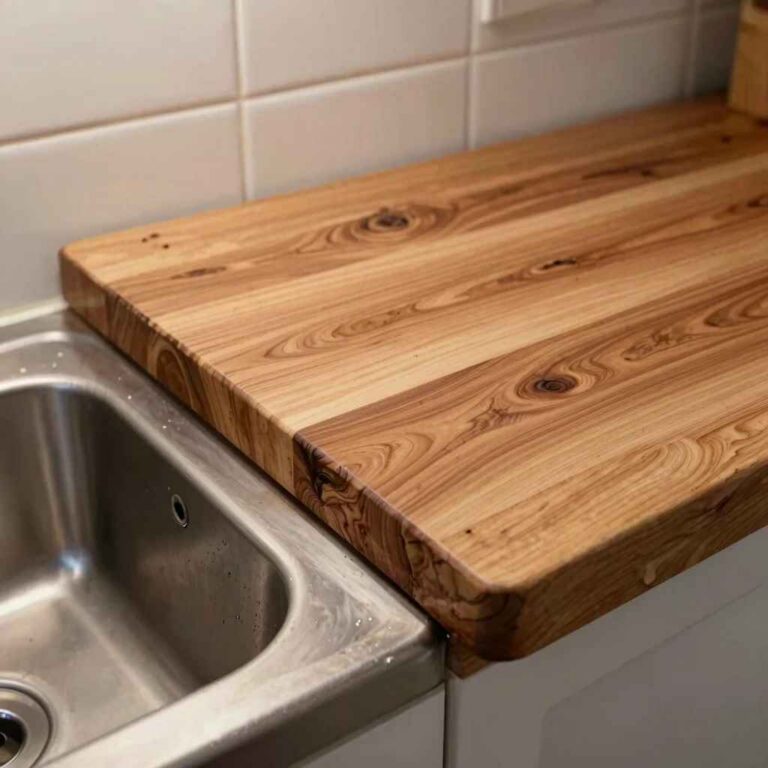
- Flooring: Ash flooring is known for its resilience and aesthetic appeal, often chosen for its strength and light color.
- Sporting Goods: Ash is famously used for baseball bats due to its excellent shock absorption and toughness. It’s also used in tool handles (like hammers and axes) for the same reasons.
- Musical Instruments: Electric guitar bodies and drumsticks often utilize ash for its tonal qualities and light weight.
- Baskets and Veneers: In some cases, ash can be used for bentwood applications like baskets or as veneer for decorative surfaces.
- Firewood: While not its highest value use, ash is excellent firewood. It burns hot and long, with an attractive flame and minimal popping. However, selling it as firewood is a much lower value proposition than selling it for lumber.
The specific type of ash also matters here. White Ash (Fraxinus americana) is generally the most sought after for its superior strength and appearance, often fetching higher prices. Green Ash (Fraxinus pennsylvanica) and Blue Ash (Fraxinus quadrangulata) are also used but might be considered less premium depending on the market.
Estimating Your Ash Tree’s Worth: A Practical Guide
So, you’ve got an ash tree, and you’re wondering if it’s a goldmine. Here’s how to start assessing its potential worth. Remember, for significant value, we’re usually talking about healthy trees suitable for milling into high-quality lumber.
Step 1: Assess Tree Health
This is the most critical first step. Look for signs of disease, insect infestation (especially EAB), rot, or structural damage (cracks, leaning). A certified arborist can provide the most accurate health assessment. If the tree is significantly compromised, its value will be minimal, and you might incur costs for removal instead.
Step 2: Measure the Trunk
If the tree appears healthy, measure its diameter at breast height (DBH). This is typically measured 4.5 feet from the ground. Use a measuring tape and calculate the diameter in inches. Then, estimate the usable length of the trunk. This is the portion of the trunk that is relatively straight and free from large branches. A good milling log usually needs to be at least 8-10 feet long and 12 inches or more in diameter. The more clear, usable length, the higher the potential value.
Step 3: Identify the Species (if possible)
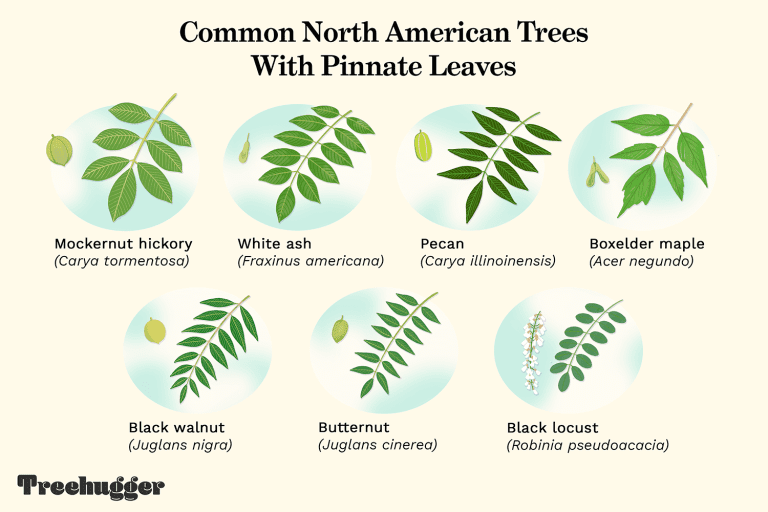
Knowing if you have White Ash, Green Ash, or another species can help. White Ash is generally the most valuable. If you’re unsure, an arborist can help, or you can research key identifying features of ash trees in your region—like leaf arrangement, bud shape, and bark texture.
Step 4: Research Local Markets and Professionals
The value of timber is highly dependent on local demand.:
- Lumber Mills: Contact local sawmills that process hardwoods. They might be interested in purchasing standing timber or logs. They can also give you an idea of current prices for ash lumber.
- Timber Buyers/Foresters: Professional timber buyers or foresters can assess your tree and potentially offer to purchase it for harvesting. They handle the logging and milling process.
- Arborists: Even if you don’t plan to sell the timber, an arborist can offer removal services and might have contacts for selling usable wood from healthy trees they take down. They can also advise on disposal options.
You can find local sawmills and timber buyers through online searches, state forestry department websites, or by asking experienced contractors in your area. For example, your state’s Department of Natural Resources or Forestry often has resources for landowners interested in timber management and sale.
Step 5: Consider Potential Usage for DIY Projects
If the tree is not large enough for commercial lumber or if you’re interested in a more personal approach, you might consider the value for your own DIY woodworking projects. Ash is excellent for making furniture, tool handles, or even simple crafts. If you can mill it yourself (or have it custom milled), the value here is in the material savings for your future projects.
Ash Tree Value Comparison: Lumber vs. Firewood vs. Removal
To truly understand your ash tree’s worth, it helps to compare its potential value in different scenarios. This will give you a clearer picture of the most economically sensible or practical option.
Here’s a general comparison:
| Value Type | Potential Worth | Pros | Cons | Best For |
|---|---|---|---|---|
| High-Grade Lumber | $$$ (Highest) | Most profitable use for healthy, mature trees. Supports furniture, flooring, etc. | Requires specific species (White Ash), excellent health, large size, straight trunk. Market demand sensitive. Requires professional harvesting and milling. | Homeowners with mature, healthy White Ash trees and access to professional timber buyers or mills. |
| Firewood | $ (Lowest) | Relatively easy to process and use if you own a wood stove or fireplace. Good quality burn. | Low monetary return per tree. Labor-intensive to cut, split, and stack. May require permits for selling in some areas. | Homeowners with readily available ash trees (even if less ideal for lumber) looking to heat their homes or sell locally as firewood. |
| Professional Removal (with salvageable wood) | $ to $$ (Variable) | Removes a hazard or unwanted tree. Some companies may offer a credit or reduced fee if the wood is valuable enough to salvage. | Often costs money, especially for large or difficult-to-access trees. Value of salvaged wood may not offset removal costs. | Homeowners needing to remove a tree for safety or property management reasons, especially if the tree is diseased or damaged. Also, for those who want to ensure responsible disposal. |
| DIY Milling/Project Wood | $$ (Moderate) | Provides high-quality wood for personal projects. Saves money on buying lumber. Can be rewarding. | Requires access to milling equipment (chainsaw mill, mobile sawmill, or local custom mill). Labor-intensive. | DIY enthusiasts and woodworkers with access to milling resources and a plan for using the wood. |
Note: The “worth” is relative and can vary drastically. A single healthy White Ash suitable for lumber could be worth hundreds or even thousands of dollars to a timber buyer, especially in regions with high demand and less EAB impact. In contrast, selling firewood might yield only a few hundred dollars per tree, and removal often comes with a significant cost.
When Selling Ash Timber: What to Expect
If you decide your ash tree is valuable enough to sell as timber, here’s a realistic look at the process and what you can expect:
- Get Multiple Appraisals: Just like selling a house, get quotes from several reputable timber buyers or logging companies. Prices can vary.
- Understand the Contract: Read any contract carefully. It should clearly state what is being purchased (e.g., standing timber, logs), the price, payment terms, harvesting timeline, and responsibilities for cleanup and damage.
- Harvesting Process: Professional loggers will use heavy equipment to fell the tree and haul the logs to a mill. This process can cause some disturbance to your property. Reputable companies minimize this, but some impact is unavoidable.
- Payment: Payment can be structured in various ways. Sometimes it’s a lump sum, other times it’s based on the volume of usable lumber produced (paid after milling). Ensure you understand how and when you will be paid.
- Taxes: Depending on your location and the value of the timber, you might need to consider tax implications for timber sales. It’s wise to consult with a tax professional.
For more information on timber sales and management, resources like the National Timber Tax Resource Center can be very helpful and offer guidance for landowners.
DIY Projects with Ash Wood
If your ash tree isn’t commercial-grade lumber but still has usable wood, or if you’ve had it custom milled, think about what you can create! Ash is forgiving for beginners and beautiful for experienced woodworkers.
Here are some beginner-friendly project ideas:
- Wooden Coasters: Simple to cut and sand. You can even burn designs into them.
- Cutting Boards: Ash’s hardness makes it a good choice for a kitchen cutting board. Remember to use food-safe finishes like mineral oil.
- Tool Handles: If you need to replace a handle on a hammer, chisel, or axe, ash is an excellent, durable choice.
- Small Shelves: Cut planks and mount them for simple wall shelves.
- Bench or Stool: With a few planks, you can craft a sturdy and functional seating option.
For those who don’t have a sawmill, finding local firewood suppliers or specialty lumberyards is also a good option. Sometimes, local arborists will sell chunks of interesting hardwoods like ash for carving or smaller projects.
Frequently Asked Questions (FAQ) About Ash Tree Worth
What factors determine if an ash tree is valuable?
The main factors are its health, size, lumber quality (straightness, lack of defects), species (White Ash is most valuable), and current market demand for ash timber. Freedom from pests and diseases like the Emerald Ash Borer is crucial.
Is Ash Tree worth selling for lumber if it has Emerald Ash Borer?
Generally, no. Trees infested with Emerald Ash Borer are usually dead or dying and have structural integrity compromised. The wood often has significant damage from the borers and is not suitable for high-quality lumber. In most cases, it becomes a costly removal problem rather than a valuable resource.
How much can a healthy ash tree be worth?
A healthy, mature White Ash tree suitable for high-quality lumber can be worth anywhere from a few hundred to several thousand dollars, depending heavily on its size, quality, market prices, and location. Less desirable species or smaller trees will be worth significantly less.
What’s the difference between ash for lumber and ash for firewood?
For lumber, you need healthy, mature trees with large, straight trunks and minimal defects. For firewood, almost any ash tree can be used, even if it’s diseased, smaller, or has a crooked trunk, as long as it’s dry and provides good heat. Lumber is a higher-value product than firewood.
Should I remove my ash tree if it’s dying from Emerald Ash Borer?
Very likely, yes. Dying ash trees become brittle and hazardous, posing a significant risk of falling branches or the entire tree. Removal is often necessary for safety. Contact a certified arborist to assess the risk and discuss safe removal options.
Where can I find local sawmills or timber buyers for my ash tree?
You can find them by searching online, checking your state’s forestry department website, contacting local agricultural extension offices, or asking arborist and tree service companies for referrals. Websites like the American Forest & Paper Association or state-specific forest landowner associations can also offer resources.
Is it worth milling my own ash tree for woodworking projects?
It can be, especially if you have access to a chainsaw mill, woodworking equipment, and a desire to create your own furniture or projects. It saves on buying lumber but requires significant effort, time, and potentially specialized tools.
Conclusion: Your Ash Tree’s Future
The worth of an ash tree is a dynamic thing, influenced by its own condition, the type of ash, and the ever-changing demands of the market. For those lucky enough to have a healthy, mature ash tree, especially a White Ash, there can be significant monetary value in its timber. However, the widespread threat of the Emerald Ash Borer cannot be overstated, often turning a potential asset into a costly liability.
Your best first step is always to assess the tree’s health. Consult with local arborists, foresters, or timber buyers to get an accurate picture of its condition and value.