Mountain Ash Timber: Properties, Uses & Real Durability Rating
Mountain Ash Timber isn’t American ash at all – it’s Eucalyptus regnans, a giant Australian hardwood from one of the tallest tree species on Earth. The shared name is a coincidence of early settlers, not botany, and the mix-up matters if you’re comparing hardness, durability, or where the wood actually holds up.
If you searched “mountain ash timber” expecting the ring-porous North American hardwood used for baseball bats and tool handles, that’s a different tree entirely – see our Ash Wood Lumber guide for that species. This guide covers what mountain ash timber (Eucalyptus regnans) actually is, its real Janka hardness and density figures, a durability correction worth knowing before you use it outdoors, and where it’s actually used.
What Is Mountain Ash Timber?
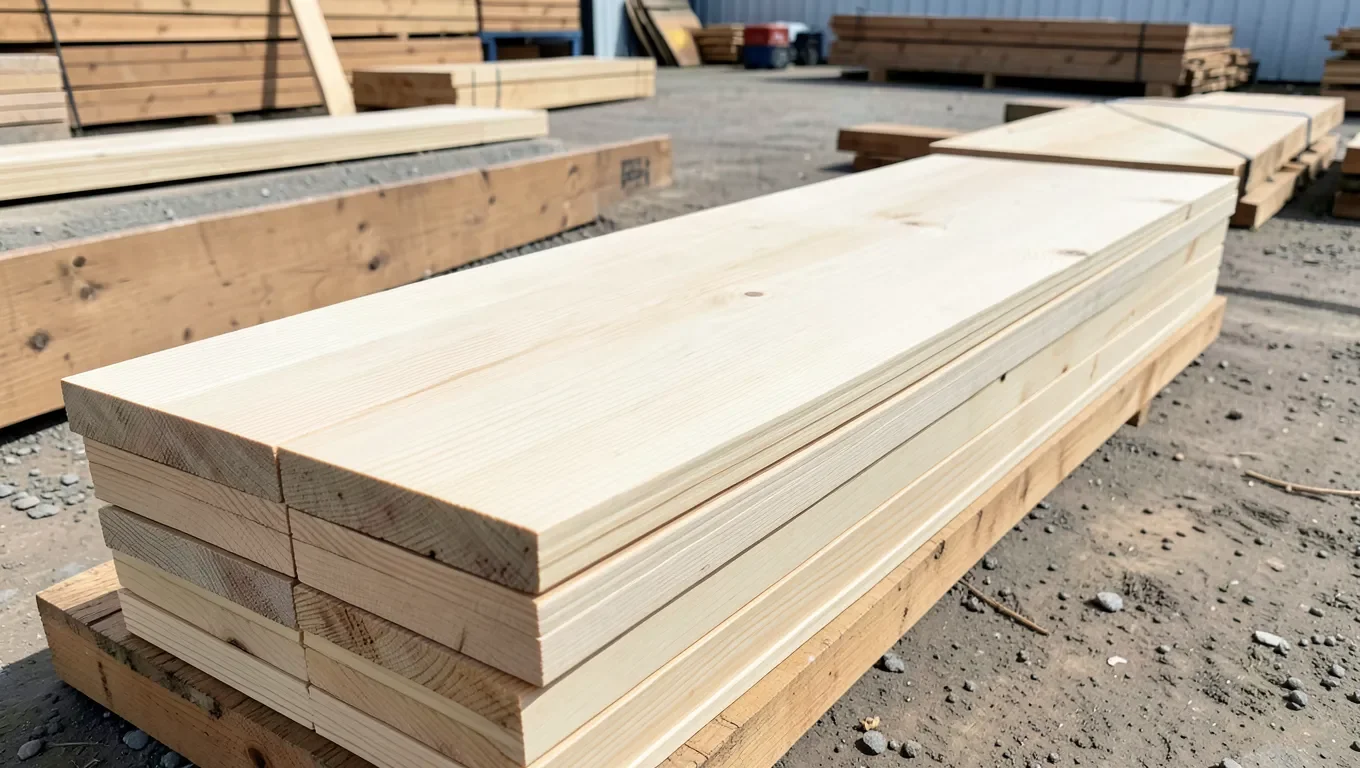
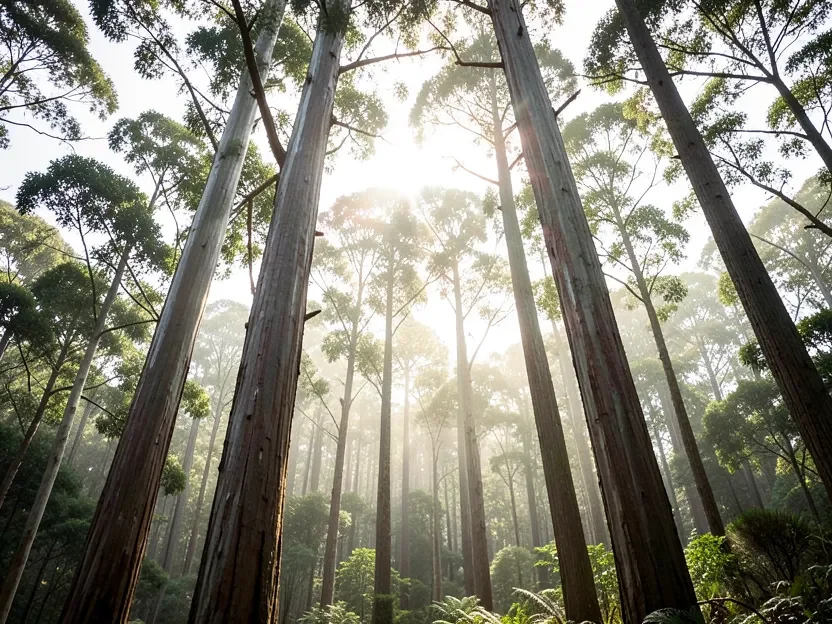
Mountain Ash is the common name for Eucalyptus regnans, a hardwood tree native to the cool, high-rainfall forests of Victoria and Tasmania in southeastern Australia. It’s one of the tallest flowering plant species ever measured – a specimen in Tasmania has been recorded at just over 100 meters (about 330 feet), rivaling coast redwoods for height, though redwoods are conifers, not flowering plants. The timber cut from these trees is pale blonde to straw-colored, fine and mostly straight-grained, and is sold in Australia under several regional trade names, most commonly Vic Ash (Victorian Ash) and Tasmanian Oak.
Best Sealer For Mountain Ash Timber Outdoors
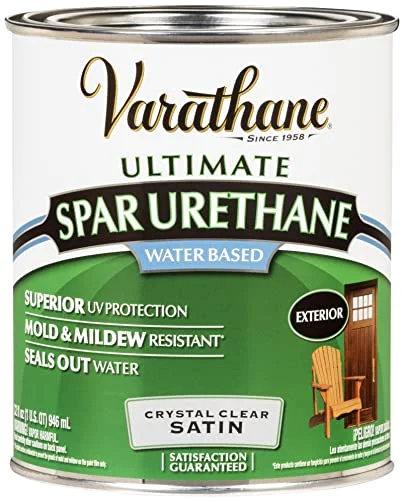 |
Varathane Ultimate Spar Urethane, Quart, Satin – $30.28 Mountain ash timber has a low natural durability rating (more on that below), so any piece used outdoors needs a real UV-and-moisture-blocking topcoat like this one.
|
Genetically, eucalypts and true ashes (the genus Fraxinus) aren’t even in the same plant family – the resemblance early settlers saw was in the pale, straight-grained look of the milled wood, not the tree itself. If you’ve handled American white ash and pick up a board of mountain ash timber expecting the same open, ring-porous grain, the difference is obvious immediately: mountain ash has the tighter, finer grain typical of eucalyptus hardwoods.
Species and Botanical Profile
Mountain Ash belongs to the genus Eucalyptus, native to the wet, high-altitude forests of Victoria and Tasmania. It’s a fast grower for a tree that reaches such extreme heights – young trees can add several meters a year – and mature specimens typically live 300 to 400 years, developing tall, straight, branch-free trunks with smooth, fibrous bark that sheds in long ribbons. The narrow, hanging leaves form a dense canopy that provides habitat for a range of Australian wildlife, including species found nowhere else, like Leadbeater’s possum, which depends on old-growth mountain ash forest hollows.
Janka Hardness, Density, and Mechanical Properties
Mountain ash timber tests at roughly 4.9 to 5.5 kN on the Janka hardness scale used in Australia and New Zealand – a kilonewton (kN) rating, not the pounds-force (lbf) figure most U.S. lumber charts use. Converted, that puts it in the same performance range as American red oak: hard enough for everyday flooring and furniture, but noticeably softer than jarrah or spotted gum, two denser Australian hardwoods. Dry density runs around 650 to 680 kg/m³ (roughly 41 to 42 lb/ft³), with a modulus of rupture near 110 MPa.
For comparison, American white ash (the true ash, Fraxinus americana) rates around 1,320 lbf (about 5.9 kN) on the same Janka scale – slightly harder than mountain ash, but the bigger practical difference is grain structure, not hardness. American ash’s open, ring-porous grain is what gives it the shock resistance prized in tool handles and bats; mountain ash’s tight, diffuse-porous eucalyptus grain doesn’t have that same shock-absorbing structure, so it isn’t used for the same striking-tool applications.
Weather Resistance: The Durability Myth Worth Correcting
Here’s a correction worth making clearly: mountain ash timber is rated Durability Class 4 under the Australian timber standard – the lowest of the four natural durability classes, meaning it has little inherent resistance to rot, fungal decay, or termite attack when used outdoors untreated. That’s the opposite of what older buying guides on this exact wood sometimes claim. Mountain ash is a strong, stable choice for indoor furniture, cabinetry, and flooring, but it is not a naturally weather-resistant species the way teak, cedar, or ipe are, and it should not be treated as termite-proof for any outdoor application.
If you’re using mountain ash timber anywhere it will see sun, rain, or ground contact – decking, outdoor furniture, exterior trim – it needs a real sealing and recoating schedule with a UV-rated exterior finish (see the pick above), and even then it won’t match a naturally durable species over the long term outdoors.
Where Mountain Ash Timber Is Actually Used
Inside Australia, mountain ash is a mainstream construction and furniture timber. It shows up most often in:
- Structural framing – its strength-to-weight ratio makes it a common choice for house framing in Victoria and Tasmania
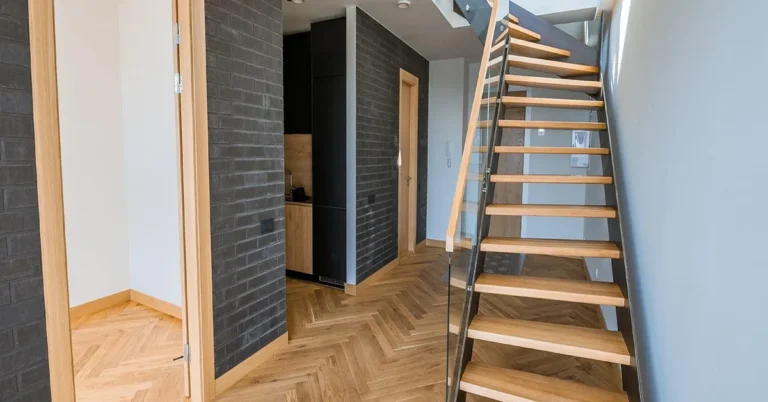
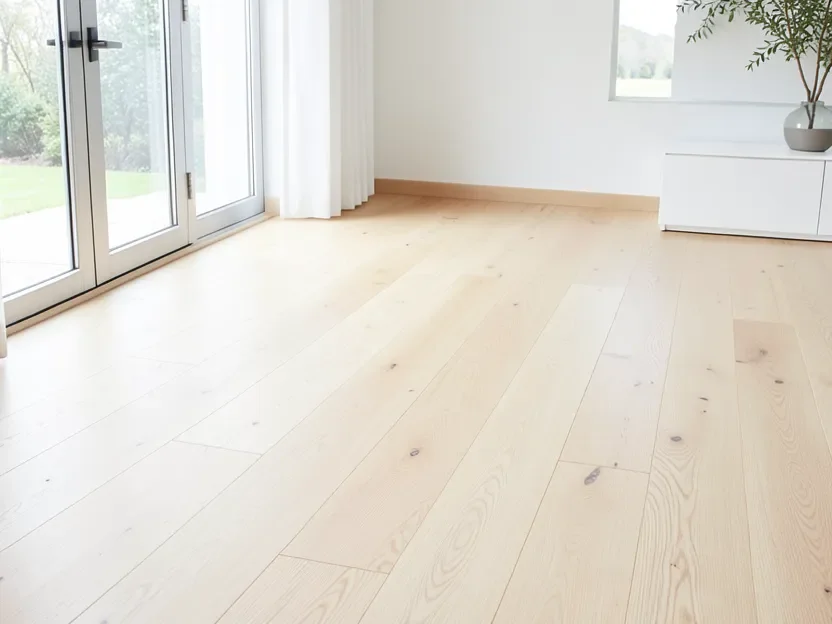
- Flooring – the pale, even tone and medium hardness make it a popular alternative to oak flooring in Australian homes
- Furniture and cabinetry – tables, chairs, and joinery where a light, consistent color is wanted; it takes mortise-and-tenon and dovetail joinery well
- Interior mouldings, doors, and window frames – it takes both paint and clear finish evenly
- Plywood and veneer – rotary-cut mountain ash veneer is common on furniture-grade plywood sold in Australia and New Zealand
Buying Mountain Ash Timber in the US
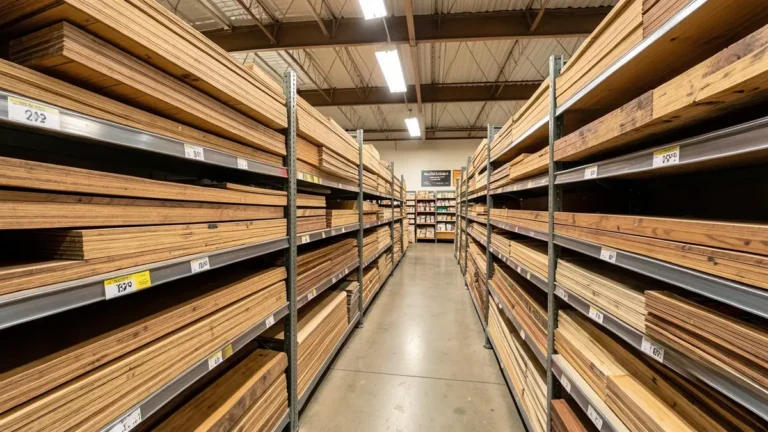
Worth being honest about: mountain ash timber isn’t a species most U.S. hardwood dealers stock as raw lumber, since it’s grown commercially in Victoria and Tasmania, not North America. If you’re outside Australia, you’re far more likely to come across it as pre-finished flooring or veneer through a specialty Australian-hardwood importer, and often under its trade names rather than “mountain ash” – look for Vic Ash, Victorian Ash, or Tasmanian Oak on the product label, since millers group Mountain Ash (E. regnans) together with two related eucalypts under those same trade names. Our Vic Ash buying guide covers sourcing and grading for the timber you’ll actually find listed for sale.
Working With Mountain Ash: Tools and Finishing
Mountain ash machines cleanly with sharp tools, planing, routing, and sanding to a crisp finish without excessive tear-out, though occasional interlocked grain can chip if you plane against the grain direction. It holds screws and glue joints well. Because it’s a diffuse-porous eucalyptus rather than a ring-porous species like true ash or oak, it doesn’t need a grain filler to get a smooth, closed finish – it absorbs both oil-based and water-based finishes evenly, and a clear topcoat brings out the grain without darkening the pale color much. One practical note: gum veins and occasional internal checking show up in mountain ash from time to time, a trait common to fast-growing eucalypts, so it’s worth inspecting boards before committing them to a visible face like a tabletop.
Frequently Asked Questions
Is Mountain Ash Good Timber?
Yes, for indoor use. Mountain ash timber is strong, stable, and easy to work with, and it’s a well-established choice for furniture, cabinetry, and flooring in Australia. It’s rated Durability Class 4, though, so it isn’t naturally suited to outdoor or ground-contact use without a proper sealing schedule.
What Is Mountain Ash Timber Used For?
Mountain ash timber is used for structural framing, flooring, furniture, cabinetry, interior mouldings, and plywood veneer – almost entirely indoor or protected applications, since it isn’t naturally weather-resistant.
Is Mountain Ash the Same as Tasmanian Oak?
Often, yes. Tasmanian Oak is a trade name that covers mountain ash (Eucalyptus regnans) along with two related eucalypts, E. delegatensis and E. obliqua, when milled to that grading standard. It’s a regional marketing distinction more than a botanical one – a board sold as Tasmanian Oak may literally be mountain ash timber.
Is Mountain Ash the Same as American Ash?
No. Mountain ash (Eucalyptus regnans) is an Australian eucalyptus, unrelated to American ash (Fraxinus americana), which is a North American hardwood in a completely different plant family. They share a common name by coincidence, not botany. See our Ash Wood Lumber guide if you’re looking for the North American species.
Conclusion
Mountain ash timber is a real, distinct hardwood – Eucalyptus regnans, one of the tallest flowering trees on Earth – not a regional name for American ash. It’s a solid, workable choice for indoor furniture, cabinetry, and flooring, with Janka hardness and density comparable to red oak. The one thing to get right before using it: its Durability Class 4 rating means it needs a real UV-rated finish and a recoating schedule for any outdoor use, not just a coincidence of a name that suggests otherwise.
Sponsored / affiliate links. As an Amazon Associate I earn from qualifying purchases. I may earn additional commission from eligible campaigns.