Dull Hardwood Floors After Cleaning? Blame Residue, Not Dirt
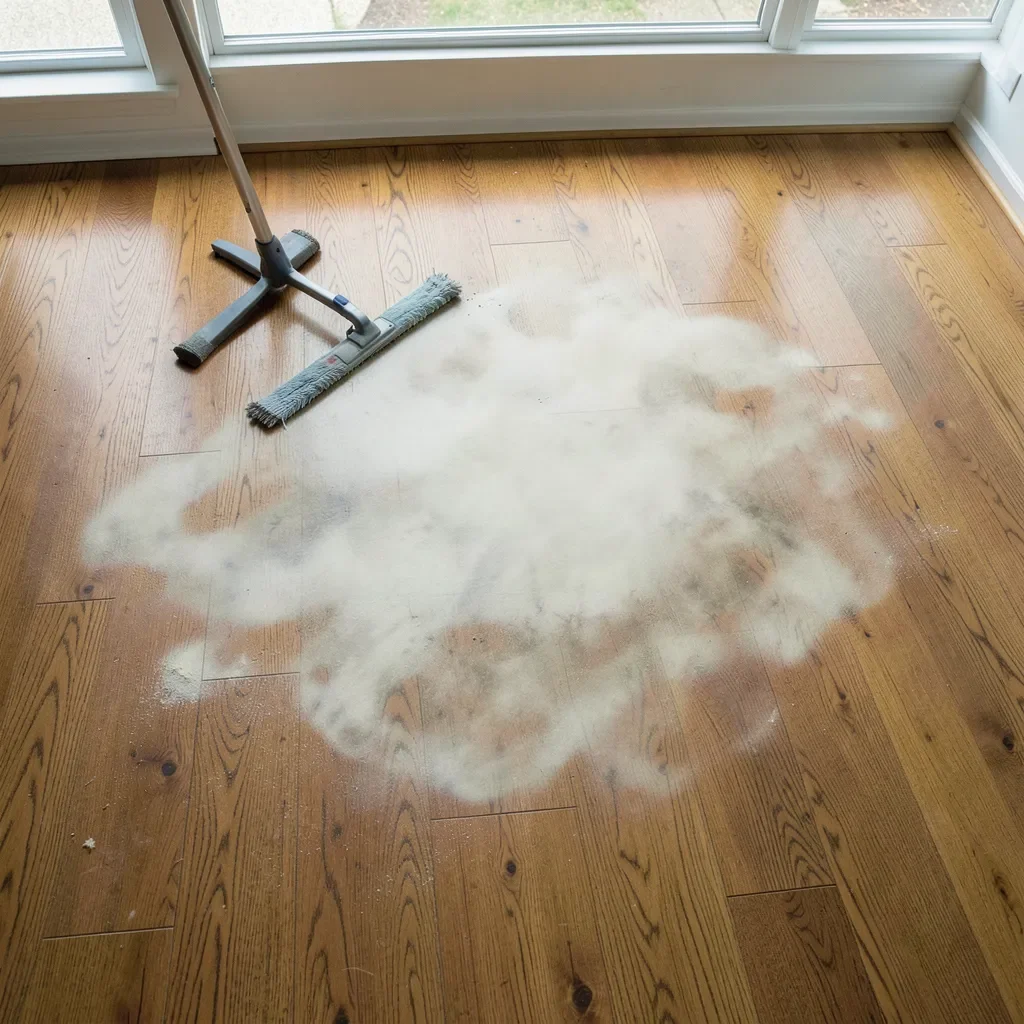
A hazy or streaky film after mopping almost always means leftover cleaner residue, not dirt — most all-purpose or “multi-surface” cleaners leave a sticky layer on hardwood that dust then clings to, dulling the shine within a day.
Excess water, the wrong finish-stripping chemical, or hard tap water full of minerals can cause the same cloudy look, and each has a different fix. This guide covers why residue builds up, which cleaning products actually work on sealed hardwood, and how to get the shine back without refinishing.
Common Causes Of Dull Floors
Best Hardwood Floor Cleaner Pick
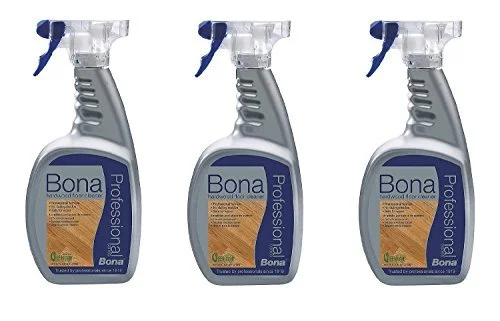 |
Bona Hardwood Floor Cleaner, 32 oz Spray – $27.80 This is the pH-neutral, residue-free cleaner this guide recommends — it’s formulated specifically to avoid the sticky film buildup that causes the dull, hazy look after mopping.
|
Most dullness traces back to one of three habits: using more cleaner than the label calls for, skipping regular dust removal, or mopping with too much water.
- Cleaner residue: Multi-surface sprays and dish-soap solutions leave a sticky film that dulls the finish and attracts more dust — use a cleaner formulated for hardwood instead, at the diluted strength the label specifies.
- Dust and grit buildup: Unswept grit acts like sandpaper underfoot, creating thousands of micro-scratches that scatter light instead of reflecting it. A quick sweep or vacuum before wet-mopping prevents this.
- Too much water: A soaking-wet mop pushes moisture into the seams between boards and into the finish itself. Use a mop wrung out until it’s barely damp, not dripping.
Hard Water And Mineral Deposits
An often-overlooked cause: if your tap water is hard, the minerals in it (calcium and magnesium) stay behind on the floor as the water evaporates, leaving the same kind of cloudy, matte film as leftover soap — even if you used the correct hardwood cleaner. This is easy to mistake for a cleaner problem when it’s actually a water problem.
If your floors go dull specifically in areas you mop with tap water but stay clear where you only dust, hard water is the likely culprit. Switching to distilled or filtered water for the final pass, or using a cleaner designed to bind mineral ions, usually clears it up within one or two cleanings.
Choosing The Right Cleaning Products
Harsh chemicals — ammonia, bleach, or anything with a strong acid — strip the finish’s natural sheen and can etch it permanently. Steam mops are a common culprit too: the heat and moisture can cloud a polyurethane finish even when used “correctly.”
Stick to a pH-neutral cleaner made specifically for hardwood (see the pick above). If you’d rather mix your own, a capful of white vinegar in a gallon of water works in a pinch on polyurethane-finished floors, but skip vinegar entirely on wax or oil-finished floors — the acid breaks down those finishes over time.
Proper Cleaning Techniques
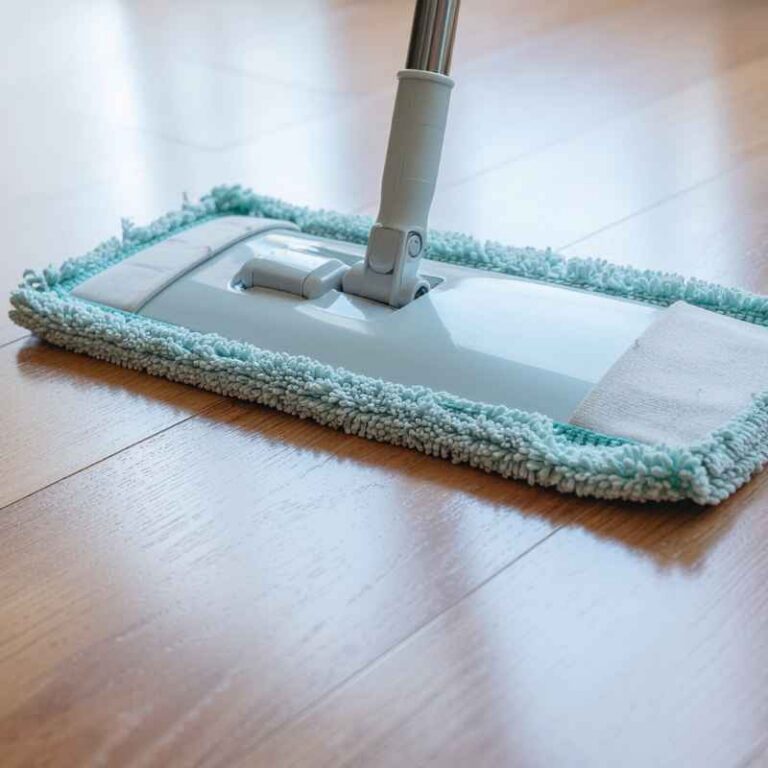
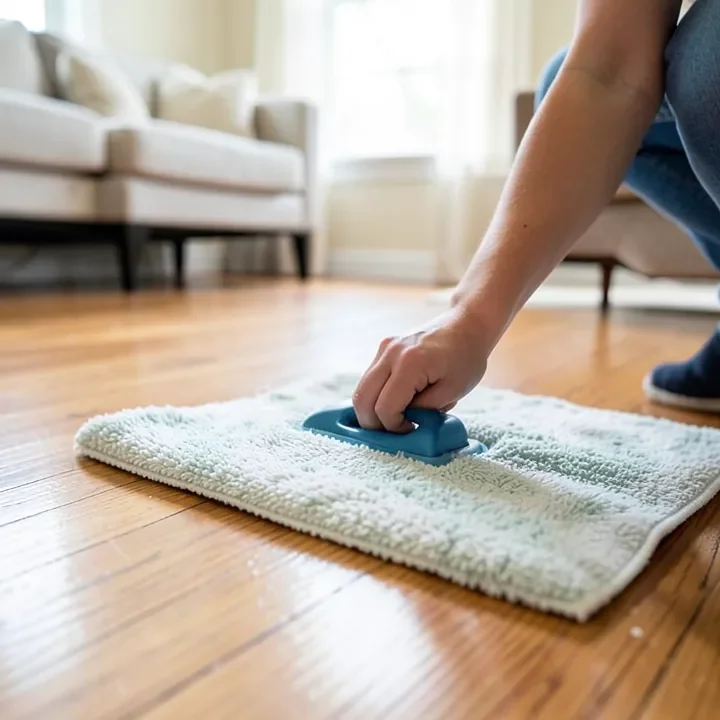
A microfiber mop head holds dirt without grinding it into the finish and uses far less water than a string mop. Wring it until it stops dripping before it ever touches the floor.
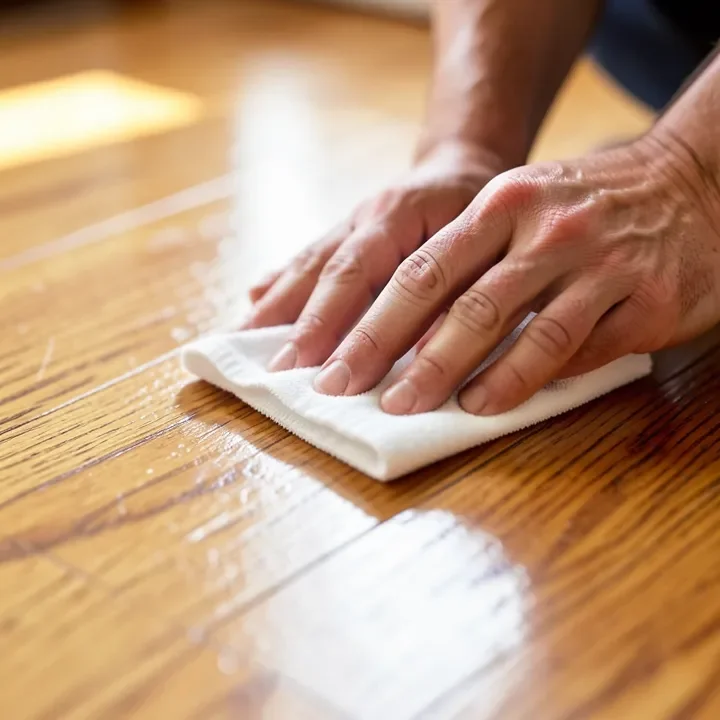
If you clean with any soap-based product, go over the floor a second time with a mop dampened in plain water — this rinse step is what most dull-floor complaints skip. Finish by drying with a soft towel or dry microfiber pad; letting a floor air-dry gives water more time to seep into the seams.
Regular Maintenance Tips
Grit does most of the damage between cleanings, not during them. A quick sweep or vacuum every few days keeps dust from scratching the surface into a permanently duller texture.
- Place walk-off mats at every entry door to trap grit before it reaches the floor.
- Add felt pads under furniture legs — bare feet, not shoes, cause far less finish wear.
- Apply a hardwood-specific polish every few months to renew the surface sheen between deep cleans.
Addressing Persistent Issues
If a proper pH-neutral cleaning and a clean-water rinse don’t restore the shine, the dullness is probably below the surface — either heavy residue buildup from months of the wrong cleaner, or the finish itself has worn through in high-traffic areas.
A professional deep clean or a light screen-and-recoat (light sanding plus a fresh topcoat, without removing the floor down to bare wood) can often fix residue buildup without a full refinish. Full sanding and refinishing is only necessary when you see actual wear-through — bare wood showing color changes, or water stains that don’t lift with cleaning.
Preventive Measures For Long-lasting Shine
Prevention comes down to keeping grit and excess moisture off the floor in the first place, rather than fixing dullness after it sets in.
Using Rugs And Mats
Non-slip entryway mats trap the bulk of outdoor grit before it ever reaches the hardwood. Wash them regularly — a dirt-saturated mat just transfers grit to the floor instead of stopping it.
Controlling Indoor Humidity
Wood expands and contracts with humidity swings, and a finish under that stress dulls faster. Keep indoor humidity between 35% and 55% with a dehumidifier in damp months, and ventilate bathrooms and kitchens where moisture concentrates.
Regular Inspections
Check high-traffic areas and corners every few weeks for early scratches or dull patches. Catching a worn spot early means a spot polish instead of a full refinish later. For a full room-by-room maintenance routine, see our complete hardwood floor care guide.
Frequently Asked Questions
How Do I Get My Dull Hardwood Floors To Shine Again?
Clean with a pH-neutral hardwood cleaner, rinse with a barely-damp mop of plain water to remove any residue, then dry immediately with a soft towel. If the shine still looks flat, apply a hardwood-specific polish and buff it in — most dullness clears after one thorough cleaning cycle.
How To Get Rid Of Cloudy Floor After Mopping?
Go over the floor again with a clean, barely-damp mop and plain water to lift the residue causing the cloudiness, then dry it right away. If the cloudiness returns only in areas mopped with tap water, switch to distilled water — hard-water minerals cause the same hazy look as soap residue.
What Should You Not Clean Hardwood Floors With?
Avoid ammonia, bleach, vinegar on wax or oil-finished floors, steam mops, and any “multi-surface” cleaner not labeled safe for hardwood. These strip or cloud the finish rather than just cleaning the surface. Stick to a pH-balanced cleaner made specifically for hardwood.
Why Do Floors Look Dull Right After Cleaning Instead Of Building Up Slowly?
Because the residue causing it — leftover soap, mineral deposits, or too much water — is applied all at once during that cleaning, not accumulated over weeks like dust. If a floor looked shiny before you cleaned it and dull right after, the cleaning method itself is the cause, not a maintenance gap.
Conclusion
Dullness right after cleaning is almost never a sign your floors need refinishing — it’s usually leftover residue from the wrong cleaner, too much water, or hard tap water minerals. A pH-neutral hardwood cleaner, a plain-water rinse pass, and a thorough dry-off resolve most cases in a single cleaning session. Save refinishing for when you actually see worn-through finish or stains that don’t lift.
Sponsored / affiliate links. As an Amazon Associate I earn from qualifying purchases. I may earn additional commission from eligible campaigns.