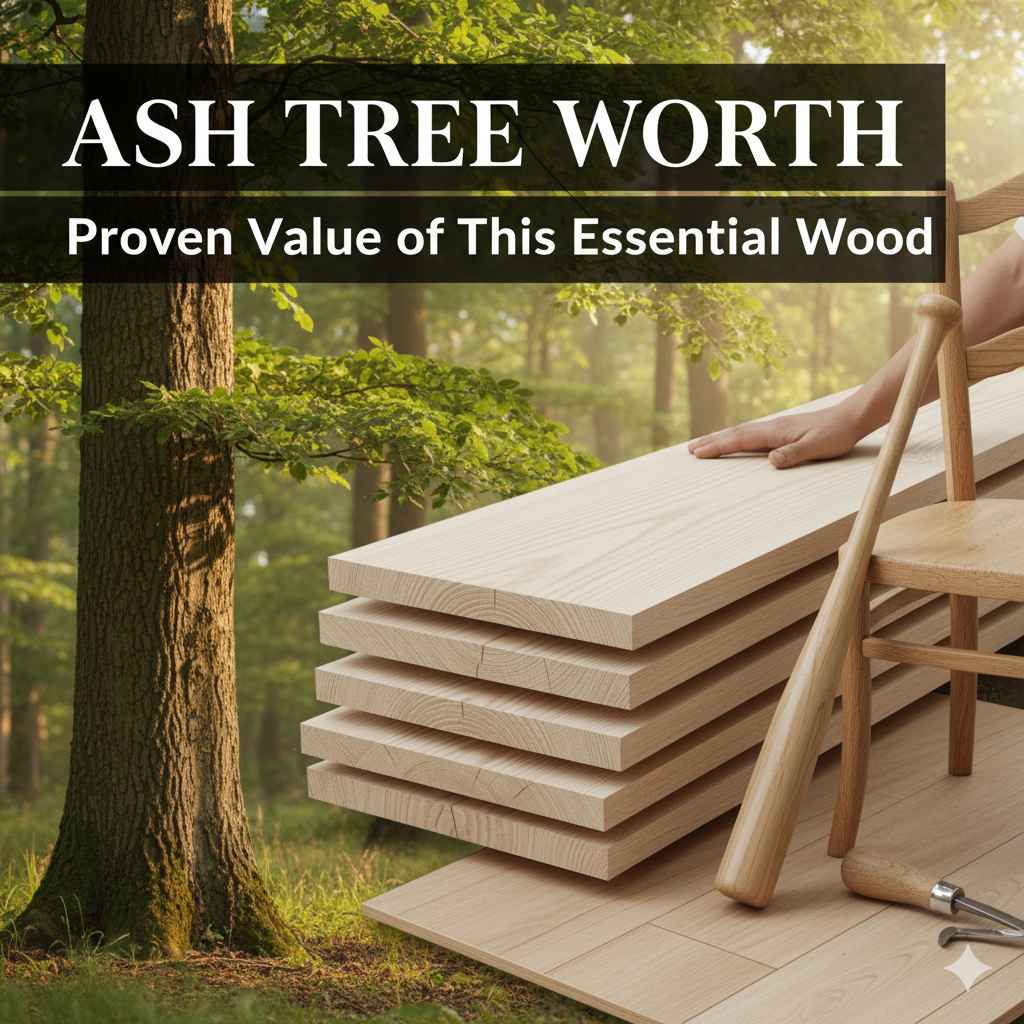
Ash Tree Worth: Proven Value of This Essential Wood
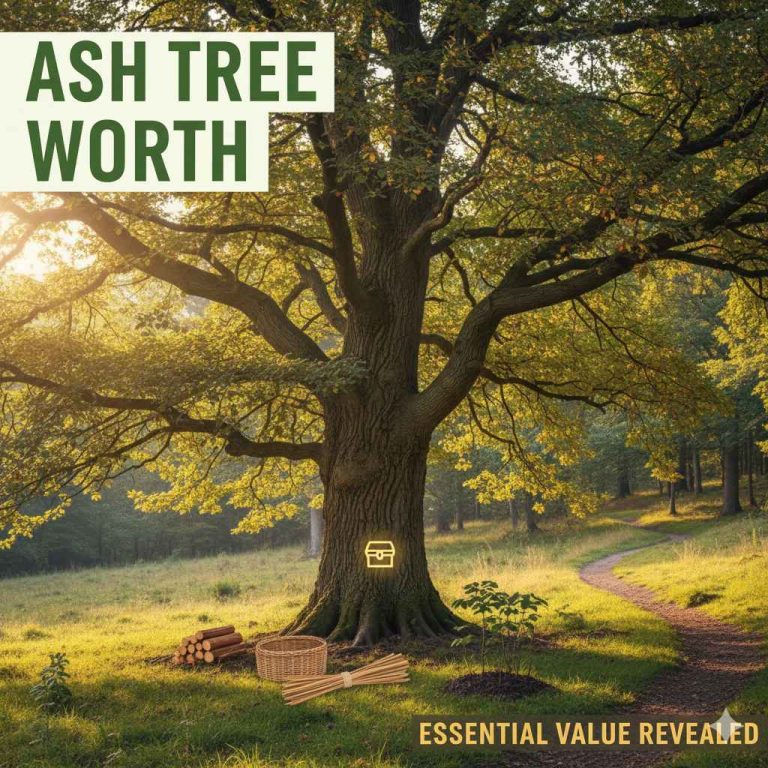
Ash tree worth is significant, offering exceptional strength, shock resistance, and attractive grain, making it a valuable choice for furniture, tool handles, sports equipment, and even musical instruments due to its durability and workability.
Ever wondered about the value of that ash tree in your yard or what makes certain woods so sought after? Many beginner woodworkers find themselves facing a pile of lumber or a tree that needs felling, and the question of its worth naturally pops up. It can be confusing to know which wood is best for which project, especially when you’re just starting out. You want to create something beautiful and lasting, but you need to be sure the material you choose will hold up. Don’t worry! We’re going to break down the incredible value of ash wood, from its practical uses to why it’s a favorite among crafters. You’ll soon see why ash is such an essential and treasured wood.
The Undeniable Value of Ash Wood
Ash wood might not always steal the spotlight like oak or maple, but its unique combination of properties makes it incredibly valuable for a wide range of applications. Think of it as the dependable workhorse of the timber world. It’s strong, resilient, and has a beautiful, natural appeal that makes whatever you build look fantastic. For beginners, understanding ash is like finding a secret weapon in your woodworking journey. It’s forgiving, works well with tools, and the results are consistently impressive.
Md Meraj, your woodworking mentor here, has spent countless hours with ash, and I can tell you firsthand: it’s a joy to work with and a material that truly adds value to any project. Whether you’re dreaming of building sturdy furniture, crafting reliable tool handles, or even making that perfect baseball bat, ash has a proven track record.
What Makes Ash Wood So Special?
Ash trees (genus Fraxinus) are known for a few key characteristics that translate directly into wood value:
- Strength and Durability: Ash boasts excellent tensile strength and stiffness. This means it can withstand a lot of force and pressure without breaking or deforming.
- Shock Resistance: This is where ash really shines! It’s incredibly good at absorbing impact, making it perfect for items that get a beating.
- Attractive Grain: Ash wood typically has a straight, pronounced grain pattern that can range from a creamy white to a light brown, sometimes with grey or reddish hues. This grain looks fantastic when finished, adding a natural beauty to projects.
- Workability: Good news for beginners! Ash is relatively easy to work with both hand tools and power tools. It cuts, shapes, sands, and finishes nicely.
- Bending Properties: Ash bends well when steamed, which is a huge plus for creating curved furniture pieces or parts.
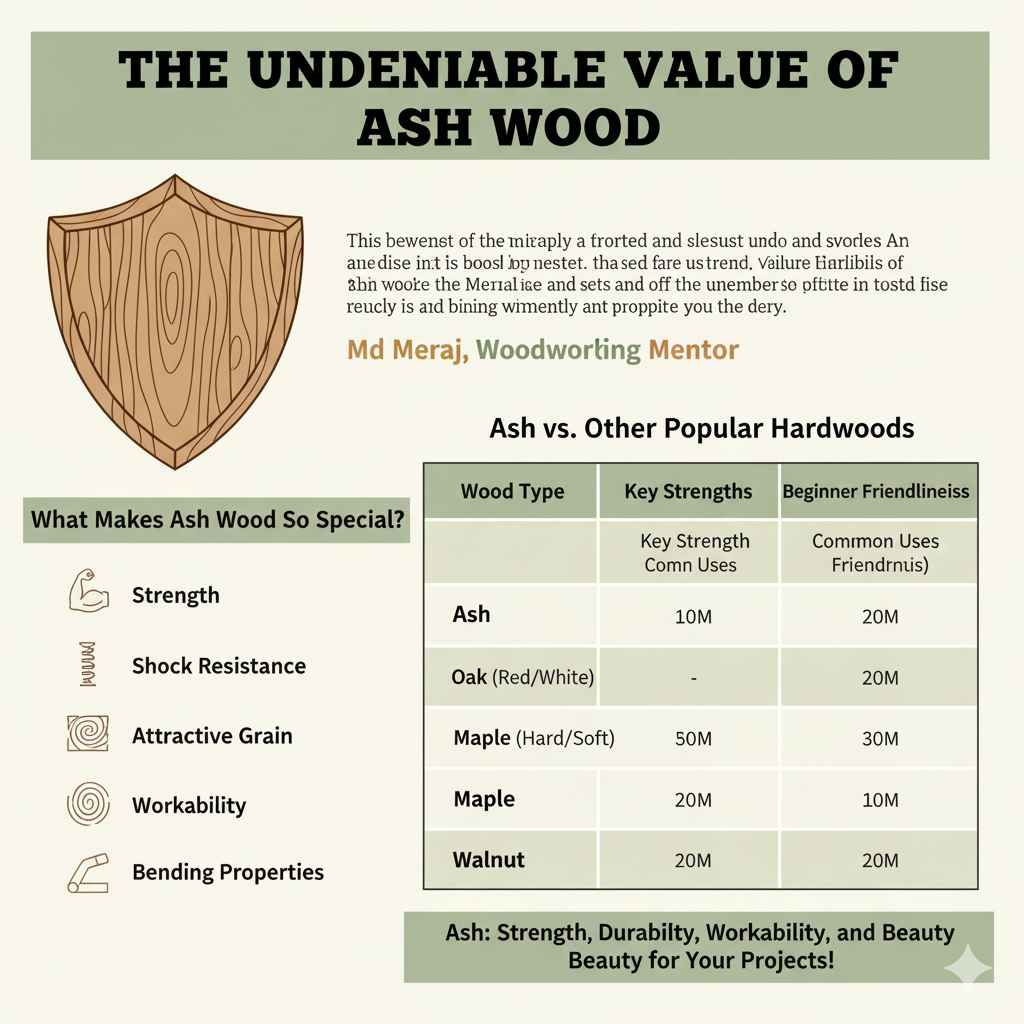
Ash vs. Other Popular Hardwoods
It’s always helpful to see how ash stacks up against some other common hardwoods you might encounter. This comparison can help you decide when ash is the best choice for your specific needs.
| Wood Type | Key Strengths | Common Uses | Beginner Friendliness |
|---|---|---|---|
| Ash | Excellent strength, high shock resistance, good bending ability, attractive grain. | Furniture, tool handles, athletic equipment (bats, rackets), cabinetry, flooring, musical instruments. | Very good; machines and finishes well. |
| Oak (Red/White) | Very strong, durable, resistant to decay (especially white oak), prominent grain. | Furniture, flooring, cabinetry, barrels, boat building. | Good; can be slightly harder to work than ash, open grain requires filling for smooth finishes. |
| Maple (Hard/Soft) | Hard, dense, strong, smooth texture, light color. | Furniture, cabinetry, flooring, butcher blocks, musical instruments (necks/fingerboards). | Good; can dull tools faster due to hardness, finishes very smoothly. |
| Walnut | Rich dark color, beautiful grain, good strength, easy to work. | High-end furniture, cabinetry, gunstocks, decorative items. | Very good; one of the easiest hardwoods to work with. |
As you can see, ash offers a fantastic balance of strength, durability, and workability, often at a more accessible price point than some other premium hardwoods. This makes it a truly valuable wood for DIYers and home builders.
Proven Uses of Ash Wood: Where Its Value Shines
The characteristics of ash wood make it exceptionally suited for specific applications. When you see ash used in certain items, you’re looking at a material chosen for its proven performance and longevity.
1. Tool Handles: The Backbone of Durability
This is perhaps where ash wood proves its worth most consistently. Think about tools like hammers, axes, shovels, and even baseball bats. These items are designed to withstand repeated impacts and stress. Ash’s ability to absorb shock without splintering or breaking makes it the ideal material for handles. A well-made ash handle feels good in the hand, provides a comfortable grip, and, most importantly, won’t fail you when you need it most.
For a beginner looking for a project, even simple turned tool handles can demonstrate the value of ash. The wood’s strength ensures the handle won’t snap, and its smooth grain offers a pleasant feel.
2. Furniture Making: Strength Meets Style
Ash is a fantastic choice for furniture, especially pieces that need to be sturdy and long-lasting. Its strength means that legs, aprons, and tabletops made from ash can handle daily use without issue. The attractive linear grain pattern adds visual appeal, and it takes stains and finishes beautifully, allowing you to customize the look of your furniture.
Consider making simple chairs, tables, or even shelving units. Ash’s natural resilience means your creations will be robust and welcoming for years to come. Websites like Woodworking Network often highlight ash’s suitability for furniture due to its excellent properties and availability.
3. Sports and Athletic Equipment: Built for Performance
The same properties that make ash great for tool handles — its strength, shock absorption, and slight flexibility — also make it a top choice for sporting goods. Traditional baseball bats were famously made from ash because they could withstand the powerful impact of a hit and had a pleasing “feel” for the batter. Ash is also used in items like tennis rackets (historically), oars, and even bowling pins.
For a DIY enthusiast, understanding this application shows the extreme demands placed on ash wood and how it consistently delivers. Building a simple piece of garden equipment or even trying your hand at a wooden toy can showcase ash’s resilience.
4. Musical Instruments: Tone and Responsiveness
Beyond brute strength, ash possesses acoustic qualities that musicians and instrument makers appreciate. Its resonant properties and relatively consistent density contribute to the tone and sustain of certain instruments. Ash is commonly used for the bodies of electric guitars and basses, as well as for drum shells. The wood’s ability to be shaped and finished also allows for stunning visual designs.
While building a guitar might be an advanced project, understanding why ash is chosen for these fine instruments speaks volumes about its quality and versatility.
5. Flooring and Cabinetry: Everyday Durability
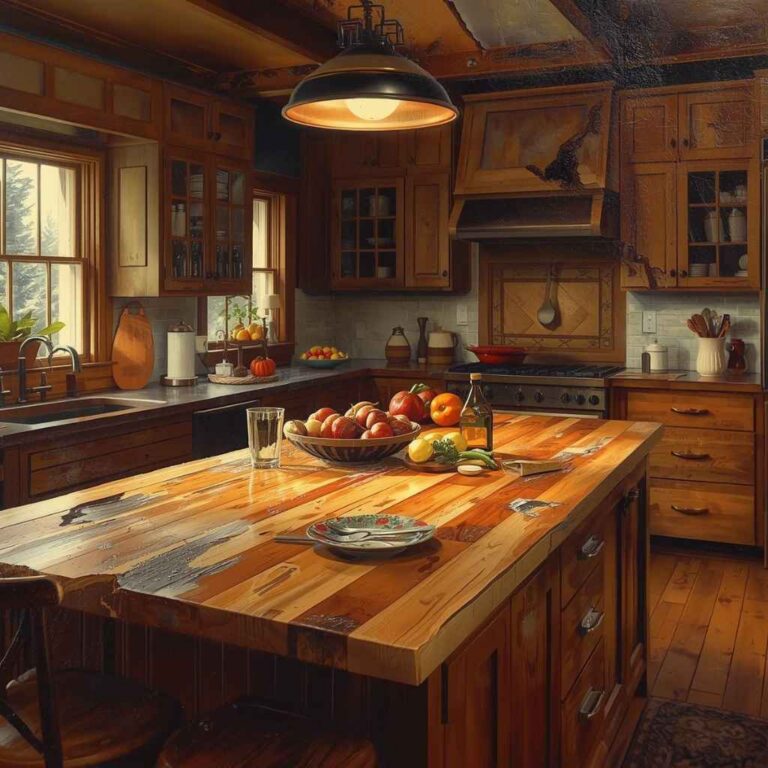
In homes, ash flooring is valued for its durability and attractive grain, often seen as an alternative to oak. It holds up well to foot traffic, and its lighter color can brighten up interior spaces. Similarly, ash cabinetry offers a sturdy and visually pleasing option for kitchens and bathrooms, providing a solid foundation for everyday use.
For homeowners considering renovations or DIY upgrades, knowing that ash is a durable and beautiful choice for floors and cabinets confirms its intrinsic value in a home.
Working with Ash Wood: Tips for Beginners
Now that you know why ash is valuable, let’s talk about how to work with it. For beginners, ash is a fantastic wood to learn on because it’s forgiving and doesn’t require specialized tools.
Getting Started with Ash
You can source ash lumber from local sawmills, lumber yards, or even find fallen ash trees (with permission, of course!). Look for pieces that are straight-grained and free from excessive knots or defects. Kiln-dried lumber is generally preferred for stability.
Cutting and Shaping Ash
Ash cuts well with most saws, including table saws, miter saws, and jigsaws. Ensure your blades are sharp to get clean cuts. For shaping, routers and planers work effectively. Because ash can sometimes have interlocked grain, taking shallow passes and using sharp bits will prevent tear-out. A standard carbide-tipped blade is recommended for cutting ash.
Sanding Ash
Ash sands to a beautifully smooth finish. Start with a coarser grit sandpaper (like 80 or 100 grit) to remove any mill marks or imperfections. Gradually move to finer grits (150, 220, and even higher) for a silky-smooth surface ready for finishing. Be sure to sand progressively through the grits for the best results.
Finishing Ash
Ash takes finishes wonderfully. Its open grain can be filled for a perfectly smooth surface, or you can embrace the grain texture. Stains can be applied to enhance its natural color or to achieve a different look. Oil-based polyurethane, water-based polyurethanes, or even simple oil finishes like tung oil or linseed oil work well. Always test your finish on a scrap piece first!
The Wood Magazine offers excellent guides on sanding and finishing techniques that are applicable to ash.
Safety First!
As always, safety is paramount. Always wear safety glasses when cutting or sanding. Use hearing protection when operating loud machinery and a dust mask to avoid inhaling wood dust, especially when sanding. Ensure you have a stable work surface and understand how to safely operate your tools.
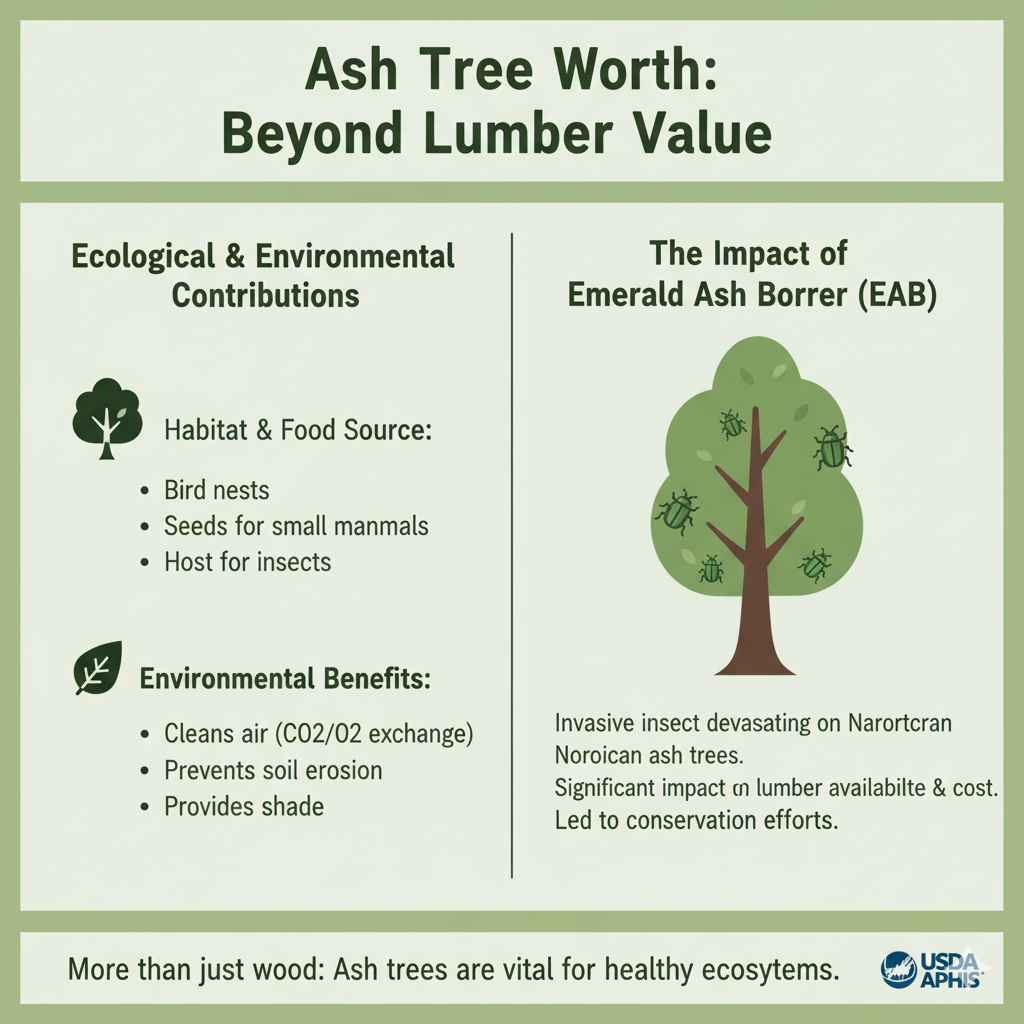
Ash Tree Worth: Beyond Lumber Value
The value of an ash tree extends beyond just the lumber it yields. While its wood is highly prized, the tree itself plays a vital role in ecosystems.
Ecological Contributions
Ash trees provide habitat and food for a variety of wildlife. Their seeds are eaten by birds and small mammals, and their branches offer nesting sites. They are also important host trees for many insect species, which in turn support bird populations.
Benefits to the Environment
Like all trees, ash trees contribute to cleaner air by absorbing carbon dioxide and releasing oxygen. They help prevent soil erosion with their root systems and can provide valuable shade, reducing cooling costs for nearby structures.
The Impact of Emerald Ash Borer
Unfortunately, many ash trees in North America are facing a serious threat from the Emerald Ash Borer (EAB), an invasive insect that kills ash trees. This has significantly impacted the availability and cost of ash lumber in some regions and has led to increased efforts in ash conservation and management. Understanding this makes the availability of healthy ash lumber even more precious. For more information on this invasive species, the USDA Animal and Plant Health Inspection Service (APHIS) provides detailed resources.
This ecological context adds another layer to the “worth” of ash trees, highlighting their importance beyond their material value.
Frequently Asked Questions About Ash Wood
Here are some common questions beginners have about ash wood:
Q1: Is ash wood more expensive than oak?
Generally, ash is often comparable in price to red oak and can be slightly less expensive than white oak, depending on your region and the specific grade of lumber. It’s usually more affordable than premium woods like walnut or cherry.
Q2: Is ash wood good for outdoor projects?
While ash is strong, it’s not as naturally resistant to rot and decay as some other woods like cedar or redwood. For outdoor use, it’s crucial to seal and finish ash thoroughly with an exterior-grade product to protect it from moisture and insects. White ash has better decay resistance than green ash.
Q3: Can I use ash wood for my kitchen cabinets?
Absolutely! Ash is an excellent choice for kitchen cabinets. Its durability means it can withstand the daily wear and tear of a busy kitchen, and its attractive grain looks fantastic with various finishes, from natural light colors to dark stains.
Q4: Does ash wood splinter easily?
No, ash is known for its toughness and resistance to splitting. Its strong fibers absorb impact well, which is why it’s preferred for applications subject to shock, like tool handles and athletic equipment. While any wood can splinter under extreme force, ash is generally very resistant.
Q5: What is the difference between white ash and green ash wood?
White ash (Fraxinus americana) is generally stronger, denser, and has better shock resistance and decay resistance than green ash (Fraxinus pennsylvanica). White ash typically has a lighter, more uniform color. Both are valuable for woodworking, but white ash is often preferred for demanding applications.
Q6: Is ash a good wood for beginners to work with?
Yes, ash is an excellent wood for beginners! It’s relatively easy to cut, shape, sand, and finish. It doesn’t have the extreme hardness that can quickly dull tools (like some maples) or the tendency to split easily that some softer woods might have. The results you get from working with ash are usually very pleasing and rewarding.
Q7: Where can I find reliable information on wood types?
For reliable information on wood types, lumber grading, and woodworking techniques, I recommend consulting resources like the Forest Products Laboratory (FPL), which is part of the USDA Forest Service, or reputable woodworking magazines and websites such as Fine Woodworking and Wood Magazine. They offer a wealth of expert knowledge.
Conclusion: The Lasting Value of Ash Wood
Ash wood is a truly remarkable material, offering a potent blend of strength, resilience, and natural beauty that is hard to beat. From the sturdy handles of your favorite tools to the elegant lines of finely crafted furniture, ash consistently proves its worth through its performance and longevity.
For the beginner woodworker or DIY enthusiast, ash presents an approachable yet highly capable timber. It’s a wood that rewards careful craftsmanship with beautiful, functional results. Its workability means you can gain confidence without fighting your material, and its inherent durability ensures your projects will stand the test of time. Even with the challenges posed by invasive species like the Emerald Ash Borer, the value of healthy ash lumber remains incredibly high, making it a smart and sustainable choice for your next project.
So, the next time you encounter ash, whether it’s a standing tree or a stack of lumber, appreciate its proven worth. It’s a wood that embodies reliability and quiet strength, making it an essential part of any woodworker’s arsenal. Happy building!