Ash vs Walnut: Which Wood Fits Your Furniture Project
Walnut is the better pick for a rich, dark, low-glare heirloom-style piece; ash is the better pick when you need a lighter, harder wood that resists shock and takes stain evenly on a budget-friendly build. The two aren’t interchangeable once you look at the actual hardness numbers, which is where most comparisons stop short.
Both are incredibly popular choices, each with its own unique charm and characteristics. But which one is truly the best fit for your home and lifestyle? We’re going to dive deep into the world of these two beautiful woods. You’ll discover their distinct features, benefits, and even some surprising facts that might just sway your decision.
By the end, you’ll feel confident in choosing the right wood that reflects your style and meets your needs. Ready to uncover which wood will best complement your space? Let’s get started!
What Sets Ash and Walnut Apart
Best Finish Maintenance for Ash or Walnut Furniture
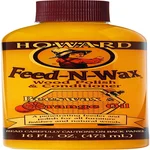 |
Howard Feed-N-Wax Wood Polish and Conditioner, 16 oz – $9.98 Both ash and walnut furniture benefit from periodic conditioning — this beeswax-and-orange-oil blend feeds the wood without the sticky buildup some silicone polishes cause.
|
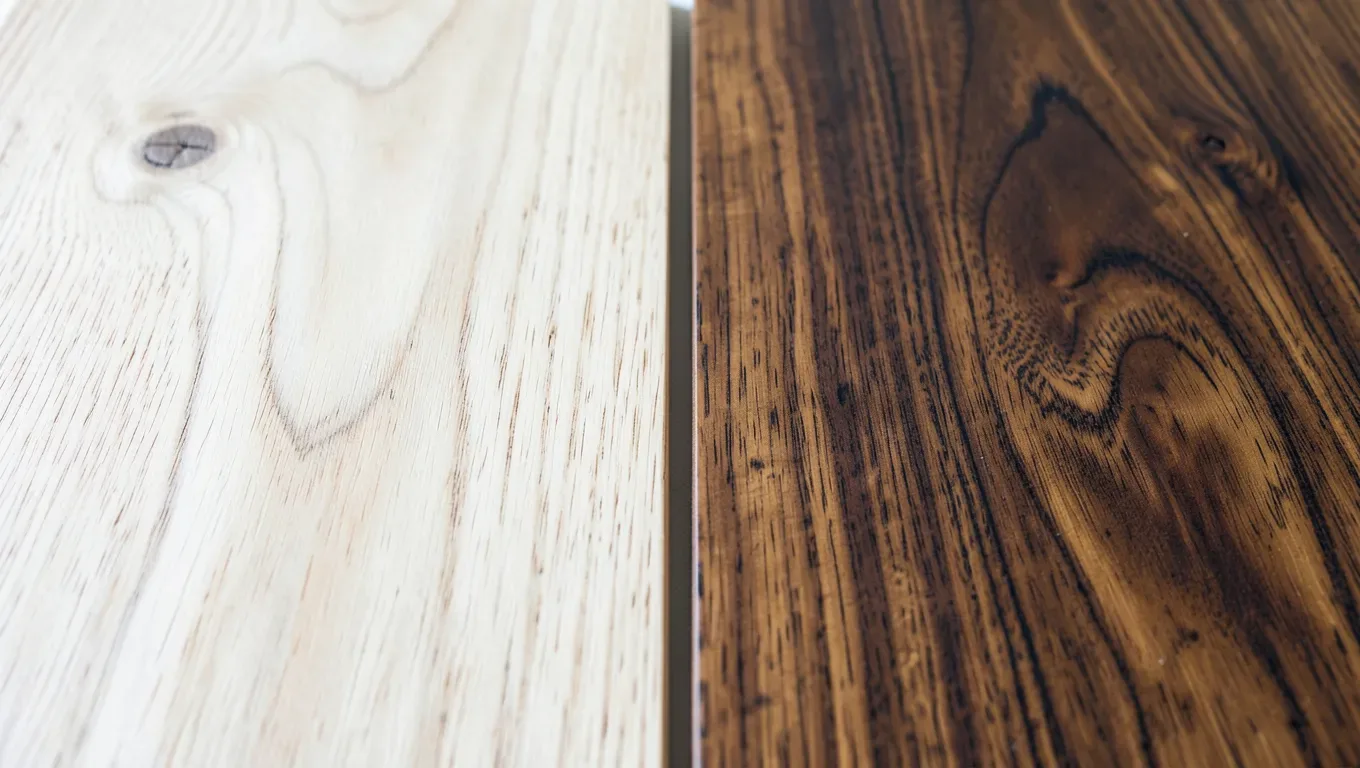
Ash wood is a ring-porous hardwood with a pale, creamy-to-light-brown color and a bold, open, straight grain that reads almost blonde next to walnut. That open grain is very visible once you look for it — ash has distinct early-wood/late-wood growth ring contrast, which is part of why it takes stain unevenly unless you use a pre-stain conditioner first; the porous early-wood bands soak up color faster than the denser late-wood bands, leading to blotching on an unconditioned board. Its real claim to fame, though, isn’t looks — it’s toughness, meaning its resistance to sudden shock loading rather than just surface hardness. That’s why ash, not a harder wood like maple, has been the traditional choice for baseball bats, axe handles, and oars: it flexes and absorbs an impact rather than snapping or splintering the way a more brittle hardwood would.
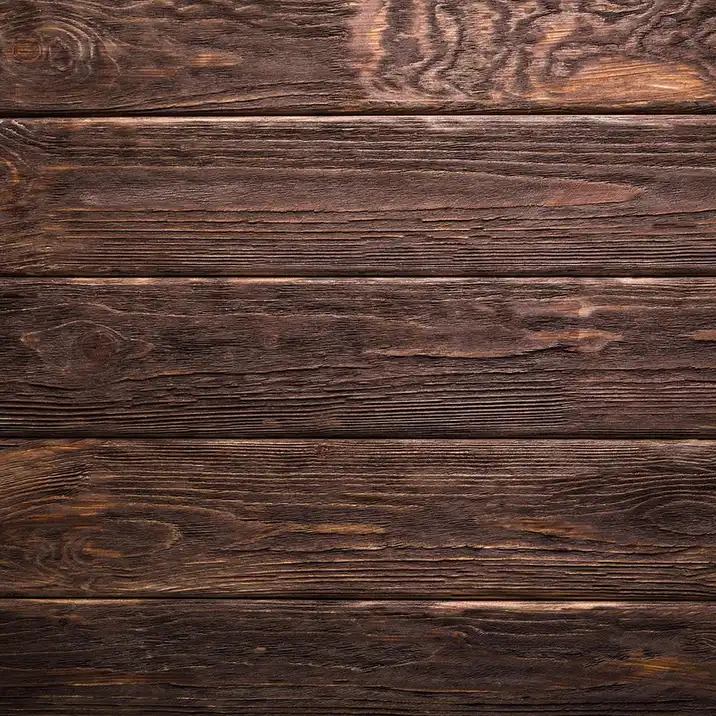
Black walnut (Juglans nigra) is the walnut species almost all American furniture and cabinetry uses, and it’s a diffuse-porous wood, which gives it a much finer, more even texture than ash’s ring-porous structure. Its heartwood runs a deep chocolate brown, sometimes with a faint purple or grayish cast, while the sapwood stays pale and cream-colored by contrast — which is why furniture-grade walnut boards are often steamed during milling, a process that draws the sapwood’s color closer to the heartwood for a more uniform look. Walnut’s fine, even pore structure is also why it’s the wood carvers and gunstock makers reach for when fine detail matters: it holds a crisp edge under a chisel or router bit far better than ash’s coarser, more porous structure does.
Comparing Aesthetics
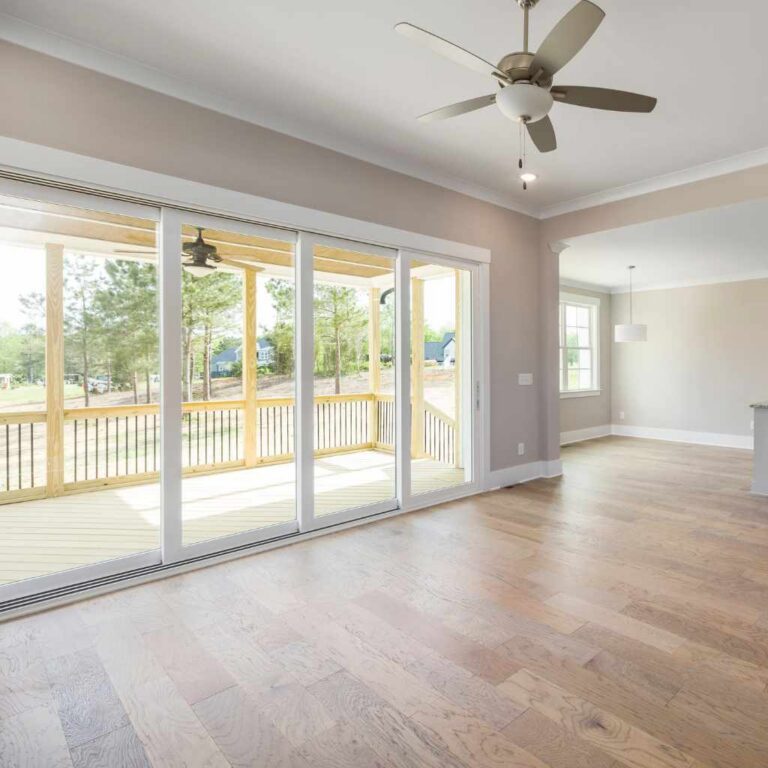
Ash’s pale, light color and pronounced grain reads clean and modern — it’s a natural fit for Scandinavian, mid-century, and minimalist interiors where the goal is a light, airy feel rather than a heavy, dark presence. Walnut’s deep brown tone and quieter grain does the opposite: it reads warm, formal, and traditional, which is exactly why it shows up so often in dining tables, executive desks, and heirloom-style casegoods where a rich, low-glare surface is the goal. Neither look is objectively “better” — the choice comes down to whether a room needs visual lightness (ash) or warmth and gravity (walnut).
Hardness, Toughness, and Real-World Wear
White ash has a Janka hardness rating of about 1,320 lbf, while black walnut sits lower at roughly 1,010 lbf — meaning ash genuinely resists surface denting better, which matters most on a high-traffic tabletop or flooring where dropped keys or a pet’s nails leave marks. But hardness and toughness aren’t the same property, and this is where most comparisons stop short: walnut’s lower Janka number doesn’t make it fragile, and ash’s higher number doesn’t make it the tougher wood under sudden impact. Ash’s open, ring-porous cell structure is what actually gives it superior shock resistance — the reason it’s still the wood behind wooden baseball bats and axe handles despite maple’s higher hardness — while walnut trades some of that shock resistance for a finer, more stable, less porous structure that resists warping and takes fine detail work better.
Ash resists splitting well along the grain thanks to that same toughness, which is part of why it holds up under the heavy daily use of dining chairs, work tables, and kids’ furniture. Walnut furniture will show a scratch or dent from careless handling sooner than ash will, but its natural oil content gives it decent innate moisture and rot resistance, and any scratches tend to blend into its grain pattern rather than standing out starkly the way a scratch does on pale ash.
Cost and Availability
Ash typically runs somewhere in the $5–$15 per board foot range at a hardwood dealer, though pricing has gotten less predictable over the past two decades: the emerald ash borer, an invasive beetle first found in Michigan in 2002, has killed hundreds of millions of ash trees across North America, and supply in hard-hit regions has tightened as a result. Walnut generally costs more, often $10–$25+ per board foot depending on figure and grade, reflecting slower growth rates and steadier long-term demand from furniture makers and gunstock manufacturers rather than any supply crisis. For a budget-conscious build where the wood itself is a big share of material cost, that price gap alone often settles the decision in ash’s favor.
Where Each Wood Makes Sense
Ash earns its keep anywhere a piece needs to survive daily abuse without showing every scuff: dining chairs, kitchen tables, kids’ furniture, and ash furniture builds in general lean into that toughness along with a light, adaptable color that works in almost any room. Live-edge ash slabs in particular show off that bold, open grain at full scale, which is part of why ash has become a popular live-edge choice alongside walnut.
Walnut is the pick when the goal is a formal, heirloom-quality result: dining tables, executive desks, jewelry boxes, and fine cabinetry where its color and fine grain carry the design. If you’re leaning toward a stained finish rather than walnut’s natural tone, our comparison of Kona vs. dark walnut stain covers how to get a similar look on a lighter species like ash or oak without paying walnut’s premium.
Care and Maintenance
Both woods want the same basic care: keep them out of direct sunlight (UV exposure fades ash’s pale tone and can lighten walnut’s rich brown over years), dust with a soft, dry or barely-damp cloth rather than soaking with water, and avoid harsh solvent cleaners that can strip a wax or oil finish. A conditioning treatment every few months on an oil- or wax-finished piece — a beeswax-based polish rather than a silicone spray — feeds the wood and helps prevent the surface from drying out and checking over time, which matters more for walnut’s oil-finished pieces than for a film-finished (polyurethane or lacquer) ash piece, where the finish itself is doing the protecting.
Frequently Asked Questions
Is Ash Better Than Walnut?
Neither is objectively better — ash is harder, tougher against shock, lighter in color, and cheaper, while walnut is richer-looking, finer-grained, and better suited to fine detail work and formal furniture. The right choice depends on the room’s style, the piece’s daily use, and budget.
What Are The Disadvantages Of Ash Wood?
Ash’s open grain can blotch under stain without a pre-stain conditioner, and it’s less naturally decay-resistant than walnut, so it needs a protective finish for anything exposed to moisture. Ash is also becoming harder to source reliably in some regions due to the emerald ash borer infestation, which has killed hundreds of millions of ash trees across North America since 2002.
How Can You Tell Walnut From Ash?
Walnut is a deep chocolate brown with a fine, even, diffuse-porous grain, while ash is pale cream-to-tan with a bold, open, ring-porous grain that shows clear growth rings. Ash also feels coarser to the touch than walnut’s smoother, finer texture.
Is Ash Harder Than Walnut?
Yes — white ash rates about 1,320 lbf on the Janka hardness scale versus roughly 1,010 lbf for black walnut, so ash resists surface denting better. Walnut compensates with a finer grain structure that’s better suited to carving and fine detail work.
Conclusion
The real decision between ash and walnut comes down to two questions: how much daily wear will the piece take, and does the room call for a light, modern look or a dark, formal one? Ash’s extra hardness, shock resistance, and lower price make it the practical pick for furniture that gets used hard; walnut’s color, fine grain, and workability make it the pick when the piece is meant to be the showpiece. Either way, both are genuine hardwoods that will outlast most furniture built today — the choice is really about look and budget, not about one wood being objectively superior.
Sponsored / affiliate links. As an Amazon Associate I earn from qualifying purchases. I may earn additional commission from eligible campaigns.