Ash vs White Oak: Essential Comparison
Os ash vs white oak debate often confuses beginners. Both are strong, beautiful hardwoods for furniture and flooring, but they differ in grain, hardness, and workability. This guide clarifies their unique traits, helping you choose the perfect wood for your next project with confidence.
Choosing the right wood can feel like a puzzle, especially when you’re just starting in the wonderful world of woodworking. You’ve seen beautiful projects made from different types of wood, and you might be wondering, “What’s the difference between Ash and White Oak? Which one should I pick?” It’s a common question, and honestly, both are fantastic choices. But like any good choice, it helps to know a little more! Don’t worry, we’ll break down Ash and White Oak in a way that makes sense, so you can feel confident selecting the best wood for your furniture, flooring, or any project you dream up. Get ready to discover the subtle, yet important, differences that will make your projects shine!
Ash vs White Oak: A Beginner’s Guide to Choosing Your Wood
Welcome, fellow woodworkers and DIYers! Md Meraj here, ready to guide you through one of the most popular hardwood comparisons out there: Ash versus White Oak. If you’re new to woodworking, or even if you’ve been around the bench for a bit, you’ve likely come across these two beautiful, durable woods. They’re used for everything from sturdy furniture and stunning flooring to baseball bats and tool handles, which tells you something about their strength.
But when you’re in the lumberyard or browsing online, trying to decide between the two, it’s easy to get a little lost in the details. What makes them different? Which one is right for your project? That’s what we’re going to figure out today. My goal is to simplify this decision for you, making it clear and straightforward, so you can walk away feeling 100% confident in your choice. We’ll look at their appearance, how they behave when you work with them, their strengths, and where they shine (and sometimes, where they don’t).
So, grab your notepad (or just keep this tab open!), and let’s dive into the essential comparison of Ash vs White Oak.
What is Ash Wood?
Ash wood comes from trees in the Fraxinus genus, native to the Northern Hemisphere. It’s renowned for its strength and elasticity. Think of a sturdy baseball bat – it just might be made of Ash! This wood is prized for its toughness and shock resistance, making it a go-to for applications where durability is key.
What is White Oak Wood?
White Oak comes from trees in the Quercus alba species, also found in the Northern Hemisphere. It’s famous for its strength, hardness, and remarkable resistance to decay and moisture. This makes it a fantastic choice for outdoor projects, boat building, and, of course, flooring and furniture where it will see a lot of use. You might be familiar with White Oak from whiskey barrels; its tight, impermeable grain is perfect for holding liquids.
Key Differences: Appearance and Grain Pattern
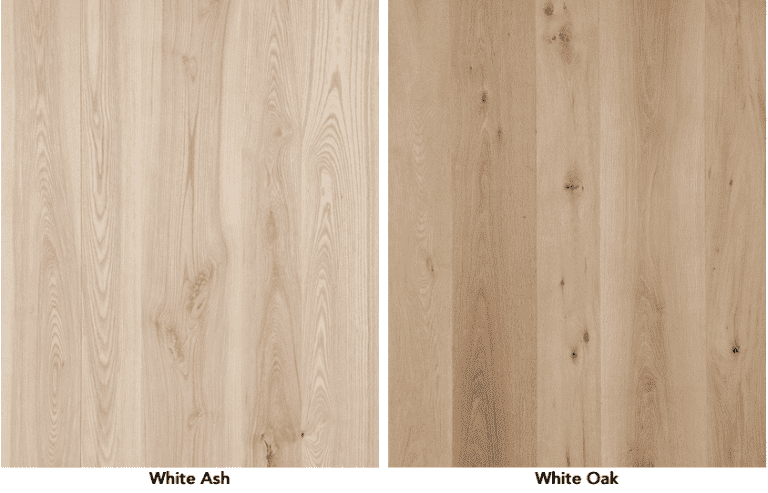
One of the most noticeable ways to tell Ash and White Oak apart is by looking at their grain. This is where you’ll start to see their personalities shine through.
Ash Wood Appearance
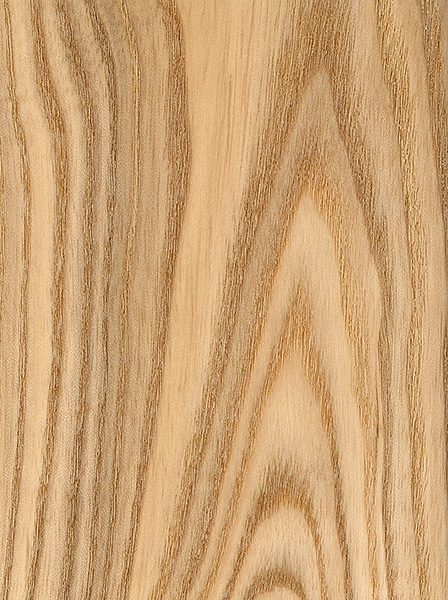
Color: Ash typically ranges from creamy white to a light brown or tan. With heartwood, you might see hints of pink or yellow.
Grain: Ash has a fairly straight, prominent grain pattern. It often looks similar to Oak but is usually more open and has more distinct lines or streaks. The pores are typically larger than in White Oak.
Texture: It has a coarse texture due to its open grain.
White Oak Wood Appearance
Color: White Oak is generally a light to medium brown, sometimes with a greyish or yellowish cast. The heartwood can be a bit darker.
Grain: White Oak also has a straight grain, but it often appears more prominent and often has a more decorative, wavy or burl-like pattern due to its medullary rays. These rays are like shelves within the wood, and when cut on, they create beautiful, shimmering flakes or flecks, especially in quartersawn lumber. The pores in White Oak are smaller and less obvious than in Ash.
Texture: It has a medium to coarse texture, but generally feels a bit smoother and less “open” than Ash due to the smaller pores.
Visual Cue: If you see noticeable flecks or ray patterns in the grain, especially in the way the light reflects off them, you’re likely looking at White Oak. Ash tends to be more uniform in its linear grain.
Durability and Strength: Ash vs White Oak
Both Ash and White Oak are considered hardwoods and are incredibly durable, which is why they are so popular. However, they have slightly different strengths.
Ash Wood Durability
Hardness: Ash is known for its excellent shock resistance and elasticity. It’s harder than Maple but generally a bit softer than White Oak. On the Janka hardness scale, typically around 1320 lbf (pounds-force).
Strength: It’s strong and tough, bending well without breaking. This makes it ideal for items that need to absorb impact, like tool handles or sports equipment.
Workability: It machines well and is fairly easy to glue. However, its open grain can sometimes be tricky for very fine finishes without proper filling.
White Oak Wood Durability
Hardness: White Oak is a very hard and dense wood, typically scoring around 1360 lbf on the Janka scale. It’s slightly harder than Ash.
Strength: It’s incredibly strong and stable. Its tight, pore structure makes it highly resistant to moisture and rot, which is a big advantage for certain applications.
Workability: White Oak can be a bit more challenging to work with than Ash due to its hardness. It can dull tools faster, and its interlocking grain can sometimes cause tear-out during machining if you’re not careful. It also glues well, but the tannins in White Oak can sometimes affect finishes or adhesives if not accounted for.
The Verdict on Durability: For sheer impact resistance and flexibility, Ash often gets the nod. For moisture resistance, rot resistance, and overall density/hardness, White Oak takes the lead.
Workability and Machining
How does each wood behave when you’re cutting, shaping, and sanding it? This is crucial information for any DIYer or woodworker.
Working with Ash
Cutting: Ash cuts cleanly and smoothly. Its straight grain usually means less chance of splintering or tear-out compared to some other woods.
Sanding: Sands well to a smooth finish. Because of its open pores, you might want to use a pore filler if you’re aiming for a perfectly smooth, glassy surface, especially on tabletops or furniture with high aesthetic demands.
Gluing: Generally glues well, creating strong joints.
Finishing: Takes stains and finishes nicely, though the grain pattern will show through. Its lighter color can be a great base for various stains.
Working with White Oak
Cutting: Because it’s harder and denser, White Oak can be tougher on your tools (blades, bits, etc.) and may require slower feed rates when machining. Be mindful of the grain direction to avoid tear-out.
Sanding: Sands to a good finish, but its hardness means you might need to put in a bit more effort than with Ash. Like Ash, its open pores can benefit from filling for a completely smooth finish.
Gluing: Glues well, but the natural tannins in White Oak can sometimes interfere with certain adhesives or cause discoloration with some stains. It’s wise to do a test piece.
Finishing: White Oak accepts stains well, and its prominent grain, especially the rays, can create stunning effects with finishes. Its natural tendency to resist moisture makes it a great candidate for exterior finishes or areas prone to spills.
Beginner Tip: For straight cuts and basic shaping, both woods are manageable. If you’re using hand tools or have less powerful machinery, Ash might feel a bit more forgiving. If you’re looking for maximum durability against dents and scratches on a high-traffic surface, White Oak’s hardness is a real plus.
Cost and Availability
Understanding the price and how easy it is to find a wood is essential for planning any project, big or small.
Ash Wood Cost and Availability
Cost: Ash is generally a mid-range hardwood. Its price can fluctuate based on demand, the region, and lumber quality. It’s often more affordable than some premium hardwoods like Walnut or Cherry.
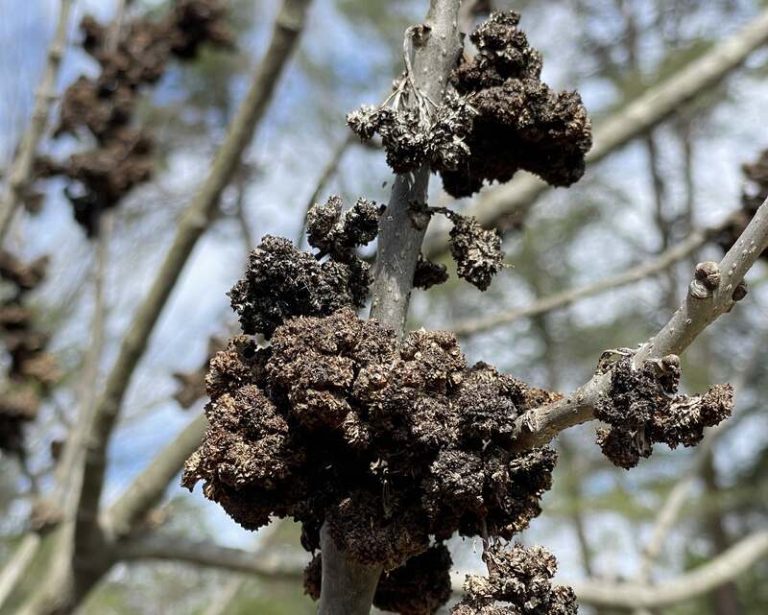
Availability: Ash is widely available throughout North America and Europe. However, the Emerald Ash Borer insect infestation in North America has significantly impacted Ash tree populations, which has led to reduced availability and sometimes price increases in certain regions. It’s always a good idea to check with your local lumber supplier.
White Oak Wood Cost and Availability
Cost: White Oak is also a mid-range to slightly higher-priced hardwood, often comparable to or slightly more expensive than Ash. Its cost is generally stable as the tree populations are healthier than Ash in many areas.
Availability: White Oak is very commonly available across North America and Europe. It’s a popular choice for many applications, so you’ll find it readily at most lumber yards.
General Price Comparison: While prices vary, Ash and White Oak are often in a similar ballpark. Historically, Ash might have been a bit less expensive, but the impact of the Emerald Ash Borer has shifted this in some markets. Always research current local pricing.
Common Applications
Where do you typically see Ash and White Oak used? Knowing their common uses can give you great ideas for your own projects.
Ash Wood Applications
Furniture: Its strength, good looks, and workability make it a solid choice for tables, chairs, bed frames, and cabinets.
Tool Handles: Its shock absorption and toughness are why it’s preferred for hammers, axes, and shovel handles.
Sports Equipment: Think baseball bats, lacrosse sticks, and bowling pins.
Flooring: Durable and attractive.
Baskets: Its flexibility allows it to be split into thin strips for weaving.
White Oak Wood Applications
Fine Furniture: Its beautiful grain and durability make it a top choice for high-end cabinetry and furniture.
Flooring: Extremely popular for its toughness, moisture resistance, and classic look. It’s a staple in many homes.
Veneer: Used for decorative surfaces.
Boat Building: Its resistance to water and rot makes it ideal for marine applications.
Barrels: Historically crucial for aging whiskey and wine due to its impermeability and character.
Outdoor Furniture/Structures: Its natural resistance to decay makes it suitable for patios and garden features.
Pros and Cons at a Glance
To make your decision even easier, here’s a quick rundown of the advantages and disadvantages of each wood for beginner woodworkers.
Ash Wood
Pros:
Excellent shock resistance and elasticity.
Good workability, machines and sands well.
Attractive, prominent grain that takes finishes well.
Generally cost-effective.
Often lighter in color, making it a good base for various stain colors.
Cons:
Open grain requires pore filling for a perfectly smooth finish.
Less resistant to moisture and rot compared to White Oak.
Availability can be impacted by the Emerald Ash Borer insect.
Slightly softer than White Oak, so may dent more easily over time.
White Oak Wood
Pros:
Very hard, strong, and dense.
Excellent resistance to moisture, decay, and insects.
Beautiful decorative grain patterns, especially with medullary rays.
Highly durable for high-traffic areas like flooring.
Widely available.
Cons:
Hardness can be tougher on tools and require slower machining.
Grain can sometimes be prone to tear-out if not worked carefully.
Tannins can affect staining and gluing if not managed properly.
Can be slightly more expensive than Ash in some markets.
Which Wood is Right for Your Project?
Now that we’ve broken down the details, let’s bring it all together. How do you choose between Ash and White Oak for your specific needs?
For a project that needs to withstand impact or flex a lot (like a workbench leg that might get bumped or a child’s toy): Ash might be your better bet due to its superior shock resistance and elasticity.
For flooring, kitchen cabinets, or outdoor furniture where moisture and durability are top concerns: White Oak is a standout choice due to its hardness and resistance to decay.
If you’re prioritizing ease of machining and a slightly more forgiving wood to work with: Ash is often a bit easier for beginners to handle.
If you love a strong, wavy grain pattern with attractive flecks and want maximum toughness: White Oak will likely provide that visual appeal and durability.
For a lighter-colored wood that takes stain beautifully and uniformly: Ash is a great canvas.
For a rich, classic look that ages well and resists wear and tear: White Oak is a perennial favorite.
A Note on Finishing: Both woods benefit from thorough sanding and good finishing techniques. For a smooth, modern look, consider using a wood filler or sanding sealer to fill those open pores on both Ash and White Oak. However, if you prefer a more rustic or traditional look, the open pores can add character.
Tools You Might Need
Regardless of whether you choose Ash or White Oak, having the right tools makes the job smoother, safer, and more enjoyable. Always prioritize safety by wearing safety glasses and hearing protection.
Measuring and Marking: Tape measure, pencil, combination square.
Cutting:
Hand Tools: Hand saw (crosscut and rip), backsaw.
Power Tools (Beginner-Friendly): Circular saw (with a sharp blade for hardwoods), jigsaw for curves, or a miter saw for precise crosscuts.
Shaping and Smoothing:
Hand Tools: Block plane, sandpaper (various grits: 80, 120, 220 ideal for most projects).
Power Tools: Random orbital sander (a huge time-saver!), potentially a router for edges.
Assembly: Wood glue, clamps (bar clamps, pipe clamps, or hand-screw clamps are useful), screws or nails (depending on your joinery method).
Finishing: Brushes or rags for applying stain and topcoat (polyurethane, varnish, or oil), tack cloth for dust removal.
Remember, you don’t need every tool right away! Start with the basics and expand your toolkit as your projects and skills grow.
Safety First!
Woodworking, while incredibly rewarding, involves sharp tools and moving machinery. Always remember to:
Wear Safety Glasses: Protect your eyes from flying sawdust and debris.
Use Hearing Protection: Power tools can be loud.
Keep Your Workspace Clean: A tidy shop reduces trip hazards.
Understand Your Tools: Read the manuals and know how to operate them safely.
Secure Your Workpiece: Use clamps to prevent movement when cutting or shaping.
Never Rush: Take your time, measure twice, and cut once.
Ash vs White Oak: A Quick Recap Table
Here’s a visual comparison to help you remember the key points of Ash vs White Oak:
| Feature | Ash Wood | White Oak Wood |
| :—————- | :—————————————- | :———————————————– |
| Janka Hardness | ~1320 lbf | ~1360 lbf |
| Color | Creamy white to light brown | Light to medium brown, sometimes greyish/yellowish |
| Grain Pattern | Straight, open, prominent pores | Straight, often with decorative rays/flecks, tighter pores |
| Texture | Coarse | Medium to coarse, often feels smoother |
| Workability | Easier to machine, less tool wear | Harder, can cause more tool wear, tear-out risk |
| Moisture/Rot Resistance | Moderate | Excellent |
| Shock Resistance | Excellent | Good |
| Typical Cost | Mid-range, can vary | Mid-range to slightly higher, generally stable |
| Key Applications | Tool handles, sports equipment, furniture | Flooring, furniture, boat building, barrels |
Frequently Asked Questions (FAQ)
Q1: Can I use Ash or White Oak for outdoor projects?
A1: White Oak is generally preferred for outdoor projects due to its excellent resistance to moisture and decay. Ash can be used, but it will require more thorough sealing and maintenance to protect it from the elements.
Q2: Which wood is better for beginners to work with?
A2: Ash is often considered slightly more forgiving for beginners because it’s a bit softer and less likely to cause tear-out while machining. However, both are workable with careful techniques.
Q3: How do I get a smooth finish on Ash or White Oak?
A3: Both woods have open pores. For a super-smooth finish, especially on tabletops or cabinets, you’ll want to use a wood filler before sanding and applying your topcoat. Sanding through progressively finer grits (up to 220 or higher) is also key.
Q4: Does Ash or White Oak stain better?
A4: Both stain well, but they accept stain differently. Ash has a more uniform grain that takes stains quite evenly. White Oak’s prominent grain and rays can create a more dramatic, textured look with stain.