Ash Wood Lumber: Grades, Properties & Buying Guide
Ash lumber is a ring-porous North American hardwood that’s often summed up in one word: “hard.” That undersells it. Ash’s real claim to fame is shock resistance, a separate property from hardness that’s why it’s still the standard wood for baseball bats and tool handles, and there’s a supply story behind it right now that most buying guides skip entirely. This guide covers ash’s actual mechanical properties, how NHLA grading works, where to buy it, and what the emerald ash borer means for future availability.
Want the exact numbers behind that hardness? See our ash wood density guide for the full Janka hardness rating and how it compares to oak, walnut, and maple.
All About Ash Wood Lumber
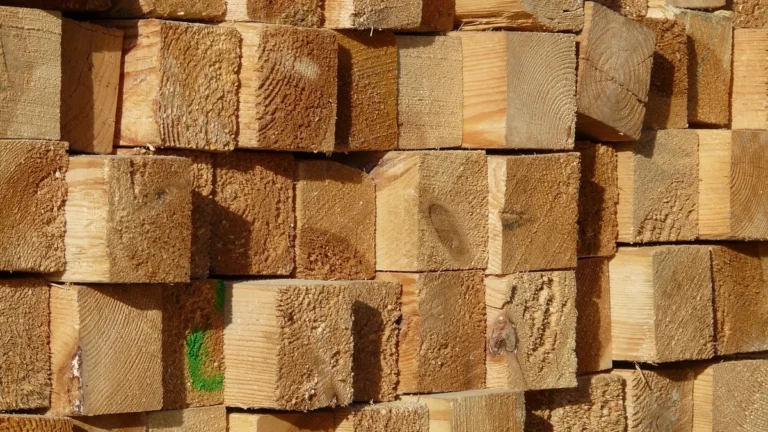
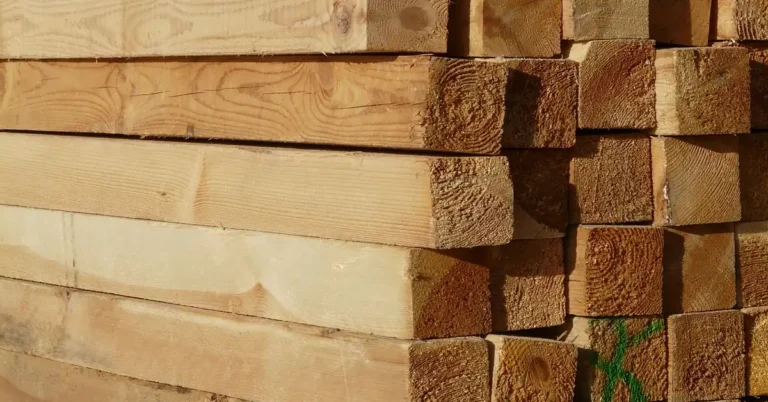
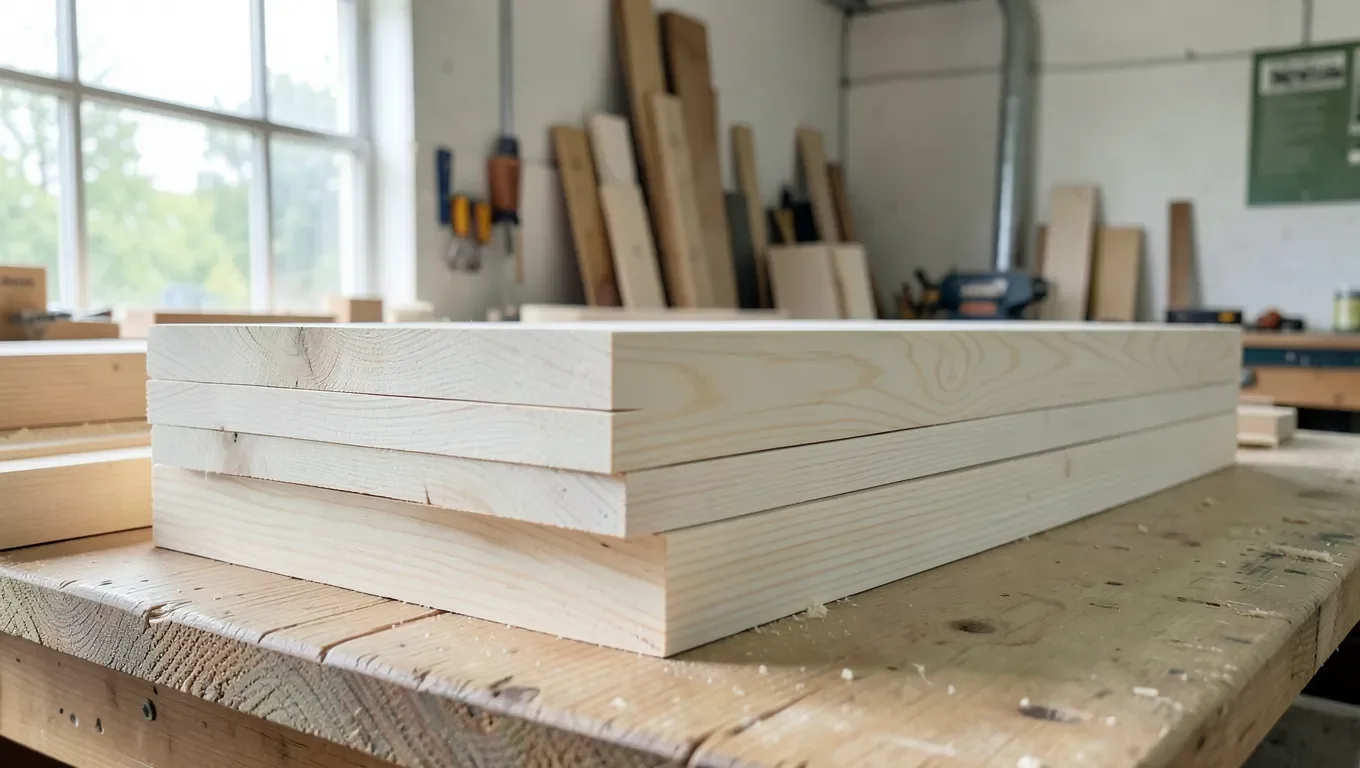
Ash wood is a popular choice for many woodworking projects due to its strength, hardness, and attractive open grain. The color of ash lumber ranges from a light creamy white in the sapwood to a darker brown in the heartwood, with a prominent, straight grain pattern that takes stain well.
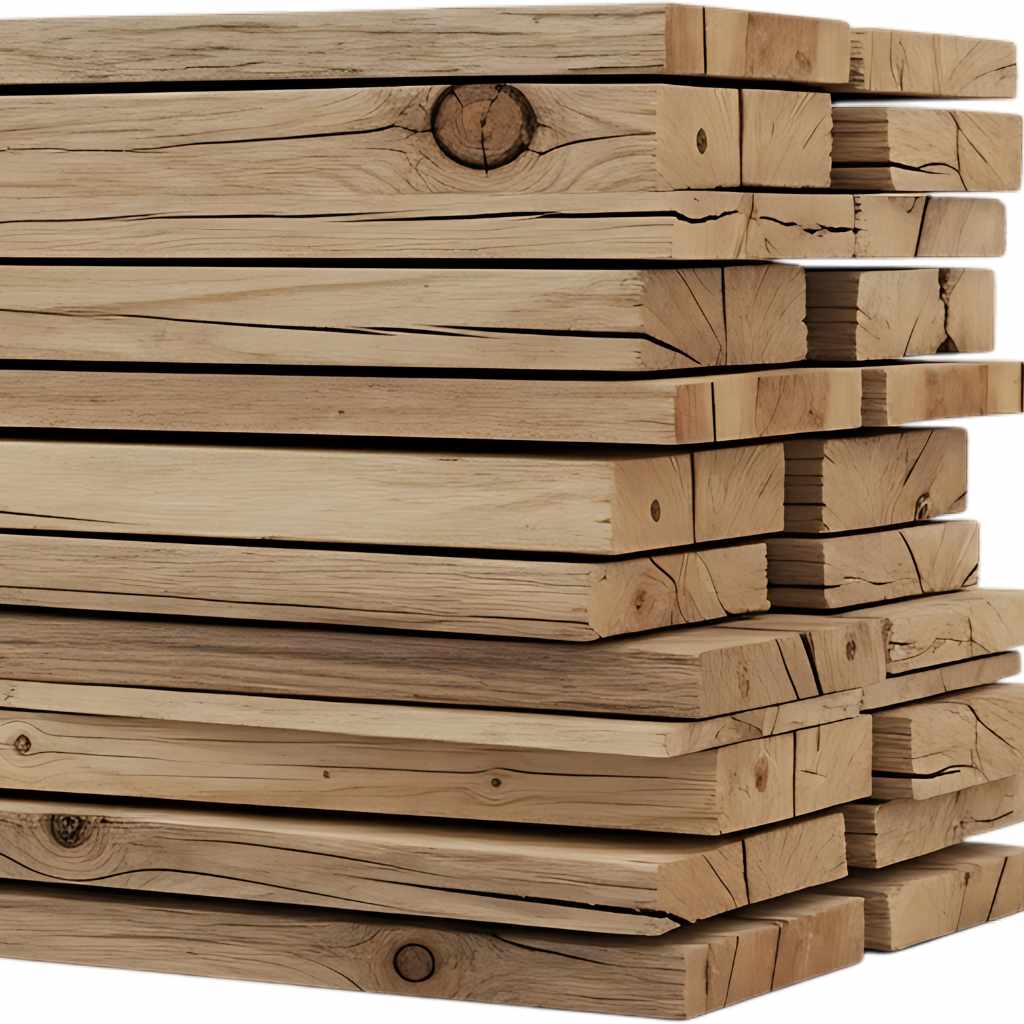
Understanding the different types and grades of ash lumber will help you select the right material for your specific project and budget, so let’s start with what a real Amazon-available ash board pack looks like before covering grading and sourcing in detail.
Best 8/4 Ash Board Pack for Small Projects
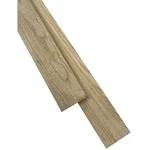 |
10 Board Feet of American Hardwood Lumber (8/4", White Ash) – $174.45 A ready-to-use pack of 8/4 white ash lets you start a project without sourcing a full board from a local hardwood dealer.
|
Understanding Ash Wood Properties
Ash trees are found in various parts of the world, but the species most commonly sold as lumber are White Ash (Fraxinus americana) in North America and European Ash (Fraxinus excelsior) overseas. White Ash tests at about 1,320 lbf on the Janka hardness scale – close to white oak and noticeably harder than black walnut or cherry.
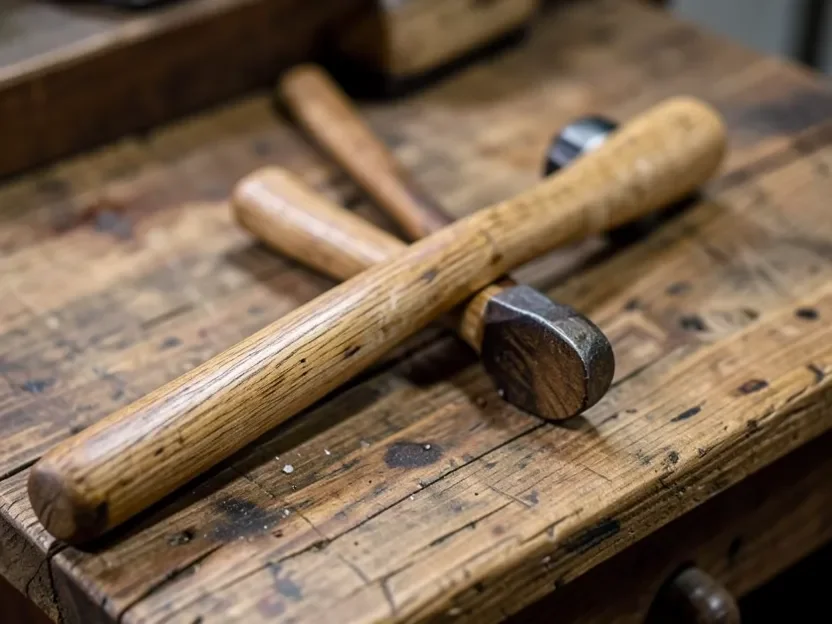
That Janka number only tells part of the story, though. Hardness measures resistance to denting under steady pressure; shock resistance (technically, toughness) measures how much sudden impact a piece can absorb before it cracks, and it’s a separate mechanical property that ash is genuinely exceptional at, even relative to harder woods like oak. That’s the real reason ash, not oak or maple, has been the traditional wood for baseball bats, axe and hammer handles, and hockey sticks for over a century: those uses take repeated jarring blows, and a wood that just resists denting isn’t enough – it needs to flex and absorb the shock without splitting.
- Hardness: About 1,320 lbf on the Janka scale for white ash, suitable for flooring, tool handles, and furniture that sees heavy use.
- Shock resistance: Genuinely exceptional, and distinct from hardness – this is why ash is the standard baseball bat and tool-handle wood rather than harder species like oak or maple.
- Grain and Appearance: A ring-porous hardwood with a straight, prominent grain pattern and a medium to coarse, open texture. Color ranges from pale cream in the sapwood to light brown in the heartwood, sometimes with a greyish or reddish cast.
- Workability: Machines, sands, and glues well with both hand and power tools, though the open grain benefits from a pore filler before a perfectly smooth finish.
- Finishing: Takes stains and clear finishes very well, and the prominent open grain can be highlighted with a clear coat or accentuated with a darker stain.
- Decay resistance: Ash is not naturally rot- or insect-resistant the way cedar or teak is, so it needs a protective finish for any outdoor use.
Ash Lumber Availability: The Emerald Ash Borer Problem
One thing most ash buying guides leave out: long-term availability is a real, ongoing concern, not a hypothetical one. The emerald ash borer (EAB), an invasive beetle first identified in Michigan in 2002, has killed several hundred million ash trees across the United States and Canada since the mid-2000s, and it continues to spread into new states and provinces every year. Millions of standing ash trees have already died or been removed as a precaution in affected areas.
For a woodworker, this doesn’t mean ash is about to disappear from lumberyards – plenty of ash is still being milled, including salvage runs from beetle-killed timber – but it does mean regional availability and pricing are less predictable than they were a decade ago, before EAB spread nationally. If you’re planning a larger project, our ash lumber pricing breakdown covers current per-board-foot costs, and buying your full quantity in one batch is worth doing rather than assuming you can match grain and color later from the same source. For more on ash tree range and where it still grows naturally despite EAB, see our guide to where ash trees grow.
Common Uses for Ash Wood Lumber
The versatile nature of ash lumber lends itself to a wide array of applications. Its strength and appearance make it a go-to material for both functional and decorative woodworking.
- Furniture: Ash is a classic choice for fine furniture, from dining tables and chairs to beds and cabinets – see our ash wood project ideas for real project inspiration. Its durability ensures ash furniture lasts for generations, and its open grain adds visual character.
- Flooring: The hardness and wear resistance of ash make it an excellent option for hardwood flooring, able to withstand the foot traffic of busy households while keeping its appearance.
- Sporting Goods: Ash’s shock-absorbing qualities are ideal for baseball bats, tennis rackets, and hockey sticks – equipment that has to handle repeated impact and stress.
- Tool Handles: From hammers to shovels, tool handles made from ash are known for their strength and ability to absorb vibration, giving a comfortable, durable grip.
- Cabinetry and Millwork: Ash is frequently used for kitchen cabinets, paneling, and decorative millwork thanks to its attractive grain and ability to take finishes well.
- Wood Bending: Ash’s flexibility makes it well suited to steam bending into curved furniture pieces or architectural elements.
- Musical Instruments: Some electric guitar bodies are made from ash, valued for its resonant tonal qualities and relatively light weight.
Ash Wood Grades Explained
Like most lumber, ash is graded to indicate its quality and the presence of defects. These grades help buyers understand what to expect from a piece of lumber and ensure they get material suitable for their project. The grading system can vary slightly by region and lumber association, but generally follows similar principles.
Understanding Hardwood Lumber Grades
Hardwood lumber grades are primarily based on the size and number of usable clear wood sections that can be obtained from a board. The goal is to provide a consistent standard for quality. The most common grading system for hardwoods in North America is established by the National Hardwood Lumber Association (NHLA).
Common Ash Lumber Grades (NHLA System)
Here’s a breakdown of the typical grades you’ll encounter when buying ash lumber, from highest to lowest quality:
| Grade | Description | Typical Uses |
|---|---|---|
| Firsts (FAS) | This is the highest grade. FAS lumber must yield at least 83.3% clear and usable wood from a standard 10-foot board, with a minimum width of 6 inches. Boards must be at least 8 feet long. Small knots and pinholes are acceptable, but larger defects are not. | High-end furniture, cabinetry, millwork, and any application where appearance is paramount. |
| Selects | Selects fall between FAS and No. 1 Common. They are similar to FAS but may have slightly more defects or be narrower and shorter. This grade is often used for pieces where a clear face is desired. | Furniture components, doors, and paneling. |
| No. 1 Common | This grade is very popular and versatile. It requires at least 66.7% clear wood from a board. Knots, wormholes, and small checks are generally permissible, as long as they don’t prevent the use of a good portion of the board. Boards are typically 4 inches or wider and 4 feet long or longer. | General furniture, utility cabinets, and projects where some character is acceptable or desired. |
| No. 2 Common | No. 2 Common must yield at least 50% clear wood. It will have more knots and defects than No. 1 Common, but it is still usable for many projects. This grade offers excellent value for projects where appearance is less critical or where defects can be worked around. | Craft projects, rustic furniture, utility shelving, and projects where a natural, character-filled look is desired. |
| Sound Wormy | This designation is often used in conjunction with other grades (e.g., No. 1 Common Sound Wormy). It indicates that the lumber has wormholes but they are sound and do not compromise the structural integrity of the wood. | Rustic furniture, accent pieces, and projects where wormholes add a desired aesthetic. |
When purchasing lumber, always ask about the grading system used. Knowing these grades will help you select the right material for your budget and project requirements.
Buying Ash Wood Lumber
Purchasing lumber can be straightforward once you know what to look for. Whether you’re visiting a local lumberyard or ordering online, there are key factors to consider to ensure you get quality ash wood that meets your project needs.
Where to Buy Ash Lumber
There are several avenues for sourcing ash lumber:
- Local Lumberyards: Often the best option. You can physically inspect the wood, assess its grain and color, and get advice from knowledgeable staff. Many lumberyards specialize in hardwoods and carry a good selection of ash.
- Online Lumber Retailers: Many online stores sell lumber, often in pre-cut dimensions or by the board foot. This can be convenient, especially if local options are limited, but you can’t inspect the wood before purchase.
- Sawmills: Buying direct from a local sawmill can sometimes offer better prices, especially for larger quantities. However, sawmills may not always grade lumber to the same standards as retail lumberyards.
- Woodworking Supply Stores: Some larger woodworking stores carry a selection of hardwoods, though stock is often more limited than a dedicated lumberyard’s.
- Big-Box Home Centers: Lowe’s carries ash boards under its Ornamental Mouldings appearance-board line, but it’s a specialty item rather than a routine stock item, so availability varies by store and is often more reliable to check online first. Home Depot also lists ash hardwood boards online, with the same store-by-store availability caveat.
What to Look for When Buying
Regardless of where you buy, keeping a few things in mind will help you select good quality ash lumber:
- Moisture Content: Lumber is sold either green (high moisture content) or kiln-dried (lower moisture content). For most furniture and interior projects, kiln-dried lumber is preferred because it’s more stable and less prone to warping. Look for lumber labeled kiln-dried, typically around 6-8% moisture content for interior use.
- Grain Pattern: Decide if you prefer a straight, uniform grain or one with more character and knots. The grade heavily influences this – higher grades for a clean, modern look, lower grades with more character for a rustic feel.
- Color Consistency: Ash has natural color variation between sapwood and heartwood. If you need a uniform color, look for closely matched boards; if you’re staining, this matters less since the stain will help unify the color.
- Surface Quality: Inspect boards for significant defects like deep checks, splits, rot, or excessive cupping. Some defects are acceptable depending on the grade, but major issues can render a board unusable.
- Board Dimensions: Confirm the thickness, width, and length suit your project. Lumber is often sold by the board foot, a measure of volume (1 board foot = 1 inch thick x 12 inches wide x 1 foot long).
- Storage Conditions: If buying from a lumberyard, check how the wood is stored. Is it kept dry and off the ground? Proper storage prevents warping and moisture damage.
Calculating Lumber Needs
It’s always wise to buy a little more lumber than you think you’ll need. This accounts for mistakes, waste from cutting around defects, and unforeseen issues. A general rule of thumb is to add 10-15% to your calculated lumber requirement.
Frequently Asked Questions
Question: Is ash wood good for outdoor furniture?
Answer: Ash wood is moderately durable and can be used for outdoor furniture, especially if treated with a protective finish. However, it is not as naturally resistant to decay and insects as some other hardwoods like cedar or teak, so regular maintenance will be required to ensure longevity in outdoor conditions.
Question: How does ash compare to oak wood?
Answer: Ash is generally more shock-resistant than oak even though the two are close in Janka hardness (about 1,320 lbf for white ash vs. roughly 1,360 lbf for white oak), making ash the better choice for applications requiring high impact resistance like tool handles or sports equipment. Oak is often more widely available and can be less expensive. Both woods have attractive grain patterns and take finishes well, but ash typically has a more open, prominent grain.
Question: Can I paint ash wood lumber?
Answer: Yes, ash wood lumber can be painted. Its relatively smooth surface and ability to take finishes make it a good candidate for painting. For the best results, ensure the wood is properly prepared by sanding and priming it before applying paint.
Question: Is ash wood prone to warping?
Answer: Like all solid wood, ash can warp if not properly dried and acclimated to its environment. Kiln-dried ash lumber is much more stable than green lumber. Proper storage and handling after purchase, especially for projects intended for stable environments, will minimize warping risk.
Question: What is the best way to finish ash wood?
Answer: Ash wood can be finished in many ways. A clear finish like polyurethane or varnish will highlight its natural grain and color. Stains can be used to achieve different hues, but due to its open grain, a wood filler might be necessary before staining for a perfectly smooth finish.
Oil finishes also work well, providing a natural look and feel.
Final Thoughts
Ash earns its reputation the honest way: real shock resistance backed by a Janka hardness of about 1,320 lbf, a straight open grain that finishes beautifully, and a century-long track record in tool handles and sporting goods where lesser woods crack. The trade-off worth knowing before you buy is availability – emerald ash borer has reshaped the supply picture over the past two decades, so pricing and regional stock are less predictable than they used to be.
Inspect boards carefully at your local lumberyard or when ordering online, paying attention to moisture content, grain, and any defects, and remember the NHLA grade tells you what to expect before you buy. Buying slightly more than you calculate, and buying it in one batch given ash’s tighter supply, will save you from project delays and grain-matching headaches later.
Sponsored / affiliate links. As an Amazon Associate I earn from qualifying purchases. I may earn additional commission from eligible campaigns.