Ash Wood Furniture: How to Spot Quality, True Cost & Care
Ash wood furniture is a durable, pale hardwood that costs $800–$2,500+ for solid pieces — Emerald Ash Borer damage has cut U.S. ash supply sharply, so real solid-ash furniture is getting harder to find. Mistake a veneer piece for solid wood and you lose strength, repairability, and can void a care warranty. This guide covers how to spot real solid ash, what it should cost, how to care for it, and why supply is shrinking.
Quick Answer
Solid ash wood furniture is a durable, light-colored hardwood choice that typically costs $800–$2,500+ for quality pieces, versus $200–$900 for ash-veneer furniture. Check edge grain and glue-line spacing to confirm it’s solid, dust weekly with a dry cotton cloth, and feed it with a beeswax conditioner every 4–6 weeks to stop it drying and cracking.
What Is Ash Wood?
Best Ash Furniture Care Pick
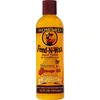
Howard Feed-N-Wax Beeswax Wood Polish & Conditioner, 16 oz
A beeswax and carnauba wax conditioner with orange oil — the monthly “feed” step ash furniture needs to stop the open grain from drying out.
- Best for: monthly conditioning of solid ash tables, chairs, and cabinets
- Why we picked it: no silicone or ammonia, matches the care rules above
- Main drawback: orange-oil scent lingers for a day after application
Compare more ash wood furniture care options
 Option 1 Method Daily Wood Cleaner, Almond, 28 fl oz
|
 Option 2 Weiman Cabinet & Wood Clean & Shine Spray
|
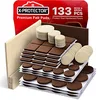 Option 3 X-PROTECTOR Felt Furniture Pads, 133 pc
|
As an Amazon Associate we earn from qualifying purchases.
Ash wood comes from Fraxinus trees native to North America, Europe, and parts of Asia. It has a pale, cream-to-light-brown color, a straight open grain, and enough shock resistance that it was the standard material for baseball bats and tool handles before it became a furniture favorite.
Types Of Ash Wood Used In Furniture
- White ash – the most common furniture-grade species, lighter in color with the straightest grain.
- Black ash – softer and more flexible, often used for basketry and steam-bent parts as well as furniture.
- Green ash – a close relative frequently sold interchangeably with white ash by lumber yards.
For a full breakdown of how each species differs in weight, color, and best use, see our complete guide to types of ash wood.
How to Tell If It’s Real Solid Ash Wood
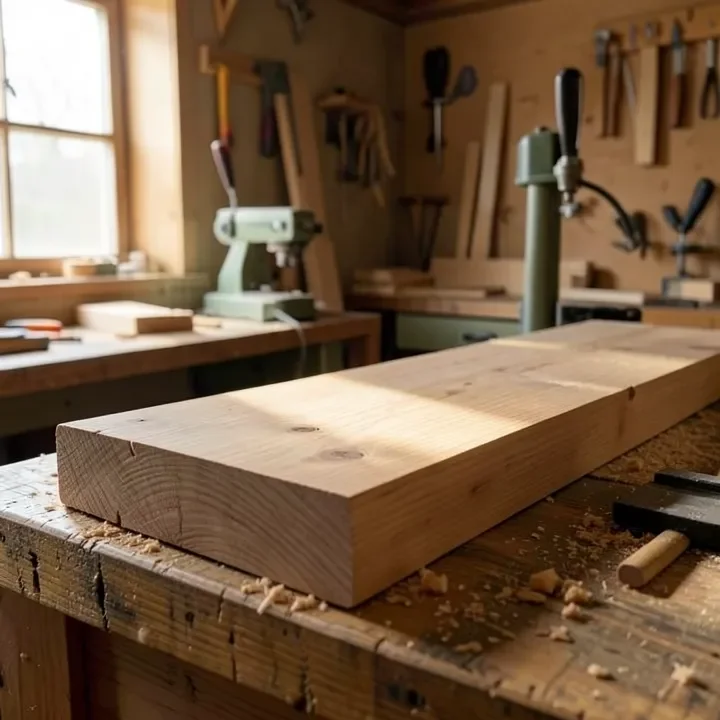
Furniture labeled “ash” is sometimes just an ash veneer over MDF or particleboard. Solid ash costs more but lasts longer and can be sanded and refinished; veneer can’t. Three checks catch the difference before you buy.
- Check the edge grain. Solid wood shows the same grain pattern wrapping around the edge of the board. Veneer shows a flat, uninterrupted surface with the grain only on the face.
- Measure the glue lines. Solid tabletops are usually built from boards glued roughly 6–10 inches apart, since that’s close to the maximum width of milled ash lumber. Glue lines spaced wider than about 24 inches, or boards that all run in one uniform direction, usually mean veneer over a substrate.
- Read the listing wording. “Solid wood,” “hardwood,” or “all wood” means real timber throughout. “Wood veneer,” “engineered wood,” or “manufactured wood” means a veneer or composite core.
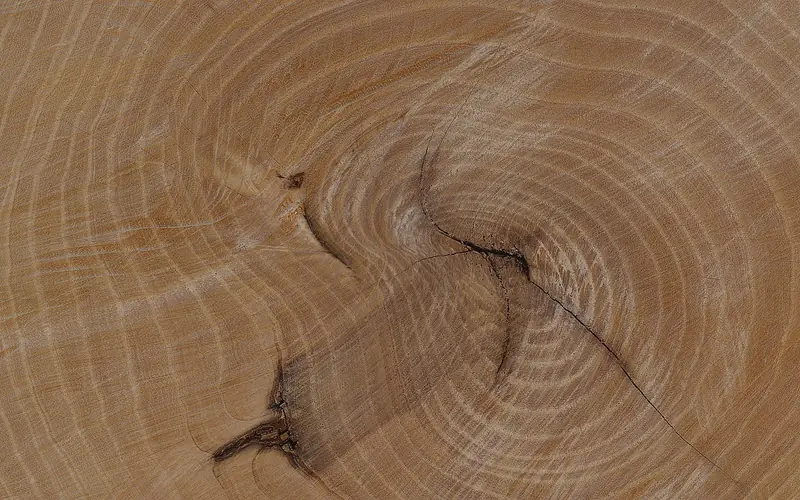
Want to compare grain photos side by side before you shop? Our visual guide to ash wood grain walks through what genuine ash looks like next to oak, maple, and common veneer patterns.
“I’ve turned away plenty of ‘solid ash’ dressers at estate sales once I checked the drawer sides — if the grain doesn’t wrap the edge, it’s veneer, no matter what the tag says. It takes ten seconds and saves you from paying solid-wood prices for particleboard.” — Md Meraj, Woodworking Advisor
How to Care for Ash Wood Furniture
Ash is moderately sensitive to moisture and swings in humidity, so most damage comes from cleaning products and climate, not everyday use. These six steps keep it looking new for decades.
- Dust weekly with a dry cotton cloth: synthetic microfiber can leave fine surface scratches on open-grain wood like ash.
- Wipe spills immediately, then dry fully: don’t let a damp cloth sit — ash absorbs moisture faster than denser hardwoods like oak.
- Hold indoor humidity between 30–45% and 60–80°F: outside that range the wood expands and contracts, which is what actually cracks joints and finishes over time.
- Feed the wood every 4–6 weeks: use a beeswax or carnauba wood conditioner. Skip ammonia-based or silicone sprays — they build up a film that attracts dust and can strip the finish over time.
- Use felt pads and coasters: felt glides under furniture feet stop floor scuffs, and coasters under drinks or hot dishes prevent the white rings that form when moisture sits on an open-grain finish.
- Keep it out of direct sun: ash lightens and yellows unevenly under UV exposure — rotate pieces seasonally if they sit near a window.
What Does Ash Wood Furniture Cost?
Price depends almost entirely on whether a piece is solid wood or ash veneer, and whether it’s mass-produced or custom-built. Typical U.S. retail ranges by piece:
| Furniture Type | Ash-Veneer / Mass-Market | Solid Ash (Retail) | Solid Ash (Custom) |
|---|---|---|---|
| Dining chair | $50–$150 | $150–$400 | $400–$800+ |
| Coffee table | $150–$400 | $400–$900 | $1,000–$1,300+ |
| Dining table | $300–$700 | $800–$1,500 | $2,000–$2,900+ |
| Bed frame | $200–$500 | $600–$1,200 | $1,500–$2,500+ |
| Cabinet | $150–$400 | $500–$1,000 | $1,200–$2,000+ |
These are typical market ranges compiled from major retailers and custom furniture makers — exact pricing varies by finish, joinery, and region. As a rule of thumb, ash tends to run slightly cheaper than oak or walnut of comparable quality, which is part of why it’s a popular “step-up from veneer” choice.
Why Ash Wood Furniture Is Getting Harder to Find
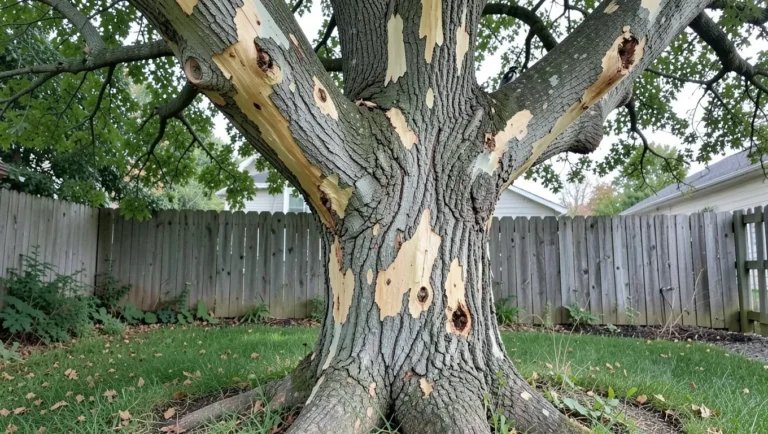
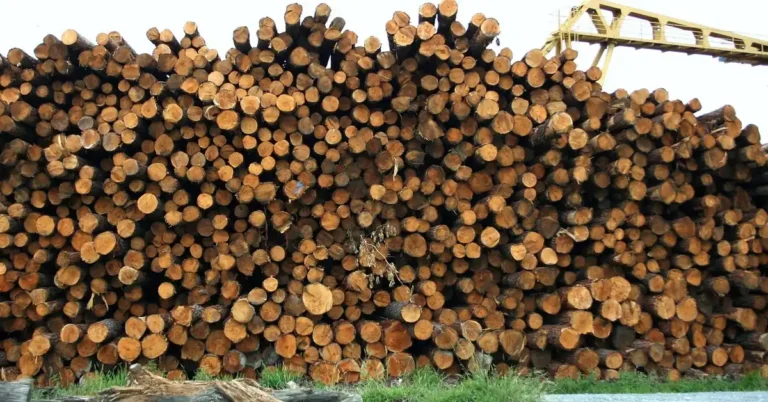
Since the early 2000s, the invasive Emerald Ash Borer (EAB) beetle has killed tens of millions of ash trees across North America, and an infested tree typically dies within 2–6 years. That’s steadily shrinking the supply of mature ash lumber available to furniture makers.
📊 Ash timber has historically been valued at roughly $25 billion a year in the eastern U.S. alone, and EAB damage is estimated in the $10–25 billion range in the hardest-hit regions. Source: Texas A&M Forest Service.
The practical effect for furniture shoppers: what used to be a common, budget-friendly domestic hardwood is becoming a rarer, more distinctive material, and reclaimed or “urban lumber” ash — salvaged from trees removed due to EAB — has become a genuine, increasingly common source for makers. If a listing calls out reclaimed or urban-harvested ash, that’s usually a selling point, not a downside.
Benefits of Ash Wood Furniture
Beyond availability, ash earns its place in furniture for a few concrete reasons:
Durability And Shock Resistance
Ash has excellent shock resistance — the same property that made it the standard wood for baseball bats and axe handles — which is why it holds up well on dining chairs and tables that see daily impact and weight-shifting.
Straight, Even Grain
The grain runs straight and open, giving furniture a clean, contemporary look that suits mid-century modern and minimalist interiors particularly well.
Takes Stain And Paint Well
The open pores absorb stain evenly, so ash can be finished light to show off the natural grain or stained dark to mimic walnut at a lower cost.
Popular Ash Wood Furniture Pieces
Tables
Ash dining and coffee tables are strong enough for daily use and light enough to move without a second person, unlike a comparable oak piece.
Chairs
Ash’s shock resistance makes it a common choice for dining and bentwood chairs, where the joints take repeated stress from sitting and shifting weight.
Bed Frames
Ash wood bed frames provide sturdy, long-term support for mattresses without the added weight of denser hardwoods like oak.
Cabinets
Ash cabinets hold up well in kitchens and bathrooms, though the moisture sensitivity covered above means they need a good sealed finish in those rooms specifically.
Where to Buy Ash Wood Furniture
You can find ash wood furniture and lumber through local furniture stores, national retailers, and custom furniture makers who work directly with reclaimed or urban-harvested ash. For a browsable overview of every ash species and grade available, start with our full ash wood hub.
Curious whether ash can handle a porch, deck, or patio setting instead of an interior room? We cover that in detail, including moisture and UV exposure, in our dedicated ash wood furniture pros and cons guide.
Frequently Asked Questions
Is Ash Wood Good For Furniture?
Yes. Ash is a durable, shock-resistant hardwood with a straight grain that takes stain evenly, which is why it’s long been used for tables, chairs, cabinets, and bed frames.
How Can You Tell If Furniture Is Solid Ash Or Veneer?
Check the edges: solid ash shows continuous grain wrapping around the board, while veneer shows a flat surface with grain only on the face. Glue lines spaced wider than about 24 inches, or a label reading “wood veneer” or “engineered wood,” usually mean it’s not solid.
How Much Does Ash Wood Furniture Cost?
Mass-market ash-veneer pieces typically run $150–$500. Solid ash furniture from retail lines runs roughly $400–$1,500 depending on the piece, and custom or live-edge solid ash can exceed $2,000–$3,000 for a large dining table.
Does Ash Wood Furniture Warp Or Scratch Easily?
No, ash resists warping well when it’s kept in a stable 30–45% humidity range, and its hardness gives it moderate scratch resistance — though like any hardwood, it can still be dented or scratched by sharp or heavy impacts.
Is Ash Wood Furniture Good For Outdoor Use?
Not without heavy sealing and maintenance. Ash has poor natural decay resistance compared to woods like teak or cedar, so it fares poorly against rain and soil contact. Our full indoor-vs-outdoor breakdown covers what sealing and upkeep it would actually take.
Why Is Ash Wood Furniture Becoming More Expensive?
The Emerald Ash Borer has killed tens of millions of North American ash trees since the early 2000s, shrinking the supply of mature lumber. That’s pushing more solid ash furniture toward reclaimed and urban-harvested sources, which typically cost more than plantation-grown hardwoods.
Ash wood furniture earns its reputation on strength and clean, straight grain — but that reputation only holds if what you’re buying is actually solid ash. Check the edge grain and glue lines before you pay solid-wood prices, budget realistically using the ranges above, and feed the wood every 4–6 weeks with a wax conditioner and it will easily outlast a comparable veneer piece.
Sponsored / affiliate links. As an Amazon Associate I earn from qualifying purchases. I may earn additional commission from eligible campaigns.