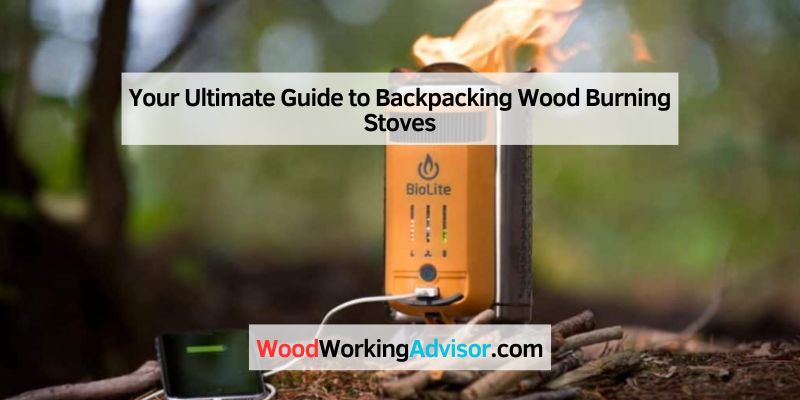
Your Ultimate Guide to Backpacking Wood Burning Stoves
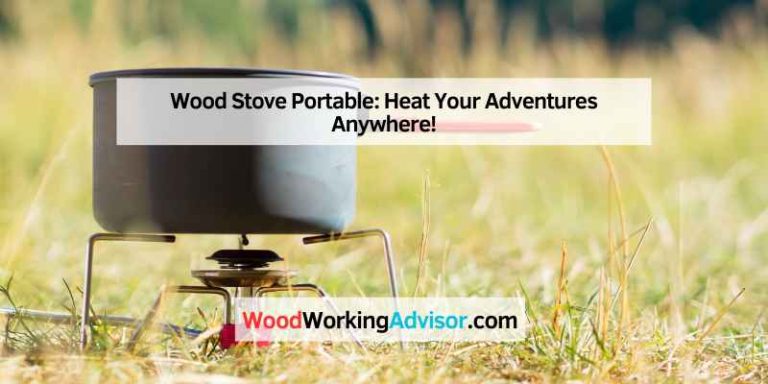
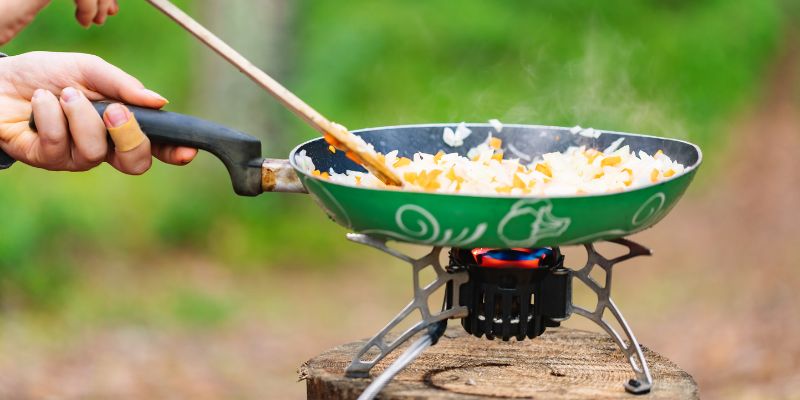
Hey there! Let’s talk about something that’s close to my heart as an avid backpacker: wood-burning stoves. Picture this—you’re out in the wild, the air is crisp, and you’re craving a hot meal after a long day on the trail. A backpacking wood-burning stove can make that moment magical. It’s not just about cooking; it’s about connecting with nature, using what’s around you, and feeling that primal satisfaction of building a fire. I’ve spent countless nights under the stars, tinkering with these stoves, and I’m excited to share everything I’ve learned. Whether you’re a seasoned hiker or just starting out, this guide will walk you through why wood-burning stoves are a game-changer, how to choose one, and tips to make your backcountry cooking experience unforgettable.
Why Choose a Wood-Burning Stove for Backpacking?
I remember my first backpacking trip with a wood-burning stove. I was skeptical at first—why bother with twigs and fire when I could just carry a canister stove? But once I got the hang of it, I was hooked. Wood-burning stoves are special because they let you rely on nature’s fuel. You don’t need to pack heavy canisters or worry about running out of gas in the middle of nowhere. Plus, there’s something deeply satisfying about gathering kindling and watching a small fire come to life.
These stoves are lightweight, eco-friendly, and perfect for anyone who loves the idea of leaving no trace. They burn twigs, leaves, and small branches, so you’re not lugging extra weight. But it’s not all rosy—wood stoves can be a bit messier and require more effort than gas stoves. Still, the trade-off is worth it for the freedom and connection to the outdoors. Let me break down the pros and cons to give you a clearer picture.
| Pros | Cons |
|---|---|
| No need to carry fuel | Slower to boil water |
| Lightweight and compact | Can be messy with soot |
| Eco-friendly and sustainable | Requires dry wood |
| Fun and engaging to use | Not ideal in fire bans |
| Cost-effective over time | Needs more tending |
Types of Backpacking Wood-Burning Stoves
When I started exploring wood-burning stoves, I was amazed at the variety out there. Not all stoves are created equal. Some are simple, others are high-tech, and each has its own vibe. Here’s a look at the main types I’ve come across on my adventures.
Can-Based Stoves
These are the classic DIY-friendly stoves. Think of a sturdy tin can with holes punched in it. They’re simple, affordable, and get the job done. I once made one from an old soup can, and while it wasn’t pretty, it boiled water like a champ. Can-based stoves are great for beginners because they’re easy to use and pack. The downside? They can be bulky and get sooty, which means you’ll want a stuff sack to keep the mess contained.
Folding Stoves
Folding stoves are my go-to for ultralight backpacking. They collapse flat, making them super easy to slip into a backpack pocket. I’ve used models like the Vargo Hexagon, which is made of titanium and weighs next to nothing. These stoves are stable and easy to set up, but you’ll need to assemble them before each use. It’s a small price to pay for their portability.
Gasifier Stoves
Now, gasifier stoves are the fancy ones. They’re designed to burn wood more efficiently by creating a secondary combustion. This means less smoke and a hotter flame. I’ve used the Solo Stove Lite, and it’s like magic—twigs burn down to fine ash, and the flame is clean and intense. These stoves are pricier, but they’re worth it if you want a high-performance option. They do require a bit more skill to keep the fire going, but once you get the hang of it, it’s a breeze.
How to Choose the Right Wood-Burning Stove
Picking the perfect stove can feel overwhelming with so many options. I’ve been there, staring at a dozen models online, wondering which one’s worth my money. Here’s what I’ve learned to focus on when choosing a wood-burning stove.
Weight and Packability
If you’re hiking long distances, every ounce counts. I always check the stove’s weight and how it packs down. Folding stoves like the Firebox Nano are great because they’re ultralight and fit in a small bag. Can-based stoves, while effective, can take up more space. Think about your pack size and how much room you’re willing to sacrifice.
Ease of Use
Some stoves are plug-and-play, while others require a bit of finesse. I prefer stoves with simple designs that don’t need constant tending. Gasifier stoves, for example, burn efficiently but might need you to feed them smaller twigs more often. If you’re new to wood stoves, start with something straightforward like a basic folding model.
Durability
I’ve had cheap stoves warp after a few uses, which is frustrating. Look for materials like titanium or stainless steel—they’re lightweight and can handle high heat. My Vargo Hexagon has been with me for years, and it’s still going strong despite countless fires.
Fuel Availability
The beauty of wood stoves is that fuel is all around you—twigs, leaves, pinecones. But in wet climates or high-altitude areas, dry wood can be hard to find. I’ve had trips where I spent more time hunting for dry kindling than cooking. If you’re hiking in a rainy area, consider a multi-fuel stove that can also burn alcohol or solid fuel tablets as a backup.
Price
Wood-burning stoves range from dirt-cheap DIY options to high-end models costing over $100. I’ve found that mid-range stoves, like those from TOAKS or Littlbug, offer a great balance of quality and affordability. Decide your budget and weigh it against how often you’ll use the stove.
How to Use a Wood-Burning Stove Safely
Using a wood-burning stove is fun, but it comes with responsibility. I’ve learned a few hard lessons about safety over the years, and I want to make sure you avoid my mistakes. Here’s how to use your stove like a pro.
Find a Safe Spot
Always set up your stove on a flat, non-flammable surface. I look for bare dirt or rocks, far from dry grass or your tent. One time, I set up too close to some pine needles, and a stray spark nearly caused a problem. Keep at least a few feet of clearance around the stove.
Gather the Right Fuel
Not all wood is equal. I stick to small, dry twigs—think pencil-sized or smaller. Hardwoods like oak or maple burn hotter and cleaner than softwoods like pine, which can leave soot. If the ground is wet, check under trees or break open larger branches to find dry wood inside. I always carry a small knife to shave kindling if needed.
Start Small
When lighting the stove, start with tiny twigs or shavings. I use a firestarter or a bit of dry grass to get things going. Once the fire catches, add slightly larger sticks, but don’t overload it. A small, hot fire is better than a big, smoky one.
Keep It Clean
Soot is part of the deal with wood stoves. I rub a bit of biodegradable soap on the bottom of my pot before cooking—it makes cleaning easier. After cooking, let the stove cool completely before packing it in a stuff sack to avoid spreading ash in your pack.
Never Leave It Unattended
This one’s non-negotiable. A gust of wind or a curious critter can knock over a stove, and that’s a recipe for disaster. I stay close while the fire’s burning and always make sure it’s fully out before leaving the site.
Tips for Mastering Your Wood-Burning Stove
After years of trial and error, I’ve picked up some tricks that make using a wood-burning stove easier and more enjoyable. Here are my top tips to help you get the most out of your stove.
Practice at Home
Before you hit the trail, try your stove in your backyard. I burned through a few pots of water at home to get the hang of my Solo Stove Lite. It helped me figure out how much wood I needed and how to keep the fire steady. Trust me, you don’t want your first attempt to be in the middle of a windy forest.
Use a Windscreen
Wind can make or break your fire. I carry a lightweight aluminum windscreen to protect the flame and improve efficiency. It’s a game-changer, especially on gusty days. Just make sure the screen doesn’t block airflow to the stove.
Pack a Backup
I love my wood stove, but I always carry a small alcohol burner or solid fuel tablets as a backup. There have been times when wet weather or fire bans made wood-burning impossible, and having an alternative saved the day.
Master the Art of Firecraft
Using a wood stove is a chance to hone your fire-making skills. I’ve found that stacking twigs vertically in the stove helps with airflow and keeps the fire going longer. Experiment with different wood sizes and arrangements to find what works best.
Embrace the Experience
There’s something meditative about tending a small fire. I love sitting by my stove, feeding it twigs, and watching the flames dance. It’s a moment to slow down and feel connected to the outdoors. Don’t rush it—enjoy the process.
Environmental Impact and Leave No Trace
As someone who loves the wilderness, I’m passionate about leaving it better than I found it. Wood-burning stoves are a great way to practice Leave No Trace principles, but they require care. Here’s how to minimize your impact.
Use Dead and Downed Wood
Only collect wood that’s already on the ground. Breaking branches off trees harms the ecosystem and goes against Leave No Trace ethics. I stick to small twigs and avoid taking more than I need.
Respect Fire Bans
Fire bans exist for a reason. I always check local regulations before heading out. If fires are prohibited, I switch to a canister or alcohol stove. It’s not worth risking a fine or starting a wildfire.
Dispose of Ash Properly
Wood stoves produce ash, and you don’t want to leave it scattered around. I let the stove cool, then scatter the ash in a wide area away from water sources. If I’m in a sensitive area, I pack it out in a small bag.
Clean Your Gear
Sooty pots and stoves can make a mess in your pack. I clean my gear thoroughly after each trip to avoid spreading ash or grease. A quick scrub with biodegradable soap does the trick.
Comparing Wood-Burning Stoves to Other Options
I’ve used all kinds of stoves—canister, liquid fuel, alcohol, you name it. Each has its place, but wood-burning stoves hold a special spot in my kit. Here’s how they stack up against other options.
Wood-Burning vs. Canister Stoves
Canister stoves, like the MSR PocketRocket, are quick and convenient. They boil water fast and don’t leave soot. But you’re stuck carrying fuel, which adds weight and cost. Wood stoves, on the other hand, are fuel-free and more sustainable, but they’re slower and messier. I choose wood stoves for longer trips where I don’t want to carry extra fuel.
Wood-Burning vs. Alcohol Stoves
Alcohol stoves are ultralight and simple, but you still need to pack fuel. They’re great for quick trips, but the fuel can be hard to find in remote areas. Wood stoves win for long-term sustainability, especially in wooded areas where fuel is plentiful.
Wood-Burning vs. Liquid Fuel Stoves
Liquid fuel stoves, like the MSR WhisperLite, are beasts for extreme conditions. They work in cold weather and high altitudes, but they’re heavy and require priming. Wood stoves are lighter and simpler but less reliable in harsh environments.
My Favorite Wood-Burning Stoves
After testing dozens of stoves, a few have become my go-to companions. Here’s a quick rundown of my top picks and why I love them.
- Solo Stove Lite: This gasifier stove is efficient and burns clean. It’s perfect for solo hikers who want a hot, smokeless flame. It’s a bit pricey, but the quality is unmatched.
- Vargo Hexagon Titanium: Ultralight and durable, this folding stove is my choice for minimalist trips. It’s easy to pack and built to last.
- Littlbug Junior: This stove is versatile and can burn wood or alcohol. It’s a great middle-ground option for those who want flexibility.
- TOAKS Titanium Wood Stove: Compact and efficient, this stove is a favorite for its three-stage combustion system. It’s a bit trickier to use but delivers a powerful flame.
Conclusion
Using a backpacking wood-burning stove has transformed the way I experience the outdoors. There’s something magical about gathering twigs, sparking a fire, and cooking a meal under the open sky. These stoves aren’t just tools—they’re a way to connect with nature, practice sustainability, and embrace the simplicity of backcountry life. Sure, they take a bit more effort than a canister stove, but that effort is part of the adventure. From choosing the right model to mastering firecraft, every step is a chance to learn and grow as an outdoor enthusiast.
Whether you’re planning a weekend getaway or a month-long thru-hike, a wood-burning stove can be your trusty companion. Start with a simple model, practice at home, and don’t be afraid to experiment. The more you use it, the more you’ll appreciate the unique joy it brings. So, grab a stove, hit the trail, and let the crackle of a small fire light up your next adventure. Happy hiking, and may your meals always be warm and your fires bright!
FAQs
What is a backpacking wood-burning stove?
A backpacking wood-burning stove is a portable device that burns small twigs, leaves, or other biomass to cook food or boil water. It’s lightweight and designed for hikers who want to avoid carrying fuel. I love how it lets me use what’s around me in nature.
Are wood-burning stoves safe to use?
Yes, they’re safe if you follow basic precautions. Set up on a flat, non-flammable surface, keep it away from your tent, and never leave it unattended. I always check local fire regulations to make sure I’m not breaking any rules.
Can I use a wood-burning stove in wet weather?
It’s trickier but possible. I look for dry wood under trees or inside larger branches. Carrying a backup fuel source, like alcohol or solid fuel tablets, is a smart move in case you can’t find dry kindling.
How do I clean a sooty pot after using a wood stove?
I rub a bit of biodegradable soap on the pot’s bottom before cooking—it makes soot easier to wash off. After the stove cools, I scrub the pot with water and a sponge. A quick rinse keeps everything clean.
Are wood-burning stoves allowed in all areas?
Not always. Some areas have fire bans, especially during dry seasons. I check with local rangers or park websites before my trip. If fires aren’t allowed, I switch to a canister or alcohol stove.
How long does it take to boil water with a wood-burning stove?
It depends on the stove and conditions, but it usually takes 5-10 minutes to boil a liter of water. Gasifier stoves are faster, while simpler models might take longer. I always start with small, dry twigs for the best results.