Can You Burn Wood with Mold? The Hazards Uncovered
Short answer: yes, in most cases you can burn wood with mold on it, and the fire itself is not the dangerous part. Mold can’t survive the temperatures inside a working wood stove, fireplace insert, or outdoor fire pit — it’s destroyed well before the wood is fully involved. The real risk happens earlier, when you’re carrying, splitting, or restacking moldy logs and disturbing millions of spores into the air you’re breathing. Here’s the mechanism behind that, who actually needs to worry about it, and when moldy wood is better off in the burn pile anyway — not because of the mold, but because rotten wood makes lousy firewood.
What Actually Happens to Mold When You Burn It
Best Respirator Pick for Moldy Firewood
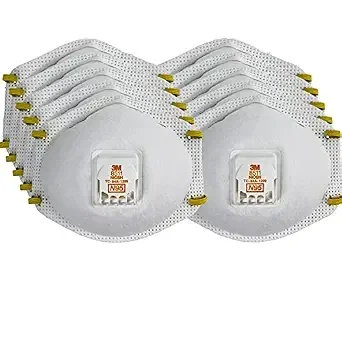 |
3M 8511 N95 Particulate Respirator, 10-Pack – $24.99 A NIOSH-approved N95 with a Cool Flow exhalation valve, sized for exactly the job this article recommends it for — splitting and stacking heavily moldy firewood outdoors without breathing in the spore cloud.
|
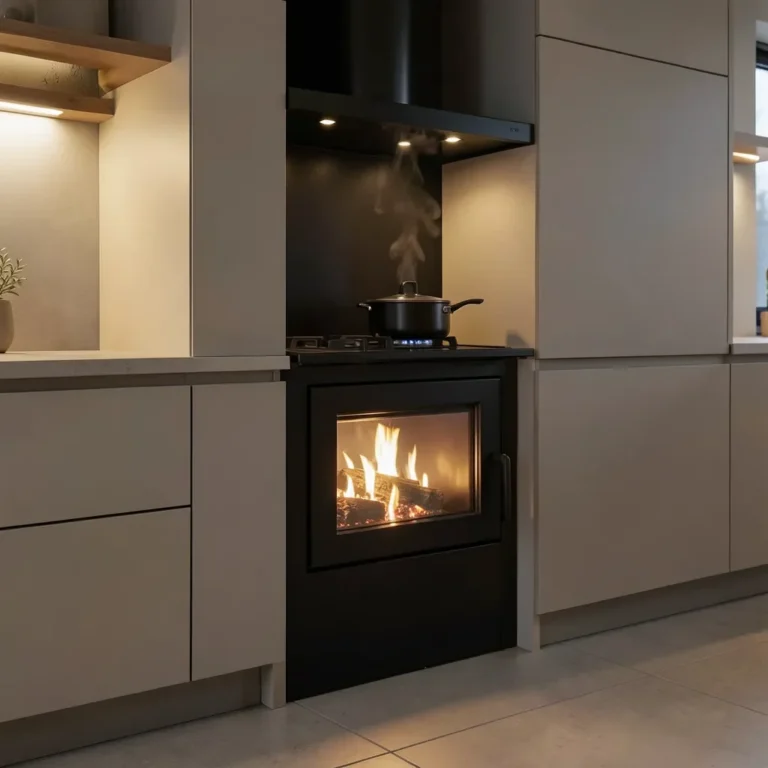
Mold is a living fungus, and like any organism, it dies when it gets hot enough. Mold spores and the mycelium growing through damp wood start breaking down well under 300°F, and a wood stove or fireplace running normally reaches primary combustion temperatures of 600–1,100°F, with secondary combustion (where the smoke itself burns) often exceeding that. By the time a log is fully engulfed, any mold on its surface has been incinerated along with the wood fibers around it — there’s no mechanism for mold to “survive” a fire that hot.
That’s a different claim than saying moldy wood is a non-issue. It just means the danger isn’t coming from the flame. (Mold is only one type of wood fungus — if what you’re looking at might be a mushroom, bracket fungus, or deep wood-decay rot instead of surface mold, our guide to burning wood with fungus breaks down the other types and when they’re a bigger problem than mold.)
Why a Few Spores in the Firebox Isn’t the Same as a Room Full of Them
Loading a moldy log into a closed stove does release a small puff of spores in the second or two before the door shuts, and that’s normal — it’s a brief, low-volume release into a firebox that’s about to be sealed and heated. Compare that to actively splitting a moldy round with a maul: every strike shears through colonized wood and throws spores into the air around your face for as long as you keep swinging, and that’s the version of “exposure” that actually adds up.
The Real Risk: Spores Released Before the Wood Ever Burns
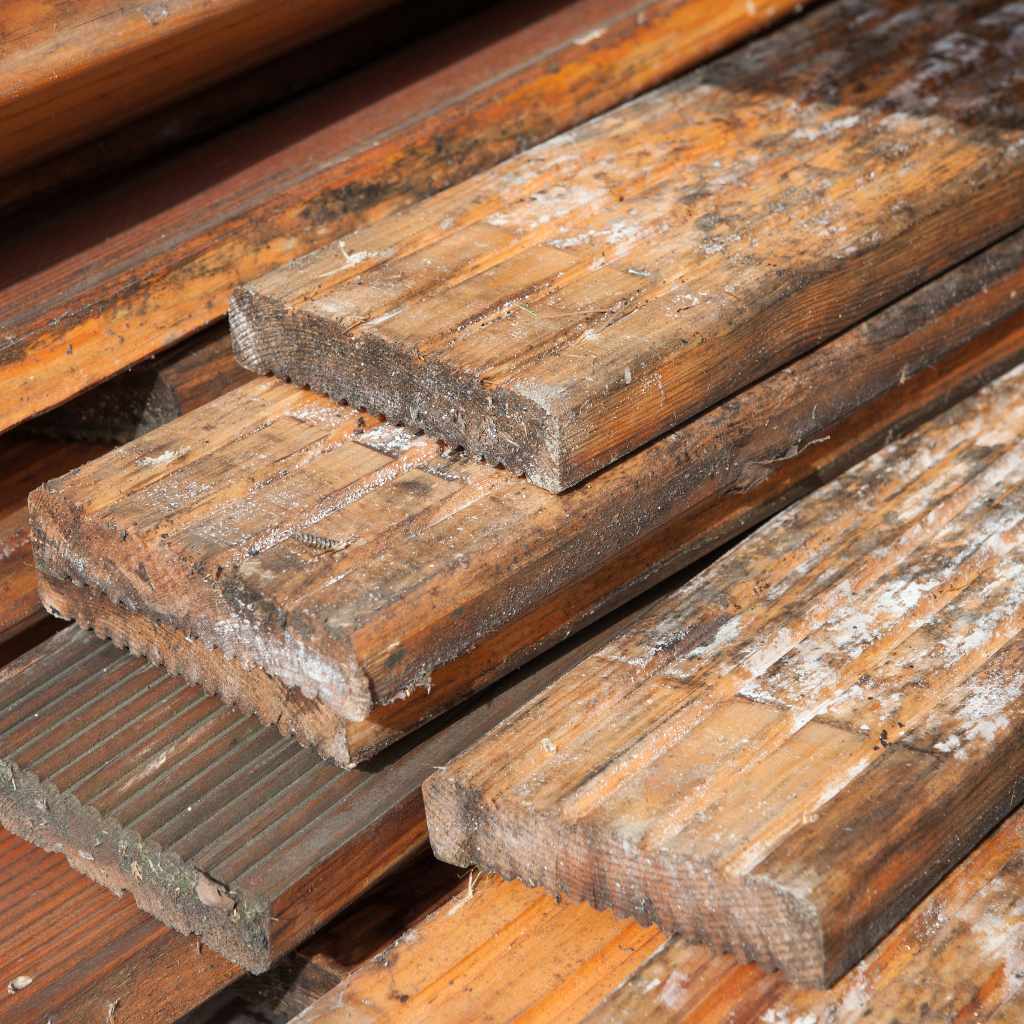
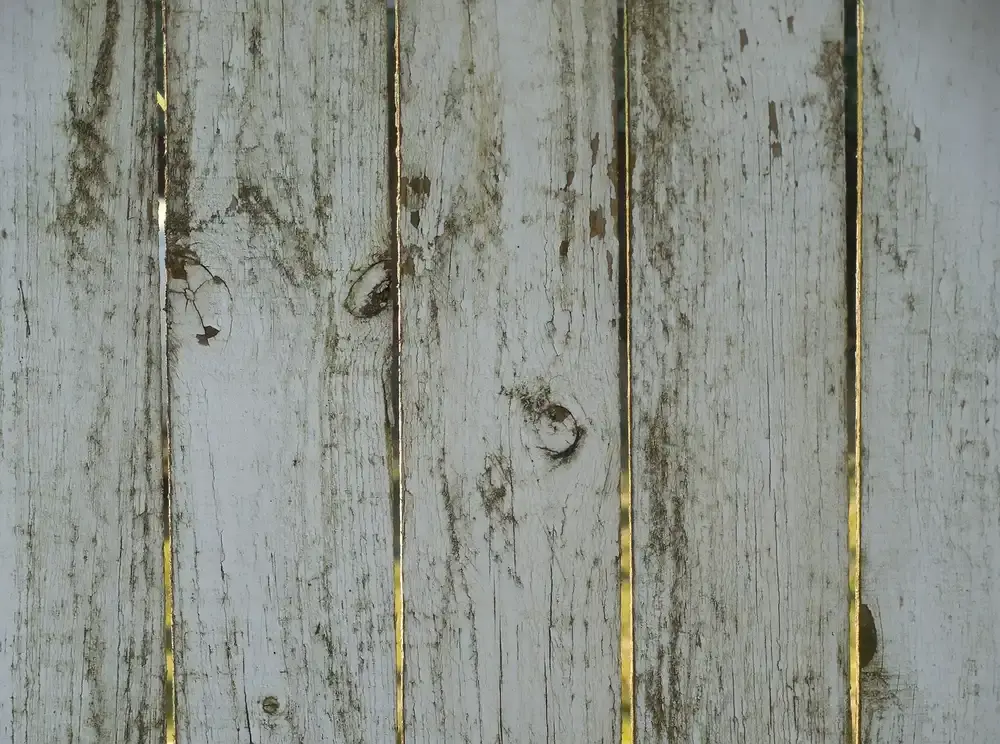
Different molds show up as black, white, or green patches, and the color alone doesn’t tell you how serious it is — see black mold vs. mildew on wood if you need to identify what you’re actually looking at before deciding whether it’s a burn-pile candidate or worth saving. Mold spreads by releasing microscopic spores into the air, and physical disturbance is exactly what triggers that release. Handling, splitting, stacking, or even just knocking two moldy pieces together sends a visible puff of spores — sometimes literally visible as a cloud of dust — into your immediate breathing zone. Once airborne, those spores are a genuine respiratory irritant and allergen. Inhaling them can trigger sneezing, coughing, throat and eye irritation, and in people with asthma, mold allergies, or a compromised immune system, more serious reactions including asthma flare-ups or prolonged respiratory symptoms.
Who Actually Needs to Be Careful
For a healthy adult handling a log or two of lightly moldy wood outdoors, the exposure is brief and generally low-consequence — comparable to raking damp leaves or turning a compost pile. The calculation changes for anyone with asthma, a diagnosed mold allergy, COPD, or a weakened immune system, and for small children, where even modest spore exposure can provoke a stronger reaction. If that describes you or someone in the household, either have someone else handle the heavily moldy pieces or take the precautions below seriously rather than skipping them.
How to Handle Moldy Firewood Safely

Do the Handling Outdoors, Not in an Enclosed Space
This is the single biggest factor. Outdoors, spores disperse into open air almost immediately. In a garage, basement, or mudroom, they linger, settle on surfaces, and keep getting kicked back into the air every time someone walks through. Split, sort, and knock the loose bark and debris off moldy wood outside, then bring in only what you’re burning that day or the next.
Wear a Mask and Gloves for Anything Heavily Moldy
For wood with light surface mold, gloves alone are usually enough to keep spores off your hands and out from under your fingernails. For logs with heavy, fuzzy, or thick mold coverage, add a properly fitted N95 (or better) respirator rated for particulates — a cloth mask or bandana doesn’t filter spores at a useful rate. This matters most for the person doing the actual splitting, since that’s where spore release is highest.
Don’t Store Heavily Moldy Wood Indoors
Wood that’s still damp enough to be actively growing mold will keep growing it in storage, and stacking it indoors turns your wood pile into a slow, continuous spore source in a space with poor air turnover. Keep the wood pile outside, off the ground, and under a cover that allows airflow — not sealed plastic, which traps the moisture that’s feeding the mold in the first place.
When Moldy Wood Isn’t Worth Burning Anyway
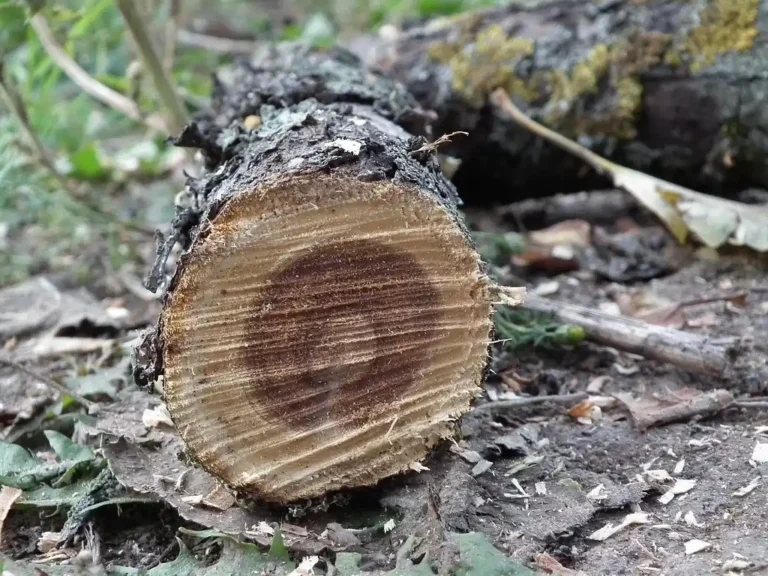
Mold on the surface of otherwise sound, seasoned wood is a handling issue, not a reason to throw the wood out. But mold is frequently a visible symptom of a bigger problem: wood that stayed wet long enough to start decaying. If you can press a thumbnail into the wood and leave a dent, if it feels spongy or unusually light for its size, or if the mold has spread well past the surface into soft, discolored wood underneath, you’re not looking at a mold problem anymore — you’re looking at rot.
Rotten, extensively decayed wood burns poorly regardless of the mold question. Decay breaks down the cellulose and lignin that give wood its heat content, so punky or rotted logs put out noticeably less heat (lower BTU) per piece than sound wood of the same size. They also tend to hold more residual moisture even after “drying,” which means more smoke, more visible steam hissing out of the ends while it burns, and more creosote building up in your flue — a real chimney-fire risk over a season of regular use. In that case, the right move isn’t worrying about spores; it’s recognizing the wood is past the point of being good fuel and setting it aside for disposal instead. (If the moldy piece in question is actually a furniture piece or board you’d rather save than burn, removing mold from wood furniture covers cleaning methods that don’t involve fire at all.)
Preventing Mold on Stored Firewood
Stack It Off the Ground With Airflow on All Sides
Mold needs moisture to get started, and a wood pile sitting directly on soil or grass wicks up ground moisture constantly. Stack on pallets, rails, or a raised rack so air can move underneath, and leave gaps between rows rather than packing logs tight — airflow is what keeps a pile dry enough that mold never gets a foothold.
Season Wood Fully Before You Stack It Long-Term
Freshly cut (green) wood can carry 50% moisture content or more, which is exactly the environment mold thrives in. Split and stack it right after cutting, and give it a proper seasoning period — commonly six months to a year depending on species and climate — before it goes into a tightly packed long-term pile. Wood that’s already down around 20% moisture or lower when it’s stacked is far less hospitable to mold than wood that goes into storage still wet.
Cover the Top, Leave the Sides Open
A simple roof-only cover (tarp, metal panel, or a lean-to style wood shed) keeps rain and snow off the top of the pile while letting the sides stay exposed to airflow. Wrapping a pile entirely in plastic does the opposite of what you want — it traps whatever moisture is already in the wood and creates a humid microclimate that actively encourages mold growth.
Frequently Asked Questions
Is it safe to burn wood with a little surface mold on it?
Yes. Light surface mold on wood that’s otherwise dry and sound is destroyed by the heat of a normal fire and isn’t a meaningful safety concern once it’s burning. The precaution that actually matters is wearing gloves (and a mask for heavier mold) while handling and loading it, since that’s when spores become airborne.
Does burning moldy wood release mold spores into my house?
Not from the fire itself — a closed stove or fireplace burns hot enough to destroy spores along with the wood, and any smoke goes up the flue, not into the room. The spore exposure risk comes from handling the wood beforehand, not from the combustion process.
Should I wear a mask when splitting or stacking moldy firewood?
For heavily moldy logs, yes — a fitted N95 respirator and gloves are worth using, since splitting is when the most spores get released into the air around your face. For wood with only light surface mold, gloves are usually enough.
Is moldy firewood actually rotten, or is it still good to burn?
Not necessarily — surface mold alone doesn’t mean the wood has decayed. Press a thumbnail into it: if it’s still firm, the wood is likely sound underneath the mold. If it dents easily, feels spongy, or is unusually light, the wood has started to rot, and it’s not just a mold-handling issue anymore — rotted wood also burns poorly, with lower heat output and more smoke and creosote.
Who should avoid handling moldy wood without extra precautions?
Anyone with asthma, a diagnosed mold allergy, COPD, or a weakened immune system, along with young children, should either avoid handling heavily moldy wood directly or use gloves and an N95 mask and do the work outdoors. For most healthy adults, brief outdoor handling of moderately moldy wood is low-risk.
Final Thoughts
Burning wood with mold on it is not, by itself, a fire-safety or air-quality hazard — the heat of combustion destroys mold along with everything else in the firebox. Where the real risk lives is in the minutes before that: carrying, splitting, and stacking moldy wood releases spores into the air you’re breathing, and that’s worth taking seriously if you or someone nearby is sensitive to mold. Handle it outdoors, glove up, add a mask for anything heavily covered, and don’t store it indoors while it’s still damp. And if what you’re looking at is more rot than surface mold — soft, spongy, crumbling wood — set it aside; it’ll smoke more and heat less than good, sound firewood regardless of the mold question.
Sponsored / affiliate links. As an Amazon Associate I earn from qualifying purchases. I may earn additional commission from eligible campaigns.