Behr Paint: Proven Wait Time Between Coats
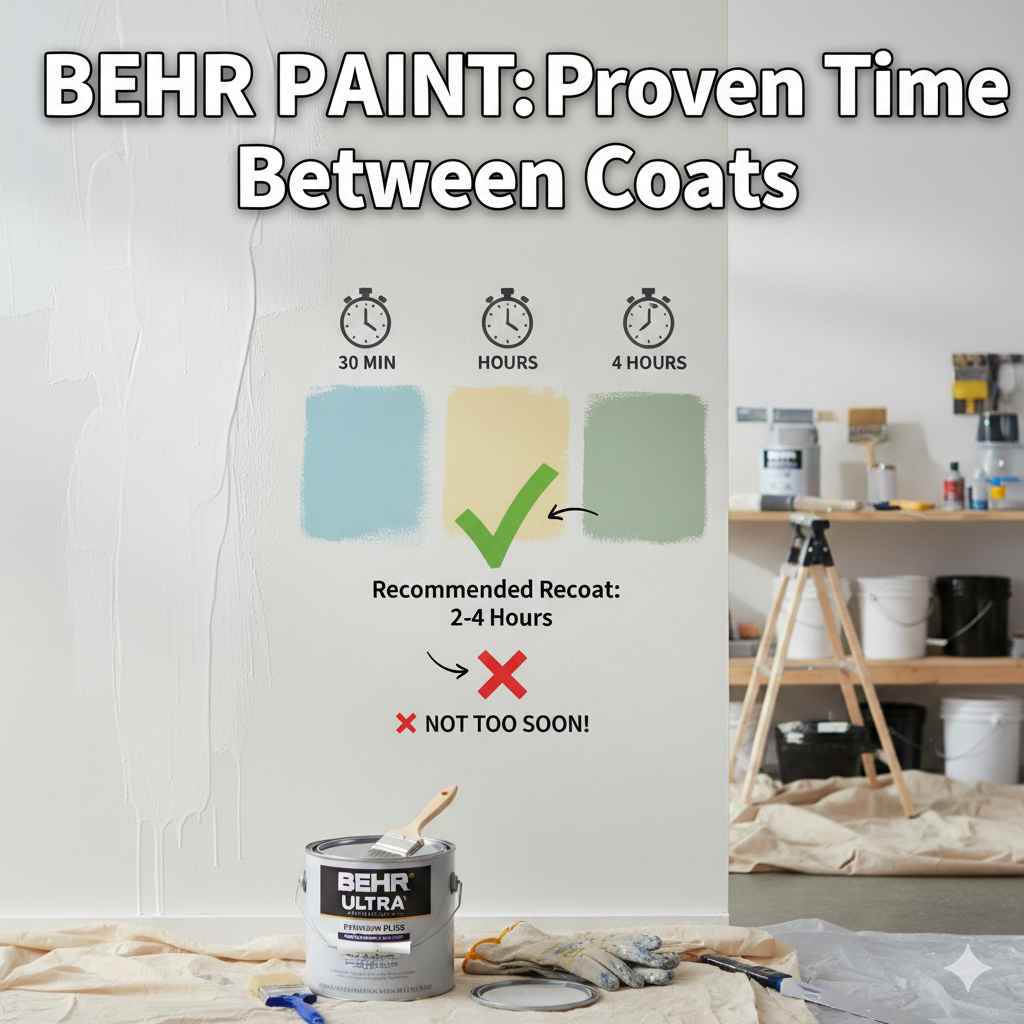
Behr paint usually needs 4 hours between coats for optimal drying and adhesion. This ensures your painted surface looks smooth and lasts longer. Always check your specific Behr product label for precise instructions, as variations exist based on paint type and environmental conditions.
Hey there, DIY friends and fellow home improvers! Md Meraj here, ready to dive into a question that pops up more often than a stubborn knot in a piece of pine: “How long do I really have to wait between coats of Behr paint?” It’s a common hurdle that can leave you scratching your head, wondering if you’re rushing things or just being too patient. We’ve all been there, eager to see the finished result, but painting too soon can spell trouble – think smudges, peeling, and a finish that just doesn’t look as crisp as you’d hoped. But don’t worry! Getting that perfect finish is totally achievable with a little know-how. We’ll break down the proven wait times, explain why they matter, and give you the confidence to tackle your next painting project like a pro. Stick around, and we’ll make sure your Behr paint job looks fantastic!
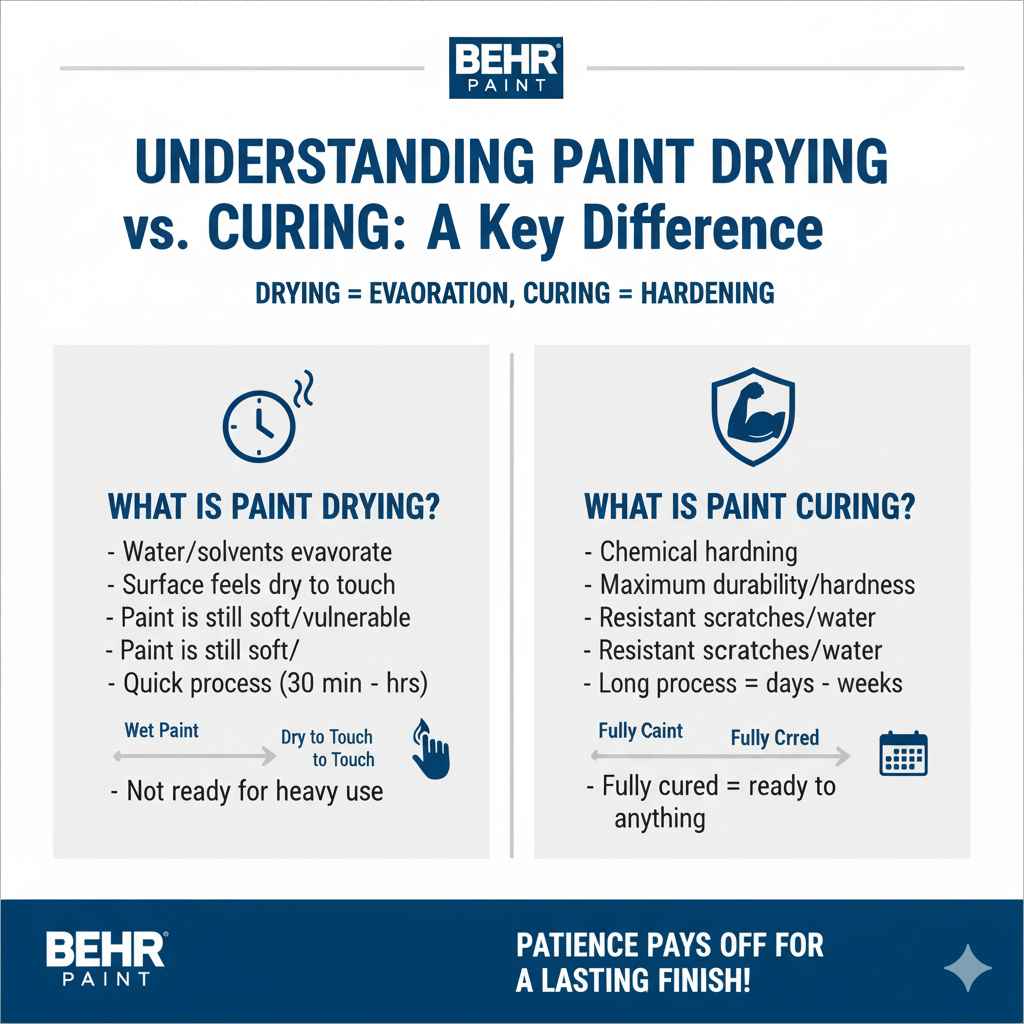
Understanding Paint Drying vs. Curing: A Key Difference
Before we get into the specifics of Behr paint wait times, it’s super important to understand two words you’ll see a lot: drying and curing. They sound similar, but they mean very different things for your paint job.
What is Paint Drying?
When paint is “drying,” it means the water or solvent in the paint is evaporating. This is the stage where the paint goes from being liquid to a more solid, touchable film. It’s when you can gently touch the surface without getting paint on your finger. Most paints feel dry to the touch within an hour or two. This is the time frame most people think about when they ask about waiting between coats. However, this is just the beginning!
What is Paint Curing?
Paint “curing” is a much longer process. It’s when the paint film reaches its maximum hardness and durability. During curing, chemical reactions happen within the paint that make it tough, washable, and resistant to scuffs and stains. While the paint might feel dry, it’s still somewhat soft underneath and isn’t ready for heavy-duty use. Think of it like woodworking: sanding wood smooth is like drying, but applying a durable finish and letting it harden properly is like curing. You can’t skip the curing time and expect the same long-lasting results!
Behr Paint Wait Time: The Golden Rule
As a general guideline, Behr recommends waiting at least 4 hours between coats for most of their interior and exterior latex-based paints. This 4-hour window is considered the sweet spot for the paint to be dry enough for a second coat without causing issues, yet still allow for good adhesion between the layers.
This recommendation is found on many Behr product data sheets and on the paint can itself. It’s a good baseline, but it’s absolutely crucial to remember that this can vary. Environmental factors and the specific type of Behr paint you’re using play a big role. Always, always check the label on your can!
Factors Influencing Paint Wait Times
So, why isn’t it always a simple, one-size-fits-all answer? Several things can speed up or slow down how long your Behr paint needs to dry before you apply the next coat. Understanding these factors will help you make the best decision for your specific project.
Here are the main players:
- Temperature: Warmer temperatures generally help paint dry faster. Colder temperatures can significantly slow down the drying and curing process. Most paints have an ideal temperature range for application – usually between 50°F (10°C) and 85°F (29°C). Applying paint outside this range can lead to poor film formation and adhesion.
- Humidity: High humidity is the enemy of fast-drying paint. When there’s a lot of moisture in the air, it slows down the evaporation of water or solvents from the paint. Think of it like trying to dry your hands on a steamy bathroom day – it takes longer!
- Airflow: Good ventilation is key. Opening windows or using fans helps move moist air away from the painted surface, allowing fresh, drier air to come in and speed up evaporation. Poor airflow can trap moisture and extend drying times.
- Paint Type: Different Behr paint formulations dry at different rates. For instance, a fast-drying interior latex might be ready sooner than a heavy-duty exterior oil-based enamel. Newer “low-VOC” or “zero-VOC” paints might also have slightly different drying characteristics.
- Paint Thickness: Applying the paint too thickly can trap solvents and moisture, causing the surface to dry slowly and potentially leading to issues like blistering or cracking. It’s always better to apply multiple thin coats than one thick one.
- Surface Porosity: A very porous surface (like bare drywall or unprimed wood) will absorb some of the liquid from the paint, which can affect how quickly the surface layer dries.
Behr Paint Wait Times by Product Type (When 4 Hours Might Not Be Enough)
While 4 hours is the standard recommendation for many Behr paints, it’s wise to know that some specialized products have different requirements. When in doubt, always refer to the specific product’s Technical Data Sheet (TDS), which you can usually find on the Behr website. Here’s a look at common Behr paint categories and their general wait time considerations:
| Behr Paint Type | General Wait Time Between Coats | Notes |
|---|---|---|
| Behr Premium Plus Interior/Exterior (Latex) | 4 Hours | Standard, reliable choice for many projects. |
| Behr Marquee Interior (Latex) | 4 Hours | Known for coverage, but still adheres to standard drying. |
| Behr Ultra Interior/Exterior (Latex) | 4 Hours | Durable finish, follow standard guidance. |
| Behr Dynasty Interior (Latex) | 4 Hours | Scrubbable and tough, but check for specific conditions. |
| Behr Alkyd Enamel Interior (Oil-Based) | 24 Hours | Oil-based paints cure much slower. Often requires a full day. |
| Behr DeckOver® or Deck Plus Stains/Sealants | 4-6 Hours (to recoat) | More specific to deck products, check label carefully. Might vary based on temperature and humidity. |
| Behr Masonry Waterproofer | 4-6 Hours (to recoat) | Can be affected by porous surface and moisture absorption. |
| Behr Specialty Primers (e.g., Stain-Blocking, Bonding) | 1-4 Hours (depending on primer) | Primers often have shorter recoat times, but check the specific product data. |
| Behr Spray Paints (e.g., Enamel Spray) | 15-60 Minutes | Aerosol paints are designed for quick drying between light coats. |
As you can see, while 4 hours is common, specialty products like oil-based enamels or some deck coatings have significantly longer wait times. Always treat the 4-hour mark as a starting point and confirm with your product’s instructions.
How to Tell If Your Paint Is Ready for a Second Coat
Beyond just looking at the clock, you can also use your senses to get a good idea if the paint is ready. Think of it like checking if your woodworking glue is dry before moving to the next step – a little tactile test can save you trouble.
Here are a few simple tests:
- The Finger Touch Test (Gentle!): Lightly touch an inconspicuous area of the painted surface with your fingertip. If it feels tacky or leaves a residue on your finger, it’s not dry enough. It should feel smooth and firm, with no paint transferring to your skin. Be very gentle; you don’t want to leave a dent or mark!
- Visual Inspection: Does the paint still look wet or “flat” in some areas? Drying often involves a change in sheen, moving from a wet look to a more uniform finish. If you see shiny wet spots next to a duller dry area, wait longer.
- Smell Check: While not definitive, a strong “paint” smell indicates that solvents are still evaporating. A faded odor suggests more of the drying process is complete.
- Environmental Clues: If it’s very humid or cold, chances are the paint is taking longer than usual, even if the clock says 4 hours. Trust your environment’s cues.
These tests are best used in conjunction with the recommended wait time. If the can says 4 hours and it passes these tests, you’re likely good to go. If it fails the tests after 4 hours, give it more time.
The Importance of Proper Wait Times: Why Patience Pays Off
It might seem like a hassle to wait, but respecting the paint’s drying time is crucial for a professional-looking and long-lasting finish. Skipping this step can lead to a cascade of problems that are far more time-consuming to fix than waiting an extra few hours.
- Improved Adhesion: Each coat needs a solid base to stick to. If the first coat is still wet or soft when you apply the second, the new coat can lift or pull the first coat, leading to peeling or flaking down the line. Proper drying ensures excellent adhesion between layers.
- Smoother Finish: Applying a second coat to a tacky surface can drag the wet paint, creating streaks, uneven texture, and visible brush marks. Waiting until the paint is properly dry allows you to apply a smooth, uniform layer.
- Durability: As we discussed, paint cures over time. A paint job that hasn’t been allowed to cure properly won’t be as hard, washable, or resistant to scuffs, stains, and general wear and tear. This is especially important for high-traffic areas like hallways, kitchens, and bathrooms. For more information on paint durability and performance, you can refer to resources like Building Science Corporation’s Digest on Paint, which delves into vapor permeability and film formation.
- Preventing Bubbling and Peeling: Trapped solvents or moisture can cause bubbles to form under the new layer of paint. As the paint continues to dry and cure, these bubbles can pop, leading to peeling.
- Better Color Uniformity: Wet paint can look darker than dry paint. Applying a second coat too soon might lead to an uneven appearance as the first coat continues to dry beneath the second.
Step-by-Step Guide to Applying Multiple Coats of Behr Paint
Let’s walk through how to apply your Behr paint for the best results, keeping those crucial wait times in mind. This is straightforward, just like preparing a cutting board for a food-safe finish – attention to detail makes all the difference!
- Preparation is Key: Ensure your surface is clean, dry, and free of dust, grease, or old, peeling paint. For a professional finish, this step is non-negotiable. Prime if necessary according to the paint manufacturer’s recommendations.
- Apply the First Coat: Stir your Behr paint thoroughly. Apply a thin, even coat using your chosen tool (brush, roller, or sprayer). Work in manageable sections.
- Read the Can & Check Environmental Conditions: Before you put your tools down, look at the Behr paint can. Note the recommended recoat time. Assess your painting environment: is it hot, cold, humid, or well-ventilated? Adjust your expectations accordingly.
- Wait According to Label & Assess: Set a timer for the recommended recoat time (e.g., 4 hours for many Behr latex paints). At the end of that time, perform your touch tests in an inconspicuous area.
- Apply the Second (or Subsequent) Coat: If your tests indicate the paint is dry to the touch and not tacky, proceed with applying the second coat. Apply it thinly and evenly, just like the first coat.
- Allow for Full Curing: Remember that even after the second coat is applied and dry to the touch, the paint is still curing. Protect the surface from heavy traffic, moisture, and cleaning for at least 7 days (or as directed on the can) to allow it to reach its full hardness. For high-moisture areas like bathrooms, ensure proper ventilation during this curing period by using exhaust fans. You can find more on building ventilation and its importance for maintaining structures and finishes on government sites like the U.S. Environmental Protection Agency’s Indoor Air Quality page.
Tips for Speeding Up Drying (Without Compromising Quality)
Sometimes, you just need things to move along a bit quicker, especially if you’re on a tight schedule. Here are some safe ways to help your Behr paint dry faster:
- Optimize Airflow: Open windows and doors (if weather permits) or use fans to circulate air around the painted Wsurface. Cross-ventilation is best – creating a breeze that moves through the room.
- Control Temperature: Aim for a moderate temperature, ideally between 70°F (21°C) and 75°F (24°C). Avoid painting in conditions that are too cold or too hot, as this can hinder proper drying.
- Reduce Humidity: If you’re in a humid environment, consider using a dehumidifier in the room while the paint dries.
- Apply Thin Coats: This is crucial! Thick coats take much longer to dry than thin, even coats. It’s always better to apply two thin coats than one thick one.
- Use Paint Additives (with caution): Some paint additives are designed to speed drying. However, these can sometimes affect the paint’s sheen, durability, or color. Always test in an inconspicuous area and ensure the additive is compatible with your specific Behr paint. Consult the additive manufacturer’s instructions and Behr’s recommendations.
Remember, these tips are about speeding up the natural drying process, not forcing it. Pushing the paint too hard or using improper methods can still lead to a compromised finish.
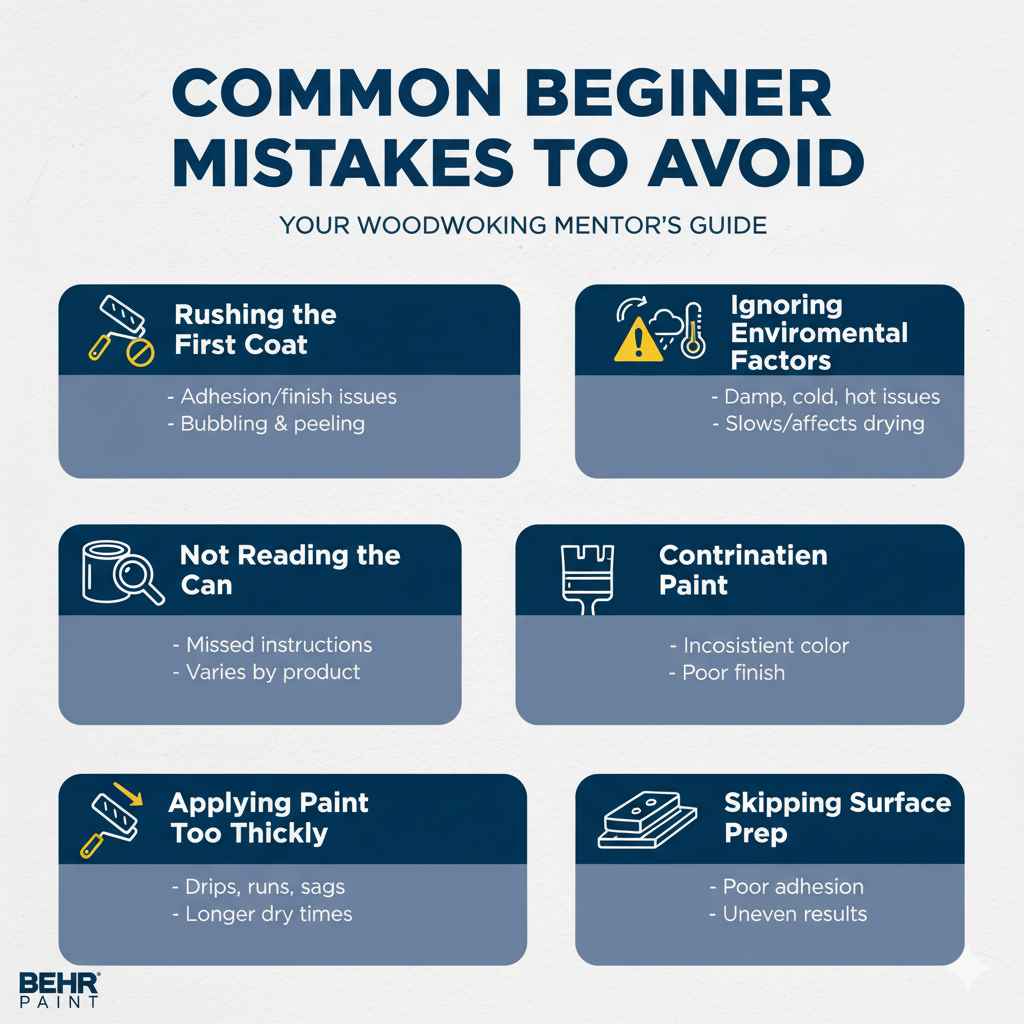
Common Beginner Mistakes to Avoid
As your woodworking mentor, I’ve seen many DIYers learn through experience. Here are a few common pitfalls to sidestep when painting:
- Rushing the First Coat: The biggest mistake is applying the second coat before the first is sufficiently dry. This is where most adhesion and finish problems start.
- Not Reading the Can: Every paint product is a little different. The label is your most important guide. Don’t assume all Behr paints behave identically.
- Ignoring Environmental Factors: Painting in damp, cold, or extremely hot conditions without considering how it impacts drying time.
- Applying Paint Too Thickly: Believing that one thick coat is faster or better than two thin ones. It often leads to runs, drips, and slow drying.
- Contaminating Paint: Dipping your brush or roller directly into the can if it’s already been used for a previous coat without properly cleaning it. Also, not stirring paint well enough can lead to inconsistent color.
- Skipping Surface Prep: Painting over dirt, grease, or glossy surfaces without proper cleaning and sanding can lead to poor adhesion.
Frequently Asked Questions (FAQ)
Q1: Can I paint a second coat of Behr paint after only 1 or 2 hours?
Generally, no. While some paints may feel dry to the touch in that time, they are not usually dry enough for proper adhesion of a second coat. Behr typically recommends at least 4 hours. Painting sooner can lead to smudging, lifting, and poor durability. Always check your specific product’s instructions.
Q2: What happens if the humidity is very high?
High humidity significantly slows down the evaporation of water from latex paints. If it’s very humid, your Behr paint will take longer than the recommended 4 hours to dry. You might need to wait 6, 8, or even more hours, or until the surface passes your touch tests.