Can You Use Base Paint Without Tint? Only With Certain Bases
Yes, you can apply base paint straight from the can without adding any colorant – whether that’s actually a good idea depends entirely on which base you’re holding. A can labeled Light Base or Pastel Base is mostly white pigment and will roll on looking like an ordinary, if slightly thin, white paint. A can labeled Deep Base or Ultra-Deep Base is a different story: manufacturers strip most of the white pigment out of those formulas on purpose, so untinted they dry almost clear with a grayish, streaky finish that won’t hide much of anything underneath. Knowing which base you have, and what it was actually designed for, is the difference between a usable coat of paint and a wasted quart.
The Quick Answer: It Depends on Which Base You Have
Best True-White Pick (Skip the Base-and-Tint Math)
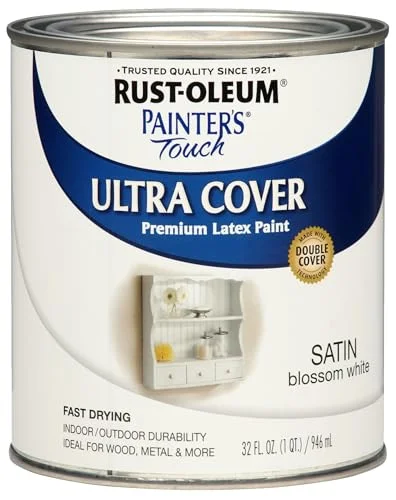 |
Rust-Oleum Painter’s Touch Ultra Cover, Satin Blossom White – $17.50 A ready-mixed true white – not a base – so there’s no tint math and no guessing whether your can is Light or Deep base.
|
If you grabbed a can of base paint and don’t want a trip back to the paint counter, the honest answer is that a Light or White base can work as a stand-in white paint in a pinch, especially for touch-ups over a surface that’s already light. It still won’t perform quite like a paint formulated from the start to be white – plan on an extra coat, and expect the sheen to look slightly different once it cures. If coverage and a predictable finish matter more than skipping a store trip, a ready-mixed true white like the pick above skips the guesswork entirely, because it isn’t a base at all – it’s the finished formula.
Base Paint Isn’t Primer – That Mix-Up Causes Most of the Bad Advice
A lot of the “just use base paint as your primer” advice floating around forums and older paint blogs starts from a real misunderstanding. Base paint and primer are not the same product, even though both often sit on the shelf looking like a plain white can. Primer is formulated with adhesion promoters, stain-blocking resins, and sealants that keep porous drywall or old, glossy paint from telegraphing through your topcoat. Base paint has none of that – it’s simply the topcoat formula minus the colorant, the exact same resin-and-pigment system that becomes a named color once tint is mixed in at the register. Skip the tint and you still don’t have a primer; you just have an unfinished topcoat.
That’s why painters who try untinted base as a primer over bare drywall or a stained surface are often disappointed by bleed-through or poor adhesion, and then blame “the base paint” instead of the missing primer step. If what you actually need is a primer, some primers can be tinted too, which is a genuinely useful trick for hiding a dark color in fewer coats – but that’s a separate product from an untinted paint base.
Why Paint Bases Aren’t Formulated the Same Way
Every tintable paint line splits its formula into two or more bases specifically so a mixing machine can add colorant without diluting the paint’s performance. The difference between those bases comes down to how much white pigment (titanium dioxide) each one starts with, and manufacturers set that amount on purpose, not by accident.
- Light or Pastel Base (often called Base 1): loaded with white pigment, leaving room for only a small amount of colorant. This is the closest of the bases to an actual white paint on its own.
- Medium Base (Base 2): roughly half the white pigment of a light base, traded for more colorant capacity. Untinted, it looks noticeably thinner and grayer than a light base.
- Deep Base (Base 3): most of the white pigment has been removed to leave room for heavy colorant loads used in bold, saturated colors.
- Ultra-Deep or Accent Base (Base 4): has the least white pigment of all – sometimes almost none – because it’s built to accept the maximum amount of colorant for the darkest shades in the fan deck.
Most major paint brands use some version of this same three-or-four-tier system, even though the marketing names on the can differ from one manufacturer to the next. That’s also why grabbing “whatever base was on the shelf” instead of the specific one your color chip calls for can throw off both the final color and the opacity, since you’re changing how much pigment headroom the mixing machine has to work with.
What Skipping the Tint Actually Looks Like, Base by Base
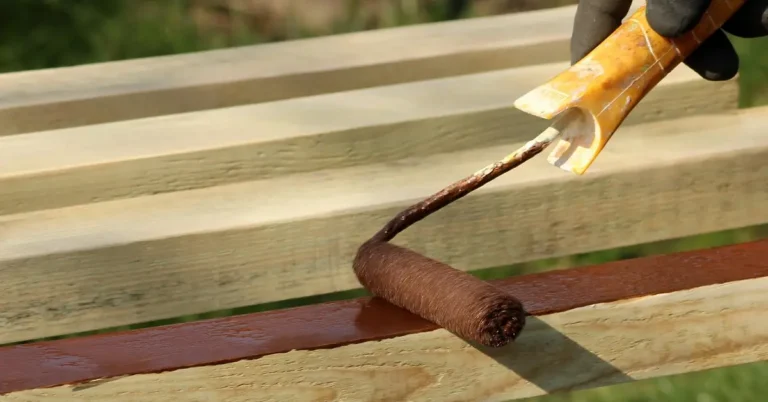
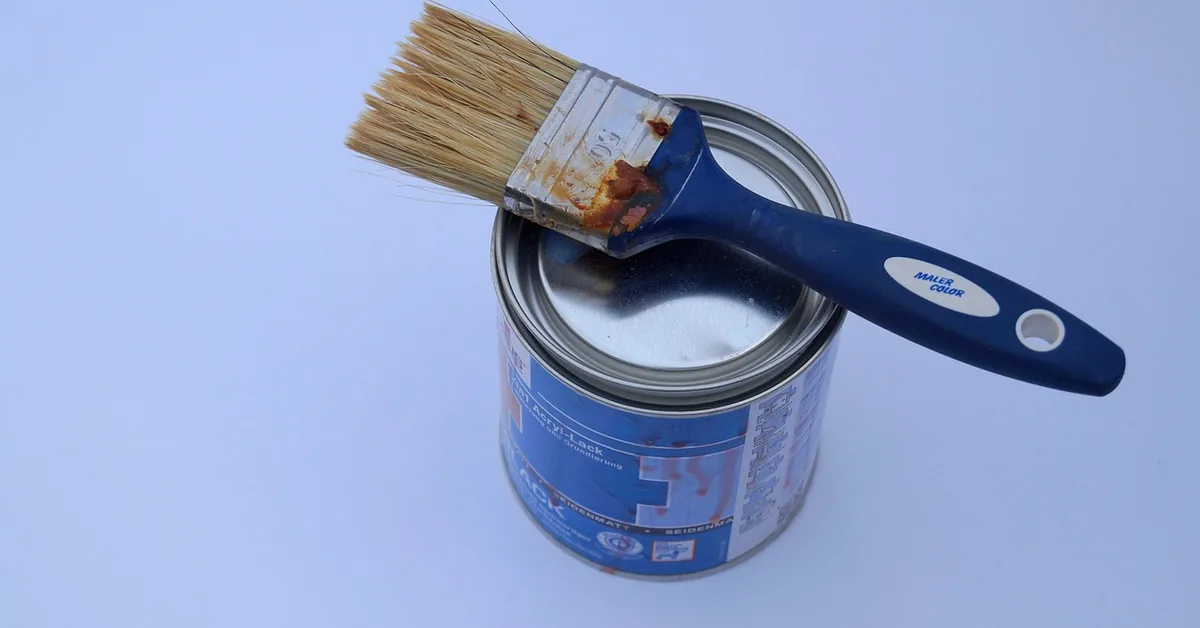
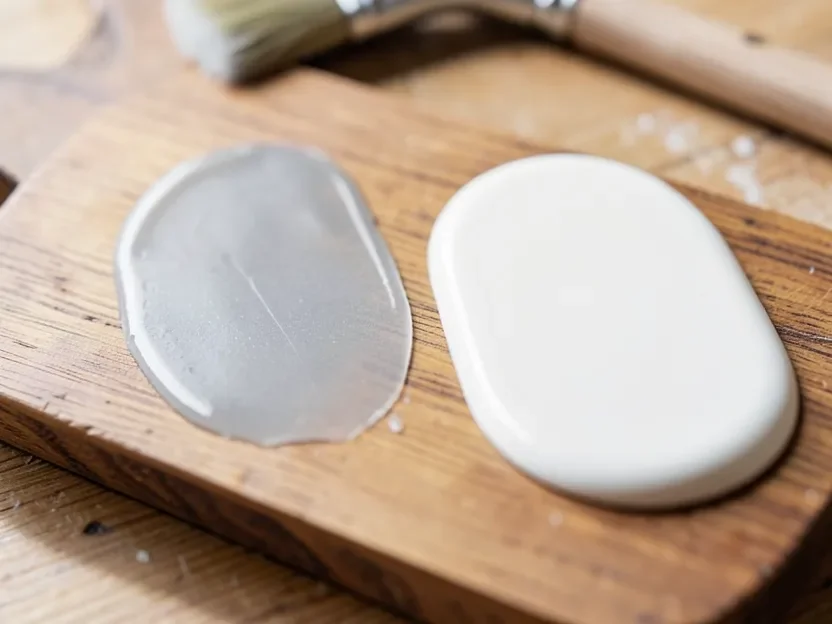
The photo below shows the practical result of that pigment difference: an untinted Deep or Ultra-Deep base dries thin, translucent, and slightly gray, more like a wash than a coat of paint. An untinted Light or White base dries opaque enough to pass for an actual white, even if it’s not quite as durable or fade-resistant as a paint engineered from scratch to be white.
In practice, that means:
- Light or Pastel base, untinted: usable as a flat-ish white. Plan on one extra coat compared to a purpose-made white paint.
- Medium base, untinted: thinner and slightly gray-white. It will look blotchy over anything except another white or very light surface.
- Deep or Ultra-Deep base, untinted: translucent and watery, with a gray, streaky sheen. Even three or four coats won’t make it look like a real white – it isn’t designed to hide anything on its own.
How to Tell Which Base You’re Holding Before You Commit
Most manufacturers print the base name or number directly on the can, usually on the lid or in small text near the barcode on the label – look for “Base 1,” “Light Base,” “Deep Base,” or similar wording rather than assuming from the brand name alone. If the label is gone or you’re working from a can someone else opened, pop the lid and look at the paint itself: a Light or White base looks fully opaque and genuinely white in the can, while a Deep or Ultra-Deep base looks noticeably translucent, almost like skim milk or thin glue, even before it’s been on a wall. Stirring it won’t change that – there’s simply not enough pigment in the can to make it opaque, tint or no tint. When in doubt, brush a small test patch on cardboard and let it dry fully; the base type will be obvious once it cures.
The One Situation Where Untinted Base Paint Actually Works
Repainting an already-white or very light wall, door, or piece of trim as a quick refresh is really the only project where reaching for an untinted Light or White base makes sense – you’re not trying to match a specific color, you just want to knock down scuffs and yellowing, and a slightly lower-durability finish is an acceptable trade for not buying a full can of finished paint. Even then, budget for two coats. For a Medium, Deep, or Ultra-Deep base, there isn’t a comparable use case – those formulas exist purely to carry colorant, and you can read more about how the numbered Base 1 through 4 system is used at the paint counter if you want the full breakdown.
Frequently Asked Questions
Can I use base paint without tinting it?
Yes, but only certain bases hold up untinted. Light and Pastel base will dry as a usable, if slightly thin, white. Medium, Deep, and Ultra-Deep bases have very little white pigment left in them on purpose, so untinted they dry translucent and grayish rather than white.
Is untinted base paint the same as primer?
No. Base paint is the topcoat formula before colorant is added, and it has none of the adhesion promoters, stain blockers, or sealants that make a dedicated primer work. Using it in place of a real primer over drywall, stains, or glossy old paint often leads to bleed-through or poor adhesion.
What happens if you paint with Deep Base and don’t tint it?
It dries almost clear with a gray, streaky, low-hide film. Deep and Ultra-Deep bases are formulated with the white pigment stripped out specifically to leave room for heavy colorant loads, so on their own they don’t function as a usable white paint even after multiple coats.
Can I use white or light base paint as a regular white paint?
It can work for touch-ups on an already light surface, but expect to need at least one extra coat and a slightly different sheen than a paint that was formulated from scratch to be white. For a project where coverage matters, a ready-mixed true white paint will perform more predictably.
Sponsored / affiliate links. As an Amazon Associate I earn from qualifying purchases. I may earn additional commission from eligible campaigns.