How to Remove Paint from Wood Stair Railings (Lead-Safe Method)
Citrus-based stripping gel removes paint from wood stair railings without damaging the grain — but if your home was built before 1978, test the old paint for lead before sanding or scraping it. Disturbing lead paint dust is a federal EPA RRP violation and a real health hazard for kids and pets. This guide covers the lead test, the gel-and-scrape method for spindles, sanding grits that won’t gouge turned wood, and how to refinish the railing afterward — part of our broader wood paint and finishing coverage.
What You’ll Need to Remove Paint from a Wood Stair Railing
Gather these before you start so you’re not stopping mid-job with wet stripper on the railing:
- Citrus-based paint stripper gel — clings to vertical surfaces and turned spindles better than liquid strippers
- Plastic or nylon scraper — a metal putty knife will gouge softwood railings and round-over profiles
- Wire brush or detail brush — for grooves on turned spindles and newel post caps
- 120-grit and 220-grit sandpaper — 120 for leftover residue, 220 for the final smoothing pass
- Nitrile gloves, safety goggles, and a NIOSH-rated dust mask
- Heavy drop cloth to catch scraped paint chips (never sweep dry paint chips if lead is suspected — see below)
- Lead paint test kit if your home was built before 1978
Best Paint Stripper Pick
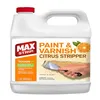 |
Max Strip Citrus Paint Stripper Gel, 1 Qt – $17.99 Works into the grooves of turned spindles the way a flat scraper can’t — exactly the problem the spindle section below covers.
|
As an Amazon Associate we earn from qualifying purchases.
Is There Lead in the Old Paint? Test Before You Start
If your house was built before 1978, assume the railing paint contains lead until a test says otherwise. Sanding or heat-gunning lead paint releases dust and fumes that are dangerous to breathe, especially for children and pregnant women.
📊 About 75% of U.S. homes built before 1978 still contain some lead-based paint, and that figure rises to roughly 87% for homes built before 1940. — Source: U.S. EPA, Protect Your Family from Sources of Lead
- Buy an EPA-recognized lead test kit (swab-based kits cost under $15 at any hardware store) and test the railing itself, not just the wall paint — different rooms and elements were often painted in different years.
- If the test is positive, do not dry-sand or use a heat gun above 1,100°F. Wet-sand only, use a chemical stripper instead, and bag debris as hazardous waste per your local rules.
- If you’re hiring anyone to do the work and the home was built before 1978, EPA’s Renovation, Repair and Painting (RRP) Rule legally requires the contractor to be lead-safe certified.
- Wear a NIOSH-rated respirator (not a paper dust mask) any time lead paint dust is possible, and keep kids and pets out of the work area until it’s fully cleaned.
Once you’ve confirmed the paint is lead-free — or you’re using wet methods appropriate for lead paint — set up a simple safe workspace: clear the area, lay a drop cloth under the railing, open a window for ventilation, and keep a damp rag nearby to wipe up debris as you go instead of letting it dry and become airborne.
What Type of Paint Is on Your Railing?
Identifying the paint type before you start saves a wasted afternoon with the wrong product. Most stair railings were painted with one of three types, and each responds differently to stripper — if the railing was stained rather than painted, see our wood stain remover guide instead, since stain and paint come off differently.
| Paint Type | How to Identify It | Best Removal Method |
|---|---|---|
| Latex | Softens and gets tacky when rubbed with denatured alcohol on a rag | Citrus gel stripper or 120-grit sanding |
| Oil-based | Alcohol test does nothing; paint feels harder and more glossy | Citrus or solvent-based stripper, longer dwell time |
| Chalk paint | Chalky, matte texture; comes off as powder when scratched with a fingernail | Usually needs only sanding, no chemical stripper |
How to Remove Paint from a Wood Stair Railing (Step by Step)
Once the lead test is clear and your workspace is set up, work in short sections so the stripper doesn’t dry out before you scrape it.
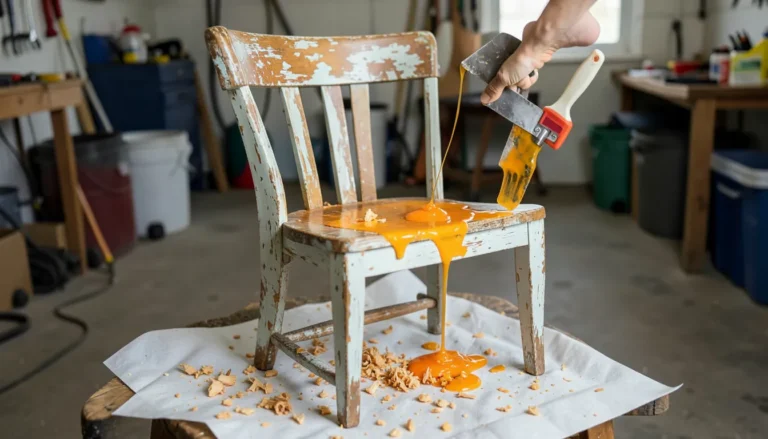
- Apply the stripper: brush citrus gel onto a 12- to 18-inch section of railing in one direction, in a layer thick enough to hide the wood grain.
- Let it dwell: wait 20-30 minutes, or until the paint bubbles and wrinkles. Don’t let the gel dry out; recoat if it’s still wet-looking but the paint hasn’t lifted yet.
- Scrape with the grain: use a plastic scraper and pull in the direction of the wood grain, not across it, to avoid gouging the surface.
- Clear the grooves: work a wire brush or detail brush into turned spindle grooves and corners where a flat scraper can’t reach.
- Sand and clean: once bare wood shows, sand with 120-grit to remove residue, then 220-grit to smooth it, and wipe with a rag dampened in mineral spirits or water to lift dust before finishing.
Removing Paint from Spindles and Turned Wood
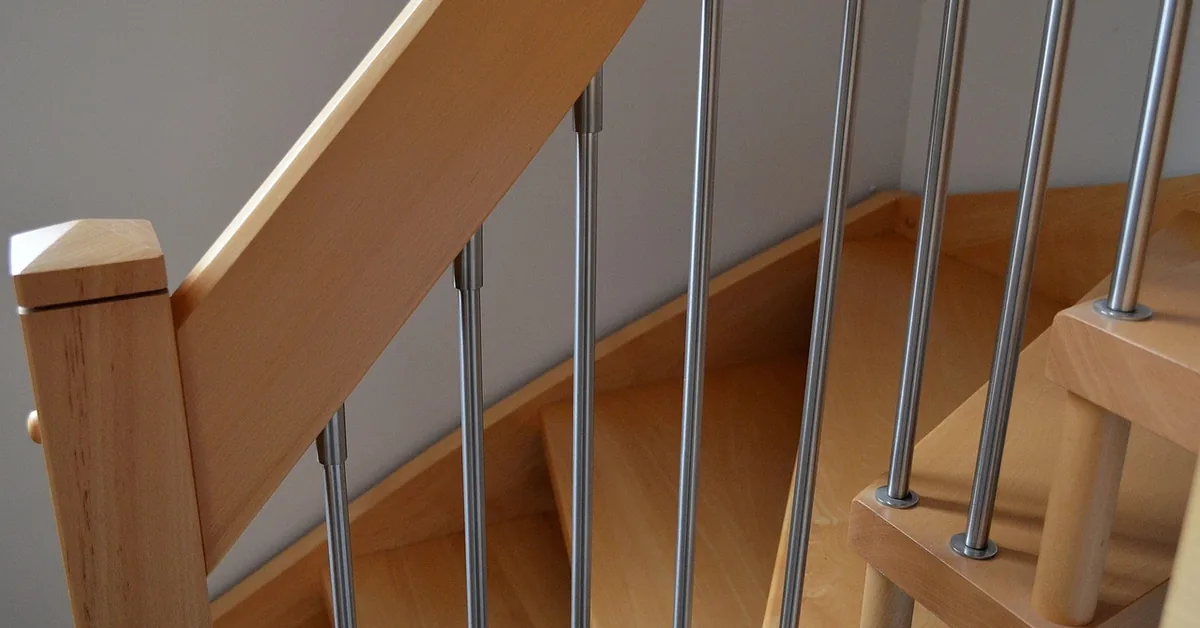
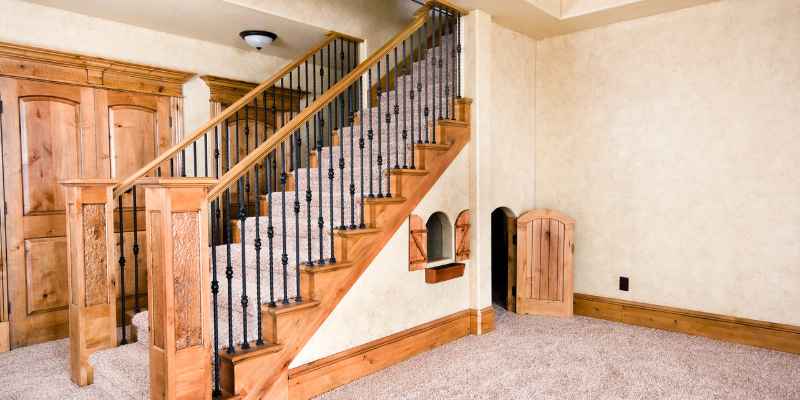
The spindles are almost always the hardest part of a stair railing to strip, and most articles skip straight past that problem. A flat scraper works fine on the handrail and the flat faces of a newel post, but turned spindles have coves, beads, and rings that trap paint in shapes a scraper can’t follow.
- If the spindles are removable (check for screws or dowels at the top and bottom), pull them out and strip them flat on a workbench — it’s slower to remove them but much faster to strip once they’re off the stairs.
- For spindles you can’t remove, wrap a strip of coarse cloth or a shoelace-style abrasive cord around the groove and saw it back and forth to clean out the recess.
- A citrus gel stripper outperforms a heat gun on turned profiles: the heat gun’s flat nozzle heats the high points of the turning faster than the low points, so you end up scorching the ridges while the paint in the coves is still solid.
“In our shop, citrus gel worked into the grooves of turned spindles far better than a heat gun ever did — the gun’s nozzle just couldn’t reach the low points of the turning without scorching the high points first.”
Alternative Paint Removal Methods
A heat gun is a legitimate option on paint confirmed to be lead-free. It softens paint fast so a putty knife can lift it, but keep the gun moving constantly — holding it in one spot scorches the wood and can raise the surface temperature high enough to release lead fumes from paint made before 1978, which is exactly why the lead test above comes first.
For light latex paint only, a vinegar-and-water soak (equal parts, applied with a rag and left for a few minutes before scraping) or a baking soda paste can loosen the top layer without chemicals. Neither works well on oil-based paint or multiple layers, so treat them as a first pass, not a full solution.
Refinishing the Railing After Paint Removal
Wipe the bare wood down with a tack cloth or a lightly damp rag to pull off the last of the sanding dust, then let it dry completely before applying anything.
Oil-based finishes bring out more grain depth and hold up better on a heavily-handled surface like a railing, but they take longer to cure and have a stronger odor. Water-based polyurethane dries faster and stays clearer over time (oil-based finishes amber with age), which matters more on a light-colored wood like maple or ash — our polyurethane application guide covers coat counts and dry times for both. Test whichever you choose on the underside of the handrail first — that’s the one spot no one will see if the sheen doesn’t match what you expected.
Preventing Future Paint Buildup
A railing that’s already stripped back to bare wood and refinished doesn’t need repainting again if you maintain the clear coat instead. Wipe it down regularly with a soft cloth and mild soap, and address scratches or worn spots in the finish as soon as you spot them — our guide to fixing scratches and cloudy finish covers small repairs — rather than waiting until bare wood is exposed and someone reaches for a paint can as a quick fix.
| Maintenance Task | How Often |
|---|---|
| Wipe with mild soap and a soft cloth | Weekly, or as needed |
| Inspect for worn or scratched finish | Every few months |
| Re-coat with clear finish (no full strip needed) | Every 3-5 years, depending on traffic |
Frequently Asked Questions
How can I safely remove paint from wood railings?
Test for lead first if your home predates 1978, then apply a citrus-based stripper gel, let it dwell 20-30 minutes, and scrape with the wood grain using a plastic scraper. Finish with 120-grit then 220-grit sandpaper before refinishing.
Do I need to test for lead paint before stripping a railing?
Yes, if your home was built before 1978. About 75% of pre-1978 U.S. homes still contain some lead-based paint, per the EPA. A swab-based lead test kit from a hardware store gives a result in minutes and is worth doing before any sanding or heat-gun work.
What tools do I need for removing paint?
A citrus paint stripper, a plastic scraper, a wire brush for spindle grooves, 120- and 220-grit sandpaper, and PPE (nitrile gloves, goggles, and a NIOSH-rated mask). Add a lead test kit if your home predates 1978.
Is it necessary to sand after paint removal?
Yes. Even a clean scrape leaves stripper residue and slightly raised grain. Sand with 120-grit to remove residue, then 220-grit for a smooth surface that will take a finish evenly.
Can I use vinegar to remove paint?
Vinegar can loosen a single layer of latex paint if you soak it with a rag for a few minutes before scraping, but it doesn’t work well on oil-based paint or multiple layers. Use it as a first pass on light paint, not as a full substitute for a stripper.
Conclusion
Removing paint from a wood stair railing comes down to three things: confirming the paint is lead-safe to work with, choosing a stripper gel that reaches into spindle grooves a scraper can’t, and sanding back to bare wood before refinishing. Skip the lead test on an older home and you’re taking on a real health risk for a cosmetic project — test first, then strip with confidence.
Sponsored / affiliate links. As an Amazon Associate I earn from qualifying purchases. I may earn additional commission from eligible campaigns.
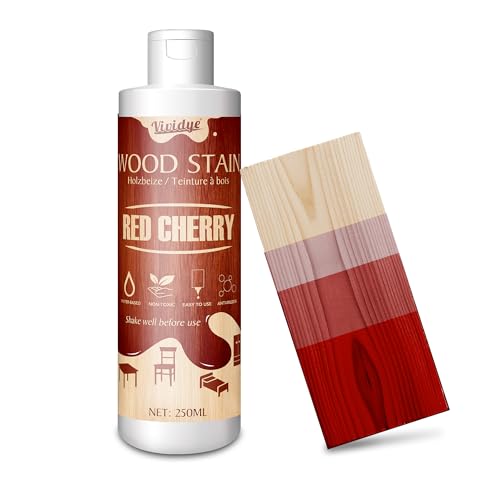 Wood Stain, 8.5oz/250ml Water Based Wood Stain for Indoor and Outdoor Furniture, Cabinet, Door, Trim and More - Fast Drying, Low Odor&Non-Toxic, Easy to Apply, Multiple Finishes (Red Cherry)
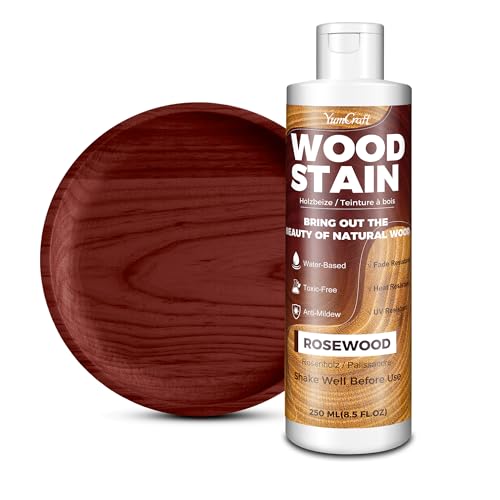 Water Based Wood Stain 8.5oz/250ml, Matte Fast Drying Stain & Varnish, Low Odor Non-Toxic Indoor Outdoor Wood Paint for Furniture, Cabinet, Door, Window, Wardrobe, Paneling, Trim & Multiple Finishes