Best Way to Remove Paint from Woodwork: Expert Tips Revealed
Are you tired of looking at old, chipped paint ruining the beauty of your woodwork? Removing paint from wood can feel like a tough, messy job.
But what if there was a simple, effective way to bring your wood back to life without endless scrubbing or damage? You’ll discover the best method to remove paint from your woodwork quickly and safely. Whether you’re updating a cherished piece or preparing for a fresh coat, this guide will make the process easier and more satisfying.
Keep reading to unlock the secret to flawless, paint-free wood!
Choosing The Right Paint Remover
Choosing the right paint remover is key to protecting your woodwork. Different methods suit different types of paint and wood finishes. Safety and ease of use also matter. This guide helps you pick the best option for your project.
Chemical Paint Strippers
Chemical paint strippers dissolve paint quickly. They work well on thick or multiple layers of paint. Apply the stripper, wait, then scrape off the loosened paint. Use gloves and work in a ventilated area. Some strippers have strong odors and fumes. Choose a product made for wood to avoid damage. Always follow the instructions carefully.
Heat Guns And Infrared Tools
Heat guns and infrared tools soften paint using heat. This method does not use chemicals. Heat loosens paint so you can scrape it away easily. It works best on flat surfaces and old paint. Keep the tool moving to avoid burning the wood. Use protective gear like gloves and goggles. This technique takes time but leaves no chemical residue.
Natural Alternatives
Natural paint removers are safer and eco-friendly. Common options include soy-based gels and citrus solvents. These products break down paint gently. They are less harmful to skin and the environment. Natural removers may take longer to work. Use them in well-ventilated spaces. They are ideal for small projects or delicate woodwork.
Preparing Woodwork For Paint Removal
Preparing woodwork for paint removal is a crucial step for a smooth and effective process. Taking time to ready the surface helps protect the wood and ensures better results. Proper preparation also makes the task safer and cleaner.
Cleaning The Surface
Start by removing dust, dirt, and grease from the wood. Use a mild soap and water solution for cleaning. A soft cloth or sponge works well for this job. Let the wood dry completely before continuing. Clean surfaces allow paint removers to work better and prevent damage.
Protecting Surrounding Areas
Cover floors, furniture, and nearby objects with drop cloths or plastic sheets. Use painter’s tape to secure coverings and protect trim or glass. This step prevents unwanted paint remover spills or splashes. Keeping the work area clean saves time and effort later.
Safety Precautions
Wear gloves to protect your skin from harsh chemicals. Use safety goggles to shield your eyes from splashes. Work in a well-ventilated area to avoid inhaling fumes. Follow all product instructions carefully. Safety ensures a smooth, worry-free paint removal process.
Step-by-step Paint Removal Process
Removing paint from woodwork requires care and patience. A clear plan makes the job easier and safer. Follow these steps to remove paint effectively without harming the wood.
Applying The Paint Remover
Choose a paint remover suitable for your wood type. Use a brush to apply a thick, even layer. Cover all painted areas fully. Avoid applying too little; it slows the process. Wear gloves to protect your skin.
Waiting Time And Monitoring
Let the paint remover sit for the time recommended on the label. Usually, 15 to 30 minutes works well. Watch the paint carefully as it softens and bubbles. Do not leave the remover too long to avoid damage.
Scraping Off Loose Paint
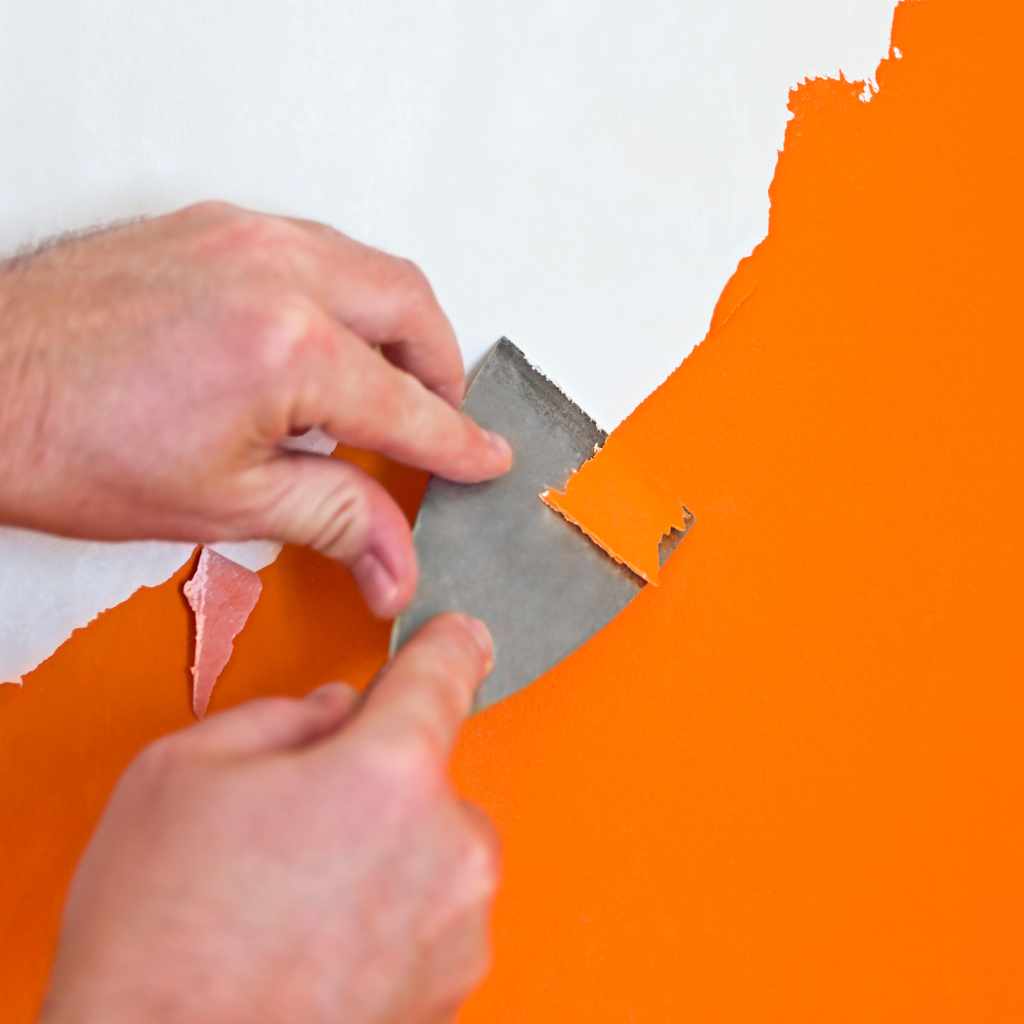
Use a plastic scraper to lift the softened paint gently. Work slowly to avoid scratching the wood. Remove all loose paint, but do not force stubborn spots. Repeat applying remover and scraping if needed.
Dealing With Stubborn Paint Spots
Stubborn paint spots on woodwork can be tough to remove. These spots often hide in corners, grooves, and uneven surfaces. Removing them needs patience and the right tools. Using gentle methods protects the wood from damage. The goal is clean wood without scratches or dents. Follow these tips to tackle those hard-to-remove paint spots easily.
Using Sandpaper Effectively
Choose fine-grit sandpaper to avoid deep scratches. Wrap it around a sanding block for better control. Sand gently along the wood grain to protect the surface. Check the area often to see if the paint is lifting. Replace sandpaper if it clogs with paint. Light sanding removes paint without harming the wood.
Employing Detail Tools
Use small tools like scrapers or dental picks for tight spots. These tools reach corners and detailed moldings well. Work slowly to avoid gouging the wood. Hold the tool at a low angle to lift paint layers. Detail tools help clean spots sandpaper can’t reach. They allow precise removal without damage.
Multiple Applications
Some paint spots need more than one treatment. Apply paint remover or sand multiple times if needed. Let the wood dry between each application. Check progress often to avoid overworking the wood. Patience with repeated steps leads to better results. Multiple treatments ensure complete paint removal.
Post-removal Woodwork Care
After removing paint from woodwork, proper care is essential to keep the wood healthy. The wood surface might feel rough or have small paint bits left. Taking care of these issues helps the wood look smooth and ready for new paint. Follow these steps to protect your wood and make it last longer.
Sanding For Smoothness
Sanding the wood smooths out rough patches and removes tiny paint pieces. Use fine-grit sandpaper for gentle sanding. Move in the direction of the wood grain. Avoid sanding too hard to prevent damage. Sanding improves the wood’s look and helps paint stick better.
Cleaning Residues
After sanding, clean the wood to remove dust and debris. Use a soft cloth or vacuum to clear the surface. Avoid using water, which can cause swelling. Clean wood ensures that no dust stops the paint from sticking well.
Preparing For Repainting
Check the wood for cracks or holes and fill them with wood filler. Let the filler dry fully and sand it smooth. Apply a primer to protect the wood and help paint hold. Choose a primer suitable for your wood type. Proper preparation makes your new paint last longer and look better.
Common Mistakes To Avoid
Removing paint from woodwork can be tricky. Many people make simple mistakes that cause damage or take longer to finish. Avoiding these errors saves time and keeps your wood in good shape.
Here are some common mistakes to watch out for during paint removal.
Over-sanding
Sanding too much can damage the wood surface. It may cause uneven spots or remove wood layers. Sand gently and check often. Use fine-grit sandpaper for a smooth finish.
Ignoring Safety Gear
Paint removal creates dust and fumes. These can harm your eyes, lungs, and skin. Always wear gloves, goggles, and a mask. Protect yourself to stay safe and healthy.
Using Harsh Chemicals Incorrectly
Strong chemicals can strip paint fast but may also harm wood. Follow product instructions carefully. Test on a small area first. Use the right tools and clean the wood well after use.
Frequently Asked Questions
What Is The Safest Method To Remove Paint From Woodwork?
The safest method is using a chemical paint stripper designed for wood. It softens paint without damaging the wood surface. Always wear gloves and work in a ventilated area. Avoid harsh sanding to prevent wood scratches and maintain the wood’s integrity.
Can Heat Guns Effectively Remove Paint From Woodwork?
Yes, heat guns soften paint for easy scraping. They work well on thick layers but require caution to avoid burning wood. Use a moderate heat setting and keep the gun moving. Always wear protective gear to prevent burns and inhalation of fumes.
How Do I Remove Paint Without Damaging Woodwork?
Use gentle chemical strippers or natural paint removers like soy-based gels. Apply carefully and avoid aggressive sanding. Test on a small area first. Work slowly to lift paint layers without harming wood grain or finish beneath.
Is Sanding A Good Option For Removing Paint On Woodwork?
Sanding can remove paint but risks damaging wood if not done carefully. Use fine-grit sandpaper and sand lightly. It’s best for small areas or paint remnants after stripping. Always sand along the wood grain to prevent scratches.
Conclusion
Removing paint from woodwork takes patience and care. Choose the right method for your wood type and paint. Always protect your skin and work area. Test your chosen technique on a small spot first. Take your time to avoid damaging the wood surface.
Clean the wood well after paint removal to prepare for finishing. With the right steps, your woodwork will look fresh and neat. Keep safety and care in mind throughout the process. A clean wood surface makes any project easier and better.