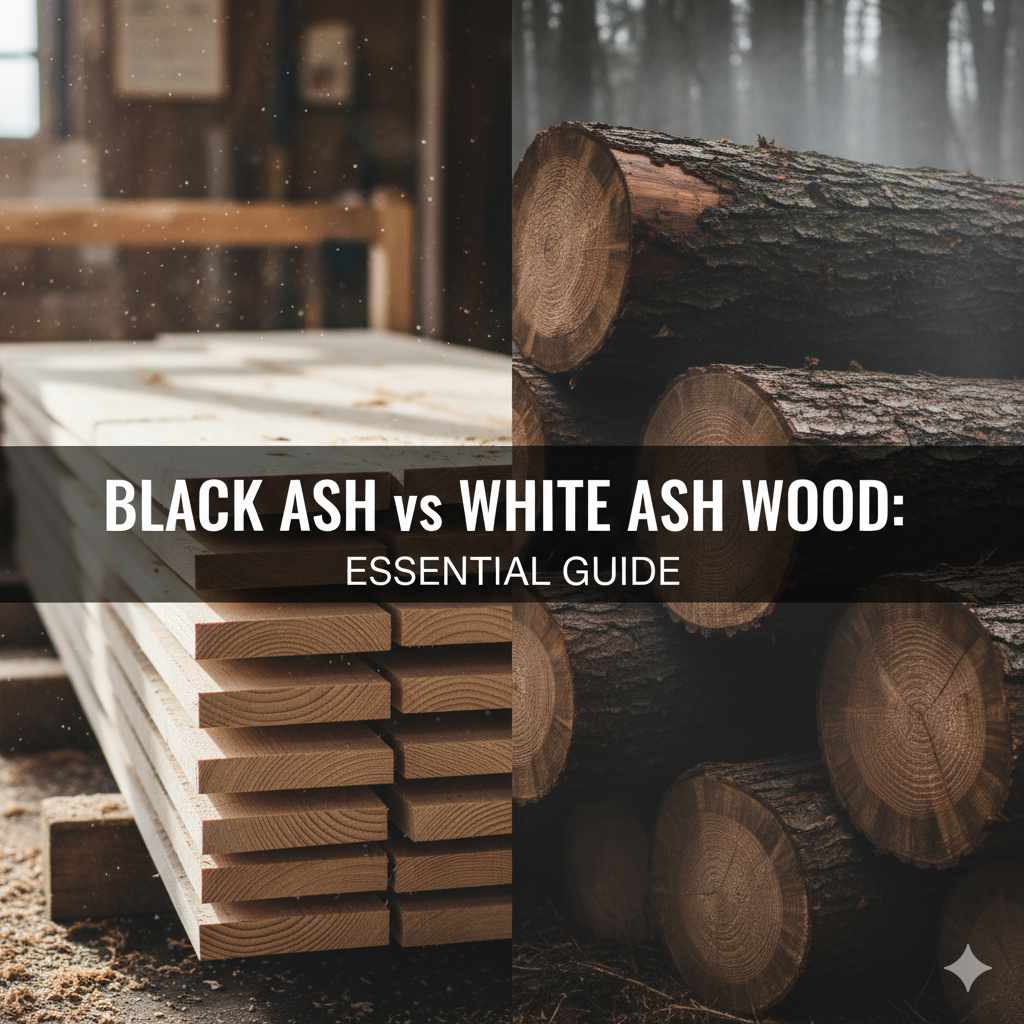
Black Ash vs White Ash Wood: Essential Guide
Black ash and white ash are both strong, versatile hardwoods. White ash is generally harder, denser, and more shock-resistant, making it ideal for tool handles and sports equipment, while black ash is slightly softer and easier to work with, often used for furniture and cabinetry. Understanding their differences helps you choose the right wood for your project.
Hey there, fellow woodworkers! Ever stood in front of a lumberyard, staring at beautiful planks of ash, and wondered, “Which one is right for me?” It’s a common spot to be in, especially when you’re just starting out or looking to expand your woodworking horizons. The truth is, both black ash and white ash are fantastic woods, but they have their own unique personalities that make them better suited for different jobs. Choosing the wrong one can lead to frustration, wasted effort, and a project that doesn’t quite turn out the way you imagined.
But don’t you worry! Today, we’re going to break down the key differences between black ash and white ash wood in a way that’s easy to understand. We’ll explore their looks, their strengths, and where they shine best. By the end of this guide, you’ll feel confident picking up the right ash for your next project, whether it’s a sturdy workbench or a beautiful cabinet door. Let’s dive in!
Understanding Ash Wood: A Versatile Hardwood
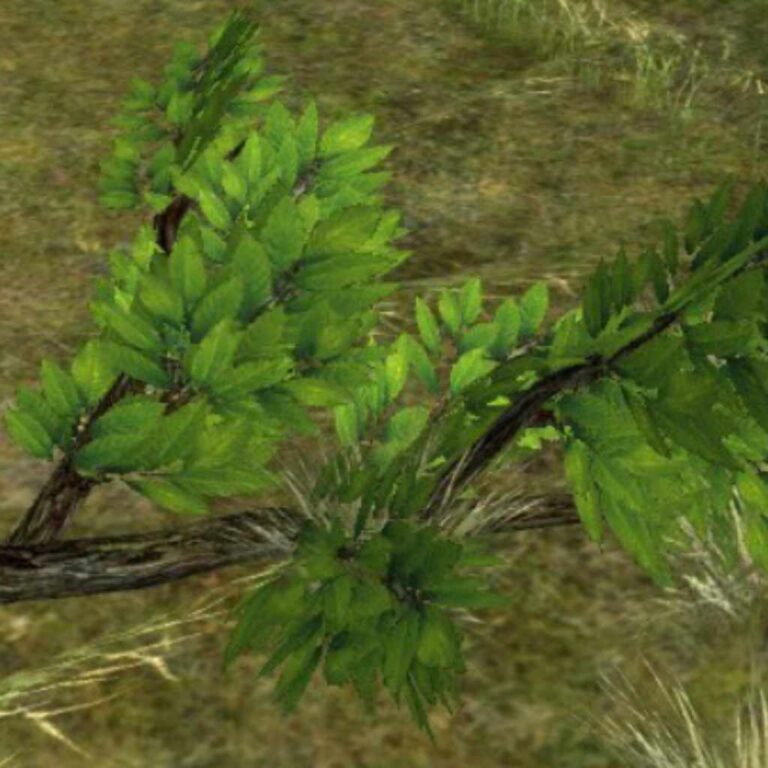
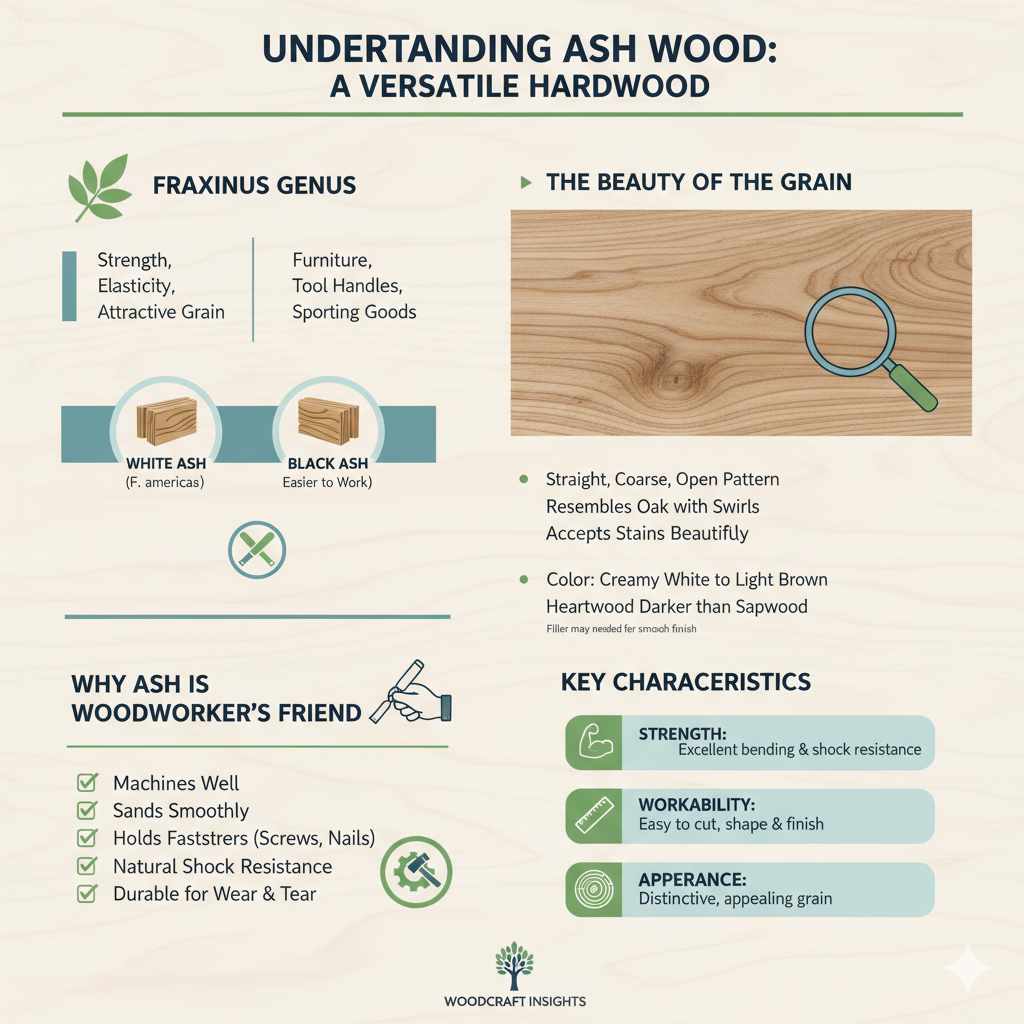
Ash wood, from the Fraxinus genus, is renowned for its strength, elasticity, and attractive grain patterns. It’s a popular choice for furniture, flooring, tool handles, and sporting goods due to its excellent shock resistance and workability. When we talk about the two main types of ash commonly found in North America, we’re usually referring to White Ash (Fraxinus americana) and Black Ash (Fraxinus nigra). While they share many similarities, subtle differences can influence your decision.
The Beauty of the Grain
One of the first things you’ll notice about ash is its distinctive grain. It typically features a straight, coarse, and open grain pattern, similar to oak but often with more pronounced, swirling figures. This open grain allows it to accept stains and finishes beautifully, but also means it might require filler for a perfectly smooth finish if desired. The color can range from creamy white to light brown, sometimes with reddish or grayish undertones, and the heartwood is usually a bit darker than the sapwood.
Why Ash is a Woodworker’s Friend
Ash is considered a pleasure to work with for many reasons. It machines well, sands smoothly, and holds fasteners (like screws and nails) exceptionally well. Its natural shock resistance makes it a durable choice for items that will experience a lot of wear and tear. This combination of strength and workability makes it a go-to for both seasoned professionals and enthusiastic beginners.
Black Ash vs White Ash Wood: The Key Differences
So, you’re looking at ash, but should it be black or white? While they might look similar at first glance, there are important distinctions to keep in mind. These differences mainly relate to strength, density, appearance, and typical applications.
White Ash (Fraxinus americana)
White Ash is often considered the premier ash species for many applications due to its superior strength and shock resistance. It’s like the athlete of the ash family – strong, resilient, and ready for action.
- Appearance: Typically has a lighter color, ranging from pale yellow to light brown, with a distinct white sapwood. The grain is usually straight and prominent.
- Strength and Density: White ash is generally harder, denser, and stronger than black ash. It boasts excellent impact resistance, making it very durable.
- Workability: It works well with both hand and power tools. It machines, sands, and finishes nicely, though its open grain might need filling for very smooth surfaces.
- Durability and Stability: It’s known for its good stability once dried, resisting warping and shrinking when properly seasoned.
- Common Uses: Due to its superior impact resistance, it’s the go-to wood for tool handles (like hammer and axe handles), baseball bats, hockey sticks, oars, and high-stress furniture components. It’s also used for cabinetry, furniture, and flooring.
Black Ash (Fraxinus nigra)
Black Ash, also known as Brown Ash or Basket Ash, is a slightly softer, more flexible counterpart to white ash. It’s often favored for its ease of working and its historical use in specific crafts.
- Appearance: Tends to be darker than white ash, with a more uniform brown color that can sometimes have a grayish hue. The sapwood is narrower and less distinct than in white ash.
- Strength and Density: While still a strong hardwood, black ash is generally less dense and slightly softer than white ash. It has good flexibility.
- Workability: It’s often considered a bit easier to work with than white ash, especially with hand tools. It bends well and is easier to split into thin strips, which is why it’s traditionally used for basket weaving.
- Durability and Stability: It’s reasonably durable, but not as resistant to impact or abrasion as white ash. It can be slightly less stable if not dried properly.
- Common Uses: Traditionally prized for making baskets, bentwood items, and cooperage (like barrels). It’s also used for furniture, cabinetry, paneling, and interior trim, especially where a slightly warmer, darker tone is desired.
Comparative Table: Black Ash vs White Ash
To make things even clearer, let’s compare them side-by-side in a table. This will highlight the key distinctions at a glance.
| Feature | White Ash (Fraxinus americana) | Black Ash (Fraxinus nigra) |
|---|---|---|
| Hardness (Janka) | 1320 lbf (5,870 N) – Generally harder | N/A (Often considered slightly softer than White Ash) |
| Density | Higher, typically 40-45 lbs/ft³ (640-720 kg/m³) | Lower, typically 35-40 lbs/ft³ (560-640 kg/m³) |
| Color | Pale yellow to light brown, distinct white sapwood | Medium to dark brown, sometimes grayish; narrower, less distinct sapwood |
| Grain | Straight, coarse, open, often with prominent figuring | Straight, coarse, open, sometimes more subtle figuring |
| Strength & Shock Resistance | Excellent, high impact resistance | Good, but less than White Ash |
| Workability | Good with machines and hand tools; holds fasteners well | Good, often considered slightly easier to work, bends well |
| Primary Uses | Tool handles, sports equipment, furniture, flooring | Baskets, bentwood items, furniture, cabinetry, paneling |
Note: Janka hardness ratings can vary based on specific growth conditions and measurement. The values provided offer a general comparison. For more detailed wood properties, resources like the USDA Forest Products Laboratory’s Wood Handbook are invaluable.
Choosing the Right Ash for Your Project
Now that you know the differences, how do you pick? It really comes down to what you want to make and what you value most in a wood.
When to Choose White Ash
If your project demands the utmost in strength, toughness, and resistance to impact, white ash is likely your best bet. Think about these scenarios:
- High-Stress Components: Need to make a replacement handle for a garden tool, a sturdy workbench leg, or even a small rocking chair that will see a lot of use? White ash can handle it.
- Sporting Goods: If you’re crafting anything that needs to withstand repeated impacts, like a baseball bat or parts for furniture used in high-traffic areas, white ash is your champion.
- Long-Lasting Projects: For furniture or structural elements where durability over many years is key, the extra hardness of white ash provides peace of mind.
When to Choose Black Ash
Black ash offers great beauty and workability, making it a fantastic choice for many applications where extreme impact resistance isn’t the primary concern. Consider black ash if:
- Aesthetic is Key: You prefer a slightly warmer, darker tone in your wood or appreciate the subtle grain patterns it offers for furniture or cabinetry.
- Ease of Working is a Priority: You’re a beginner or someone who prefers wood that’s a little more forgiving with hand tools. Black ash can be a joy to mill and shape.
- Bending or Splitting is Involved: If your project involves steam bending or splitting the wood into thin strips (like for decorative inlay or, of course, baskets), black ash excels.
- Cost is a Factor: Sometimes, black ash can be more readily available and slightly less expensive than high-quality white ash, especially depending on your region.
A Word on Ash Borers
It’s important to touch upon a significant threat to ash trees in North America: the Emerald Ash Borer (EAB). This invasive insect has devastated vast numbers of ash trees. This can affect the availability and cost of ash lumber. While both species are affected, it’s always a good idea to check with your lumber supplier about the current availability and source of the ash lumber you’re considering. Reputable sawmills will often be transparent about this. You can learn more about the EAB from the USDA Animal and Plant Health Inspection Service (APHIS).
Working with Ash Wood: Tips for Beginners
Whether you choose black or white ash, you’ll find it to be a rewarding wood to work with. Here are a few tips to make your experience even smoother.
Cutting and Machining
Ash cuts cleanly with both hand saws and power saws. Sharp blades are key, especially with larger, coarser grains. When using routers or planers, a fine feed rate helps prevent tear-out, particularly in areas with figured grain. Because of its open grain, you might notice a bit more dust during milling compared to finer-grained woods.
Sanding
Ash sands quite nicely. Start with a medium grit (like 80 or 100 grit) to remove any mill marks or imperfections. Progress through finer grits (150, 180, 220) for a smooth surface. If you plan to paint or use a very high-gloss finish, you might consider using a wood filler to fill the open pores for a perfectly smooth, glass-like surface. For most projects, a 220 grit finish is plenty smooth.
Finishing
Ash takes stains and finishes very well. Its open grain can accept stain deeply, which can create a striking appearance. If you are staining, especially a light-colored white ash, be aware that its natural color can show through, leading to variations in the final hue. You can test your stain on a scrap piece first to see how it looks on your specific board. Applying a pre-stain conditioner can help ensure a more even color absorption, preventing blotchiness.
For a natural look, a clear coat of polyurethane, lacquer, or oil finish will highlight the wood’s natural beauty and grain. Remember to apply thin, even coats and sand lightly between coats with very fine grit sandpaper (like 320 or 400 grit) for a professional-smooth feel. Ensure your workspace is well-ventilated and wear appropriate safety gear, such as a respirator, when applying finishes.
Fasteners
Ash holds screws and nails exceptionally well. You generally don’t need to pre-drill for nails unless you’re working very close to the edge, where it might split. For screws, pre-drilling is a good practice, especially in harder white ash, to prevent splitting and make driving the screw easier. Pilot holes should be slightly smaller than the screw’s core diameter.
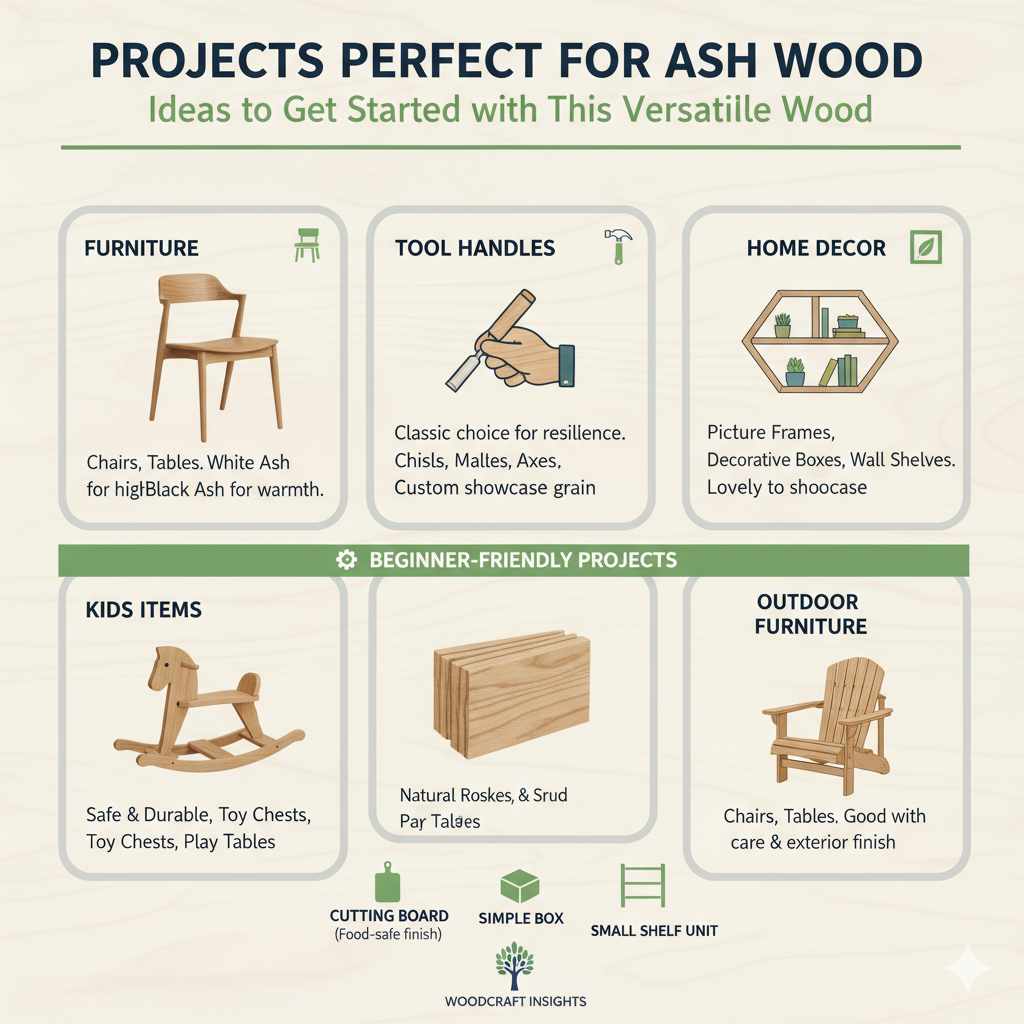
Projects Perfect for Ash Wood
Let’s dream up some projects! Here are a few ideas where ash wood truly shines:
- Furniture: From simple side tables and benches to more complex chairs and cabinets, both black and white ash can be used. White ash for high-traffic dining chairs, black ash for a warmer-toned media console.
- Tool Handles: As mentioned, white ash is the classic choice for its resilience. Imagine crafting a custom handle for a favorite chisel or mallet.
- Home Decor: Picture frames, decorative boxes, wall shelves – ash offers a lovely grain to showcase.
- Kids’ Items: Rocking horses, toy chests, or small play tables can be made safely and durably from ash.
- Outdoor Furniture: While not as rot-resistant as some outdoor woods, pieces like chairs or small tables made from well-finished white or black ash can last well with proper care and maintenance. Consider a clear exterior-grade finish.
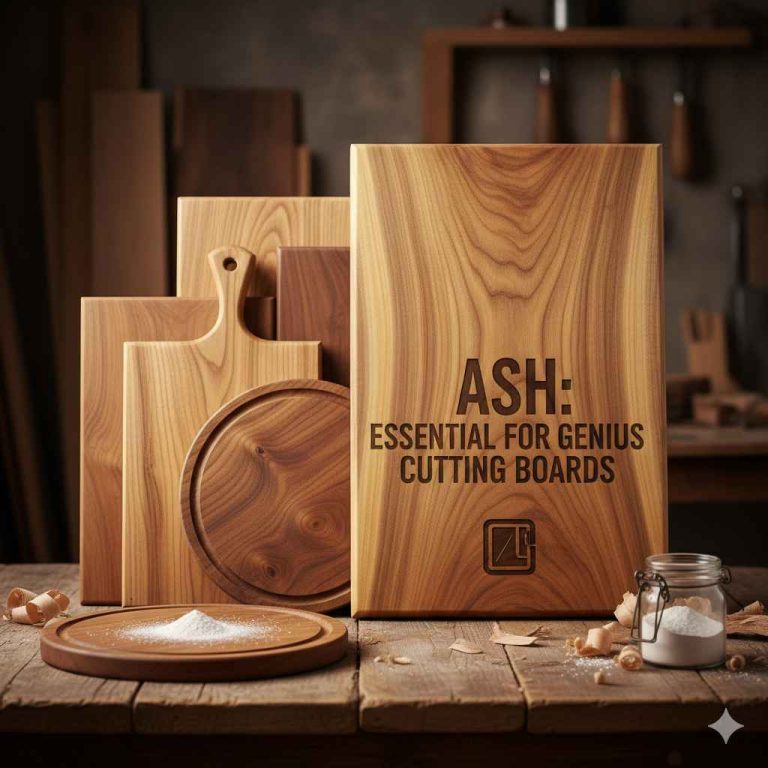
For beginners, starting with a simpler project like a cutting board (use a food-safe finish!), a simple box, or a small shelf unit is a great way to get a feel for how ash works. These projects allow you to practice your cuts, joints, and finishing techniques without too much complexity.
Frequently Asked Questions (FAQ)
Here are some common questions beginners have about black ash and white ash wood.
Q1: Is White Ash harder than Black Ash?
Yes, generally speaking, White Ash (Fraxinus americana) is harder and denser than Black Ash (Fraxinus nigra). This makes White Ash more resistant to impact, which is why it’s preferred for things like tool handles and sports equipment.
Q2: Which Ash wood is better for furniture?
Both Black Ash and White Ash can be excellent for furniture! White Ash is great for furniture that needs to be very durable and withstand a lot of use. Black Ash is often chosen for its slightly warmer color and can be easier to work with, making it a good choice for cabinets, tables, and chairs where extreme impact isn’t a concern.
Q3: Does Ash wood rot easily?
Ash wood is considered moderately durable and has good resistance to decay and insect attack when compared to some other hardwoods. However, it is not naturally as rot-resistant as woods like cedar or redwood. For outdoor projects, it requires a good protective finish and regular maintenance to prolong its life.
Q4: Is Ash expensive?
The price of Ash can vary based on availability, grade, and your location. The Emerald Ash Borer has impacted ash tree populations, which can affect supply and cost. Generally, it’s considered a mid-range hardwood, often comparable in price to oak, and more affordable than some premium woods like maple or walnut.
Q5: Can I stain Black Ash and White Ash different colors?
Absolutely! Both Black Ash and White Ash take stains very well. White Ash, being lighter, can be stained a wide range of colors, from light natural tones to dark, rich hues. Black Ash, typically darker to begin with, often looks beautiful with clear finishes or stains that enhance its natural brown tones. Always test your stain on a scrap piece first!
Q6: Is Ash good for flooring?
Yes, Ash wood is a popular choice for flooring due to its hardness, strength, and attractive grain. White Ash is particularly well-suited for flooring that experiences heavy foot traffic because of its excellent durability and resistance to wear and tear.
Conclusion
Choosing between black ash and white ash wood for your next project doesn’t have to be a mystery. You’ve learned that White Ash shines when you need superior strength and shock resistance, making it perfect for demanding applications like tool handles and sporting goods. On the other hand, Black Ash offers excellent workability, a slightly warmer color, and is a fantastic choice for beautiful furniture, cabinetry, and traditional crafts where extreme durability isn’t the top priority.
Both are wonderful hardwoods that will serve you well. Understanding their nuances the way you do now will help you make the best decision for your skill level and the intended use of your project. So, head to your lumberyard with confidence, knowing you can select the right ash to create something truly special. Happy woodworking!